
New Year, New Practice: 5 Yoga Poses to Release January Stagnation
January hits different. Your body feels heavy, your energy tanks, and that post-holiday sluggishness makes everything feel harder than it should. You’re not imagining it—winter’s grip combined with holiday recovery creates real physical stagnation that affects how you move, breathe, and feel.
This guide is for you if you’re ready to shake off January’s weight and reclaim your vitality through yoga poses for energy. You don’t need to be a yoga expert or commit hours daily. You need five targeted poses that work.
We’ll start by exploring why January stagnation happens and how it shows up in your body. Then you’ll discover the science behind how specific yoga poses for new beginnings can actually shift your energy at a cellular level. Finally, you’ll learn an energizing yoga sequence focusing on hip-opening poses to unlock your lower body, and spinal mobility moves to breathe life back into your upper body. By the end, you’ll have a practical winter yoga routine that fits into real life—not just Instagram fantasies.
Your new year yoga practice starts with understanding your body’s needs right now, then giving it precisely what it’s asking for.
Understanding January Stagnation and Its Impact on Your Body

Physical symptoms of post-holiday energy blockages
Your body tells the story of January stagnation through unmistakable signals that you can’t ignore. After weeks of irregular sleep patterns, rich foods, and disrupted routines, you might notice persistent fatigue that doesn’t lift even after adequate rest. Your digestive system feels sluggish, leaving you with that uncomfortable, heavy sensation that lingers throughout the day.
Joint stiffness becomes your unwelcome morning companion, making simple movements feel labored and uncomfortable. Your shoulders carry tension from holiday stress, creating tight knots that seem impossible to release. Lower back pain often emerges from long hours of travel, sitting at family gatherings, or sleeping in unfamiliar beds.
You may experience frequent headaches as your body adjusts to a regular hydration and nutrition regimen. Your lymphatic system, which removes toxins, becomes sluggish, leading to puffiness around your face and ankles. This physical stagnation creates a cycle where movement feels more challenging, making you less likely to engage in the energizing yoga sequence your body desperately craves.
Your nervous system remains in a heightened state from holiday excitement and stress, leaving you feeling simultaneously wired and exhausted. This contradiction manifests as restless sleep, with you tossing and turning despite feeling physically drained.
Mental fog and motivation challenges after the festive season
January brings a unique form of mental cloudiness that affects your decision-making abilities and focus. You find yourself staring at simple tasks, unable to muster the mental energy to begin. This fog isn’t laziness—it’s your brain processing the sensory overload and emotional intensity of the holiday season.
Your motivation feels half-capacity, making even basic New Year’s yoga practice routines feel overwhelming. The gap between your ambitious resolutions and your current energy levels creates frustration and self-doubt. You might start multiple projects only to abandon them when the initial enthusiasm fades.
Concentration becomes elusive as your mind jumps from thought to thought without settling on anything productive. Reading becomes more difficult, conversations feel scattered, and you struggle to retain information that would usually stick easily. This mental stagnation often triggers anxiety about your productivity and capabilities.
Emotional regulation also takes a hit during this period. Minor irritations feel magnified, and you might find yourself more reactive than usual. The contrast between holiday joy and January’s return to routine creates a subtle depression that saps your enthusiasm for activities you typically enjoy.
Your creative thinking suffers as your brain prioritizes basic functioning over innovative problem-solving. This mental state reinforces physical stagnation, creating a comprehensive need for yoga practices that address both mind and body.
How winter weather contributes to muscle tension and stiffness
Cold temperatures create a biological response in your muscles that directly impacts your mobility and comfort. When exposed to chilly air, your muscles naturally contract to preserve core body heat, leading to chronic tension patterns that persist even when you’re indoors. This protective mechanism becomes problematic during extended winter months.
Your fascia—the connective tissue surrounding your muscles—becomes less pliable in cold conditions, similar to how honey thickens in the refrigerator. This reduced flexibility makes sudden movements more likely to cause strain or discomfort. In cold weather, your joints produce less synovial fluid, reducing their natural lubrication and increasing stiffness.
Reduced sunlight exposure affects your vitamin D levels, which play a role in muscle function and bone health. Lower vitamin D can contribute to muscle weakness and increased susceptibility to aches and pains. Your circadian rhythm also shifts with shorter days, affecting sleep quality and recovery patterns.
Winter’s atmospheric pressure changes can trigger increased joint inflammation, particularly if you have existing sensitivities. You might notice that old injuries feel more pronounced during cold snaps or before weather systems move through your area.
The tendency to hunch your shoulders against the cold creates postural imbalances that compound throughout the season. Your hip flexors tighten from spending more time indoors in seated positions, while your glutes weaken from reduced outdoor activity. This creates the perfect storm for developing a winter yoga routine that targets these seasonal challenges explicitly.
Breathing patterns also change in cold weather, becoming shallower and more restricted, which reduces oxygen delivery to your tissues and can increase overall tension throughout your body.
The Science Behind Yoga for Energy Revival
How specific poses stimulate circulation and lymphatic drainage
Your body operates like a sophisticated network of rivers and streams, with blood and lymph fluid constantly flowing to deliver nutrients and remove waste. When you practice yoga poses for energy, you’re essentially giving these systems a powerful boost. Twisting poses like revolved triangle squeeze your organs like a wet sponge, pushing out stagnant blood and allowing fresh, oxygenated blood to flood back in. This process rejuvenates your cells and helps clear metabolic waste that contributes to that sluggish feeling.
Your lymphatic system, which doesn’t have a pump like your heart, relies entirely on movement to function properly. Inversions such as legs-up-the-wall or downward-facing dog use gravity to your advantage, encouraging lymph fluid to drain from your extremities back toward your heart. Hip-opening yoga poses create space around the central lymph nodes in your groin, while gentle backbends open your chest and stimulate lymphatic flow in your upper body.
The magic happens in your muscles, too. As you move through different poses, your muscles contract and relax rhythmically, creating a pumping action that pushes fluids through your vessels. This is why a well-designed energizing yoga sequence can leave you feeling refreshed rather than depleted – you’ve literally improved your internal circulation.
Breath-work benefits for mental clarity and focus
Your breath is the bridge between your mind and body, and when you consciously work with it during your new year yoga practice, remarkable changes occur in your brain chemistry. Deep, controlled breathing activates your parasympathetic nervous system, shifting you out of the stress response that often keeps your mind foggy and scattered. This biological switch helps clear mental cobwebs and naturally sharpens your focus.
When you coordinate breath with movement, your brain produces more alpha waves – the same brainwave pattern associated with meditation and creative flow states. This explains why you often leave yoga class feeling mentally refreshed and clear-headed. The rhythmic breathing patterns in yoga for stagnation specifically help regulate your autonomic nervous system, creating a sense of calm alertness that’s perfect for tackling new year goals.
Your prefrontal cortex, responsible for executive function and decision-making, receives increased blood flow during focused breathing exercises. This enhanced circulation to your brain’s command center improves your ability to concentrate, make decisions, and maintain emotional equilibrium throughout challenging situations.
The connection between physical movement and emotional release
Your body stores emotions in fascinating ways, particularly in areas where you hold chronic tension. When you practice winter yoga routine poses that target these storage sites – like your hips, shoulders, and jaw – you’re not just stretching muscles; you’re creating space for trapped emotions to surface and release. This phenomenon, known as somatic experiencing, explains why you might feel unexpectedly emotional during specific yoga poses for body renewal.
Your fascia, the connective tissue that wraps around your muscles, acts like emotional memory foam. Stress, trauma, and unexpressed feelings can create restrictions in this tissue, leading to that heavy, stuck feeling characteristic of January stagnation. Through mindful movement and sustained stretches, you gradually soften these restrictions, allowing both physical tension and emotional baggage to dissolve.
The endorphins released during movement act as natural mood elevators, but the emotional benefits go deeper. As you move energy through blocked areas of your body, you’re essentially completing emotional cycles that may have been interrupted by stress or overwhelm. This process helps you feel lighter, more grounded, and emotionally available for new experiences and opportunities that the new year brings.
Energizing Hip-Opening Sequence for Lower Body Liberation
Low Lunge with Heart Opening for Hip Flexor Release
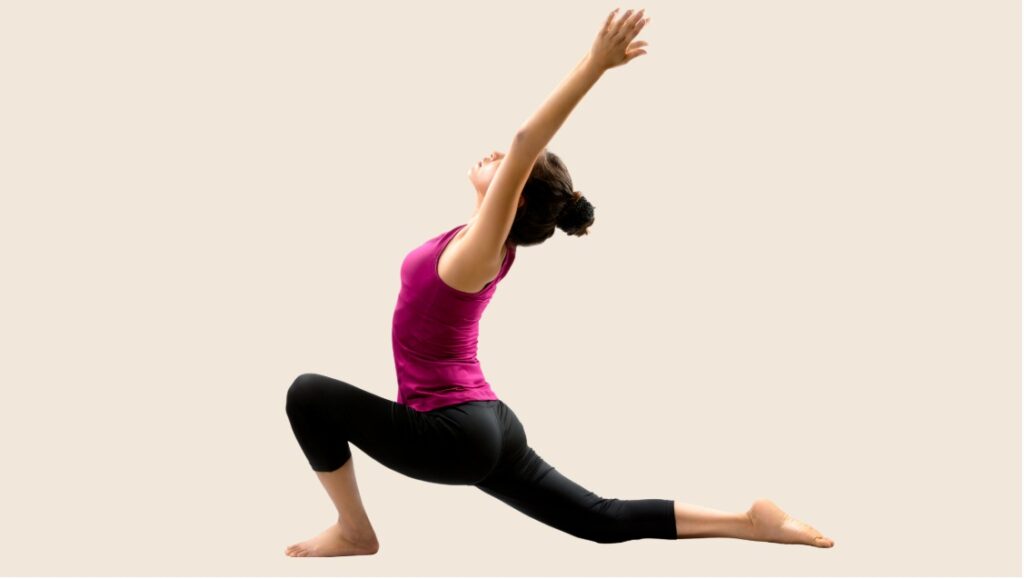
Your hip flexors carry the weight of winter’s sedentary habits, creating a perfect storm of tightness that keeps you feeling stuck. The Low Lunge with Heart Opening becomes your gateway to breaking free from this January stagnation. Start by stepping your right foot forward between your hands, dropping your left knee to the ground. Feel that immediate stretch across your left hip flexor as you sink deeper into the pose.
Place your hands on your front thigh and slowly lift your torso upright. This energizing yoga sequence position already begins to release the deep-seated tension you’ve been carrying. Now comes the heart-opening element that transforms this simple lunge into a powerful energy reviver. Sweep your arms overhead, interlacing your fingers and reaching toward the sky.
As you hold this position for 30-60 seconds, breathe deeply and feel your hip flexors gradually releasing their grip. The combination of the lunge and backbend creates space in your entire front body, countering the forward-hunched posture that winter often brings. Switch sides and notice how each leg might feel different – this asymmetry is normal and reveals exactly where your body needs the most attention in your new year yoga practice.
Pigeon Pose Variations to Unlock Deep-Seated Tension
Pigeon Pose takes you deeper into the emotional and physical layers where January stagnation likes to hide. Begin in Downward Dog, then bring your right knee forward and place it behind your right wrist. Slide your left leg back, keeping your hips square as you lower down. This foundational position immediately targets your external hip rotators and glutes – areas that hold tremendous tension from prolonged sitting.
Your first variation involves a gentle forward fold. Walk your hands forward and rest your forearms on the ground, allowing your forehead to release toward the floor. This hip-opening yoga pose creates intense sensation, but remember that intensity isn’t the same as pain. Breathe through any resistance you encounter, knowing that each exhale helps release stored tension.
For a more active variation, press your hands into the ground and lift your chest to create a gentle backbend. This combination targets multiple layers of tightness simultaneously. The most advanced variation involves reaching back to catch your back foot, creating a quad stretch that completes the hip opening experience. Hold each variation for 1-2 minutes per side, gradually allowing your body to surrender to the process.
Your tight hips often reflect tight emotions, so don’t be surprised if unexpected feelings arise during these yoga poses for energy. This emotional release is part of the healing process that makes Pigeon Pose so powerful for breaking through stagnation.
Proper Alignment Tips to Maximize Benefits Safely
Your safety in these hip-opening yoga poses depends entirely on your alignment awareness and willingness to work within your current range of motion. Never force your way into these positions – your hips will open gradually with consistent practice, not aggressive pushing. In Low Lunge, keep your front knee tracking over your ankle rather than collapsing inward. This protects your knee joint while ensuring the hip flexor receives the intended stretch.
During Pigeon Pose, the most critical alignment point involves keeping your hips level. Your back hip wants to hike up toward your ear, which shifts the stretch away from the intended muscles. Place a block or blanket under your front hip if needed to maintain even positioning. Your front shin doesn’t need to be parallel to the mat – work with your body’s current mobility rather than forcing an Instagram-worthy shape.
Listen to the difference between productive sensation and harmful pain. Good stretching feels intense but manageable, like a deep pressure that gradually releases. Sharp, shooting, or knife-like sensations signal you need to back off immediately. Use props liberally – blocks under your hands in Low Lunge, bolsters under your torso in Pigeon Pose, or straps to reach your back foot safely.
Your breath serves as your best alignment tool. If you can’t maintain steady, deep breathing in any position, you’ve gone too far. Scale back until your breath flows freely, then hold that sustainable edge. This approach builds genuine flexibility while honoring your body’s protective mechanisms, ensuring your winter yoga routine supports rather than strains your system.
Spinal Mobility Poses for Upper Body Renewal
Cat-Cow Stretches to Awaken Vertebral Flexibility
Your spine carries the weight of January’s sluggishness, literally and figuratively. Cat-Cow stretches offer the perfect antidote to winter’s stiffness, creating fluid movement that awakens each vertebra from its dormant state. This spinal mobility yoga sequence transforms your entire upper body, breathing new life into areas that have become rigid from holiday inactivity and cold weather tension.
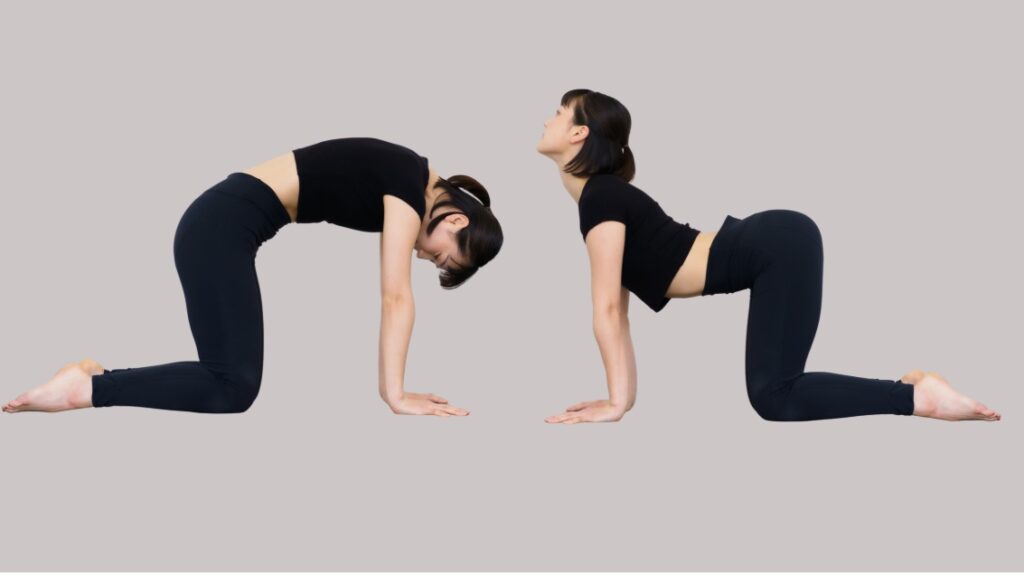
Begin on your hands and knees in a tabletop position, ensuring your wrists align directly under your shoulders and knees sit beneath your hips. As you inhale, drop your belly toward the mat while lifting your chest and tailbone skyward – this is Cow pose. Feel the gentle arch spreading through your spine, opening your heart, and creating space between each vertebral segment.
Exhale slowly as you round your spine toward the ceiling, tucking your chin to your chest and drawing your belly button inward – transitioning into Cat pose. This alternating motion creates a wave-like undulation through your backbone, massaging internal organs and stimulating circulation that has slowed during the winter months.
Your breath becomes the conductor of this energizing yoga sequence. Each inhale expands your chest cavity, encouraging deeper oxygen flow to tissues starved by shallow winter breathing. Every exhale releases accumulated tension from your neck, shoulders, and middle back. Continue this flowing movement for 8-10 rounds, allowing your body’s natural rhythm to guide the pace.
The beauty of Cat-Cow lies in its ability to mobilize your spine in both flexion and extension – movements that counteract the forward-head posture typical in our screen-heavy lives. This yoga-for-body-renewal practice specifically targets the thoracic spine, where stress often crystallizes into knots and restrictions.
Seated Spinal Twist for Digestive Stimulation and Back Relief
Transform your seated position from a source of stagnation into a powerful tool for renewal with this deeply therapeutic twist. Your digestive system often mirrors your energy levels – when you feel stuck, your internal processes slow down too. This seated spinal twist addresses both issues simultaneously, wringing out toxins while restoring mobility to your torso.
Sit cross-legged on your mat or in a chair, with your feet firmly planted on the ground. Lengthen your spine by imagining a string pulling the crown of your head toward the ceiling. Place your right hand on your left knee and your left hand behind you for support. This setup creates the foundation for a twist that penetrates deep into your core.
Begin the rotation by turning from your navel, not your neck. Your abdominal muscles initiate this movement, creating a spiral that travels upward through your ribcage and into your upper spine. Hold this position for 30-45 seconds, breathing deeply into your back ribs to enhance the stretch’s effectiveness.
This winter yoga routine pose stimulates your digestive organs through gentle compression and release. As you twist to the right, you’re massaging your ascending colon and liver. When you switch sides, the left twist affects your descending colon and spleen. This internal massage helps combat the sluggish digestion that often accompanies sedentary winter months.
Your nervous system receives equal benefits from this practice. The twisting motion stimulates your parasympathetic nervous system, promoting the rest-and-digest response that balances January’s stress-induced fight-or-flight patterns. Return to center slowly, then repeat on the opposite side, maintaining the same mindful approach to breath and movement.
Integration and Daily Practice Implementation
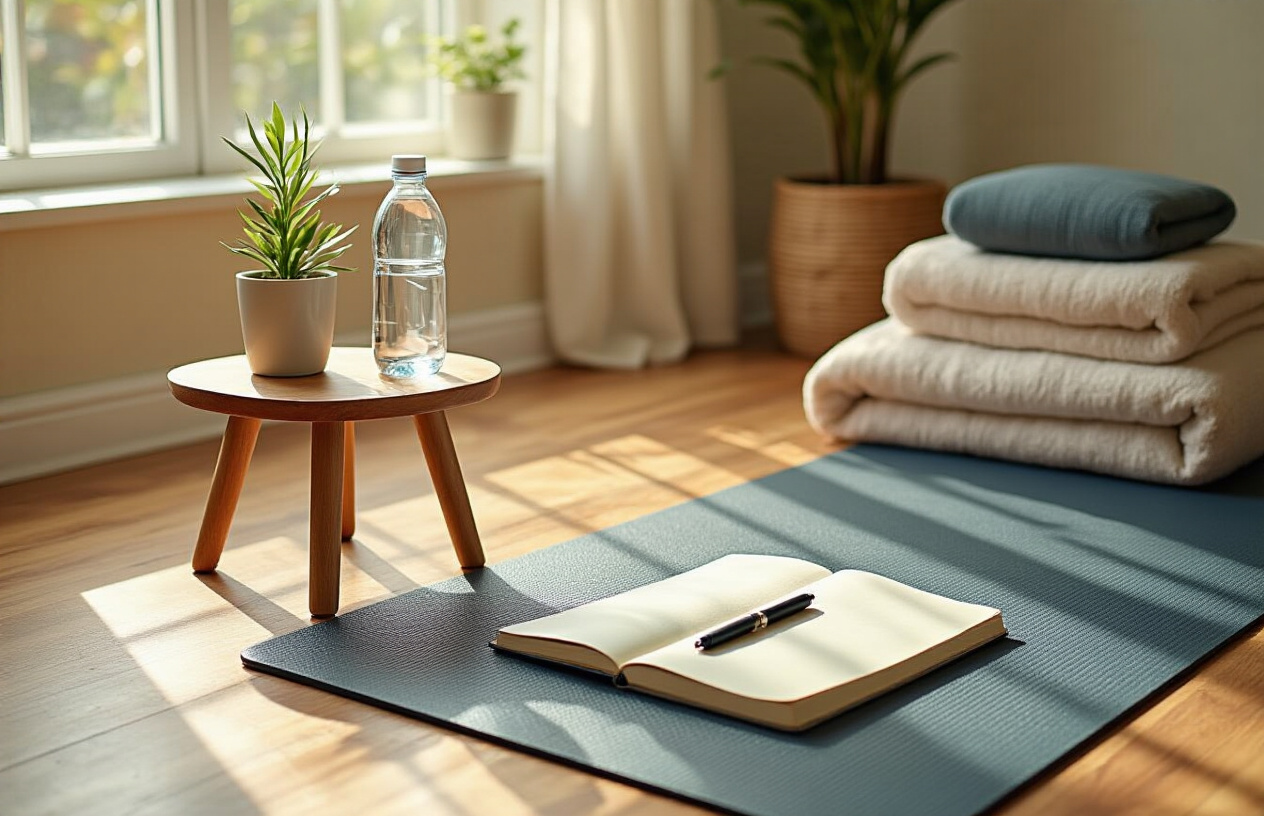
Creating a sustainable 15-minute morning routine
Your new year yoga practice doesn’t need to consume your entire morning to be effective. A consistent 15-minute routine can transform your energy levels and set a positive tone for your day. Start by selecting 3-4 poses from the hip-opening and spinal mobility sequences we’ve covered, focusing on quality over quantity.
Begin with 2-3 minutes of gentle breathing and body awareness. Move into your chosen yoga poses for energy for 8-10 minutes, holding each pose for 30-60 seconds. Close with 2-3 minutes of gentle stretching or brief meditation. This structure gives you flexibility while maintaining the essential elements that combat January stagnation.
Schedule your practice at the same time each morning, ideally before checking your phone or diving into daily tasks. Your body craves routine, and this consistency helps establish your winter yoga routine as a non-negotiable part of your day. Keep your yoga mat visible as a visual reminder, and prepare your practice space the night before to eliminate morning barriers.
Adapting poses for different fitness levels and limitations
Your yoga practice should work with your body, not against it. For beginners or those with physical limitations, modify poses using props and gentler variations. If traditional hip openers feel too intense, try seated variations or use blocks for support. Chair-based modifications make these energizing yoga sequences accessible even in office settings.
Beginner adaptations:
- Use walls for support in standing poses
- Keep knees bent in forward folds
- Hold poses for shorter durations (15-30 seconds)
- Use blankets or pillows for comfort in floor poses
Intermediate progressions:
- Add gentle pulses or micro-movements within poses
- Increase hold times gradually
- Combine poses into flowing sequences
- Experiment with deeper variations
Advanced practitioners:
- Focus on breath awareness and subtle body alignment
- Add challenging variations or arm balances
- Practice longer holds for deeper release
- Incorporate meditation within poses
Listen to your body daily. Some mornings you’ll feel ready for deeper poses, while others call for gentler movement. This adaptability keeps your practice sustainable and prevents injury or burnout.
Tracking progress and maintaining consistency throughout January
Progress in yoga isn’t always about touching your toes or achieving perfect poses. Track how you feel before and after practice using a simple 1-10 energy scale. Notice improvements in sleep quality, stress levels, and overall mood. These subtle shifts often provide more meaningful motivation than physical achievements alone.
Create a simple tracking system that works for you:
| Week | Energy Before | Energy After | Notes |
|---|---|---|---|
| 1 | 4/10 | 7/10 | Felt stiff initially, loosened up |
| 2 | 5/10 | 8/10 | Hip openers getting easier |
| 3 | 6/10 | 8/10 | Morning routine feels natural |
| 4 | 6/10 | 9/10 | Sleeping better, less afternoon fatigue |
Use habit stacking by linking your January motivation yoga practice to an existing morning routine. Practice right after brushing your teeth or before your morning coffee. This connection helps cement the new behavior into your existing patterns.
When motivation wanes (and it will), focus on showing up rather than performing perfectly. Even five minutes of gentle movement counts as success. Your commitment to consistency matters more than the intensity of any single session.
Building momentum for year-long wellness habits
January’s focused practice creates the foundation for lasting change, but sustainable wellness habits require strategic planning beyond the first month. Use this initial momentum to explore what genuinely serves your body and lifestyle. Pay attention to which poses energize you most and which times of day work best for your schedule.
Gradually expand your practice as it becomes more natural. Add a second short session in the evening, incorporate yoga poses for new beginnings during work breaks, or join a local class for community support. The key lies in organic growth rather than dramatic overhauls that often lead to burnout.
Create backup plans for challenging days. Develop a 5-minute emergency sequence for busy mornings, identify poses you can do while traveling, and prepare modifications for days when you’re feeling unwell. This flexibility prevents all-or-nothing thinking that derails many wellness journeys.
Connect with others who share your wellness goals. Share your progress with friends, find an accountability partner, or document your journey through photos or journaling. This external support system reinforces your internal motivation and encourages you during difficult periods.
Remember that building lifelong habits takes patience and self-compassion. Your yoga for body renewal practice will evolve as your needs, circumstances, and interests change. Trust the process, celebrate small wins, and allow your practice to grow naturally into a sustainable source of energy and well-being that extends far beyond January.
January’s sluggish feeling doesn’t have to define your entire year. By understanding how your body responds to post-holiday stagnation and using targeted yoga poses to combat it, you can break free from that heavy, unmotivated state. The hip-opening sequences help release stored tension in your lower body, while spinal mobility poses restore flexibility and energy flow through your upper body. These aren’t just physical movements – they’re your tools for creating real change in how you feel day to day.
Start with just 10-15 minutes of these poses each morning, and notice how your energy shifts throughout the week. Your body craves movement after periods of inactivity, and these specific sequences give it exactly what it needs to feel alive again. Don’t wait for motivation to strike – roll out your mat tomorrow morning and begin rebuilding your connection to your body’s natural vitality.
For more soulful stories and mindful living insights, explore The Zen Blog — your space for travel reflections, wellness tips, and everyday calm.
✨ Join The Zen Journal community — get fresh yoga and wellness insights straight to your inbox ✨