
The Ancient Wisdom That Transforms Your Relationship with Yourself: Understanding Yoga Philosophy

Have you ever caught a glimpse of yourself in a mirror and felt disconnected from the person staring back? Or perhaps you’ve wondered who you really are beneath all the roles you play, the expectations you carry, and the stories you tell yourself? If these questions resonate with you, you’re not alone. In our fast-paced world, many of us lose touch with our authentic selves, getting caught up in external validation and societal pressures. This is where yoga philosophy steps in as a powerful guide to rediscovering who you truly are.
While most people think of yoga as physical poses performed on a mat, the ancient practice encompasses a profound philosophical system that has been helping people understand themselves for over 5,000 years. This timeless wisdom offers practical tools for developing deeper self-awareness and reshaping your self-perception. Whether you’re entirely new to yoga or have been practicing for years, understanding these philosophical foundations can fundamentally change your relationship with yourself and open doors to personal transformation you never thought possible.
The Heart of Yoga: More Than Physical Movement

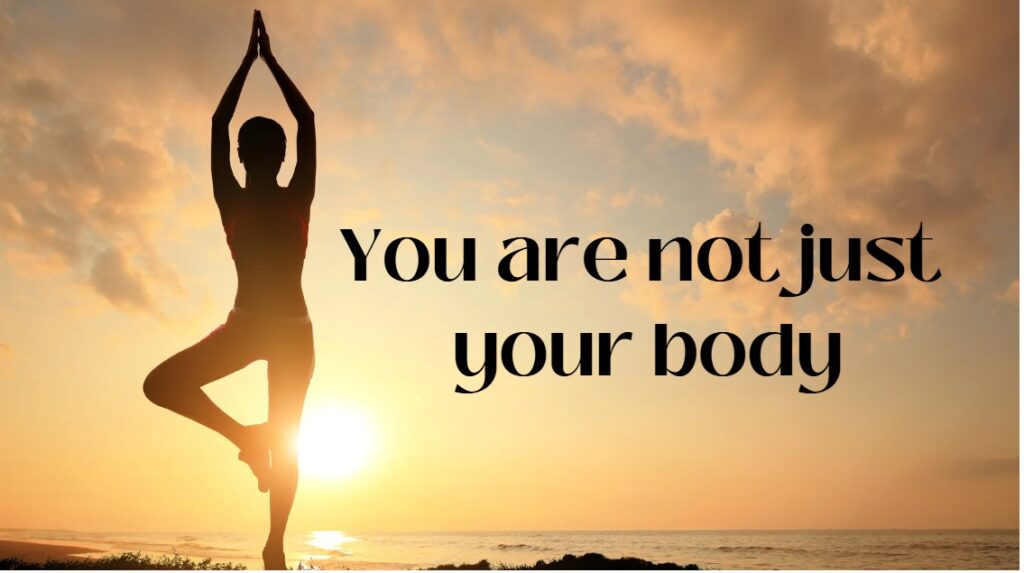
When you walk into a typical yoga studio, you’ll likely see people stretching, breathing, and moving through various poses. But this physical practice, known as asana, represents just one small piece of a much larger philosophical puzzle. True yoga philosophy teaches us that our identity extends far beyond our physical body, job title, relationships, and even our thoughts and emotions.
The word “yoga” comes from the Sanskrit root “yuj,” meaning “to unite” or “to join.” This union refers to the connection between your individual consciousness and universal consciousness, between your perceived separate self and your true nature. This concept might sound abstract at first, but it has practical implications for how you see yourself every single day.
Traditional yoga philosophy suggests that much of our suffering comes from a case of mistaken identity. We identify ourselves with things that are temporary and constantly changing – our appearance, our achievements, our moods, our circumstances. But underneath all these surface-level identifications lies something unchanging and eternal: your true self.
This understanding begins to shift your self-perception from “I am my problems” to “I am experiencing problems.” From “I am anxious” to “I am experiencing anxiety.” This subtle but powerful distinction creates space between you and your temporary experiences, allowing you to respond rather than react to life’s challenges.
Understanding the Layers of Your Identity
One of the most practical concepts in yoga philosophy for developing self-awareness is the teaching of the five koshas, or layers of being. Think of these as different dimensions of yourself, like nested dolls, each one revealing deeper aspects of who you are.
The Physical Layer
The first layer is your physical body, including your muscles, bones, organs, and all the systems that keep you alive. This is the most apparent aspect of yourself, the one you see in the mirror and the one that experiences physical sensations. While this layer is essential for health and well-being, yoga philosophy teaches that you are not just your body.
Many people struggle with body image issues because they over-identify with this physical layer. When you understand that your body is simply one aspect of your being – like a vehicle that carries you through life – you can develop a healthier, more balanced relationship with it. You can appreciate your body for what it does rather than constantly judging it for how it looks.
The Energy Layer
The second layer involves your vital energy, breath, and the subtle sensations that flow through your body. This includes your breathing patterns, energy levels, and overall sense of vitality throughout the day. When you pay attention to this layer, you begin to notice how your energy shifts based on your thoughts, emotions, activities, and environment.
Understanding this energetic dimension of yourself helps you recognize that you have more control over your state of being than you might think. Simple practices like conscious breathing, spending time in nature, or engaging in energizing activities can significantly impact how you feel about yourself and your capabilities.
The Mental and Emotional Layer
The third layer encompasses your thoughts, emotions, beliefs, and mental patterns. This is where most people spend the majority of their conscious awareness, often getting caught up in the endless stream of cognitive activity. Yoga philosophy teaches that while thoughts and emotions are natural and essential, they are not your true identity.
This understanding can be revolutionary for your self-perception. Instead of saying “I am depressed” or “I am not smart enough,” you learn to observe these mental states as temporary experiences. You begin to develop what psychologists call “metacognition” – the ability to think about your thinking – which creates space for choice in how you respond to your mental and emotional experiences.
The Wisdom Layer
The fourth layer represents your deeper intelligence, intuition, and inner knowing. This is the part of you that sometimes “just knows” something without logical reasoning, that feels drawn to specific paths or people, that recognizes truth when you encounter it. Many people have lost touch with this layer because of over-reliance on rational thinking and external validation.
Developing awareness of this wisdom layer changes how you make decisions and how you trust yourself. Instead of constantly seeking approval from others or getting paralyzed by overthinking, you learn to access your inner guidance system and develop confidence in your own judgment.
The True Self Layer
The deepest layer represents your essential nature – what yoga philosophy calls your “true self.” This is the part of you that remains constant despite all the changes in your body, energy, thoughts, and circumstances. It’s the awareness that observes all your experiences without being changed by them.
Connecting with this layer doesn’t require any notable achievements or qualifications. It’s always present, simply waiting for you to recognize it. This recognition fundamentally shifts your self-perception from seeking worthiness to knowing you are inherently whole and complete.
Practical Applications for Daily Life

Understanding these philosophical concepts intellectually is one thing, but applying them to transform your daily experience is where the real magic happens. Yoga philosophy offers practical tools that you can use whether you ever set foot on a yoga mat or not.
Observing Without Judging
One of the most transformative practices involves learning to observe your thoughts, emotions, and reactions without immediately judging them as good or bad. This develops what yoga philosophy calls “witness consciousness” – the ability to step back and watch your experience with curiosity rather than criticism.
Try this simple exercise: Throughout your day, notice when you catch yourself in negative self-talk. Instead of trying to stop these thoughts or judge yourself for having them, observe them with friendly curiosity. You might say to yourself, “Interesting, there’s that critical voice again,” or “I notice I’m feeling frustrated right now.” This practice gradually weakens the grip of negative self-perception patterns.
Questioning Your Stories
Yoga philosophy encourages you to examine the stories you tell yourself about who you are and what you’re capable of. Many of these stories were formed early in life and may no longer serve you. The practice involves gently questioning these narratives: “Is this story really true?” “Where did this belief come from?” “How does holding onto this belief serve me?”
For example, if you’ve always thought of yourself as “not athletic,” you might explore where this belief originated. Perhaps it came from a childhood experience or from comparing oneself to others. By questioning this story, you create space to discover new aspects of yourself and to try activities you previously avoided.
Practicing Self-Compassion
Traditional yoga philosophy emphasizes ahimsa, or nonviolence, including how you treat yourself mentally and emotionally. Many people are far more critical of themselves than they would ever be toward a friend facing similar challenges. Developing self-compassion changes your internal dialogue and creates a more supportive relationship with yourself.
When you make a mistake or face a setback, try speaking to yourself as you would to a beloved friend. Acknowledge the difficulty without adding layers of self-criticism. This practice gradually shifts your self-perception from harsh critic to supportive ally.
The Ripple Effects of Transformed Self-Perception
As you begin to apply yoga philosophy to develop greater self-awareness and shift your self-perception, you’ll likely notice changes that extend far beyond your personal experience. When you stop seeking constant validation from others, your relationships become more authentic. When you recognize your inherent worth, you make choices that align with your values rather than trying to please everyone around you.
Your professional life may shift as well. Instead of taking criticism as a personal attack on your identity, you can receive feedback as information about specific behaviors or outcomes. This allows you to learn and grow without your self-worth hanging in the balance. You may find yourself taking on new challenges not to prove your worth but to express your capabilities and interests.
Even your physical health can improve as you develop a more balanced relationship with your body. Instead of punishing your body for not meeting specific standards, you can appreciate it for its strength and care for it as you would any precious possession. This often leads to more sustainable, healthy habits motivated by self-care rather than self-criticism.
Beginning Your Journey with Yoga Philosophy
If you’re intrigued by these concepts and want to begin incorporating yoga philosophy into your life, remember that this is a gradual process of discovery rather than a quick fix. Start with small, consistent practices rather than trying to transform everything at once.
Consider setting aside a few minutes each day for self-reflection. You might journal about your experiences with the different layers of your identity, notice patterns in your self-talk, or sit quietly and observe your thoughts without trying to change them. Many people find that even five minutes of this kind of self-awareness practice begins to create noticeable shifts in how they relate to themselves.
Reading classical yoga texts like the Yoga Sutras of Patanjali or the Bhagavad Gita can deepen your understanding, but don’t feel pressured to become a scholar. The most crucial aspect is applying these teachings to your lived experience and noticing what resonates with your self-discovery journey.
Remember that this path of self-awareness and transformed self-perception is not about achieving perfection or reaching some final destination. It’s about developing a more conscious, compassionate, and authentic relationship with yourself. Some days you’ll feel more connected to these teachings than others, and that’s perfectly natural. The goal is progress, not perfection.
Step into Zen Essentials, where thoughtfully chosen yoga accessories help you move with ease, breathe with intention, and practice with presence.
Your Authentic Self Awaits
Yoga philosophy offers a time-tested roadmap for rediscovering who you truly are beneath all the layers of conditioning, expectations, and limiting beliefs you may have accumulated over the years. By understanding the different dimensions of your being and identifying with your deeper, unchanging essence rather than your temporary experiences, you can develop unshakeable self-confidence and inner peace.
This journey of self-discovery through yoga philosophy isn’t always easy, but it’s profoundly rewarding. As you begin to see yourself more clearly and compassionately, you’ll find that life becomes richer, relationships more meaningful, and challenges more manageable. You’ll discover that the person you’ve been seeking to become has been there all along, simply waiting for you to recognize and embrace your authentic self.
The beautiful thing about this ancient wisdom is that it’s completely accessible to you right now, regardless of your background, beliefs, or circumstances. Your journey of self-awareness can begin with your very next breath, your next moment of conscious observation, and your next choice to treat yourself with kindness and curiosity. The yoga philosophy that changes how you see yourself is not just about understanding concepts – it’s about coming home to who you truly are.
For more soulful stories and mindful living insights, explore The Zen Blog — your space for travel reflections, wellness tips, and everyday calm.
✨ Join The Zen Journal community — get fresh yoga and wellness insights straight to your inbox ✨