
Yoga Hack for Sleep – Beat Stress Naturally in Just 7 Days
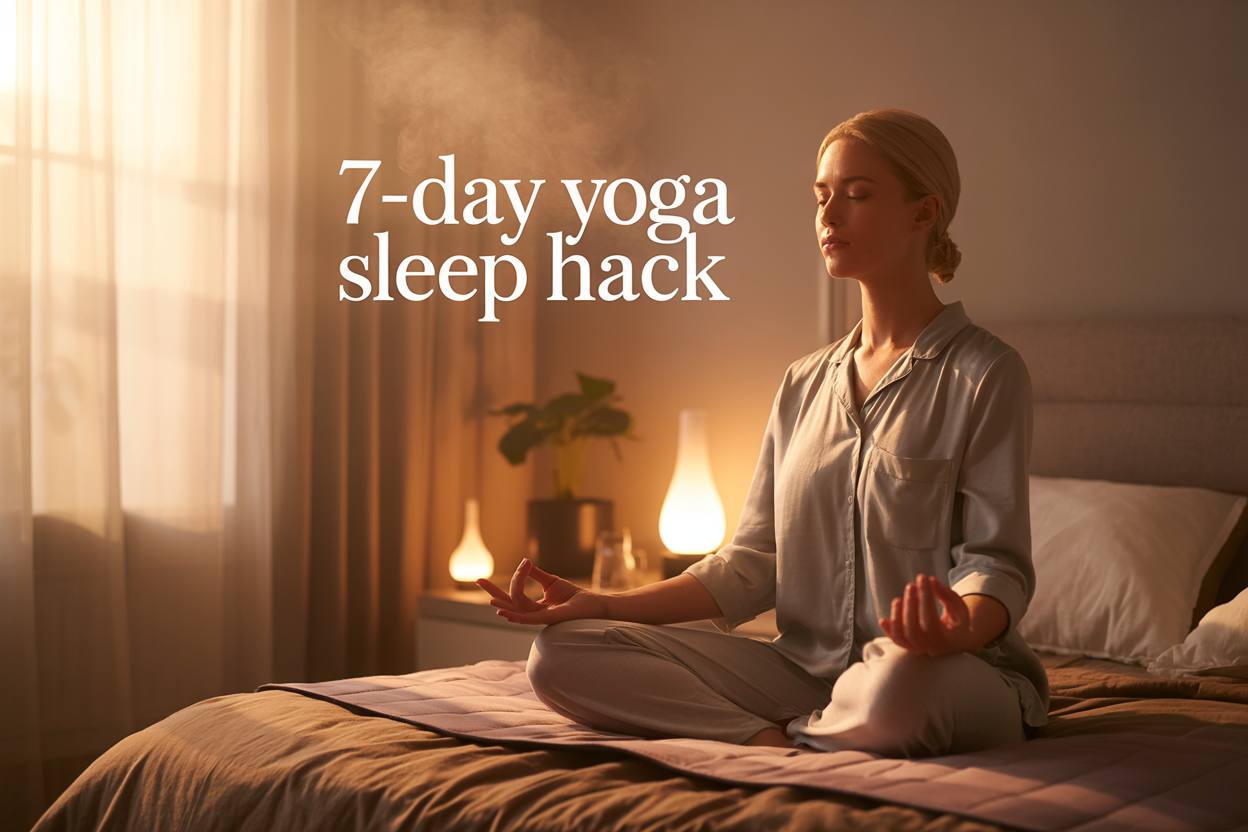
Struggling to fall asleep because stress keeps your mind racing? You’re not alone – millions of people toss and turn each night, caught in the exhausting cycle of anxiety and sleeplessness. But here’s the good news: you can break free from this pattern using simple yoga techniques that naturally calm your nervous system and prepare your body for deep, restorative sleep.
This comprehensive guide is designed for anyone tired of counting sheep and ready to discover how ancient yoga wisdom can transform your nights. Whether you’re dealing with work stress, family pressures, or can’t seem to quiet your busy mind, these proven strategies will help you create the peaceful bedtime routine you’ve been searching for.
Over the following seven sections, we’ll explore how to master your sleep foundation for optimal rest by creating the perfect environment and timing for recovery. You’ll also learn to harness the power of breath for instant calm, discovering specific breathing techniques that signal your body it’s time to wind down and release the day’s tensions.
Ready to trade restless nights for rejuvenating sleep? Let’s dive into these natural, accessible methods that work with your body’s own healing mechanisms to beat stress and reclaim your rest.
For more beginner‑friendly routines and mindful practices, explore the Yoga Hub — your space for accessible flows and soulful guidance.
Master Your Sleep Foundation for Optimal Rest
Achieve 8 Hours of Quality Sleep Nightly
Your body requires adequate sleep to manage stress and restore its natural balance effectively. Research consistently shows that quality sleep forms the cornerstone of stress relief, making those precious 8 hours non-negotiable for your wellbeing. When you’re sleep-deprived, your body’s stress response remains activated, making it increasingly difficult to achieve the relaxation necessary for restorative rest.
Chronic insomnia affects nearly a third of adults, creating a vicious cycle where stress prevents sleep, and lack of sleep amplifies stress. Your goal should be consistent, uninterrupted sleep that allows your body to complete its natural restoration processes. This means prioritising both sleep duration and quality, ensuring you’re not just spending time in bed but actually achieving deep, restorative sleep phases.
To consistently reach this 8-hour target, you’ll need to account for the time it takes you to fall asleep. If you typically need 30 minutes to drift off, plan for 8.5 hours in bed. Track your sleep patterns for a week to understand your personal sleep needs and adjust accordingly.
Create the Perfect Sleep Environment
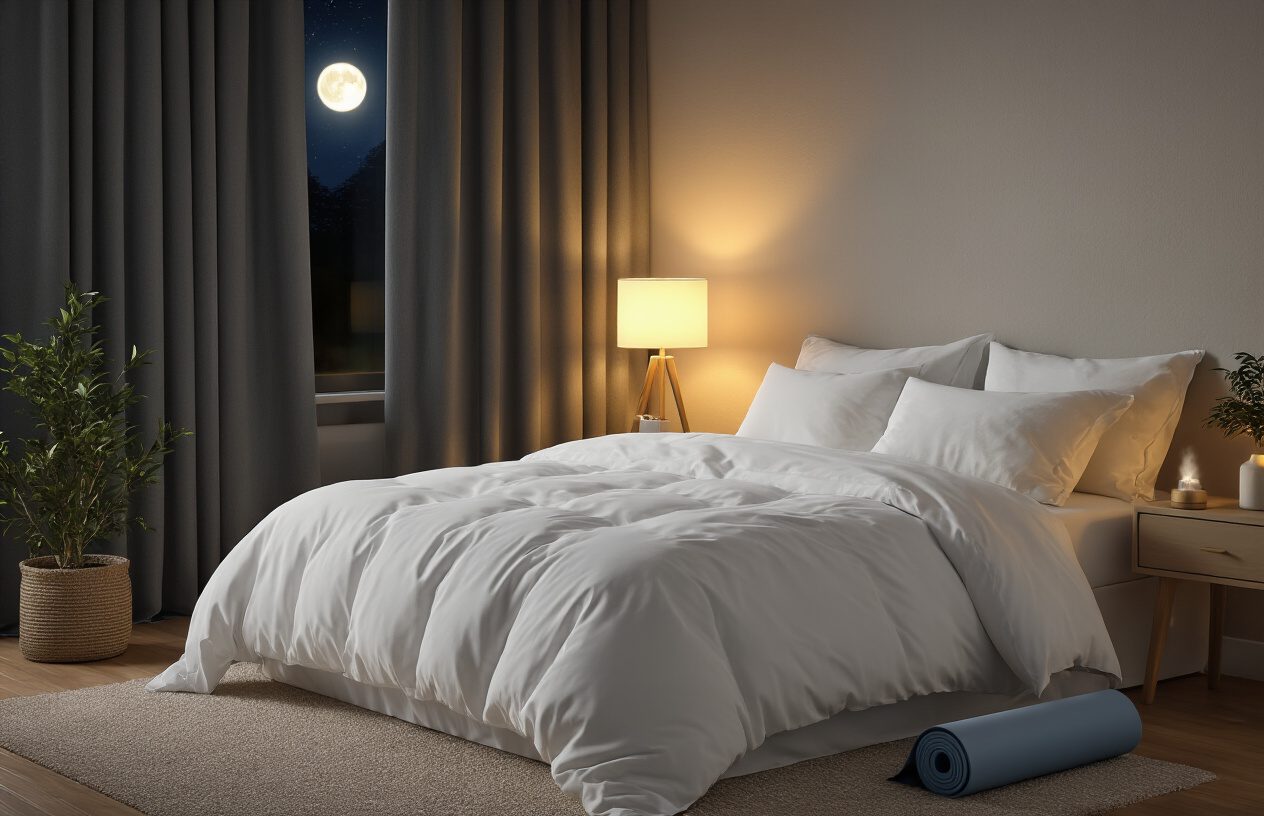
Your sleep environment directly impacts your ability to activate the body’s natural relaxation response and counteract stress. A quiet, dark, and comfortably cool bedroom free of distractions is essential for avoiding sleep disruptions that can trigger your stress response throughout the night.
Temperature plays a crucial role in your sleep quality. Your bedroom should be comfortably cool, as your body temperature naturally drops as you prepare for sleep. This temperature reduction signals to your circadian rhythm that it’s time to rest, making it easier to transition from your active, stressed state to a calm, sleep-ready condition.
Eliminate sources of blue light exposure before bedtime, as light from electronics, including phones, computers, and TVs, can interfere with your circadian rhythm. The blue light from these devices tricks your brain into thinking it’s still daytime, suppressing melatonin production and keeping your stress hormones elevated. Set these devices aside in the hours before sleep to allow your natural relaxation processes to take over.
Create a sanctuary that signals to your mind that this space is dedicated to rest and recovery. Remove work materials, exercise equipment, or anything that might trigger thoughts about daily stressors. Your bedroom should be associated exclusively with sleep and relaxation.
Establish Consistent Sleep-Wake Cycles
Your circadian rhythm thrives on consistency, and maintaining regular sleep-wake cycles is one of the most powerful ways to manage stress naturally. Even on weekends, research demonstrates that consistent wake times are a crucial component of good sleep hygiene and stress management.
When you maintain irregular sleep schedules, you disrupt your body’s natural rhythm, making it harder to activate the relaxation response at bedtime. Your stress hormones remain elevated, and your body struggles to distinguish between active and rest periods. This inconsistency perpetuates the cycle of stress and poor sleep.
Establish a fixed bedtime and wake time that you can maintain every day of the week. Your body will begin to anticipate these transitions, naturally preparing for sleep by reducing stress hormones and activating calming processes. This biological preparation makes falling asleep easier and improves the quality of your rest.
Consider your natural chronotype when setting these times. Some people are naturally early risers, while others function better with later schedules. Please work with your natural tendencies rather than against them, but once you’ve identified your optimal schedule, stick to it religiously. Consistency is more important than the exact times you choose, as your body needs predictability to manage stress effectively through proper sleep cycles.
Harness the Power of Breath for Instant Calm
Practice Deep Breathing Throughout the Day
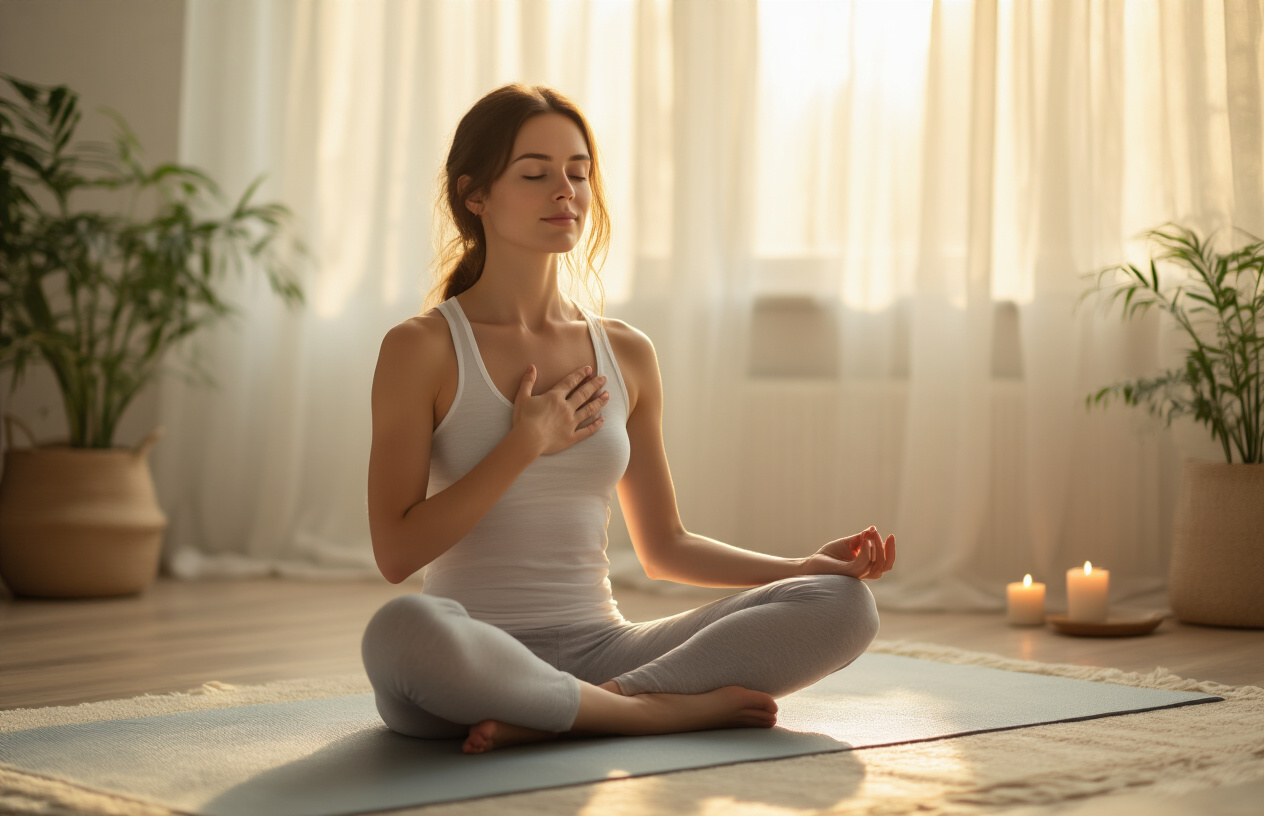
You can transform your stress levels by incorporating simple breathing exercises into your daily routine, requiring just 2 to 5 minutes to start. Begin by setting aside specific times throughout the day to focus on your breath, gradually increasing the duration as the exercises become more comfortable and natural.
Choose any comfortable position – standing, sitting in a supportive chair, or lying on a bed or yoga mat. Make yourself as comfortable as possible, loosening any clothing that restricts your breathing. If you’re lying down, place your arms slightly away from your sides, palms up, and let your legs be straight or bend your knees, with your feet flat on the floor.
Practice the foundational deep breathing technique by allowing your breath to flow deep into your belly without forcing it. Breathe in gently through your nose and out through your mouth, counting steadily from 1 to 5 for each inhale and exhale. You may not reach the complete count initially, and that’s perfectly normal. Continue this pattern for at least 5 minutes to experience the calming benefits.
For more targeted stress relief throughout your day, try pursed lip breathing during activities like bending, lifting, or climbing stairs. Relax your neck and shoulders, inhale slowly through your nose for two counts, then pucker your lips as if whistling and exhale through pursed lips for four counts.
Use Breath Awareness to Combat Stress
Now that you’ve established a foundation with basic breathing, you can actively harness breath-focused techniques to combat stress and anxiety. This powerful method combines deep breathing with imagery and focus words that create waves of calm throughout your body.
Start by sitting or lying in a comfortable position and bring awareness to your natural breathing without trying to change it. Alternate between regular and deep breaths, noticing how your abdomen expands more with deep inhalations than with shallow breathing. Place one hand below your belly button and observe how it rises with each inhale and falls with each exhale.
Choose a focus word that promotes relaxation – “peace,” “let go,” or “relax” works well. As you practice deep breathing, imagine that the air you inhale brings waves of peace and calm throughout your body, mentally saying, “Inhaling peace and calm.” With each exhale, visualise washing away tension and anxiety while thinking “Exhaling tension and anxiety.” Let out a loud sigh with each exhale to enhance the release.
Begin with 10-minute sessions and gradually increase to at least 20 minutes for maximum benefit. This breath awareness technique helps you quickly shift from stressed to calm states, making it an essential yoga hack for better sleep and stress relief.
Transform Your Nervous System with Breathing Techniques
With consistent practice, specific breathing techniques can fundamentally transform how your nervous system responds to stress. Research shows that certain yoga breathing practices can enhance cardiovascular function, lower heart rate, and improve mental well-being while increasing oxygen supply to your brain and lungs.
Try resonant or coherent breathing: inhale and exhale for a count of 5, achieving a rate of 5 full breaths per minute. This technique maximises your heart rate variability, reduces stress, and, when combined with yoga practice, can help reduce symptoms of depression. Continue this pattern for several minutes to experience deep relaxation.
For immediate stress relief, practice alternate nostril breathing (Nadi Shodhana). Using your right hand, close your right nostril with your thumb after an exhale, inhale through your left nostril, then close the left nostril with your ring and pinky fingers. Release your thumb and exhale through the right nostril. This creates one complete cycle – continue for up to 5 minutes to balance your nervous system.
Equal breathing (Sama Vritti) is another powerful technique in which you make your inhales and exhales the same length, typically 3 to 5 counts. This creates balance and equanimity in your nervous system. Once you are comfortable with seated practice, you can incorporate this breathing into daily activities or your yoga practice.
For instant calm, especially around your forehead area, try humming bee breath. Close your eyes, place your first finger on the tragus cartilage covering your ear canal, inhale, then gently press your fingers into the cartilage as you exhale while making a loud humming sound with your mouth closed.
Optimise Your Body’s Natural Rhythms
Implement 12-Hour Overnight Fasting.
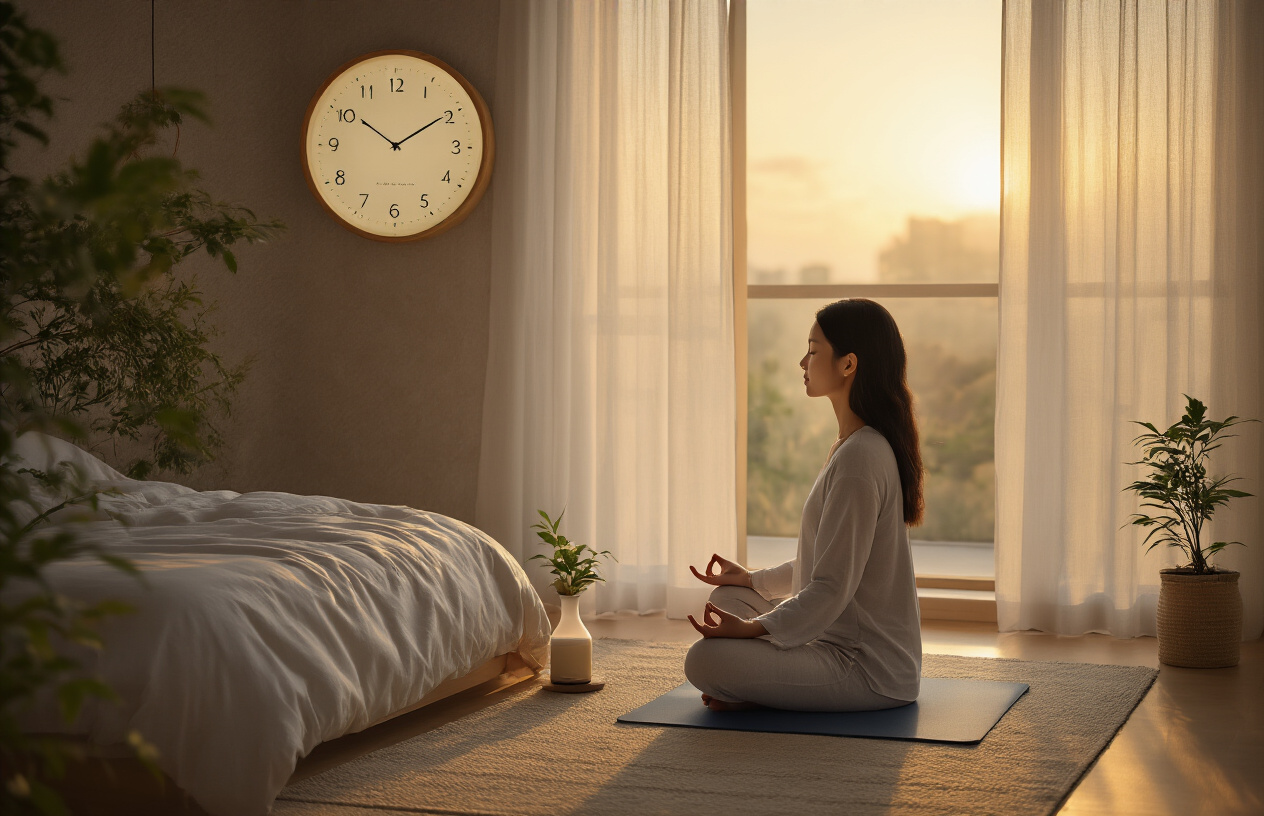
Your circadian rhythm operates on a precise 24-hour schedule, orchestrating everything from hormone release to digestive processes. Now that we’ve covered breathing techniques for instant calm, implementing a 12-hour overnight fasting window becomes crucial for optimising your body’s natural rhythms and enhancing your yoga practice for sleep and stress relief.
Research demonstrates that meal timing directly regulates your circadian system. When you eat later, you shift your circadian rhythms, disrupting your natural sleep-wake cycle. By establishing a consistent 12-hour overnight fast, you help your digestive system align with your body’s internal clock, promoting better sleep quality and reduced stress levels.
Your endocrine system controls hormones like cortisol that regulate energy expenditure, while your digestive system produces proteins to match the timing of your meals. When these systems work in harmony through proper fasting intervals, you create an optimal environment for restorative sleep and natural stress management.
Support Digestive Health Through Timed Eating
Your digestive system operates according to circadian rhythms, with specific proteins and enzymes released at predictable times throughout your 24-hour cycle. To beat stress naturally and improve your sleep quality, focus on eating your largest meals during daylight hours when your digestive system functions most efficiently.
The research shows that eating breakfast immediately upon waking and avoiding late dinners helps shift your circadian rhythms earlier, supporting your goal of achieving better sleep. Your body’s internal conductor – the suprachiasmatic nucleus in your brain – coordinates these digestive processes with your sleep-wake cycle.
When you maintain consistent meal times, you’re essentially training your body’s various systems to work harmoniously. This synchronisation reduces the stress on your digestive system during nighttime hours, allowing your body to focus its energy on repair and restoration during sleep.
Enhance Sleep Quality with Proper Meal Timing
With this understanding of how meal timing affects your circadian rhythm, you can strategically improve your sleep quality by scheduling your meals properly. Your circadian rhythm coordinates the physical and mental systems throughout your body, including when certain hormones are released and when you feel hungry.
If you want to wake up earlier and establish a healthier sleep schedule, begin eating earlier in the day. Conversely, eating later can shift your circadian rhythms, potentially disrupting your natural sleep patterns and increasing stress levels.
Your body sets your circadian rhythm naturally, but external factors like food intake can significantly affect it. By aligning your eating schedule with your desired sleep schedule, you create a powerful yoga hack for sleep that works from the inside out. This approach supports your body’s natural tendency to feel tired at appropriate times, making your evening yoga practice more effective for stress relief.
Maintain consistency in your meal timing just as you would with your yoga practice – eat meals at the same time each day to reinforce your circadian rhythm and optimise your body’s natural capacity for restful sleep and stress management.
Incorporate Movement for Physical and Mental Wellness
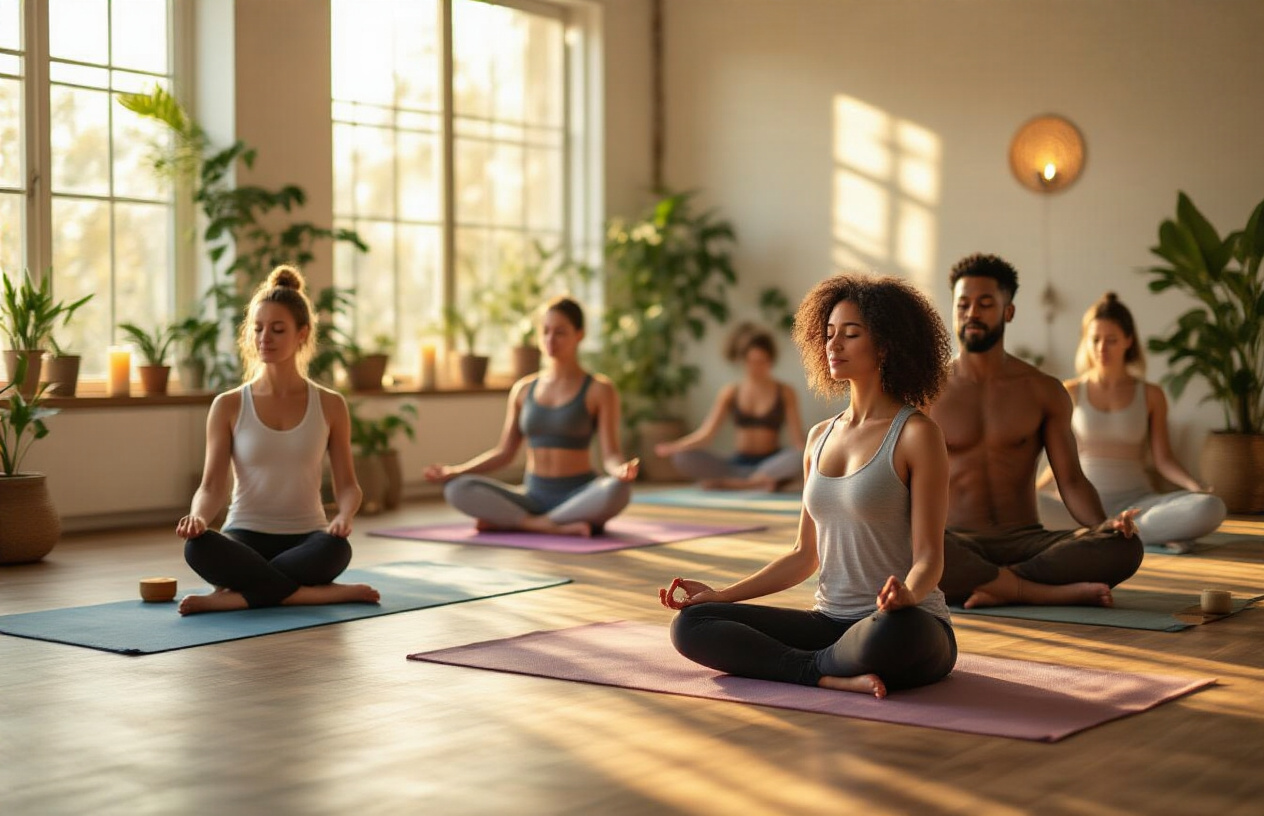
Walk 10,000 Steps Daily for Free Exercise
Walking is one of the most accessible forms of physical activity, and it can dramatically improve your sleep quality and provide natural stress relief. When you commit to walking 10,000 steps daily, you’re engaging in moderate-intensity exercise that research shows can help you sleep an average of 15 minutes longer than those who don’t exercise regularly. This simple movement practice increases your body’s melatonin production, the hormone that regulates your sleep-wake cycles, making it easier for you to fall asleep naturally.
Your daily walking routine is a powerful stress reliever, eliminating one of the most common barriers to quality sleep. As you walk, your body temperature rises during the activity and then drops 30-90 minutes afterwards, creating the perfect physiological conditions for sleepiness. The beauty of this yoga hack for sleep lies in its simplicity – you don’t need expensive equipment or gym memberships to reap these benefits.
For optimal results, aim to complete your walking sessions in the morning or afternoon rather than late evening. Studies indicate that exercising 4-7 times per week provides the most significant improvements in sleep quality, so consistency with your daily steps will yield the best stress-relief benefits.
Boost Energy with Simple Body Shaking and Tapping
Now that we’ve covered the foundation of walking, let’s explore how gentle movement techniques can boost your energy and prepare your body for better sleep. Simple body-shaking and tapping movements are effective stress-relief tools that activate your body’s natural relaxation response. These techniques fall under the category of moderate-intensity physical activity, which research shows can significantly improve sleep quality in people with insomnia.
When you incorporate shaking and tapping into your routine, you’re engaging in movement that helps regulate your body’s stress response system. This type of gentle physical activity has been shown to improve mood and create positive feedback loops that enhance both your enthusiasm for movement and your overall sense of well-being. The rhythmic nature of these movements helps reduce the negative affect and tiredness that often accumulate throughout your day.
Practice these techniques for just a few minutes daily, focusing on different body parts – shake out your hands, arms, and legs, then use gentle tapping motions on your torso and limbs. This approach aligns with WHO recommendations for regular physical activity while being gentle enough to practice even in the evening hours without disrupting your sleep patterns.
Add Qi Gong Movements to Your Daily Routine
With this foundation of walking and gentle movement established, incorporating Qi Gong into your daily routine represents the perfect complement to your yoga hack for sleep strategy. These flowing movements provide moderate-intensity exercise, which studies have shown to be effective for reducing sleep disorders and improving overall sleep health. Qi Gong movements are particularly effective for stress relief because they combine gentle physical activity with mindful breathing.
Research demonstrates that regular physical activity like Qi Gong can decrease your risk of developing sleep disorders, including insomnia, sleep apnea, and restless legs syndrome. When you practice these movements consistently, you’re engaging in moderate-intensity exercise that helps regulate your body’s natural rhythms while promoting the relaxation needed for quality sleep.
The flowing nature of Qi Gong movements makes them ideal for practising 3-6 times weekly, aligning perfectly with research showing that this frequency provides optimal sleep quality benefits. These movements help reduce the severity of sleep disturbances while enhancing your overall wellness and mood. Unlike high-intensity exercises that might interfere with sleep when performed in the evening, Qi Gong’s gentle approach makes it suitable for various times of day while still delivering the physical activity benefits your body needs for natural stress relief and improved sleep quality.
Build Your Daily Yoga Practice for Stress Relief
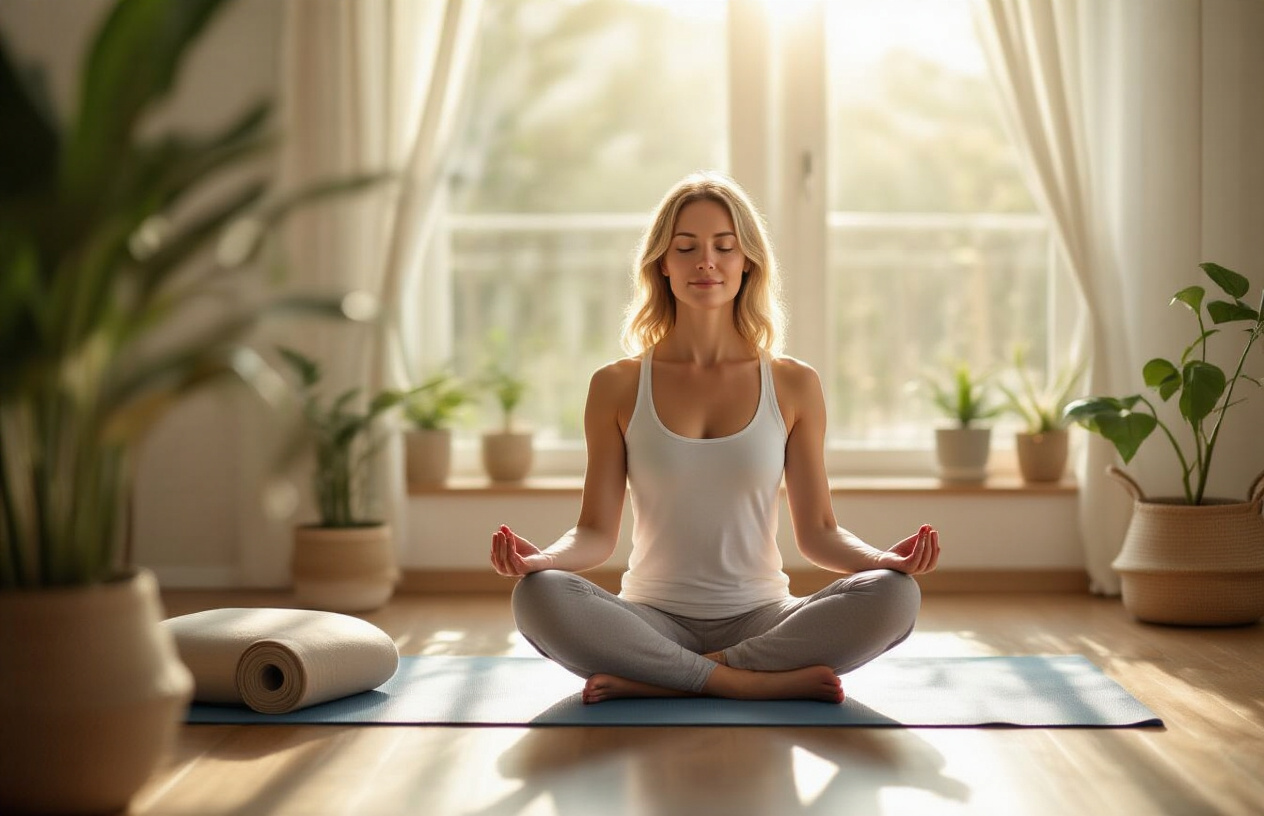
Start with Simple Poses Like Child’s Pose
Previously, we’ve explored how optimising your body’s natural rhythms sets the foundation for better sleep. Now that we have covered the importance of breath and natural cycles, it’s time to build your practical yoga toolkit with simple, accessible poses that deliver immediate stress relief.
Child’s pose (Balasana) is one of the most effective, beginner-friendly positions for calming both your body and mind. This gentle resting posture helps stretch your lower back and hips while releasing accumulated tension from your day. The beauty of child’s pose lies in its simplicity—you can practice it anywhere, whether on your bedroom floor or directly in bed.
To practice child’s pose effectively, kneel with your toes together and knees hip-width apart. Exhale as you lower your torso between your knees, then extend your arms in front of you, palms down. If this feels uncomfortable, let your arms relax alongside your legs with palms facing upward. Hold this position for 1-3 minutes while breathing deeply, resting your forehead on the floor, a bed, or pillows.
The pose allows you to focus inward, creating the mental wind-down your mind needs before sleep. As you settle into the position, let your body sink into the surface beneath you. Breathe as if drawing air into your belly, then exhale as you feel tension release from your shoulders, neck, and back.
Practice Desk Stretches During Work Hours
With this foundation of simple poses in mind, you can extend your yoga practice into your workday to prevent stress accumulation. Desk stretches become crucial when you’re building a comprehensive approach to stress management, as they address tension before it compounds into sleep-disrupting anxiety.
Simple neck releases work wonders during busy work periods. Slowly turn your head from one side to the other, allowing your shoulders to drop away from your ears. You can also practice gentle spinal movements by sitting tall and slowly rounding your back, then returning to an upright position—similar to a modified cat-cow sequence.
Shoulder rolls provide immediate relief from the hunched posture many of us adopt while working. Roll your shoulders backwards in slow, deliberate circles, focusing on releasing the tension that builds throughout your workday. These micro-practices help prevent the accumulation of physical stress that often interferes with your ability to unwind at bedtime.
Even simple seated twists can be incorporated into your work routine. While sitting in your chair, place one hand behind your hip as a gentle support, then slowly rotate your torso, allowing your spine to lengthen with each breath. These movements help maintain flexibility and prevent the stiffness that can contribute to restless sleep.
Explore Face Yoga for Additional Benefits
Now that we’ve established your foundation with basic poses and workplace stress relief, let’s explore an often-overlooked aspect of yoga practice—face yoga. This specialised approach targets the tension we unconsciously hold in our facial muscles, jaw, and forehead, areas that significantly impact our ability to achieve deep relaxation.
Your face carries more tension than you might realise, especially after stressful days spent concentrating, making decisions, and processing emotions. Face yoga involves gentle movements and stretches specifically designed to release this accumulated tension. Simple practices like slowly opening and closing your mouth, gentle jaw circles, or consciously relaxing your forehead muscles can provide surprising relief.
The connection between facial tension and overall stress response runs deeper than surface-level comfort. When you consciously relax your facial muscles, you send signals to your nervous system that it’s time to shift from a state of alertness to one of rest and restoration. This practice becomes particularly valuable as part of your bedtime routine, helping to release the day’s stress patterns stored in your facial expressions.
Consider incorporating brief face yoga sessions during your wind-down routine. As you practice your evening poses, take moments to soften your jaw consciously, release tension around your eyes, and smooth the muscles across your forehead. These minor adjustments enhance the overall effectiveness of your sleep-focused yoga practice.
Create Home Practice Without Equipment Costs
Previously, I’ve shown you specific poses and techniques, but building a sustainable practice requires addressing practical concerns about cost and accessibility. The beauty of yoga for sleep lies in its simplicity—you need minimal equipment to create an effective home practice that supports your stress relief goals.
Many beneficial poses require nothing more than floor space and perhaps a blanket for comfort. Child’s pose, happy baby pose, and legs-up-the-wall can all be practised without any specialised equipment. Your bed itself becomes a valuable practice space, allowing you to transition seamlessly from your yoga routine directly into sleep.
If you want to enhance your comfort during poses, household items make excellent substitutes for expensive yoga props. Stacked books replace yoga blocks for support in forward bends, while bed pillows provide the same benefits as bolsters in restorative positions. A folded blanket creates the elevation you need for comfortable seated poses, and a towel can serve as a strap for gentle stretches.
The legs-up-the-wall pose, particularly effective for sleep preparation, requires only a wall surface. You can practice this restorative position in your bedroom, with your legs resting against the wall as your body settles into relaxation. If wall access isn’t convenient, rest your calves on your bed or a chair for similar benefits.
Focus on consistency rather than perfection in your setup. Regular practice with simple household items delivers far greater benefits than sporadic sessions with expensive equipment. Your body responds to the regularity of movement, breath awareness, and intentional relaxation—not to the cost of your props.
Connect with Nature for Grounding Benefits
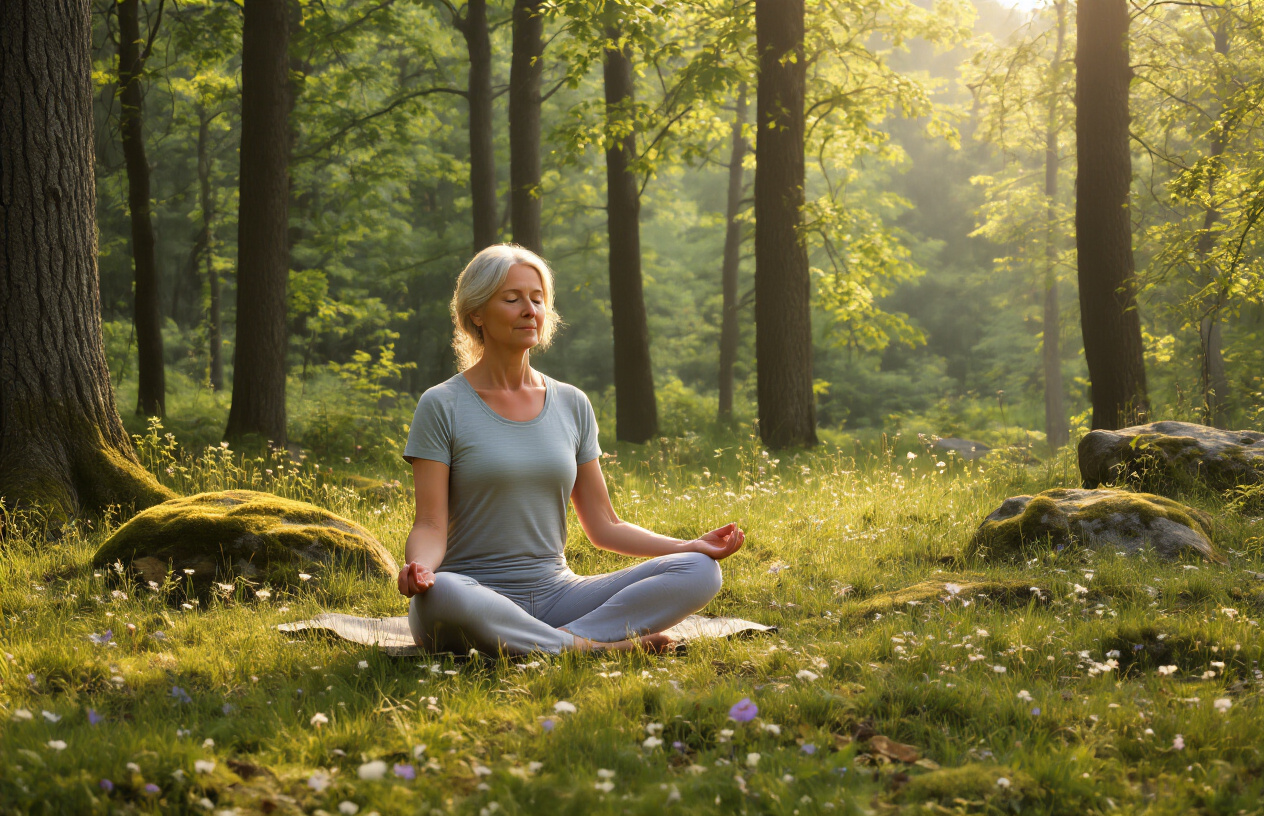
Practice Barefoot Walking on Grass or Sand
Direct contact with the Earth’s surface through barefoot walking represents one of the most fundamental grounding techniques you can incorporate into your daily routine. When you walk barefoot on grass, sand, or soil, your body absorbs electrons from the Earth’s electrically active surface, creating measurable physiological changes that can enhance your sleep quality and reduce stress levels.
Research reveals that sustained contact with the Earth yields sustained benefits for your overall well-being. Walking barefoot enables free electrons from the Earth’s surface to spread over and into your body, acting as natural antioxidants that neutralise harmful free radical molecules. This process helps create an antioxidant microenvironment throughout your body, potentially reducing the inflammation that often disrupts healthy sleep patterns.
You don’t need extensive time outdoors to experience benefits—some studies show that participants began feeling positive effects within just 30 minutes of grounding contact. However, aim for 10 to 20 minutes of barefoot walking daily, or more if your schedule allows. Morning or evening sessions work particularly well, as they can help regulate your circadian rhythm and prepare your body for restful sleep.
Choose safe, clean areas for your barefoot practice, such as your backyard grass, a sandy beach, or a well-maintained park. Be mindful of potential hazards like sharp objects or uneven terrain that could cause injury.
Use Earthing Techniques to Reduce Stress
Beyond traditional barefoot walking, you can harness the benefits of earthing with various grounding products designed for modern lifestyles. These conductive systems include grounding mats, sheets, patches, and specialised footwear that maintain your connection to the Earth’s electrical field even when direct outdoor contact isn’t possible.
Grounding mats offer an excellent solution for indoor stress relief. You can place these mats under your feet while sitting at your desk, meditating, or practising gentle yoga poses. Many people find that sitting on grounding mats during meditation enhances their relaxation response and helps them achieve deeper states of calm.
Grounding sheets provide continuous earthing throughout the night, as they contain conductive materials such as carbon or silver woven into their fibres. When you sleep on these sheets, your body maintains contact with the Earth’s electrons for hours, potentially improving your sleep quality and reducing nighttime cortisol levels. Studies indicate that grounding helps better align cortisol with your natural 24-hour circadian rhythm, which is crucial for healthy sleep-wake cycles.
For targeted stress relief, grounding patches can be attached directly to your skin and connected to a grounding cord. This method allows you to experience the benefits of earthing while remaining stationary, making it ideal for meditation or relaxation practices.
Combine Grounding with Deep Breathing
Integrating deep breathing techniques with grounding practices amplifies the stress-relieving benefits of both approaches. When you combine these methods, you create a powerful synergy that addresses stress from multiple physiological pathways simultaneously.
Position yourself comfortably on the Earth’s surface or on a grounding mat, ensuring good contact between your body and the grounding medium. Begin with slow, intentional breaths, inhaling for four counts and exhaling for six counts. As you breathe deeply, visualise the Earth’s healing electrons flowing into your body, neutralising stress-related inflammation and calming your nervous system.
This combination works particularly well because grounding affects your body’s electrical potential, often dropping it to approximately -200 millivolts, which indicates positive changes in your internal electrical environment. Meanwhile, controlled breathing activates your parasympathetic nervous system, further promoting relaxation and stress reduction.
Practice this combined technique for at least 15-20 minutes daily, preferably during the same time each day to establish a consistent routine. You can practice this outdoors on natural surfaces or indoors with grounding products. The key is maintaining both physical contact with the grounding medium and conscious control of your breathing pattern.
Research suggests that grounding produces measurable differences in immune markers and inflammatory responses, while deep breathing enhances these effects by promoting optimal oxygen flow and nervous system balance. Together, these practices create an ideal foundation for improved sleep quality and natural stress management.
Feed Your Mind with Continuous Learning
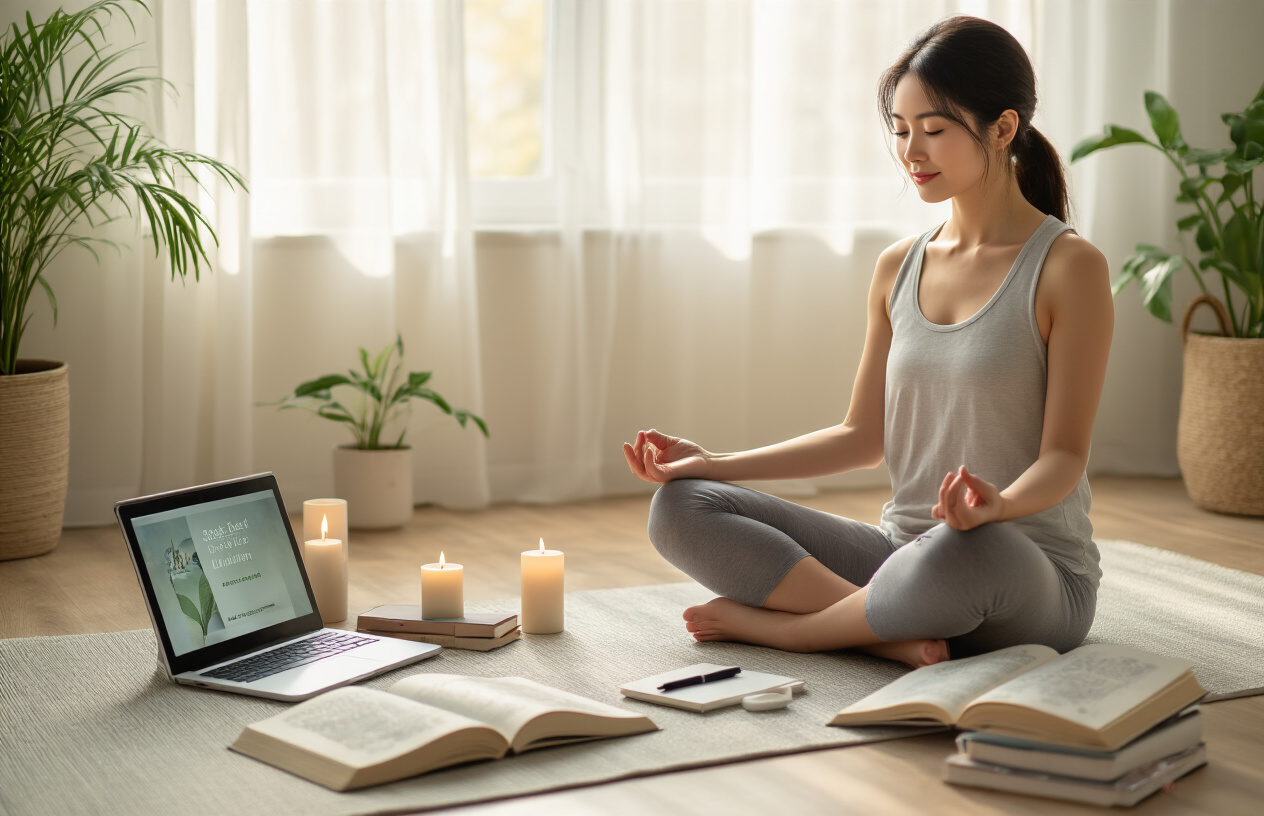
Listen to Educational Podcasts Weekly
Now that we’ve established the importance of physical practices for better sleep, it’s time to explore how feeding your mind can become a powerful stress-reducing tool. Educational podcasts offer an excellent way to shift your focus away from daily stressors while engaging your mind in meaningful learning. When you choose podcasts that teach relaxation techniques, mindfulness meditation, or sleep improvement strategies, you’re essentially training your brain to associate learning with calm rather than anxiety.
Research shows that activities which activate your body’s natural relaxation response can significantly improve sleep quality by reducing stress hormones like cortisol and adrenaline. By dedicating time weekly to educational content about stress relief techniques, you’re creating a structured approach to mental wellness that complements your yoga practice perfectly.
Choose Free Content for Personal Growth
With countless free resources available, you can easily find content that aligns with your stress relief goals without adding financial pressure to your routine. Look for podcasts or online content that focus on meditation techniques, progressive muscle relaxation, or gentle breathing exercises – all proven methods for improving sleep and reducing nighttime anxiety.
Free guided meditation content is particularly valuable because it provides verbal guidance to help you visualise calming places and practice mindfulness. These resources often incorporate music and nature sounds that assist with relaxation, making them perfect companions to your evening routine. You can access guided imagery sessions that encourage you to imagine peaceful places, helping your mind transition from the day’s stresses to a more relaxed state.
Make Learning a Stress-Reducing Activity
The key to transforming learning into a stress-relief tool lies in choosing content that promotes relaxation rather than stimulation. Instead of consuming high-energy or anxiety-inducing material before bed, focus on educational content that teaches you practical stress management techniques. This approach helps break the vicious cycle where stress causes sleepless nights, which then creates more stress the following day.
Consider incorporating meditative movement practices, such as yoga, tai chi, or qigong, into your learning routine. These practices combine the attentiveness of meditation with gentle physical movement and focused breathing, requiring no specialised equipment while being accessible anywhere. By learning about these techniques, you’re expanding your toolkit for managing both physical tensions and mental stress.
Your learning sessions can also include content about sleep hygiene practices, helping you understand how consistent routines and healthy habits promote better rest. This knowledge empowers you to make informed decisions about your evening activities, from limiting blue light exposure to creating optimal sleep environments that support your yoga hack for stress relief.
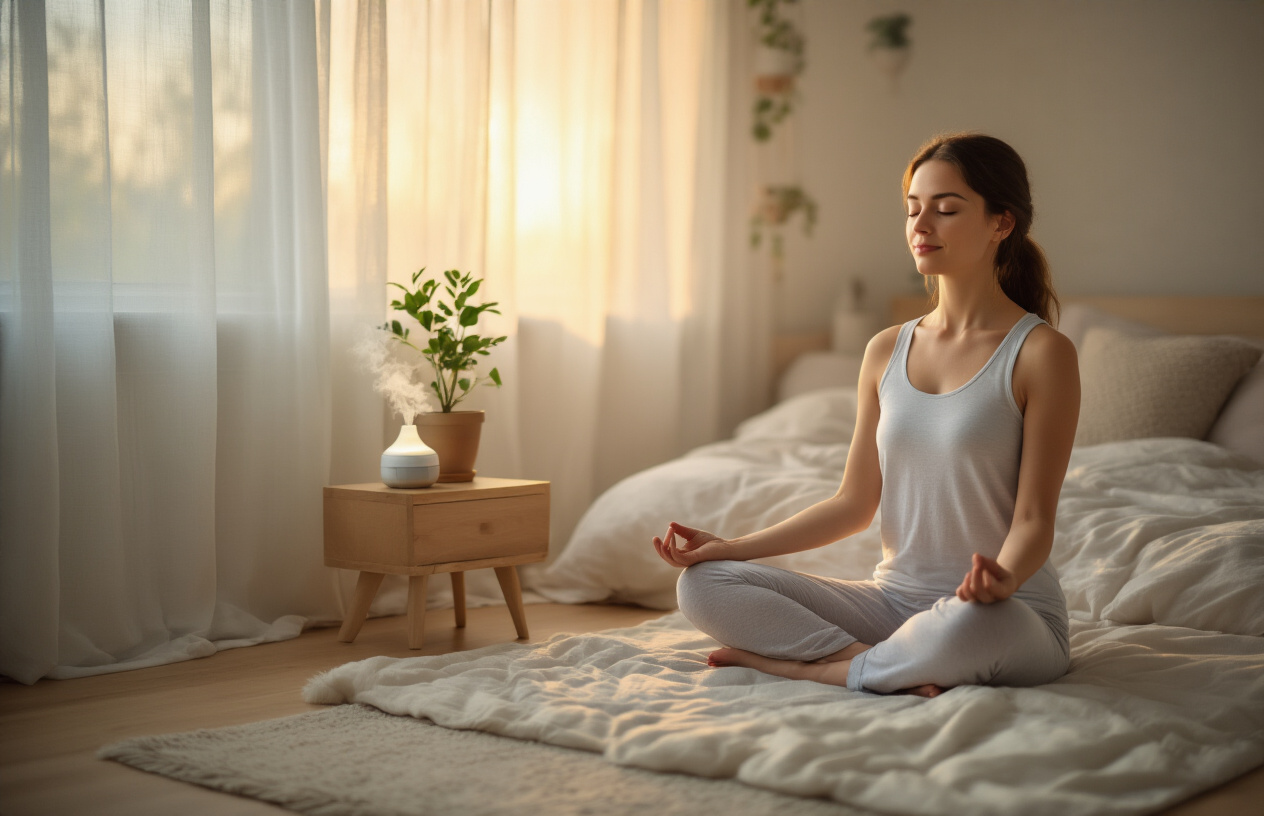
Your journey to better sleep and natural stress relief doesn’t require expensive equipment or complicated routines. The wellness hacks outlined in this guide – from establishing a solid sleep foundation to incorporating daily yoga practice and grounding in nature – are all free, accessible tools that you can start implementing today. Whether it’s taking deep breaths throughout your day, walking 10,000 steps, or spending a few minutes barefoot on grass, these simple practices work together to calm your nervous system and prepare your body for restorative sleep.
Remember, transformation happens one small step at a time. You don’t need to master all these techniques at once – even adding one or two practices to your daily routine can make a significant difference in how you feel within just seven days. The beauty of these natural approaches lies in their simplicity and availability. Your path to better sleep and reduced stress is literally at your fingertips, waiting for you to take that first mindful breath.
For more soulful stories and mindful living insights, explore The Zen Blog — your space for travel reflections, wellness tips, and everyday calm.
Join The Zen Journal community — get fresh yoga and wellness insights straight to your inbox