
I Tried Yoga for Sleep and Stress Relief for 30 Days – Here’s What Changed
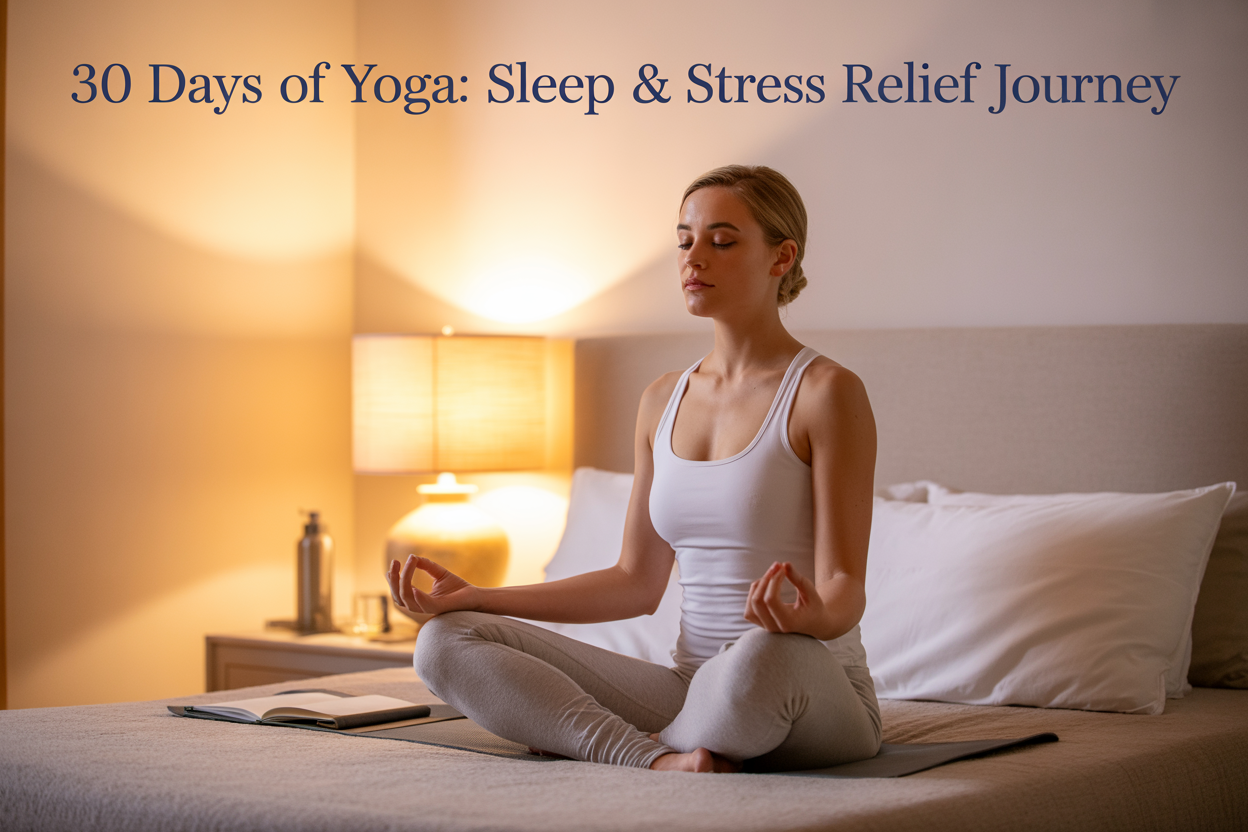
If you’ve been lying awake at night with your mind racing or finding yourself snapping at loved ones over small things, you’re not alone. Millions of people struggle with sleep issues and daily stress, often feeling like they’re stuck in an endless cycle of tension and exhaustion.
I decided to test whether yoga could actually deliver on its promises of better sleep and stress relief by committing to a daily practice for 30 days. As someone who had dabbled in yoga classes but never maintained a consistent routine, I was curious to see what would really happen if I made it a non-negotiable part of my day.
This experiment is perfect for busy professionals, parents, or anyone who feels overwhelmed by daily demands and wants a simple way to feel more centered and rested. You don’t need to be flexible, own expensive equipment, or have hours of free time to benefit from what I discovered.
Over the following sections, I’ll walk you through the fascinating science behind why yoga transforms your mind and body, plus share the four life-changing physical benefits that surprised me most. You’ll also learn the essential poses that work best for beginners and get practical strategies for staying motivated when you’re tempted to skip your practice. By the end, you’ll have everything you need to start your own transformative 30-day journey.
The Science Behind Why Yoga Transforms Your Mind and Body
How Yoga Calms Your Nervous System and Reduces Reactivity
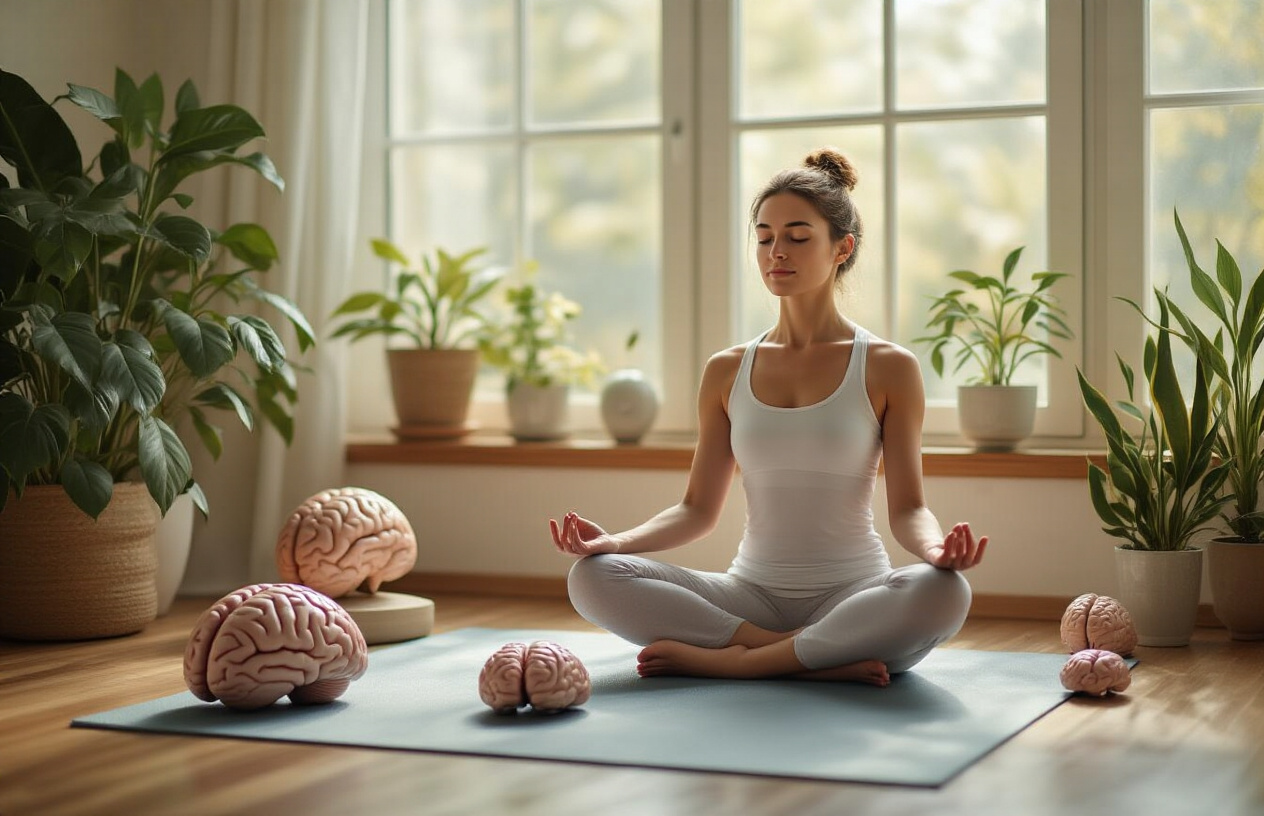
When you practice yoga, you’re directly influencing your autonomic nervous system (ANS) and hypothalamic-pituitary axis (HPA) – your body’s primary stress response systems. While stress is a natural part of life, chronic activation of these systems can lead to dysfunction and contribute to mental health disorders. Yoga works through both top-down and bottom-up processes to create bi-directional communication between your brain and body.
Top-down mechanisms involve conscious, intentional inputs from your brain to your body, such as setting an intention to relax during your practice. Bottom-up processes work differently – signals travel from your muscles, heart, lungs, and other systems directly to different parts of your brain. When you perform yoga postures and breathing exercises, you’re changing the signals that reach your brain, particularly those that assess your sense of safety and well-being.
This dual approach allows yoga to counteract your body’s “fight, flight, or freeze” responses that may persistently arise when you’re facing stress. Research shows that regular yoga practice leads to measurable changes in physiological markers of stress, including cortisol levels, inflammatory cytokines, heart rate variability, and neurotransmitter release.
The Connection Between Breath, Movement, and Mental Clarity
Your breathing patterns serve as a powerful bridge between your mind and body. Yoga includes pranayama – controlled breathing exercises that involve deliberate inhalations and exhalations at specific speeds and intensities. These breathing-based techniques have distinct benefits on your cognitive and neurological functioning.
When you practice yoga breathing exercises like Bhramari Pranayama, you can improve parasympathetic nervous system (PNS) activity, which promotes relaxation and recovery. Studies demonstrate that mindfulness meditation and yoga breathing shift your cardiac autonomic regulation toward parasympathetic dominance, helping you achieve a calmer state.
The physical postures (asana) you practice work synergistically with breath to encourage flexibility, ease stress, and reduce physical discomfort. As you move through different poses, you create specific muscle activation patterns, and the relaxation effects become evident through reduced muscle tension. Your heart rate variability (HRV) – which measures fluctuations in the time between heartbeats – improves with yoga practice, indicating better balance of the autonomic nervous system.
This combination of breath and movement helps reduce the mental fluctuations that create stress. The ancient Sanskrit phrase “yogas chitta vritti nirodhah” translates to “yoga is the calming of mental fluctuations or storms of the mind,” perfectly capturing how these practices work together to create mental clarity.
Research-Backed Benefits for Sleep, Anxiety, and Immune Function
Scientific research using advanced neuroimaging and biometric technologies reveals significant changes in your brain structure and function when you practice yoga regularly. Brain imaging studies show that yoga affects several key areas: the prefrontal cortex (PFC), amygdala, hippocampus, and the default mode network (DMN).
Your prefrontal cortex manages the highest-order cognitive abilities, such as decision-making and goal-setting. Stress and strong emotions can impair your PFC’s functioning, but regular yoga practice increases PFC activation, counteracting these detrimental effects. Simultaneously, yoga influences your amygdala activity – the brain region involved in processing emotions – helping you develop better emotional regulation.
EEG studies reveal that yoga modulates your brainwave activity across different frequency bands. Alpha waves associated with restful wakefulness increase during practices like Sudarshan Kriya and Bhramari pranayama, indicating relaxation. Theta wave activity, which typically increases with mental effort, decreases as parasympathetic activity rises during yoga, marking a shift in your nervous system toward relaxation.
Your default mode network, which is involved in rumination and mind wandering, becomes more regulated through yoga practice. This network is implicated in psychiatric disorders like depression and ADHD, and yoga’s ability to modulate DMN activity contributes to improved mental health outcomes.
Research also shows that yoga may increase your hippocampus volume – the brain region involved with memory and learning that typically decreases with age. Galvanic skin response measurements indicate reduced sympathetic nervous system activation after yoga sessions. At the same time, electromyography (EMG) readings show reduced muscle tension, particularly in stress-prone areas such as the face and trapezius muscles.
For more beginner‑friendly routines and mindful practices, explore the Yoga Hub — your space for accessible flows and soulful guidance.
Setting Up Your 30-Day Daily Yoga Practice for Success
Finding the Right Yoga Style That Matches Your Preferences
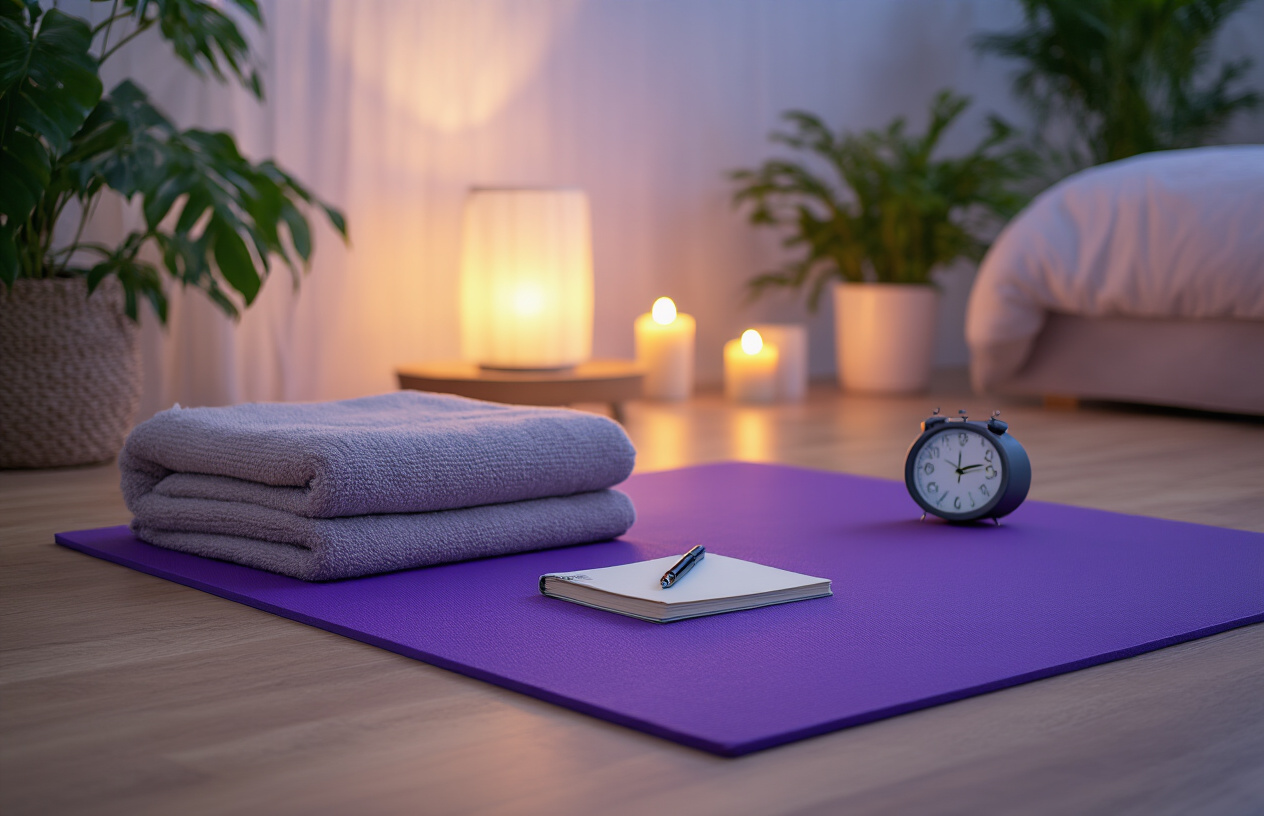
When beginning your 30-day yoga journey, choose a style that resonates with your current fitness level and personal goals. The beauty of starting with a structured 30-day challenge lies in its ability to flow from one class to the next in a way that feels good in your body. This progressive approach ensures you’re not overwhelming yourself while building a sustainable foundation.
Your yoga sessions can vary significantly in duration, ranging from 16 to 78 minutes per day, giving you flexibility to adapt to your schedule and energy levels. This range lets you start small on busy days and expand your practice when you have more time. The key is finding a rhythm that you can maintain consistently throughout the entire month.
Creating a Realistic Time Schedule That Actually Works
Now that you understand the flexibility in session lengths, you’ll need to establish a schedule that fits seamlessly into your daily routine. The most successful 30-day yoga challenges are those designed to transform your life through consistent daily practice, rather than sporadic, intense sessions.
Your schedule should accommodate the natural ebb and flow of daily life. Some days you might have energy for a more extended 78-minute session, while other days a shorter 16-minute practice will be more realistic. The challenge format allows you to adapt while maintaining the crucial element of daily commitment. This flexibility prevents the all-or-nothing mentality that often derails wellness goals.
Starting Small with 10-Minute Essential Stretches
With your schedule in mind, you’ll want to begin your journey with an approach that emphasizes ease and accessibility. Day 1 of your practice should focus on taking stock and checking in with both your body and mind. This initial session serves as your foundation, helping you begin the practice of slowing down, noticing, stretching, and moving with ease.
During these early sessions, you’ll commit to 30 days of breathing deep and listening to your body. Use this time to acknowledge any distractions, frustrations, or parts of your body that need more love or are in the process of healing. This awareness-building approach ensures that your journey encompasses more than just developing a flexible, strong, and toned body—it’s about achieving full mind, heart, and body wellness.
Your beginner setup should include essential props like blankets, straps, blocks, bolsters, therapy balls, and chairs to support your practice as you build strength and flexibility safely.
The Four Life-Changing Physical Benefits You’ll Experience
Improved Flexibility and Overall Body Strength
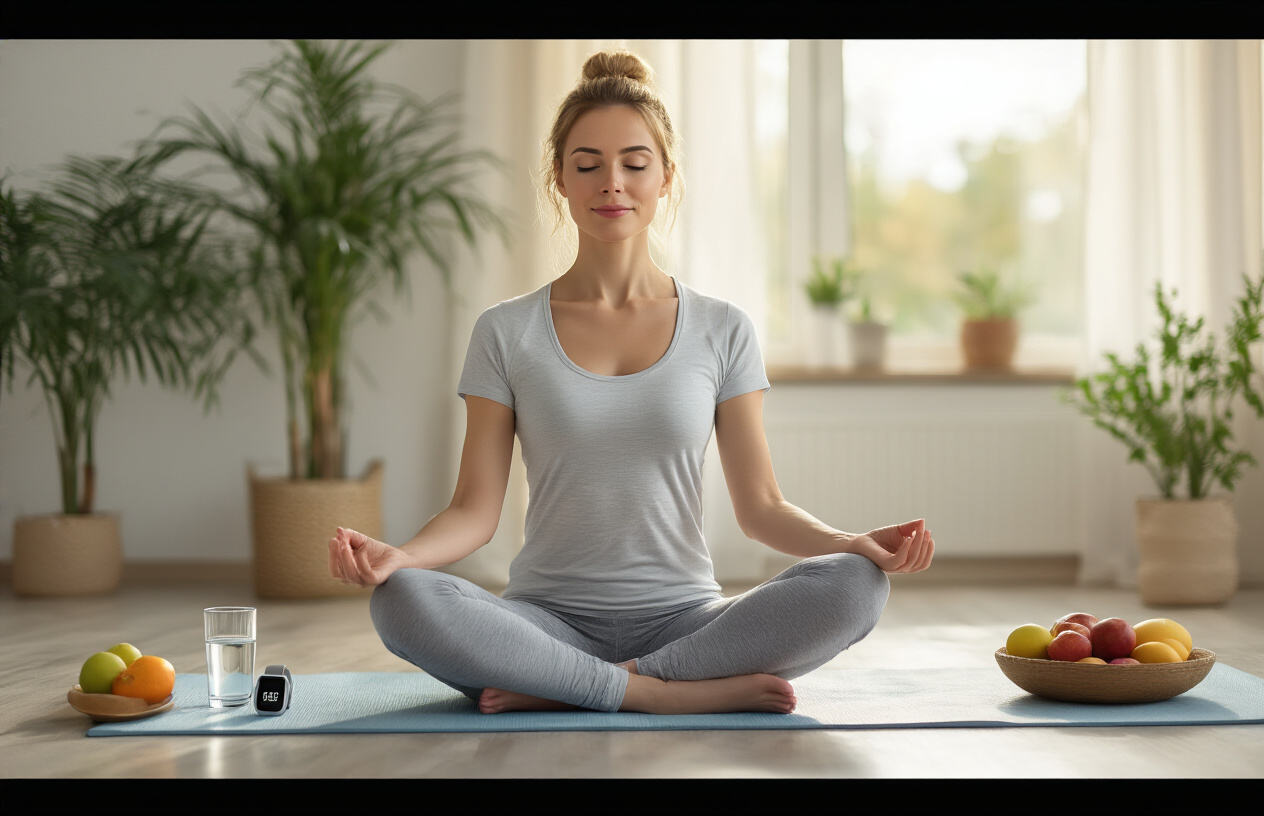
Now that we have covered the science behind yoga’s transformative effects, you’ll discover that the physical changes happen faster than you might expect. Within just 8 weeks of consistent practice, you can improve your flexibility by up to 35%, making everyday movements feel more effortless and more fluid.
Your flexibility improvements will come from yoga’s unique approach of stretching muscles through slow, controlled movements combined with deep breathing. This combination increases blood flow and warms up your muscles more effectively than traditional stretching. As you hold poses like Cat-Cow or the standing forward bend, you’re actively lengthening tight muscle groups that contribute to stiffness and limited range of motion.
The strength benefits are equally impressive, even with gentler yoga styles like Hatha or Iyengar. You’ll build functional strength that supports your daily activities through poses that engage multiple muscle groups simultaneously. Standing poses like Warrior 1 will strengthen your hamstrings, quadriceps, and core muscles as you hold them through several breaths. Upper-body strength develops through poses like downward dog and plank pose, which build strength in your arms, shoulders, and wrists while engaging your core stabilizing muscles.
Better Posture Through Upper Back Muscle Development
With this foundation of strength and flexibility in mind, you’ll notice significant improvements in how you carry yourself throughout the day. Your posture transforms because yoga specifically targets the core muscles that support proper spinal alignment. Most standing and sitting yoga poses require you to engage your deep abdominal muscles to maintain each position, creating the strong foundation your spine needs.
Upper back muscle development occurs through poses that actively counter the forward head posture many of us develop from desk work and screen time. The bridge pose becomes particularly effective for this, as it stretches and expands your shoulder and pectoral muscles while strengthening the muscles between your shoulder blades. The reverse plank targets your posterior chain specifically, helping activate weakened glutes and supporting your lower back.
Your body awareness will also dramatically improve, helping you catch slouching or slumping before it becomes habitual. This heightened awareness means you’ll naturally adjust your posture throughout the day, maintaining the alignment you’ve developed through your practice.
Reduced Neck Tension and Physical Pain Relief
Previously, you may have struggled with chronic neck tension and various forms of physical discomfort. Yoga addresses these issues through gentle, targeted movements that release built-up tension and improve circulation to problem areas. The American College of Physicians actually recommends yoga as a first-line treatment for chronic low back pain, showing its effectiveness is backed by medical research.
Your neck tension will decrease as you practice poses that specifically target the muscles supporting your head and shoulders. The seated side bend opens up your rib cage and side body, creating space that relieves compression in your neck and shoulders. Gentle movements like the Cat-Cow pose help mobilize your entire spine, reducing stiffness that contributes to neck pain.
For broader pain relief, yoga’s combination of stretching, strengthening, and mindful breathing helps reduce body-wide inflammation. This is particularly beneficial if you’re dealing with conditions like arthritis, where gentle yoga movements can ease the discomfort of tender, swollen joints without putting excessive stress on your body.
Enhanced Core Stability and Muscle Tone
Next, we’ll see how your core stability transforms through consistent practice. Nearly every yoga pose requires some level of core engagement, making it an incredibly efficient way to build deep abdominal strength. The balancing table pose targets your core muscles explicitly, teaching them to work together to maintain stability as your limbs move.
Your muscle tone will improve even with less vigorous yoga styles, as poses like plank and side plank challenge your muscles to support your body weight in various positions. The sustained muscle engagement required to hold these poses builds both strength and endurance, creating the lean, functional muscle tone many practitioners notice within their first month.
Core stability extends beyond just abdominal muscles – it includes your entire trunk, including your back muscles and deep stabilizers. As these muscles strengthen and learn to work together more efficiently, you’ll notice improvements in balance, coordination, and overall physical confidence in your daily activities.
Mental and Emotional Transformations That Surprised Me Most
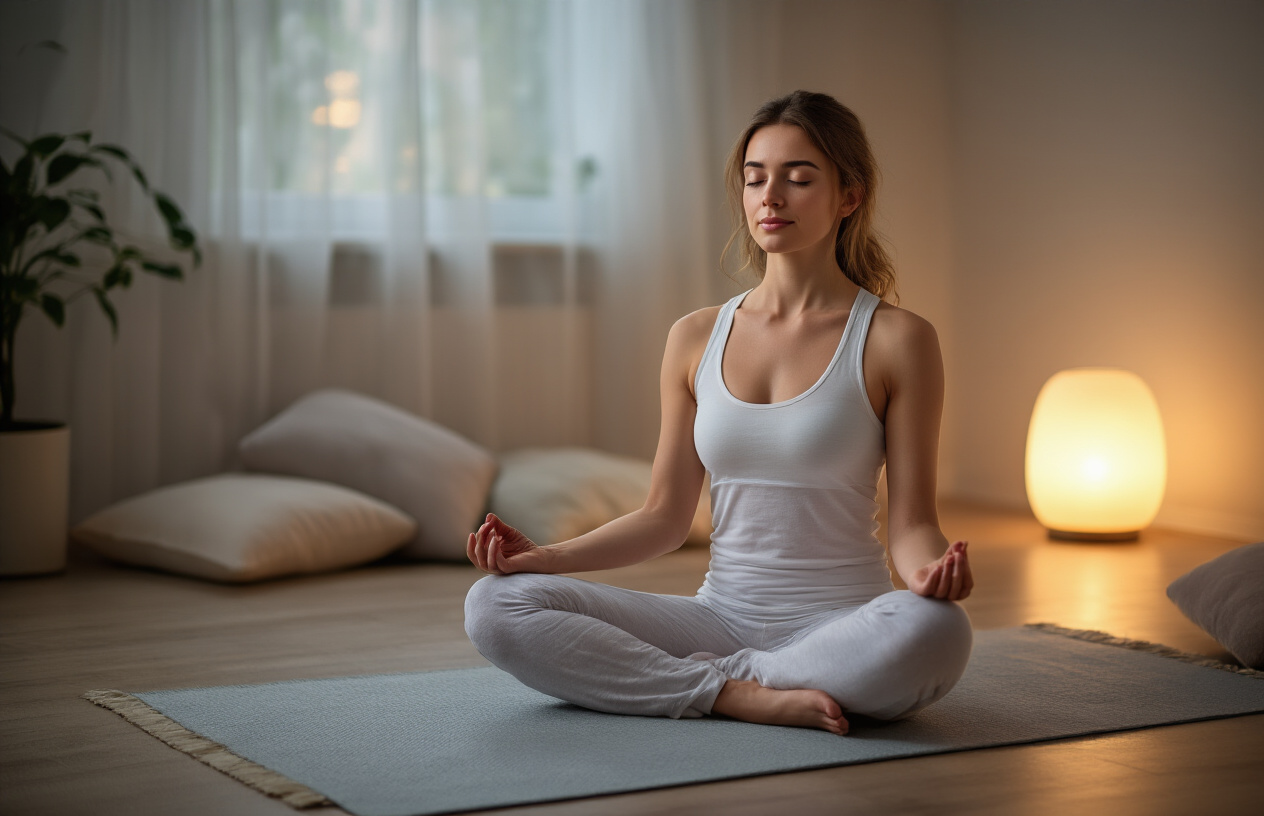
Becoming More Patient and Less Reactive in Daily Life
Previously, I’ve discussed the physical benefits of yoga, but the mental transformations you’ll experience are equally profound. One of the most surprising changes you’ll notice is how yoga fundamentally alters your emotional reactivity. Research shows that meditation and yoga reduce activity in the limbic system—the part of your brain dedicated to emotions. As your emotional reactivity diminishes, you develop a more tempered response to stressful situations.
Through your daily practice, yoga strengthens parts of your brain that play key roles in memory, attention, awareness, thought, and language. This neurological rewiring means you’ll naturally pause before reacting to challenging situations. Instead of your usual knee-jerk responses, you’ll discover a new capacity to observe your emotions without being overwhelmed by them. This enhanced emotional regulation becomes your superpower in both personal and professional relationships.
Starting Each Day with Calm Energy Instead of Stress
Now that we’ve covered emotional regulation, let’s explore how yoga transforms your morning mindset. Your breathing practices and meditation components create a foundation of calm energy that carries throughout your day. Studies demonstrate that yoga practice normalizes physiological markers of stress, including heart rate variability, inflammatory cytokines, and cortisol levels.
You’ll notice that instead of waking up with your mind already racing through the day’s challenges, your mornings become anchored in centered awareness. The emphasis on breathing practices helps activate your parasympathetic nervous system, naturally promoting calmer states. This shift from stress-driven mornings to calm, intentional starts creates a ripple effect that influences every interaction and decision you make throughout the day.
Improved Sleep Quality and Natural Craving for Healthier Habits
With this foundation of calm energy established, your sleep patterns naturally begin to transform. Yoga’s impact on your autonomic nervous system regulation extends into your nighttime hours, where deep, slow breathing becomes associated with calmer states. This physiological shift helps you transition more easily into restful sleep and maintain better sleep quality throughout the night.
You may naturally gravitate toward healthier lifestyle choices. Yoga promotes adaptive thinking and behavioral activation, which improve lifestyle factors affecting your mental health, including nutrition and sleep hygiene. This isn’t about forcing yourself into rigid habits—it’s about your body and mind naturally craving what serves your wellbeing. The practice creates an internal wisdom that guides you toward choices that support your overall health and vitality.
Greater Self-Compassion and Reduced Perfectionism
Previously, I’ve outlined how yoga affects your stress response, but perhaps the most profound transformation occurs in your relationship with yourself. The goal of yoga extends beyond physical postures to facilitate deeper insight and self-understanding, fostering self-regulation and resilience both individually and socially.
You’ll discover that your inner dialogue becomes gentler and more supportive. Research indicates that yoga practitioners show greater hippocampal volume, which is involved in learning and memory, and improved connectivity in the default mode network, associated with self-referential processing. This neurological enhancement translates into more compassionate self-talk and reduced perfectionist tendencies.
Your yoga practice becomes a daily reminder that progress, not perfection, is the goal. You’ll find yourself extending the same patience and understanding to your personal growth that you’ve learned to cultivate on the mat. This shift from self-criticism to self-compassion creates space for authentic growth and resilience in all areas of your life.
Essential Poses to Master and Mistakes to Avoid as a Beginner
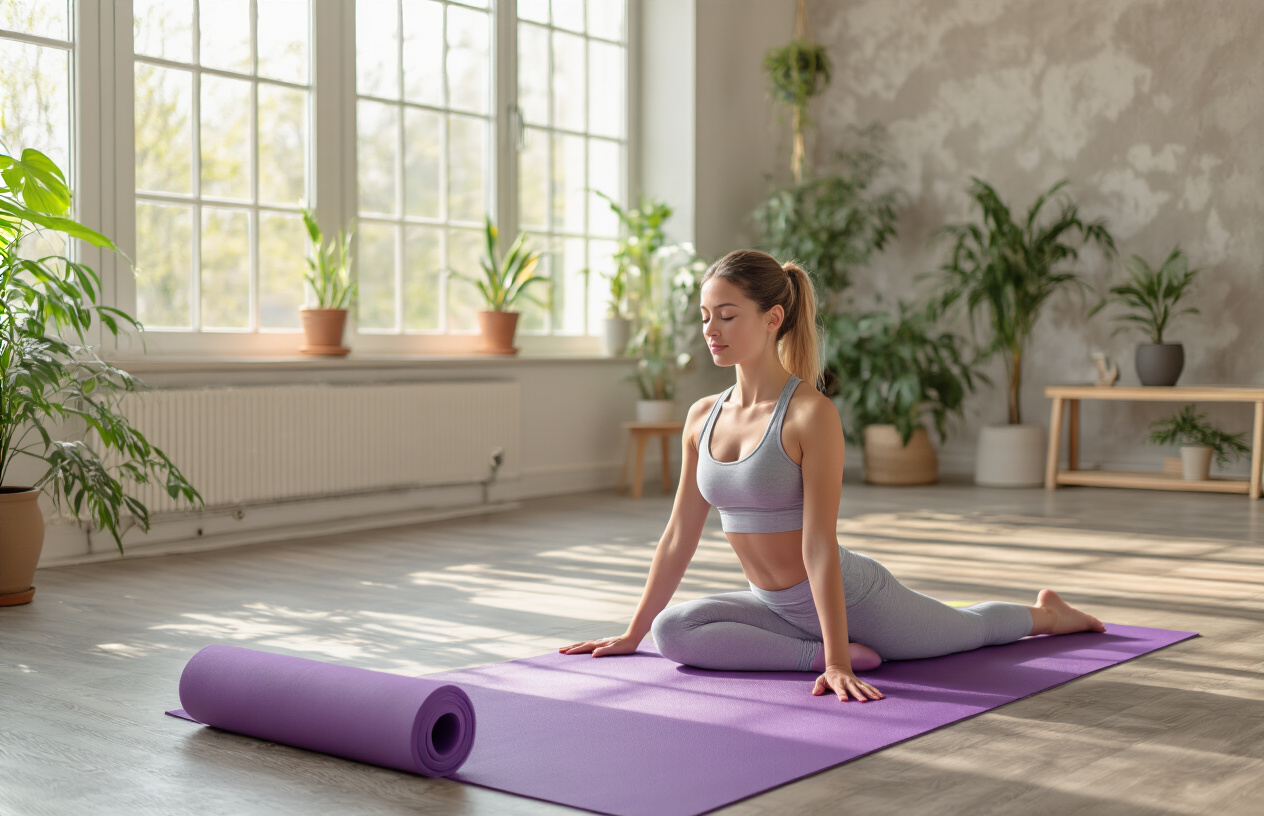
Best Beginner-Friendly Poses for Maximum Benefit
When you’re starting your yoga journey, focusing on foundational poses will give you the most benefit while building proper alignment habits. Chair Pose is excellent for strengthening your legs and core – remember to sit back into your hips rather than putting weight forward into your knees. You should be able to see the tops of your feet when done correctly.
Forward Fold is another essential pose that many beginners approach incorrectly. Instead of passively rounding your spine, keep your feet about 6 inches apart, bend your knees, and hinge at your hips while keeping your back flat. Use blocks if needed to maintain proper form.
High Lunge helps build lower-body strength while improving balance. Position your knee directly above your ankle, then squeeze your legs together for stability. Cobra Pose strengthens your back and core – focus on pushing the tops of your feet firmly into the ground and lifting with your core strength rather than relying on your arms.
Advanced Poses to Skip Until You Build Strength
Now that we’ve covered the foundational poses, let’s discuss what to avoid initially. The Vinyasa sequence (plank to low plank, to upward dog, to downward dog) requires significant upper body and core strength. Many beginners damage their shoulders by rounding their shoulders forward during the low plank portion, rather than keeping their chest open and their elbows close to their sides.
If you can’t maintain proper form in these transitions, lower your knees and practice the movement pattern until you develop the necessary strength and muscle memory. Poses like Dancer’s Pose should wait until you’ve mastered foundational postures like Tree Pose for at least 30 seconds consistently.
Why Being Inflexible Makes You Perfect for Yoga
Previously, many people have avoided yoga, thinking they’re “too stiff,” but inflexibility actually makes you an ideal candidate for yoga practice. Your tight muscles give you clear feedback about what your body needs, making it easier to track progress and feel improvements.
Unlike naturally flexible people who might push too deep into poses without proper strength support, your tight muscles will naturally limit you to safe ranges of motion. This built-in protection helps prevent overstretching and injury while you build the strength needed to support increased flexibility.
Remember that yoga should never hurt – there may be discomfort as you explore new positions, but pain signals that something isn’t right. Your inflexibility will teach you to listen to these signals and respect your body’s current limitations.
Common Mindset Barriers That Hold People Back
With this understanding of physical limitations in mind, let’s address the mental obstacles that often derail beginners. The biggest mistake you can make is obsessing over “perfect” alignment while ignoring your body’s signals for modifications. Not everyone can perform a Standing Forward Bend without straining their lower back or hamstrings – and that’s perfectly normal.
Rushing is another common barrier that prevents proper learning. You’re far more likely to make mistakes when you’re hurrying through poses or trying to progress too quickly. Slow down your movements, take time to find proper alignment, and resist the urge to jump to advanced poses just because you’ve mastered a foundational one.
Being too self-critical will sabotage your practice before it really begins. Yoga isn’t a competition with others or yourself – it’s about becoming increasingly aware of what feels right in your body on any given day. Focus on doing your best while respecting where your body is today, and remember that everything can become a lesson if you allow it.
Finally, avoid overthinking every movement and pose. Sometimes the most beneficial yoga experiences come when you listen to your body and do what feels right in the moment, rather than getting caught up in trying to make every pose look precisely like the instructor’s demonstration.
Practical Strategies for Staying Motivated Through 30 Days
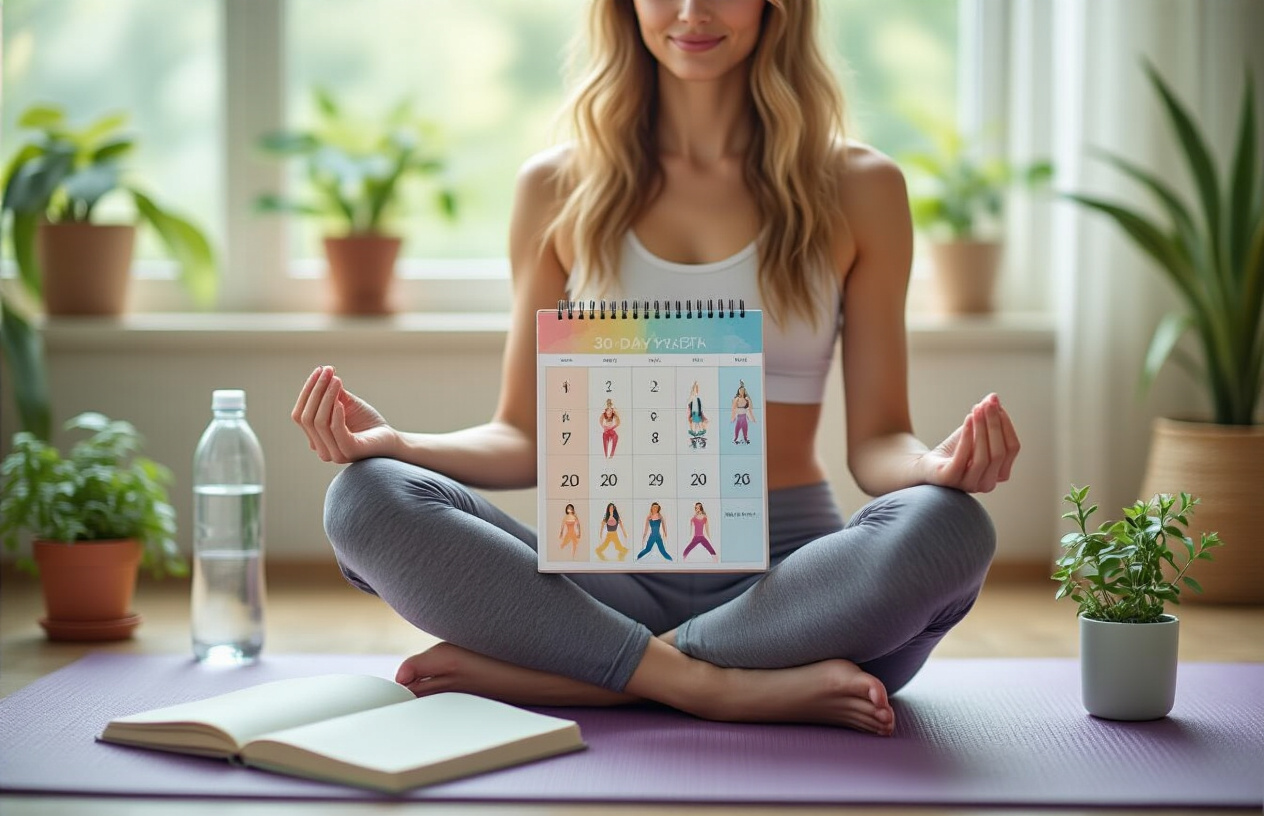
Finding Your Ideal Practice Time and Location
You’ll discover that consistency becomes much easier when you establish a specific time and dedicated space for your practice. There’s no “wrong” or “right” time to practice yoga—what matters is finding what works for your schedule and sticking to it. If you’re a morning person, practice before your day gets started. If you prefer evenings, use yoga as something to look forward to at the end of your day.
Set aside time each day for your practice, keeping it consistent. Write down in your calendar or phone what days you plan on practicing. Finding a regular, set time is crucial because you can build the rest of your schedule around your practice, not the other way around. You won’t have to stress about finding time to fit in a yoga session.
Creating a dedicated practice space elevates your commitment. Set up a warm, welcoming yoga area in your home if you practice at home. Fill it with inspiring elements like plants or calming decor. Having a dedicated space for yoga practice means you don’t have to worry about making space each time, and it fosters a sense of ritual that makes maintaining consistency easier.
Using Accountability Partners and Calendar Blocking
You’re twice as likely to stay committed to your goal when you share it with someone else. Find a yoga buddy—whether it’s a partner, friend, or roommate—who can either practice with you or keep you accountable. Tell them, “I’m trying to practice yoga 3-4 times this week, can you check in on me and ask how it’s going?”
Calendar blocking becomes your secret weapon for maintaining consistency. Please write down your practice sessions in advance, treating them as non-negotiable appointments with yourself. If you’re practicing at a studio, consider buying a membership rather than single classes. Yes, it’s more expensive, but it actually creates financial motivation to show up, since you’ve already invested the money.
The online yoga community can also provide robust accountability. Join yoga challenges or connect with other practitioners on social media. Many yogis have found success with month-long challenges that help them stay accountable. You can use Instagram to track your progress or take photos for yourself—it’s inspiring to look back and see how far you’ve come in your physical practice.
Adapting Your Practice When Life Gets Busy
You need to abandon the “all or nothing” mindset that often leads to burnout. The truth is, if something is important to you, you’ll make time for it. Remember that a little goes a long way—it’s not about how long you practice, it’s about showing up for yourself.
Keep your practice short and sweet when time is limited. Taking 10-20 minutes is all you need to get the full effects of a session. When you’re strapped for time, even just a few rounds of sun salutations or 10 minutes of seated meditation can set a more relaxed tone for your day. The most important thing is to listen to your body and learn what it needs.
Diversify your routine to match your energy levels and available time. Some days you might need a good power vinyasa class, while other days—perhaps when you’re on your menstrual cycle—you’ll know you need a restorative class. Having variety in your practice styles prevents boredom and helps you adapt to different circumstances while maintaining consistency.
Tracking Your Progress and Benefits in a Journal
You’ll find that writing down your intention really helps maintain motivation. Please keep it in a journal or place it somewhere you see every day as a reminder. Your intention is essentially something you want to amplify or cultivate more—your “why” or purpose for practicing yoga. Ask yourself what yoga provides for you and how you feel after practicing.
Document your progress through photos and written reflections. It’s helpful when practicing at home to record yourself so you can check your alignment and ensure you’re practicing poses correctly. Take progress photos not just for social media, but for yourself—looking back at old photos helps you see how far you’ve come in your physical practice.
Use your journal to explore the deeper aspects of yoga beyond the physical postures. Since asana is just one of the eight limbs of the yogic path, document how you’re taking yoga values like non-attachment, gratitude, and non-harming off the mat and into your daily life. Record moments when you’ve applied lessons of patience, acceptance, and endurance from your practice to real-life situations, whether dealing with an annoying coworker, missing the bus, or having an argument with family members.
After 30 days of daily yoga practice, the transformation extends far beyond what you might initially expect. You’ll discover that even just 10-20 minutes of daily practice can dramatically reduce stress levels, improve your sleep quality, and help you respond rather than react to daily challenges. The physical benefits—increased flexibility, better posture, reduced neck tension, and core strength—develop naturally alongside profound mental shifts that make you calmer, more patient, and genuinely happier in your interactions with others.
The beauty of this 30-day commitment lies in its accessibility and sustainability. You don’t need expensive equipment, hours of free time, or perfect flexibility to start. Whether you choose morning sessions to set a peaceful tone for your day or evening practice to unwind and prepare for better sleep, consistency matters more than duration or complexity. Start with basic poses, listen to your body, and remember that the people who think they’re “not flexible enough” or “too busy” for yoga are often the ones who need it most. Your future self will thank you for taking those first steps onto the mat.
For more soulful stories and mindful living insights, explore The Zen Blog — your space for travel reflections, wellness tips, and everyday calm.
Join The Zen Journal community — get fresh yoga and wellness insights straight to your inbox.