
Yoga for Anxiety: A 10-Minute Routine That Actually Works
Introduction – Why Yoga Works for Anxiety
Are you tired of feeling like your mind is running a marathon while your body sits still? If anxiety has become your unwelcome companion, you’re not alone. Millions of people worldwide struggle with anxious thoughts, racing hearts, and that overwhelming feeling that something’s just not right. But here’s the good news: there’s a simple, scientifically-backed solution that takes just 10 minutes of your day. This ‘yoga for anxiety’ 10-minute routine combines proven techniques to calm your nervous system.
Yoga isn’t just about pretzel-like poses or chanting “om” in a crowded studio. It’s a powerful tool that can literally rewire your brain’s response to stress and anxiety. This 10-minute routine combines ancient wisdom with modern science to give you practical techniques that actually work – no meditation cushion or years of practice required.
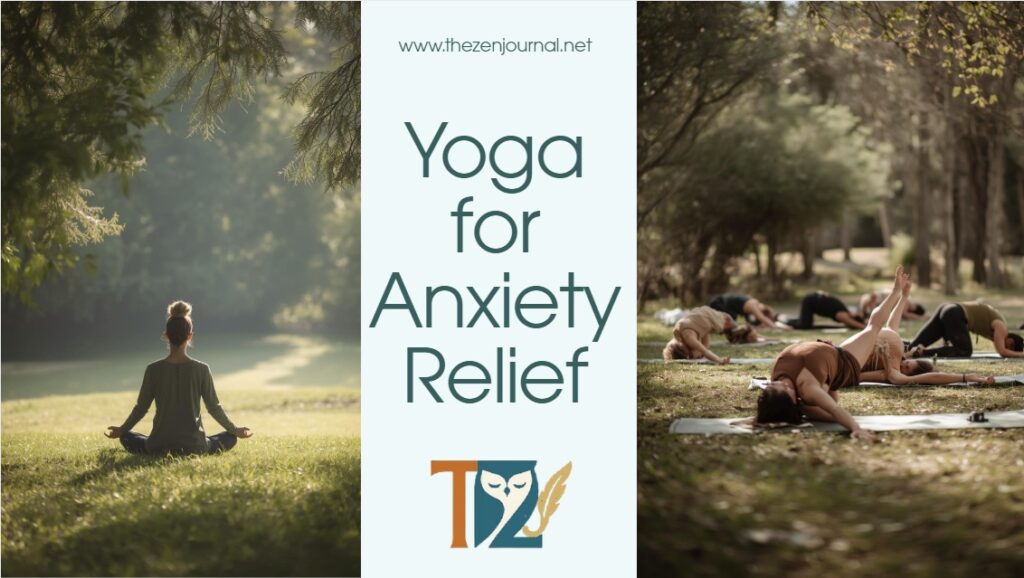
Understanding Anxiety and How Yoga Helps
Think of anxiety as your body’s smoke alarm going off when there’s no fire. Your nervous system gets stuck in “fight or flight” mode, flooding your body with stress hormones even when you’re perfectly safe. This constant state of alert leaves you feeling exhausted, overwhelmed, and disconnected from your own body.
Yoga works like a gentle reset button for your nervous system. Through controlled movement, conscious breathing, and mindful awareness, yoga activates your parasympathetic nervous system – your body’s natural “rest and digest” mode. It’s like switching from a blaring car alarm to a gentle lullaby.
The Science Behind Yoga’s Anti-Anxiety Effects
Recent neuroimaging studies have shown that regular yoga practice actually changes your brain structure. The amygdala, your brain’s fear center, becomes less reactive, while the prefrontal cortex, responsible for rational thinking, becomes more active. It’s like upgrading your brain’s operating system to handle stress more efficiently.
Research published in the Journal of Clinical Medicine found that just 12 weeks of yoga practice significantly reduced anxiety symptoms in 85% of participants. Even more impressive? Many people reported feeling calmer after their very first session. The key lies in yoga’s unique combination of physical movement, breath control, and present-moment awareness.
Why a 10-Minute Routine is Perfect for Busy Lives
Let’s be honest – when anxiety hits, the last thing you want to hear is that you need to commit to hour-long yoga classes. That’s where this 10-minute routine shines. It’s long enough to activate your body’s relaxation response but short enough to fit into even the busiest schedule.
Think of it as your anxiety first-aid kit. You can practice it before work, during your lunch break, or right before bed. The beauty lies in its simplicity and accessibility – no special equipment, no complicated poses, just you and ten minutes of self-care.
Essential Breathing Techniques for Anxiety Relief
Before we dive into the poses, let’s talk about the foundation of all anxiety relief: your breath. When you’re anxious, your breathing becomes shallow and rapid, which actually triggers more anxiety. It’s a vicious cycle, but one that’s easily broken.
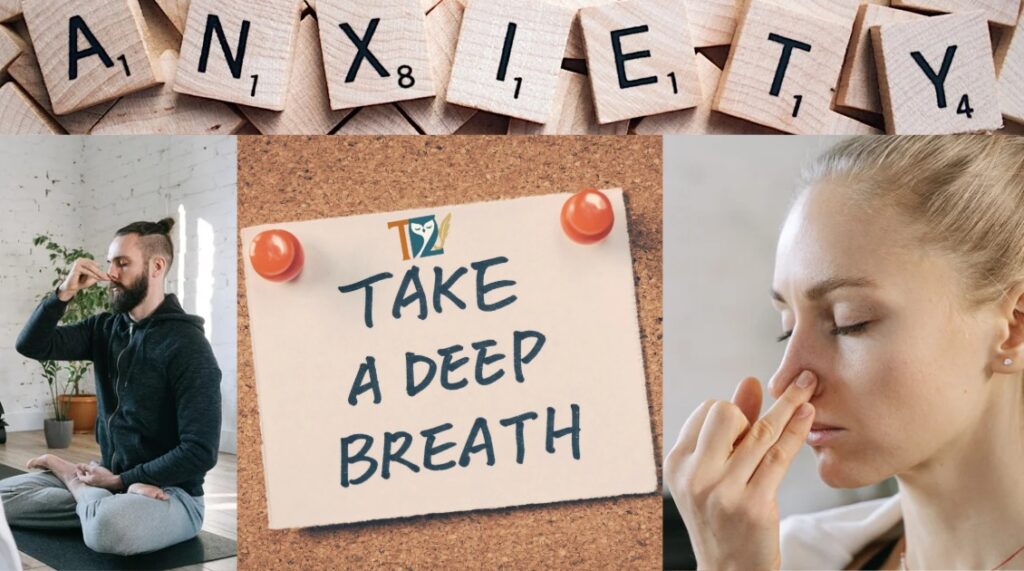
Deep Belly Breathing (Diaphragmatic Breathing)
Place one hand on your chest and one on your belly. As you breathe in, focus on expanding your belly rather than your chest. This activates your vagus nerve, which signals your brain to relax. It’s like sending a direct message to your nervous system saying, “Everything’s okay here.”
4-7-8 Breathing Technique
This technique, developed by Dr. Andrew Weil, is like a natural tranquilizer for your nervous system. Inhale for 4 counts, hold for 7, and exhale for 8. The extended exhale activates your parasympathetic nervous system, promoting instant calm.
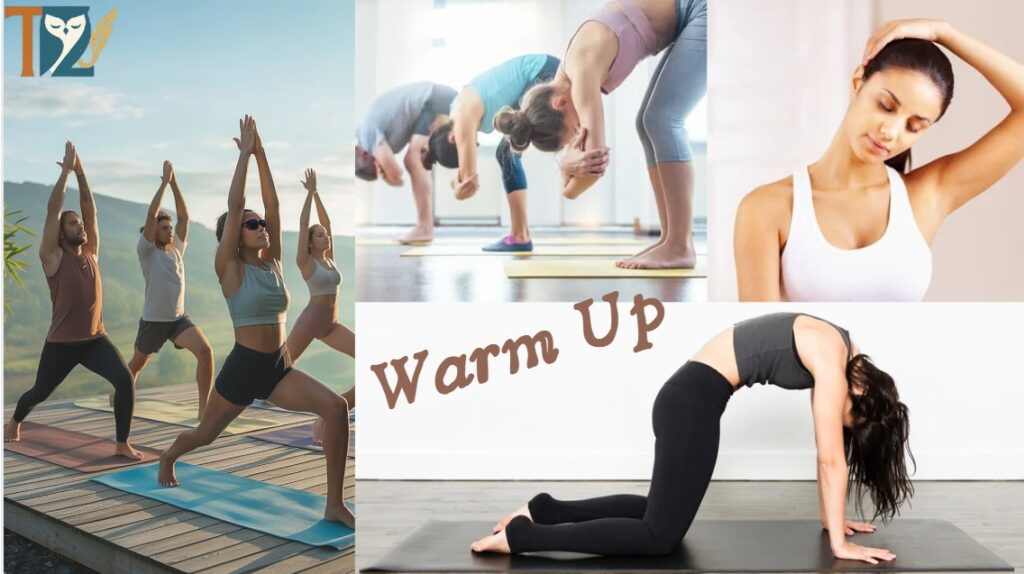
Gentle Warm-Up Poses (Minutes 1-2)
Starting your routine with gentle movement helps transition your mind from anxious thoughts to present-moment awareness. These warm-up poses are like easing into a warm bath – they prepare your body and mind for deeper relaxation.
Neck Rolls and Shoulder Shrugs
We hold tremendous tension in our neck and shoulders when anxious. Slowly roll your neck in gentle circles, then shrug your shoulders up to your ears and release. Feel the tension melting away like ice in the sun. This isn’t just about physical relief – you’re literally releasing stored anxiety from your body.
Cat-Cow Stretch
Moving between arching and rounding your spine creates a gentle massage for your nervous system. The rhythmic movement combined with deep breathing helps shift your focus from anxious thoughts to physical sensations. It’s like giving your spine a gentle wake-up call.
Grounding Poses for Immediate Calm (Minutes 3-4)
When anxiety makes you feel like you’re floating in chaos, grounding poses anchor you back to the present moment. These poses help you reconnect with your body and the earth beneath you.
Mountain Pose with Breath Awareness
Standing tall with feet hip-width apart might seem simple, but it’s incredibly powerful. Feel your feet rooted to the ground while the crown of your head reaches toward the sky. You’re literally embodying strength and stability. Focus on your breath moving in and out while maintaining this steady stance.
Standing Forward Fold
Folding forward is like giving yourself a gentle hug. It calms your nervous system and helps quiet mental chatter. Don’t worry about touching your toes – just let your arms hang heavy and sway gently from side to side. You’re inverting your usual perspective, which often helps shift anxious thought patterns, too.
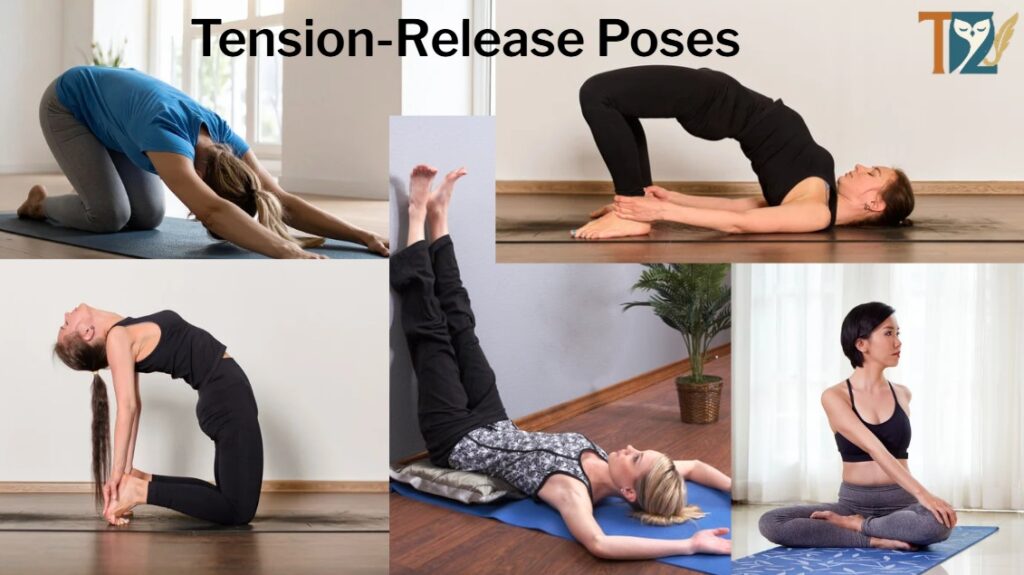
Tension-Release Poses (Minutes 5-6)
These poses target areas where we commonly store anxiety – our back, hips, and shoulders. Think of them as pressure release valves for built-up tension.
Child’s Pose
This pose is like returning to your safest space. Kneel on the ground, sit back on your heels, and fold forward with arms extended or by your sides. Your forehead resting on the ground creates a sense of security and introspection. It’s okay to stay here longer if you need – this is your sanctuary.
Gentle Spinal Twist
Sitting cross-legged, place your right hand behind you and gently twist to the right, using your left hand on your right knee for support. Twists help wring out tension like squeezing water from a sponge. The gentle rotation massages internal organs and releases physical and emotional tension stored in your torso.
Heart-Opening Poses for Emotional Release (Minutes 7-8)
When we’re anxious, we tend to collapse inward, protecting our hearts. These poses gently open your chest and heart space, creating room for courage and self-compassion.
Camel Pose (Modified)
Kneeling with your shins on the ground, place your hands on your lower back and gently arch backward. You don’t need to grab your heels – just open your heart space. This pose counters the closed, protective posture anxiety creates and literally opens you up to receiving calm.
Bridge Pose
Lying on your back with knees bent, press your feet down and lift your hips. This gentle backbend opens your heart while strengthening your legs and core. It’s like building a bridge between your anxious state and your calm state. Hold for several breaths, feeling your heart space expand.
Restorative Poses for Deep Relaxation (Minutes 9-10)
The final minutes of your routine focus on complete restoration. These poses allow your nervous system to fully shift into relaxation mode.
Legs Up the Wall
Lie on your back near a wall and extend your legs up against it. This gentle inversion helps blood flow back to your heart and brain while activating your parasympathetic nervous system. It’s like hitting the reset button on your entire circulatory system.
Corpse Pose with Guided Relaxation
Lying flat on your back with arms and legs relaxed, take a body scan from your toes to the crown of your head. Notice any remaining tension and consciously release it. This isn’t just lying down – you’re actively training your body to let go of anxiety.
Creating Your Personal Anxiety-Relief Space
Your environment plays a crucial role in your practice’s effectiveness. You don’t need a perfect studio – just a quiet corner where you feel safe. Dim the lights, play soft music if it helps, and maybe light a candle. This space becomes associated with calm, making it easier to relax each time you practice here.
When to Practice: Timing Your Routine
The beauty of this routine is its flexibility. Practice it first thing in the morning to set a calm tone for your day, during lunch to reset your energy, or before bed to release the day’s stress. Many people find that practicing at the same time each day helps establish a calming rhythm.
Common Mistakes to Avoid
Don’t turn your yoga practice into another source of stress by expecting perfection. You’re not trying to look like a yoga magazine cover – you’re finding relief from anxiety. If a pose doesn’t feel right, modify it or skip it entirely. Your body’s wisdom trumps any instruction.
Adapting the Routine for Different Anxiety Levels
On high-anxiety days, spend more time in restorative poses like Child’s Pose and less time in energizing poses. When anxiety is mild, you might add gentle flow movements between poses. Think of this routine as a template that you can adjust based on what your nervous system needs.
Building Consistency: Making It a Daily Habit
Consistency matters more than perfection. Even three minutes is better than nothing. Link your practice to an existing habit – maybe right after brushing your teeth or before your morning coffee. The goal is to make it so automatic that you do it without thinking, like reaching for your anxiety toolkit.
Conclusion
Anxiety doesn’t have to run your life. This 10-minute yoga routine gives you practical, proven tools to reclaim your calm whenever you need it. Remember, you’re not just doing poses – you’re literally rewiring your nervous system’s response to stress. Each time you practice, you’re building resilience and teaching your body that it’s safe to relax.
The most beautiful thing about this practice is that it’s always available to you. No matter where you are or what’s happening in your life, you have the power to pause, breathe, and reconnect with your calm center. Your anxiety may not disappear overnight, but with consistent practice, you’ll find that it no longer has the power to overwhelm you.
FAQs
Q: How quickly will I see results from this 10-minute routine?
A: Many people feel some immediate relief after their first session, as the breathing techniques and gentle movement help activate your body’s relaxation response right away. For lasting changes in anxiety levels, most research suggests practicing consistently for 2-4 weeks to notice significant improvements.
Q: Can I do this routine if I’m a complete yoga beginner?
A: Absolutely! This routine is specifically designed for all levels, including complete beginners. Every pose can be modified, and the focus is on gentle, accessible movements rather than advanced postures. Listen to your body and only do what feels comfortable.
Q: What if I don’t have 10 minutes? Can a shorter version still help?
A: Yes! Even 3-5 minutes of focused breathing and gentle movement can help calm anxiety. You can pick 2-3 poses that feel most helpful to you, or simply focus on the breathing techniques when time is extremely limited.
Q: Is it normal to feel emotional during or after the practice?
A: Completely normal! Yoga can release stored tension and emotions, which sometimes manifest as tears, laughter, or other emotional responses. This is actually a sign that the practice is working – you’re releasing what no longer serves you.
Q: Can I practice this routine if I have physical limitations or injuries?
A: Most poses in this routine can be adapted for various physical limitations. You can do seated versions of many poses, skip any that cause discomfort, or modify them as needed. When in doubt, consult with a healthcare provider or qualified yoga instructor for personalized modifications.
✨For more mindful practices, don’t miss my other YOGA BLOG — where I share accessible routines and soulful insights.
✨ Subscribe to The Zen Journal and receive mindful living tips and wellness inspiration straight to your inbox.