
Understanding What is Meditation: The Foundation of Mental Stillness
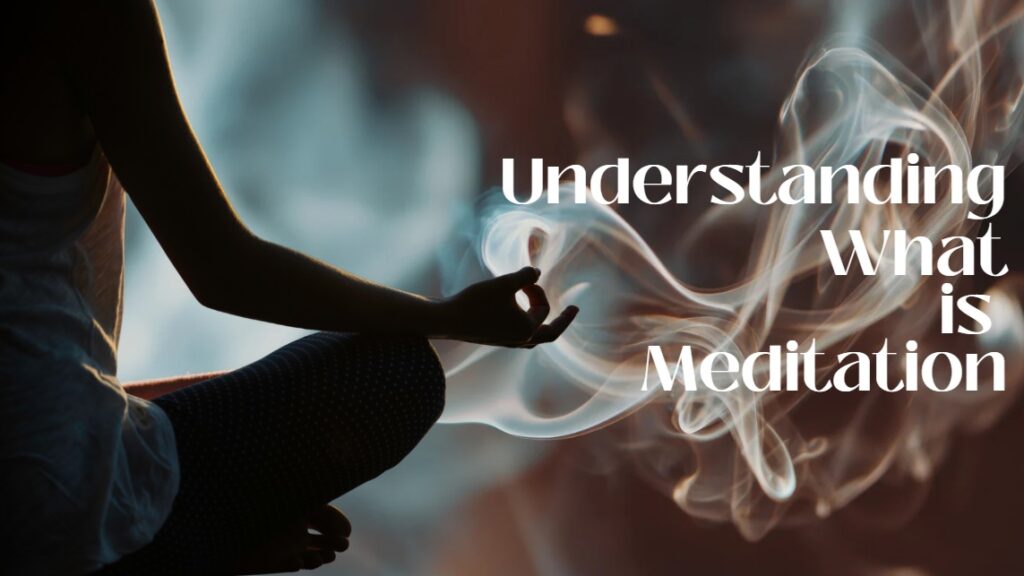
What is Meditation? This question frequently arises when people begin their spiritual journey. Many wonder what they should do after closing their eyes and settling into silence. The profound answer lies in simplicity: meditation represents the art of doing nothing.
Contrary to popular belief, meditation doesn’t require you to accomplish specific tasks or reach predetermined destinations. Instead, it invites you to simply exist in the present moment. Training your mind to remain alert while doing nothing requires substantial practice and dedication.
When your mind reaches this state of peaceful inactivity while maintaining perfect awareness, a fountain of bliss naturally emerges. Meditation liberates you from worldly burdens and societal pressures to improve or conform to external definitions of success.
The True Essence of Meditative Practice
Meditation reveals a fundamental truth: you are already complete, perfect, and whole. The constant struggle to become someone else, the relentless race to achieve societal expectations, dissolves completely in those quiet moments of inner stillness.
To reach this tranquil state and achieve the mental stillness resembling a calm, placid lake, every practitioner navigates through four inevitable stages on their meditative journey.
Principles of Meditation: The Six Essential Guidelines

The Golden Rule: The Foundation of All Meditative Practice
The Principles of Meditation begin with one golden rule: you cannot avoid thinking about something by actively trying not to think about it. This paradoxical truth forms the cornerstone of successful meditation practice.
Attempting to suppress thoughts by telling yourself not to think about them proves impossible and counterproductive. Understanding this golden rule makes it significantly easier to follow the six fundamental principles.
1. No Recollection: Releasing Thoughts of the Past
Your mind continuously accesses its vast memory bank, generating countless thoughts about past experiences. Rather than pursuing these memories, simply release them and gently redirect your attention to the present moment.
Practicing this mindful approach prevents past-focused thoughts from disrupting your meditation session. Each time your mind drifts backward, acknowledge the thought without judgment and return to the now.
2. No Calculation: Abandoning Present-Moment Analysis
Once you successfully release past-oriented thoughts, your mind shifts to analyzing present circumstances. You might notice your sitting position, the room temperature, the surrounding sounds, or the incense fragrance.
Resist the urge to examine these present-moment observations. Instead, acknowledge them briefly and refocus on your meditation object without engaging in detailed analysis.
3. No Imagination: Avoiding Future-Focused Fantasies
When you demonstrate determination in releasing past and present thoughts, your mind begins to create future scenarios. You may start imagining upcoming events or visualizing your life unfolding in specific ways.
Remember that thoughts possess no inherent substance or reality. This understanding makes it easier to release future-oriented thinking. Whenever you catch yourself daydreaming about tomorrow, immediately drop the thought and return to present-moment awareness.
4. No Examination: Avoiding Thought Analysis
Regardless of the thought type that arises, resist the urge to analyze it. For instance, if thoughts about social rejection or abandonment emerge, avoid questioning why these situations occurred or analyzing others’ behavioral changes.
Such analytical thinking rapidly destroys concentration and the quality of meditation. Unless practicing specific contemplative meditation techniques focused on singular thought examination, maintain awareness without engaging in mental analysis.
5. No Construction: Releasing Attachment to Experiences
A persistent meditation practice often produces beautiful sounds, fragrances, colors, or glimpses of altered consciousness. Many meditators make the critical error of craving repeated experiences.
This attachment deviates you from the authentic meditative path. When you find yourself longing for specific experiences or waiting expectantly, gently redirect attention to the present moment. Recognize that experiential desires are merely thoughts requiring release.
6. No Digression: Maintaining Present-Moment Awareness
Meditation often triggers a range of emotions, including laughter, tears, sadness, and elation. While beginning meditators cannot immediately control emotional responses, avoiding emotional examination during practice remains crucial.
You can analyze emotions after completing your meditation session, but never during active practice. When distractions arise, gently guide your attention back to present-moment awareness, perhaps by focusing on your natural breathing rhythm.
Maximizing Your Meditation Practice
The greater effort you invest in following these principles, the more profound benefits you will experience from meditation. Sitting in meditation while analyzing or pursuing thoughts prevents progress toward mental stability and lasting calmness.
Essential Guidelines for Successful Meditation
What is Meditation in practical terms? It means avoiding these common mistakes:
- Don’t brood over, resent, or repent past events
- Don’t examine current life circumstances during practice
- Don’t imagine future scenarios or outcomes
- Don’t analyze arising thoughts
- Don’t pursue thoughts when they appear
Instead, trust that thoughts will disappear naturally without your intervention. They wither away on their own when you stop giving them attention. Prevent mental wandering by maintaining alert awareness.

The Path to Meditative Mastery
Simply remain present in the current moment, and meditation’s inherent beauty will reveal itself naturally. By understanding what meditation is and consistently applying its principles, you lay the foundation for profound inner transformation.
The journey toward mental stillness requires patience, practice, and dedication. However, the rewards of achieving present-moment awareness and inner peace make every effort worthwhile. By consistently applying these principles, you will discover meditation’s transformative power and experience the deep satisfaction of true mental freedom.
FAQ
Q: What is meditation in simple terms? A: Meditation is the practice of staying present without engaging with thoughts.
Q: How long should beginners meditate? A: Start with 5–10 minutes and gradually increase as comfort grows.
Q: What are the principles of meditation? A: No recollection, no calculation, no imagination, no examination, no construction, and no digression.
✨ Looking for more ways to bring calm into your routine? Visit my YOGA BLOG for accessible practices and soulful guidance designed to support mindful living.
✨ Join The Zen Journal community — get fresh yoga and wellness insights straight to your inbox ✨