
Top Train Journeys in Europe
Europe offers some of the world’s most spectacular train journeys, perfect for travelers who want to explore multiple countries while enjoying breathtaking scenery and historic cities. This guide covers the top train journeys in Europe for adventure seekers, culture enthusiasts, and anyone looking to experience the continent’s diverse landscapes from the comfort of a railcar.
We’ll explore scenic mountain railways that wind through the Alps with panoramic views of snow-capped peaks and pristine valleys. You’ll also discover high-speed rail networks that connect major European cities, making it easy to hop between destinations like Paris, Amsterdam, and Barcelona in just a few hours. Finally, we’ll cover coastal and island rail adventures that showcase Europe’s stunning Mediterranean and Atlantic coastlines.
Scenic Mountain Railways Through the Alps
Glacier Express – Switzerland’s Premier Alpine Journey
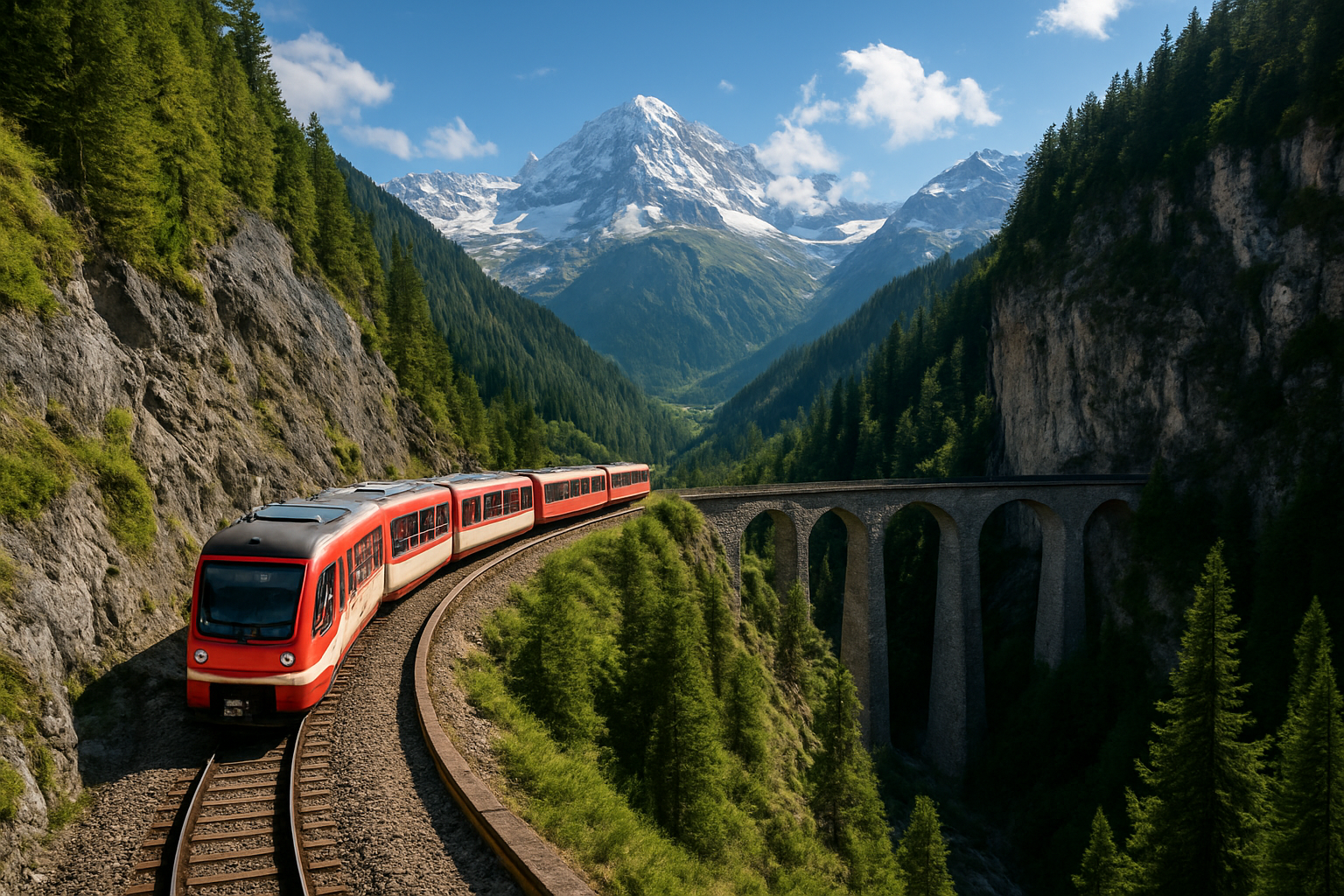
The Glacier Express stands as the world’s most famous train, proudly billing itself as “the world’s slowest express train.” This legendary rail journey connects Zermatt and St. Moritz, cutting through the Swiss Alps’ heart over approximately 7½ hours of breathtaking mountain landscapes. The route traverses deep gorges, picturesque valleys, 91 tunnels, and 291 impressive bridges, creating an unforgettable alpine adventure.
The train features panorama cars equipped with oversized windows that provide exceptional views of surrounding peaks and valleys. Operating year-round, passengers can enjoy an on-board restaurant serving local Swiss specialties or stock up on snacks for the spectacular journey. Both first and second-class accommodations are available, allowing travelers to choose their preferred comfort level. Reservations are required for this premier alpine experience, where the journey truly becomes the destination.
Bernina Express – UNESCO World Heritage Route
The Bernina Express offers what many consider Switzerland’s most scenic alpine railway, running from Chur to Tirano, Italy. This remarkable route holds UNESCO World Heritage status for the railway line from Thusis to Tirano, representing one of the Alps’ highest railways. The journey climbs to glistening glaciers before descending dramatically to Italy.
During the approximately 4-hour excursion, the train travels through 55 tunnels and crosses 196 bridges, reaching speeds of up to 70 miles per hour. The highest point reaches 2,253 meters above sea level, providing passengers with stunning panoramic views of snow-capped peaks and pristine alpine landscapes. The Bernina Express utilizes specialized panoramic coaches with enlarged windows to maximize the magnificent mountain vistas.
A multi-lingual audio guide in English, Italian, and German enhances the journey with informative commentary. The train offers both first and second-class accommodations, plus snack cars for refreshments. Reservations are mandatory for this UNESCO-recognized route that showcases some of Europe’s most spectacular alpine scenery.
Austrian Alpine Routes Through Cultural Cities
The Mittenwald Railway, known as the Karwendelbahn, creates an impressive alpine connection between Munich, Germany, and Innsbruck, Austria. This scenic route winds through the German and Austrian Alps, beginning in Garmisch-Partenkirchen and passing through the charming town of Mittenwald before reaching the Olympic resort of Seefeld in Austria.
The journey culminates with an impressive descent into Innsbruck alongside the steep Inn Valley, crossing the river via a dramatic steel bridge. Regional services operate hourly on the German section between Munich and Garmisch-Partenkirchen, with the entire north-to-south route taking approximately 2½ hours. The German Alps section provides particularly scenic views as the train climbs into mountainous terrain. No reservations are required for this accessible alpine route that combines natural beauty with cultural destinations.
Bavarian Mountain Railways to Neuschwanstein Castle
While the reference content focuses primarily on Swiss alpine routes, the Austrian Mittenwald Railway provides the closest equivalent for accessing Bavarian mountain regions from Munich. This railway system connects to Garmisch-Partenkirchen, which serves as a gateway to Bavaria’s alpine attractions and provides access to the broader Bavarian mountain railway network extending toward famous destinations like Neuschwanstein Castle.
The hourly Regionalbahn services from Munich offer travelers a scenic climb into the German Alps, with the route becoming increasingly picturesque as it approaches Garmisch-Partenkirchen. From this alpine hub, connections are available to various Bavarian mountain destinations, making it an ideal starting point for exploring Bavaria’s fairy-tale castles and mountain railways.
High-Speed Rail Networks Across Europe
Eurostar Connections from London to Continental Europe
The Eurostar revolutionizes travel between Britain and mainland Europe, utilizing the UK’s HS1 high-speed line that connects London to the Channel Tunnel. Operating since 2007, this service reaches speeds up to 300 km/h and provides seamless connections from London St. Pancras to major European destinations, including Paris, Brussels, and Amsterdam. The Eurostar forms part of the broader European high-speed network, making cross-border travel exceptionally efficient for both leisure and business travelers.
French TGV Network Through Provence and Côte d’Azur
France operates Europe’s second-largest high-speed network, spanning 2,800 kilometers of dedicated lines as of 2021. The TGV system extends from Paris into neighboring countries using standardized speeds, voltages, and signaling systems. The LGV Méditerranée line, operational since 2001, provides stunning access to the French Riviera and Provence region. TGV trains operate at maximum speeds of 300-320 km/h on dedicated high-speed lines, with various models including the TGV POS and TGV Duplex offering comfortable, efficient service through France’s most scenic southern regions.
Spanish AVE and Iryo Trains Between Major Cities
Spain boasts Europe’s most extensive high-speed rail network, covering 3,973 kilometers and ranking as the world’s second-largest after China. The AVE (Alta Velocidad Española) trains have operated since 1992 at speeds up to 300 km/h, connecting most provincial capitals to Madrid and Barcelona. The network utilizes UIC standard gauge and adopts ETCS signaling systems for enhanced safety. Major lines include the Madrid-Seville, Madrid-Zaragoza-Barcelona, Madrid-Valencia, and Madrid-Málaga routes, with ongoing expansions planned to reach 7,000 kilometers.
German Deutsche Bahn’s Efficient Inter-City Services
Germany’s ICE (InterCity Express) network began operations in 1991 with the Hannover-Würzburg route, initially operating at 280 km/h. The network now encompasses approximately 1,658 kilometers of high-speed lines, including major corridors like Berlin-Munich, Cologne-Frankfurt, and Nuremberg-Leipzig. Modern ICE trains reach speeds up to 330 km/h on recent lines, with trial speeds achieving 363 km/h. These multi-system trains seamlessly cross borders into Austria and Switzerland, connecting all major German cities while maintaining Deutsche Bahn’s reputation for punctuality and efficiency.
Inspired by these scenic routes? Head to Zen Travel Planning for mindful tools and stress‑free trip resources to plan your European adventure.
Coastal and Island Rail Adventures
Croatian Adriatic Coast Rail Routes
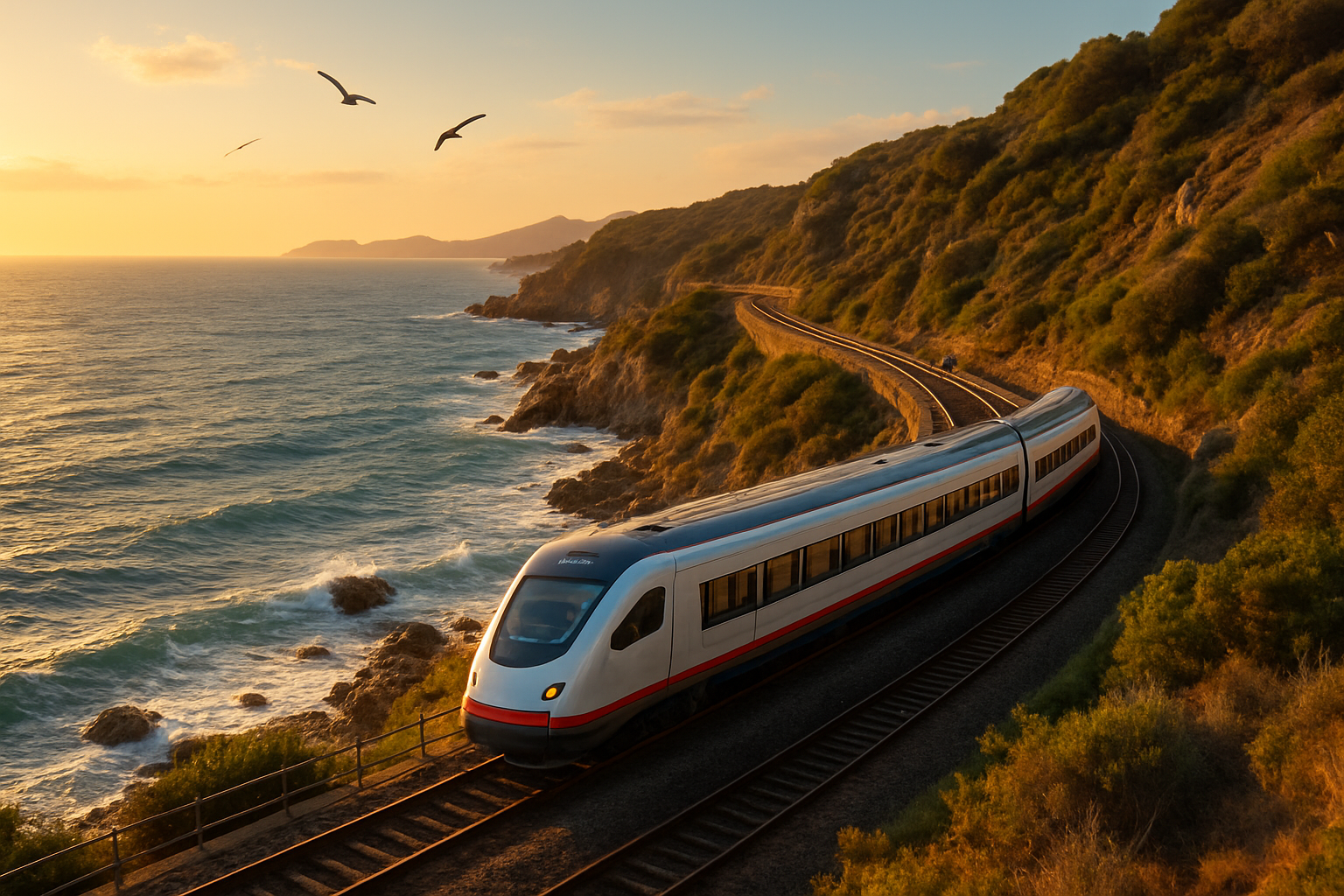
Croatia’s stunning Adriatic coastline offers limited but scenic rail connections that complement the country’s extensive bus and ferry networks. While the coastal railway infrastructure is not as developed as other European destinations, the existing routes provide glimpses of the crystalline waters and historic coastal towns that make Croatia a sought-after Mediterranean destination.
Italian Coastal Journeys to Amalfi and Sicily
Italy’s coastal rail network showcases some of Europe’s most spectacular seaside scenery. The Levanto to La Spezia route stands out as a crown jewel, offering a 30-minute journey through the UNESCO-listed Cinque Terre region. This scenic passage connects five picturesque fishing villages dotted along the Italian Riviera, where precipitous cliffs meet turquoise waters and crayola-colored cottages cling to verdant vineyard-covered slopes.
The Cinque Terre Express provides exceptional convenience for exploring Riomaggiore, Manarola, Corniglia, Vernazza, and Monterosso. While much of the track runs through tunnels, the intervals reveal breathtaking flashes of Ligurian coastline. Each village offers its unique charm – pastel houses stacked like dominoes, fishing boats resting in stone harbors, and café tables perched above the sea. For optimal sunset viewpoints and seaside piazzas, Vernazza and Manarola serve as ideal stops, while Corniglia rewards visitors with quieter atmospheres and easier coastal trail access.
The Fréjus to Ventimiglia route presents another spectacular Italian coastal experience, taking 2 hours and 11 minutes to traverse France’s Côte d’Azur before crossing into Italy. This journey passes through glitzy Cannes, pastel-colored Nice, and opulent Monaco before reaching the Italian border town of Ventimiglia.
Scandinavian Fjord and Northern Lights Routes
The Nordic countries offer dramatic coastal railways that showcase fjords, northern wilderness, and opportunities to witness the Aurora Borealis during the winter months. These routes traverse some of Europe’s most pristine and remote coastal landscapes, providing access to spectacular natural phenomena and traditional Scandinavian fishing communities.
Greek Island-Hopping Rail Connections
Greece’s rail network provides limited coastal connections, primarily serving as links to ferry terminals that enable island-hopping adventures. The mainland coastal routes offer glimpses of the Aegean and Ionian seas while connecting travelers to ports where ferry services continue the journey to Greece’s renowned island destinations.
Historic City-to-City European Rail Tours
Eastern European Capitals – Prague, Budapest, and Vienna
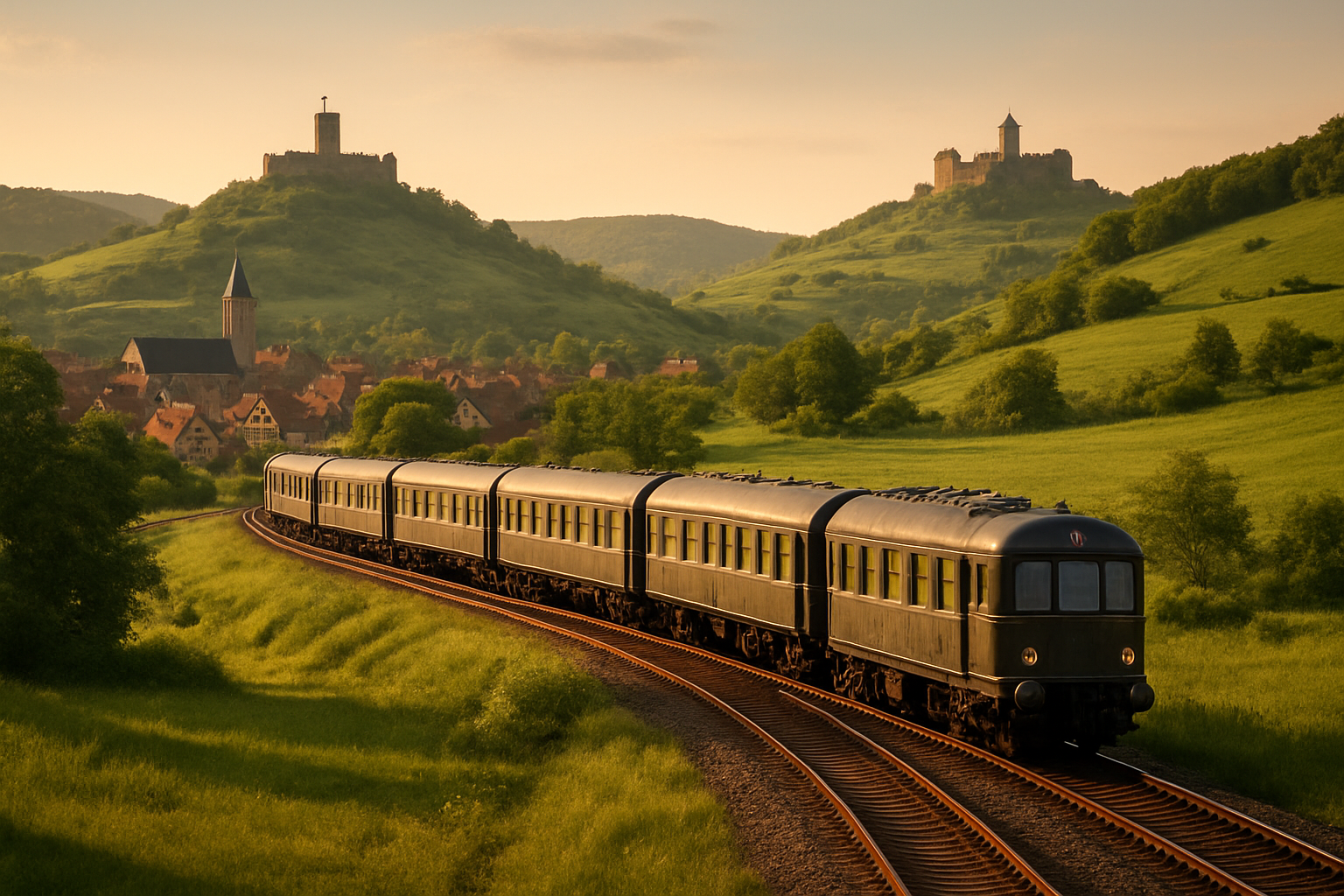
The Eastern European capitals of Prague, Budapest, and Vienna represent some of Europe’s most culturally rich destinations, all easily accessible through efficient rail networks. Prague, the jewel in the crown of the Czech Republic, showcases beautifully restored old town areas that reflect the country’s wealth of history despite being a fairly new nation. The capital’s medieval architecture and cobblestone streets create an enchanting backdrop for rail travelers seeking authentic European experiences.
Budapest stands as one of the greatest cities in Europe, distinguished by its imposing castle, diverse architectural styles, and stately banks along the Danube River. Hungarian hospitality welcomes visitors to explore this former empire’s unique culture, language, and cuisine that draws travelers from around the world. The city’s thermal baths and grand boulevards provide perfect stops along any Eastern European rail itinerary.
Vienna serves as Austria’s cultural centerpiece, offering trips focused on culturally rich cities, striking architecture, and delicious food, combined with a wonderfully efficient train network. The Austrian capital’s imperial palaces, world-class museums, and classical music heritage make it an essential destination for historic city-to-city rail tours.
Medieval Towns and UNESCO World Heritage Sites
Europe’s medieval towns and UNESCO World Heritage Sites provide extraordinary glimpses into centuries of preserved history. Slovakia’s ancient land offers diverse historical influences ranging from Celtic to Ottoman periods, with the beautifully preserved spa town of Bardejov serving as a UNESCO World Heritage Site. This remarkable destination has offered sanctuary to visitors for hundreds of years, showcasing perfectly maintained medieval architecture and traditional healing practices.
The capital city of Bratislava, nestled on the Danube, features an impressive old town that reflects the country’s rich cultural tapestry. These historic centers demonstrate how medieval European settlements have maintained their authentic character while adapting to modern rail connectivity.
Romania presents pristine medieval centers alongside shadowy hilltop castles and spectacular mountain landscapes. Rail travelers can discover the fascinating destinations of Sighisoara, Brasov, and Sibiu, each offering unique insights into medieval European life. The historical capital of Bucharest provides additional context for understanding the region’s complex past.
Belgium contributes to this medieval heritage with its abundance of beautiful, historic cities—all within easy reach by train. Travelers can explore the historic battlefields in Ypres or savor delicious Belgian chocolates in medieval Bruges, experiencing centuries of preserved European culture through comfortable rail connections.
Renaissance Italy – Florence, Rome, and Venice
Renaissance Italy offers breathtaking beauty and mouth-watering cuisine through iconic monuments, medieval towers, and quaint villages accessible by comfortable train travel. Florence stands as the crown jewel of Tuscany’s timeless beauty, where visitors can immerse themselves in Renaissance wonders while exploring the historic city center. The region’s rich artistic heritage combines perfectly with culinary traditions, creating unforgettable experiences for rail travelers.
Rome provides the eternal city experience, where ancient history meets Renaissance artistry through easily accessible train connections. The capital’s countless archaeological treasures and artistic masterpieces make it an essential stop on any Italian rail journey, offering convenient links to other historic destinations throughout the peninsula.
Venice completes the Renaissance triangle, featuring its famous canals and unique architectural heritage that has captivated visitors for centuries. From Venice’s romantic waterways to Florence’s artistic treasures and Rome’s imperial grandeur, Italy’s comprehensive rail network makes these Renaissance cities easily accessible for cultural exploration.
The Italian countryside between these historic centers offers picturesque coastal towns and lush landscapes, providing scenic backdrops as trains pass through centuries of Italian history. Sicily adds another dimension to Renaissance Italian rail travel, offering stunning scenery, rich history, and vibrant culture at a leisurely pace, with convenient connections between charming coastal towns and the rugged countryside.
Cultural Hubs of Germany and Central Europe
Germany stands as the proud home of Einstein, Beethoven, and the Brothers Grimm, featuring historic cities connected by Deutsche Bahn’s sleek and efficient trains. Rail travelers can explore riverbank cities like Cologne and Heidelberg, where medieval centers blend seamlessly with modern German culture. The country’s cultural hubs include Berlin and Leipzig, destinations that showcase Germany’s intellectual and artistic heritage through world-class museums and historic districts.
Medieval centers such as Nuremberg provide authentic glimpses into German history, while Bavaria’s southern regions offer stunning Alpine landscapes combined with charming villages and rich cultural heritage. As Germany’s largest state, Bavaria houses famous attractions, including Neuschwanstein Castle and the historic city of Munich, all accessible through the comprehensive German rail network.
Central Europe extends this cultural richness through countries like Slovenia, which offers unspoiled, breathtaking scenery, including Alpine peaks, lake resorts, waterfalls, vineyards, and UNESCO World Heritage-listed caves. The dramatic coastline adds coastal diversity to mountain and cultural experiences.
Luxembourg, the world’s only Grand Duchy, demonstrates how even diminutive countries can offer significant cultural experiences. Luxembourg City perches dramatically amid deep gorges, featuring beautiful medieval ruins and intriguing ancient tunnel networks. The northern regions provide additional scenic and cultural attractions, all connected through efficient European rail systems that make cultural hub exploration seamless and comfortable.
Luxury and Scenic Train Experiences
Belmond Royal Scotsman Through Scottish Highlands
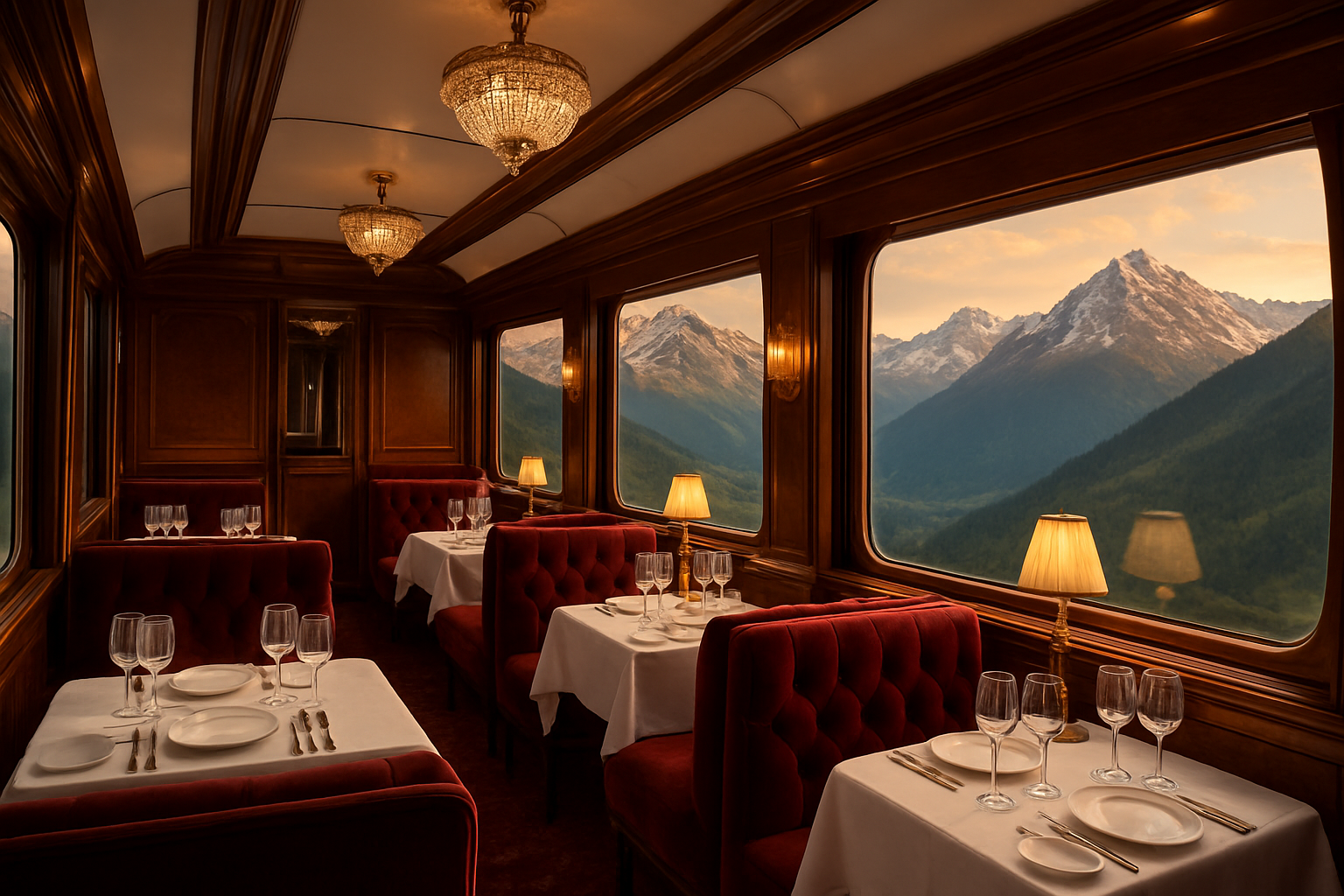
The Royal Scotsman stands as one of Europe’s most prestigious luxury train experiences, offering an unparalleled journey through Scotland’s wild Highlands. This cross-country train showcases the epic beauty of Scotland’s rugged landscapes while providing guests with an atmosphere of refined elegance reminiscent of the Golden Age of rail travel.
The train features private cabins dressed in plush fabrics and rich furnishings, creating an intimate and luxurious environment for travelers. Tastefully appointed observation cars allow guests to immerse themselves in the breathtaking Highland scenery, while uniformed attendants ensure comfort from start to finish. The meticulously restored carriages transport passengers to an era of refined travel, with intricate craftsmanship evident in polished wood panels and sumptuous furnishings.
Swiss Panoramic Routes with Mountain Views
Swiss luxury rail journeys offer some of Europe’s most spectacular mountain vistas, combining engineering marvels with unparalleled comfort. These routes showcase Switzerland’s alpine beauty while maintaining the highest standards of service and amenities that define luxury train travel in Europe.
Norwegian Scenic Railways Along Fjords
Norway’s scenic railways provide dramatic fjord landscapes accessible through luxury train experiences that emphasize both natural beauty and sophisticated comfort. These journeys represent some of the world’s great train trips, offering passengers authentic regional experiences wrapped in nostalgia.
French Riviera Glamorous Coastal Journeys
The French Riviera’s coastal rail routes epitomize European luxury train travel, combining Mediterranean glamour with the refined elegance of bygone eras. These journeys feature gourmet dining experiences in elegant dining cars and intimate lounges where guests can unwind with fine wine while admiring coastal vistas. Attentive staff provide personalized service throughout the journey, ensuring every detail exceeds expectations while passengers enjoy luxurious amenities designed to enhance their travel experience.
Practical Benefits of European Rail Travel
Airport-Free Convenience and City Center Connections
One of the most compelling advantages of European rail travel is the elimination of airport hassles and the direct connection to city centers. Unlike air travel, which requires arriving hours in advance for check-in, security screenings, and metal detectors, train travel offers remarkable simplicity. Check-in literally means just getting on the train – no need to remove shoes, wait in long security lines, or arrive hours before departure.
The strategic positioning of train stations provides unmatched convenience. Major railway stations are typically located right in the heart of cities, with shops, restaurants, and hotels just steps away. This central location means you can step off the train and immediately begin exploring your destination, sampling street food, or walking directly to your accommodation. This eliminates the time and expense of airport transfers that plague air travel, where airports are often situated far outside city centers.
Comprehensive Network Covering 40+ Countries
Europe’s extensive railway infrastructure creates an interconnected web of destinations across the continent. Nearly every city features a train station, with most served by multiple daily departures. On domestic routes, trains often run hourly or more frequently, providing exceptional flexibility for travelers.
This comprehensive network extends seamlessly across borders, particularly within the Schengen zone, where passengers can move effortlessly between countries without extensive identity checks. When border controls do occur, they typically happen while seated comfortably during the journey, avoiding the tiring queues and lengthy waits associated with airport immigration procedures. The rail system effectively connects diverse European cultures, allowing travelers to experience everything from ancient Roman ruins to contemporary architecture while moving efficiently between destinations.
Comfortable Travel with Scenic Views
European trains offer significantly more space and comfort compared to buses, cars, or planes. Modern rolling stock features comfortable seating with ample legroom, WiFi connectivity, power outlets, and dining cars that transform travel time into a pleasant experience. Passengers enjoy the freedom to move between carriages, take short walks, read, or engage in conversations with fellow travelers.
The scenic perspectives available from train windows are unparalleled. Europe’s picturesque landscapes unfold like animated postcards – from Tuscan vineyards filled with the scent of grapes to snow-covered winter wonderlands, German vineyards, Swiss Alps, Provence’s lavender fields, and Scotland’s lochs. These breathtaking vistas are often invisible when traveling by road or air, providing unique viewpoints of world-class natural beauty that make the journey itself part of the destination experience.
Easy Access to Multiple Destinations in One Trip
The interconnected nature of European rail networks makes multi-destination travel remarkably straightforward. The extensive high-speed train infrastructure significantly reduces travel times between major cities, freeing up more time for exploration rather than transit. This efficiency allows travelers to visit multiple countries and cities within a single trip without the complexity of multiple airport transfers or car rentals.
Rail travel also provides access to charming small towns and quaint villages often overlooked by other transportation methods. These lesser-known destinations, far from overcrowded tourist trails, offer authentic cultural experiences and hidden gems full of character. The flexibility of train schedules, combined with relaxed luggage policies that eliminate strict size and weight restrictions, makes it easy to explore beyond the beaten path and discover Europe’s diverse cultural tapestry through meaningful local interactions.
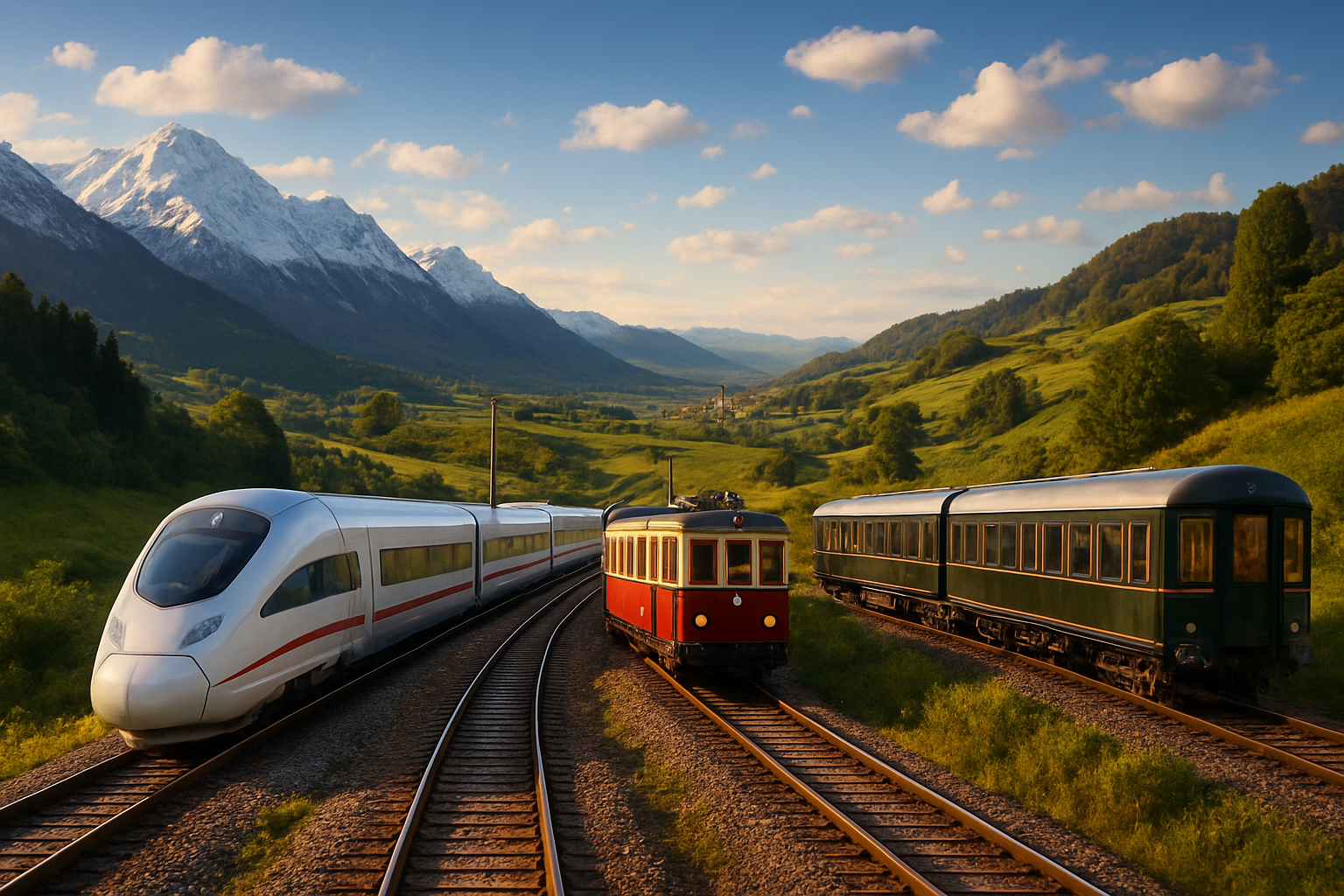
Europe’s extensive rail network opens up a world of extraordinary travel experiences, from the breathtaking alpine scenery of the Glacier Express and Bernina Express to the high-speed efficiency of modern rail connections linking vibrant cities like Paris, Vienna, and Prague. Whether you’re drawn to the dramatic fjords accessible from Bergen, the medieval charm of destinations like Bruges and Dubrovnik, or the sun-soaked coastlines of the French Riviera and Amalfi Coast, train travel offers an unmatched way to explore the continent’s diverse landscapes and rich cultural heritage.
Beyond the scenic beauty and cultural immersion, European rail travel provides practical advantages that make it an ideal choice for modern travelers. The comprehensive network eliminates the stress of airports and driving, while comfortable trains with excellent amenities ensure your journey is as enjoyable as your destination. With convenient connections between major cities and access to remote mountain villages, coastal towns, and historic sites, train travel in Europe transforms transportation into an integral part of your adventure, creating memories that last long after you return home.
Subscribe to The Zen Journal for mindful travel tips and curated guides to Europe’s best journeys!