
Transform Your Life One Small Step at a Time Through Your Personal Wellness Hub
Welcome to The Zen Journal’s Wellness Hub — your space for practical self‑care and mindful living. Here you’ll find simple rituals, stress‑relief practices, and wellness strategies designed for busy professionals who want balance without overwhelm. This hub brings together curated tips, tools, and inspiration to help you recharge and thrive in everyday life.
What Is a Wellness Hub?
A wellness hub is your personal space and practice system designed to support your physical, mental, and emotional health. It’s not about perfect routines or expensive equipment. Instead, it’s about adopting a gentle, sustainable approach to caring for yourself.
Your wellness hub can be:
- A quiet corner of your bedroom with a comfortable cushion
- Your kitchen table, where you enjoy mindful meals
- A notebook where you track your small daily wins
- Even just a few minutes of breathing space in your car
The key is making it yours and keeping it simple. Your wellness hub should feel welcoming, not stressful. It should be a place where you can return to yourself, not another item on your to-do list.
Benefits of Having Your Own Wellness Hub
When you create your own wellness hub, you’re permitting yourself to prioritize your well-being. Research shows that people who have dedicated spaces and routines for wellness activities are more likely to stick with healthy habits in the long term.
Some immediate benefits include:
- Reduced stress and anxiety levels
- Better sleep quality
- Improved focus and concentration
- Stronger immune system
- Greater sense of life satisfaction
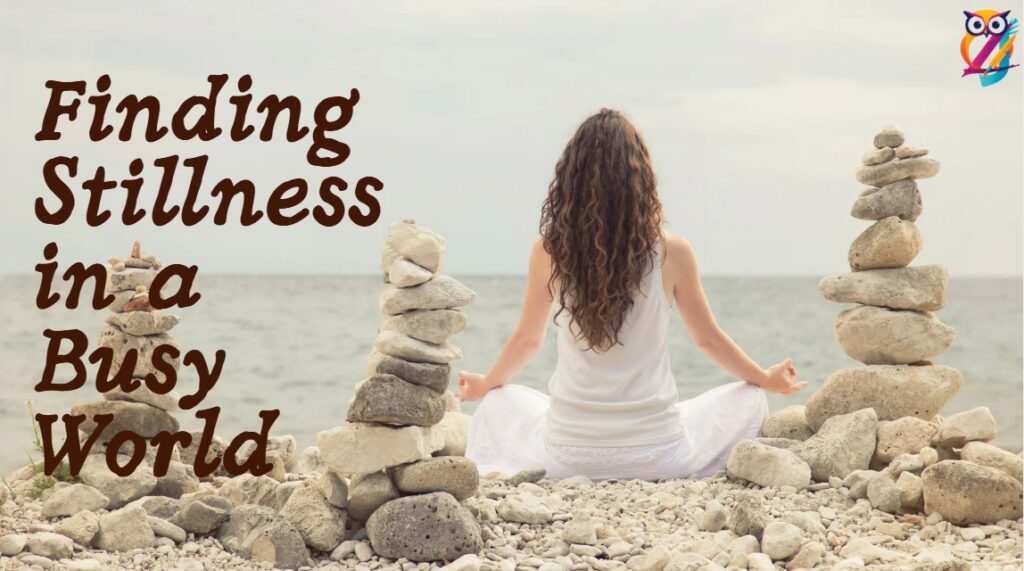
Meditation: Finding Stillness in a Busy World
Meditation: finding stillness in a busy world might sound challenging, but it’s actually one of the most accessible wellness practices you can start today. You don’t need special clothes, expensive apps, or hours of free time.
Simple Ways to Start Meditating
Morning Breath Focus
Start with just 3 minutes each morning. Sit comfortably and focus on your breathing. When your mind wanders (and it will), gently bring your attention back to your breath. This isn’t about stopping thoughts – it’s about noticing them without judgment.
Walking Meditation
If sitting still feels difficult, try walking meditation. Take a slow 5-minute walk and focus on the feeling of your feet touching the ground. Notice the sounds around you without trying to identify or judge them.
Bedtime Body Scan
Before sleep, spend 5-10 minutes mentally checking in with different parts of your body. Start with your toes and work your way up, noticing any tension and breathing into those areas.
Making Meditation Work for Your Schedule
The beauty of meditation is its flexibility. You can practice:
- While waiting for your coffee to brew
- During your lunch break
- In the car before going to work
- While your kids are having quiet time
The goal isn’t perfect silence or an empty mind. It’s about creating small moments of awareness throughout your day. Even 30 seconds of conscious breathing can help reset your nervous system and bring you back to the present moment.
According to the World Health Organization, stress management is key to overall wellness.
Common Meditation Myths Debunked
Many people avoid meditation because of misconceptions:
- Myth: You need to clear your mind completely
- Reality: Thoughts are normal; noticing them is the practice
- Myth: You need at least 20-30 minutes
- Reality: Even 2-3 minutes can be beneficial
- Myth: You need perfect posture
- Reality: Comfort is more important than looking “right.”
For quick routines, explore my Yoga for Anxiety guide.
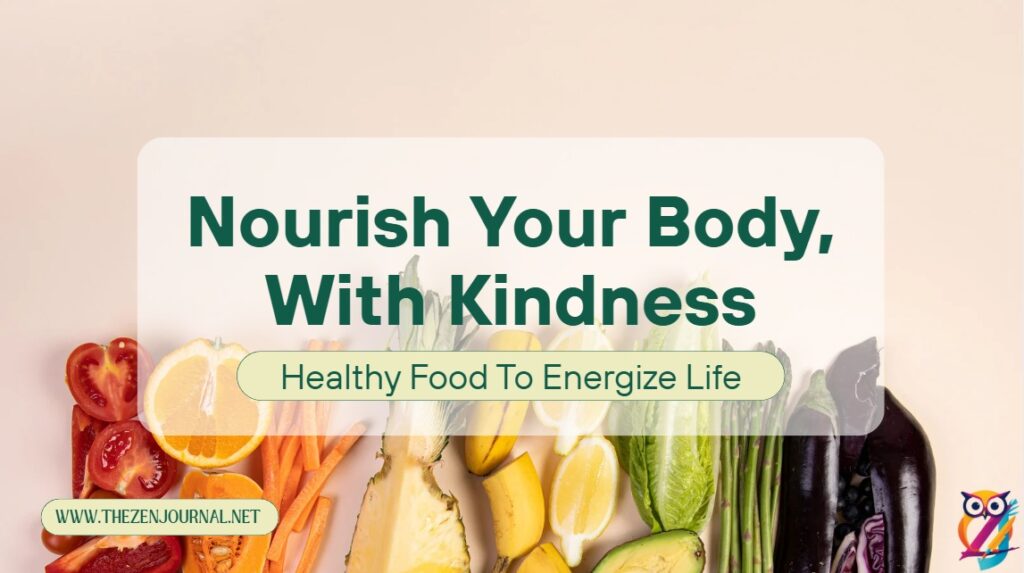
Nourishing Your Body with Kindness
Nourishing your body with kindness means moving away from restriction and punishment toward care and respect. This approach focuses on how foods make you feel rather than following strict rules or counting every calorie.
The Kindness-First Approach to Eating
Instead of asking “Is this food good or bad?” try asking:
- “How will this make me feel in an hour?”
- “What does my body need right now?”
- “Am I eating because I’m hungry or for another reason?”
This shift in thinking helps you develop a healthier relationship with food and your body. You start making choices based on self-care rather than self-control.
Practical Ways to Eat with Kindness
Slow Down Your Meals
Eating slowly helps your body recognize when it’s satisfied. Try putting your fork down between bites or having a conversation during meals. This simple change can improve digestion and help you enjoy your food more.
Add Before You Subtract
Instead of focusing on foods to avoid, think about nourishing foods you can add:
- Add extra vegetables to your pasta
- A piece of fruit with your afternoon snack
- A glass of water before each meal
- Herbs and spices for flavor and health benefits
Listen to Your Body’s Signals
Your body is constantly giving you information about what it needs. Pay attention to:
- Energy levels after different meals
- How various foods affect your mood
- Physical hunger versus emotional eating triggers
- Foods that make you feel strong and satisfied
Building a Positive Food Environment
Your wellness hub should include creating a supportive food environment:
- Keep nourishing snacks visible and accessible
- Prepare simple, healthy meals you actually enjoy
- Create pleasant eating spaces free from distractions
- Stock your kitchen with foods that make you feel good
Tiny Habits, Big Shifts
The concept of tiny habits, big shifts is based on the idea that small, consistent actions create lasting change better than dramatic overhauls. When you focus on habits that take less than two minutes to complete, you’re more likely to stick with them.
The Science Behind Tiny Habits
Our brains love consistency and patterns. When you repeat a small action regularly, it becomes automatic. This is why brushing your teeth doesn’t require willpower – it’s become a habit.
Research from Stanford University shows that tiny habits work because they:
- Don’t overwhelm your decision-making capacity
- Build confidence through small wins
- Create momentum for bigger changes
- Fit easily into existing routines
Examples of Tiny Wellness Habits
Physical Health
- Do 5 push-ups after brushing your teeth
- Take the stairs instead of the elevator once per day
- Drink one extra glass of water with each meal
- Stretch for 2 minutes when you get out of bed
Mental Health
- Write down one thing you’re grateful for each morning
- Take three deep breaths before checking your phone
- Spend 30 seconds tidying one small area
- Say one kind thing to yourself in the mirror
Emotional Health
- Text one friend or family member daily
- Spend 2 minutes in nature each day
- Practice saying “no” to one small thing you don’t want to do
- Permit yourself to rest for 5 minutes without guilt
How to Build Tiny Habits That Stick
Start Ridiculously Small
If you want to start exercising, begin with putting on your workout clothes, not with a 45-minute workout. If you want to meditate, start by taking one conscious breath, not by sitting for 20 minutes.
Anchor New Habits to Existing Ones
Connect your new tiny habit to something you already do consistently:
- After I pour my coffee, I’ll write in my gratitude journal
- After I brush my teeth, I’ll do 10 jumping jacks
- After I get in my car, I’ll take three deep breaths
Celebrate Small Wins
Acknowledge each time you complete your tiny habit. This could be as simple as saying “Good job!” to yourself or making a check mark on a calendar. Celebration helps your brain remember that this behavior is worthwhile.
Creating Your Personal Wellness Space
Your physical wellness hub doesn’t need to be elaborate or expensive. It just needs to be intentional and personal to you.
Designing Your Space
Choose Your Location
Your wellness space can be:
- A corner of your bedroom with a comfortable chair
- Your bathroom counter with nice skincare products
- A spot in your garden or balcony
- Even your car if that’s where you have the most privacy
Keep It Simple
Essential elements for any wellness space:
- Comfortable seating or standing area
- Good lighting (natural light when possible)
- A few items that make you feel calm (plants, photos, candles)
- Easy access to water
- Minimal distractions
Make It Personal
Include items that bring you joy:
- Photos of loved ones or meaningful places
- A small plant or fresh flowers
- Your favorite tea or essential oils
- A soft blanket or cushion
- Books or journals that inspire you
Organizing Your Wellness Tools
Keep your wellness practices simple by organizing helpful tools:
- A water bottle you actually like using
- Comfortable clothes for movement or relaxation
- A notebook for thoughts, goals, or gratitude
- Any apps or resources that support your practice
- Healthy snacks that are easy to grab
Building Sustainable Wellness Routines
Creating routines that last means building flexibility into your wellness hub approach. Life changes, schedules shift, and energy levels vary – your wellness practices should be able to adapt.
Morning Wellness Rituals
A gentle morning routine can set a positive tone for your entire day:
The 10-Minute Morning
- 3 minutes: Gentle stretching or movement
- 3 minutes: Mindful breathing or meditation
- 2 minutes: Drinking water and setting an intention
- 2 minutes: Eating something nourishing
The 5-Minute Morning
- 2 minutes: Deep breathing while still in bed
- 1 minute: Gentle stretching
- 2 minutes: Thinking of three things you’re looking forward to
Evening Wind-Down Practices
Evening routines help your body and mind transition to rest:
The Gentle Evening
- Put away screens 30 minutes before bed
- Spend 5 minutes tidying your space
- Take 10 minutes for gentle stretching or a warm bath
- Write down three good things from your day
- Practice 5 minutes of breathing or meditation
Weekly Wellness Check-ins
Once a week, spend 10-15 minutes reflecting on your wellness journey:
- What felt good this week?
- What was challenging?
- What small adjustment could help next week?
- How is your energy level?
- What does your body need more of?
Common Wellness Challenges and Solutions
Building your wellness hub isn’t always smooth. Here are common challenges and gentle solutions:
Challenge: “I Don’t Have Time”
Solution: Start with 2-minute practices. Time yourself doing your current routine – you might find 2 minutes between activities you’re already doing.
Realistic Time-Savers:
- Meditate while your coffee brews
- Do calf raises while brushing teeth
- Practice gratitude during your commute
- Stretch while watching TV
Challenge: “I Keep Forgetting”
Solution: Connect new habits to existing strong habits and use visual reminders.
Memory Helpers:
- Set phone reminders for the first two weeks
- Leave notes where you’ll see them
- Put wellness tools where you can’t miss them
- Ask family or friends for gentle accountability
Challenge: “I Feel Guilty Taking Time for Myself”
Solution: Remember that taking care of yourself helps you take better care of others.
Mindset Shifts:
- Self-care is not selfish – it’s necessary
- You deserve the same kindness you show others
- Taking breaks helps prevent burnout
- Your wellness habits model healthy behavior for others
Challenge: “I’m Not Seeing Results Fast Enough”
Solution: Focus on how you feel rather than external changes, and remember that sustainable change takes time.
Ways to Notice Progress:
- Better sleep quality
- Feeling more patient with others
- Increased energy during the day
- Less anxiety about small problems
- Greater enjoyment of simple pleasures
Your wellness hub: a gentle path to a healthier, happier you isn’t about perfection or dramatic transformations. It’s about creating sustainable practices that support your well-being over time. Through meditation, nourishing your body with kindness, and focusing on tiny habits that create big shifts, you’re building a foundation for lasting health and happiness.
Remember, your wellness journey is unique to you. What works for others might not work for you, and that’s perfectly fine. The goal is to create a collection of practices that feel good, fit your life, and help you feel more like yourself.
Start small, be patient with yourself, and celebrate the tiny steps forward. Your future self will thank you for the kindness you show yourself today.
💬 Final Thought
Wellness is a journey, not a checklist. Thank you for visiting The Zen Journal’s Wellness Hub — I hope these practices inspire balance in your daily routine. For more mindful living resources, explore Zen Essentials or subscribe to receive wellness tips and inspiration straight to your inbox.
✨ Join the journey toward a more intentional, balanced, and peaceful life ✨