
Life‑changing Mindfulness Lessons: 7 Insights That Can Transform Your Daily Life
Life‑changing mindfulness lessons can reshape the way you move through your day, and The Miracle of Mindfulness offers some of the most grounding teachings to begin with. Thich Nhat Hanh’s gentle guidance helps you slow down, reconnect with the present moment, and find calm even in the middle of a busy life. These seven insights show how simple practices—such as mindful breathing, acceptance, and everyday awareness—can bring more clarity, ease, and presence to everything you do.
Transform Your Relationship with the Present Moment
Break Free from Mental Time Travel
Your mind spends most of its time anywhere but the present. You’re either replaying yesterday’s conversations, planning tomorrow’s meetings, or worrying about next week’s deadlines. This constant mental time travel robs you of the only moment you truly have—right now.
When you catch your thoughts drifting to past regrets or future anxieties, you’re missing the richness of what’s happening in front of you. That morning coffee becomes just fuel for your body, rather than a moment of warmth and comfort. Your child’s laughter fades into the background as you mentally rehearse a work presentation.
Breaking this habit starts with recognizing when you’ve left the present. Notice how your body feels when your mind wanders—tension in your shoulders, shallow breathing, a clenched jaw. These physical signals become your anchors back to now. The moment you realize you’ve been time-traveling, gently return your attention to whatever you’re doing in this exact moment.
Discover the Power of the Here and Now
The present moment holds incredible power that you’ve likely underestimated. When you fully inhabit the here and now, you tap into a source of clarity, creativity, and peace that’s always available to you.
Think about moments when you’ve been completely absorbed—watching a sunset, having a deep conversation, or working on something you love. Time seemed to disappear, worries faded, and you felt fully alive. This is your natural state when you’re truly present.
You can access this power anywhere, anytime. While washing dishes, instead of rushing through the task, feel the warm water on your hands, notice the soap bubbles, and hear the gentle splash of water. This simple shift transforms a mundane chore into a moment of mindfulness.
Your creativity flourishes in the present moment because your mind isn’t cluttered with past and future concerns. Solutions to problems often appear when you stop forcing your thoughts and simply be with what is. The present moment becomes your greatest teacher, showing you what truly matters and what you can safely let go.
Eliminate Anxiety Through Present-Moment Awareness
Anxiety lives in the gap between where you are and where your mind thinks you should be. It feeds on your stories about the future—what might go wrong, what you need to control, what you can’t handle. But when you anchor yourself in the present moment, anxiety loses its grip.
Your breath becomes your most reliable tool for returning to now. When anxious thoughts spiral, focus on the physical sensation of breathing—the cool air entering your nostrils, your chest rising and falling, the brief pause between inhale and exhale. You can’t be fully present and anxious at the same time.
Notice how anxiety changes when you bring present-moment awareness to it. Instead of fighting the feeling or getting caught in its story, simply observe it with curiosity. Where do you feel it in your body? What does it actually feel like, beyond the scary stories your mind creates?
This approach doesn’t make anxiety disappear overnight, but it changes your relationship with it. You discover that feelings, even uncomfortable ones, are temporary visitors that come and go when you stop feeding them with resistant thoughts. Present-moment awareness becomes your sanctuary, a place of stability in the midst of life’s inevitable storms.
If you’re new to mindful breathing, you may enjoy my Yoga Hub to start a simple daily breathing practice.
Master the Art of Mindful Breathing for Inner Peace
Use Breath as Your Anchor to Calm
Your breath is always with you, making it the perfect tool for finding calm in any situation. When your mind races with worries or your body tenses with stress, you can return to this simple, reliable anchor. Think of your breath as a steady friend who never leaves your side – one that can guide you back to peace whenever you need it.
The beauty of using breath as your anchor lies in its accessibility. You don’t need special equipment, a quiet room, or hours of free time. Whether you’re stuck in traffic, dealing with a difficult conversation, or feeling overwhelmed at work, your breath is right there waiting to help you reset.
Start by simply noticing your natural breathing pattern without trying to change it. Feel the gentle rise and fall of your chest, the cool air entering your nostrils, and the warm air leaving your body. When your attention wanders to thoughts, emotions, or external distractions, gently guide it back to your breath. This isn’t about perfection – it’s about creating a habit of returning to your center.
Practice Simple Breathing Techniques for Daily Life
You can weave powerful breathing techniques into your daily routine without disrupting your schedule. These practices work best when they become as natural as brushing your teeth or checking your phone.
The 4-7-8 Technique works wonders for quick stress relief. Breathe in through your nose for 4 counts, hold for 7, then exhale through your mouth for 8. Repeat this cycle 3-4 times whenever you need instant calm.
Box Breathing helps you regain focus during busy days. Inhale for 4 counts, hold for 4, exhale for 4, and hold empty for 4. Picture drawing a square with your breath – each side representing one part of the cycle.
Belly Breathing connects you with deeper relaxation. Place one hand on your chest and another on your belly. Breathe so that only your bottom hand moves, allowing your diaphragm to do the work while your chest stays relatively still.
You can practice these techniques while:
- Waiting for your morning coffee to brew
- Standing in line at the grocery store
- Before important meetings or phone calls
- During your commute (especially at red lights)
- Right before meals to aid digestion
Experience Immediate Stress Relief Through Conscious Breathing
Conscious breathing creates an instant shift in your nervous system, moving you from fight-or-flight mode into a state of calm alertness. When stress hormones flood your system, your breathing becomes shallow and rapid. By taking control of your breath, you send a direct message to your brain that everything is okay.
The moment you feel tension building, pause and take three deep, conscious breaths. Make your exhales longer than your inhales – this activates your parasympathetic nervous system, which is responsible for the body’s rest and repair functions. You’ll notice your shoulders dropping, your jaw unclenching, and your mind clearing almost immediately.
For deeper relief, try the 5-5-5 breathing pattern. Inhale for 5 counts, hold for 5, and exhale for 5. Repeat this for 2-3 minutes, and you’ll feel a noticeable shift in your energy and mood. Your heart rate will slow, your blood pressure will drop, and your mind will feel more spacious and clear.
Build Emotional Resilience with Breath Awareness
Regular breath awareness practice strengthens your emotional resilience, just as exercise strengthens your muscles. When you consistently pay attention to your breathing, you develop the ability to stay centered during emotional storms rather than getting swept away.
Your breath reflects your emotional state – short and choppy when anxious, deep and slow when relaxed, irregular when excited. By observing these patterns without judgment, you gain valuable insight into your inner world. This awareness creates space between you and your emotions, giving you the power to respond thoughtfully rather than react impulsively.
Building Your Daily Practice:
| Time of Day | Technique | Duration | Benefit |
|---|---|---|---|
| Morning | Belly Breathing | 5 minutes | Sets calm tone for the day |
| Midday | Box Breathing | 2-3 minutes | Resets focus and energy |
| Evening | 4-7-8 Technique | 3-4 cycles | Prepares mind and body for rest |
Start with just 5 minutes of breath awareness each day. Sit comfortably, close your eyes, and simply watch your breath flow in and out. When difficult emotions arise throughout your day, return to this practice. Over time, you’ll notice that challenges that once overwhelmed you become manageable, and your overall emotional stability will improve dramatically.
For more guidance rooted in Thich Nhat Hanh’s teachings, you can explore the mindfulness resources shared by Plum Village, his global community of practice.
Cultivate Deep Awareness in Everyday Activities

Turn Routine Tasks into Mindfulness Practices
Your daily routines hold hidden opportunities for profound awareness. When you wash dishes, feel the warm water flowing over your hands and notice the smooth texture of each plate. The simple act of cleaning becomes a meditation when you bring your full attention to the sensations, sounds, and movements involved.
Walking to work becomes a mindfulness practice when you focus on each step as it touches the ground. Feel your feet making contact with the pavement, notice how your weight shifts from heel to toe, and observe the rhythm of your natural gait. This isn’t about walking slower—it’s about being fully present with whatever pace feels right.
Even folding laundry becomes sacred when you approach it with awareness. Notice the texture of different fabrics, the warmth of clothes fresh from the dryer, and the satisfying precision of creating neat stacks. Your mind might wander to your to-do list, but gently guide your attention back to the physical sensations and movements of your hands.
The key lies in choosing one daily routine as your mindfulness anchor. Whether it’s brushing your teeth, making coffee, or driving familiar routes, commit to bringing complete presence to that single task. This practice rewires your brain to find richness in ordinary moments.
Find Joy in Simple Daily Moments
Your capacity for joy doesn’t depend on extraordinary experiences—it lives in the smallest details of your regular day. When you sip your morning coffee, pause to appreciate the warmth spreading through your chest and the rich aroma filling your nostrils. This moment contains everything you need for contentment.
Notice how sunlight streams through your window at different times of day. The way it illuminates dust particles floating in the air or creates patterns on your walls offers endless fascination when you actually pay attention. These light displays happen every day, but most people miss them entirely.
Your conversations with family, friends, or even strangers at the grocery store become sources of deep satisfaction when you listen with your whole being. Hear not just their words but the emotions behind them, the pauses between sentences, and the unique cadence of their voice. Human connection reveals its magic when you’re fully present for it.
The texture of your pet’s fur, the sound of rain on your roof, or the feeling of clean sheets against your skin—these experiences surround you constantly. Your awareness acts like a spotlight, illuminating whichever moment you choose to focus on. The more you practice noticing beauty in simple things, the richer your entire life becomes.
Develop Heightened Sensory Awareness
Your senses serve as gateways to the present moment, but most people use only a fraction of their sensory capacity. Start with intentional listening—sit quietly and identify every sound around you. You’ll discover layers of audio that normally fade into background noise: distant traffic, your refrigerator humming, birds outside your window, even your own heartbeat.
Visual awareness extends far beyond just “seeing.” Look at familiar objects as if encountering them for the first time. Notice color variations, shadows, reflections, and textures. That coffee mug you use every morning has chips, stains, and surface patterns you’ve never really observed. Your environment becomes fascinating when you fully engage your visual senses.
Touch awareness transforms your interaction with the world. Feel the temperature and texture of everything you handle—doorknobs, fabrics, your phone’s surface, your own skin. Notice how different materials affect your fingertips and palms. This tactile engagement grounds you firmly in physical reality.
Taste and smell often work together to create rich sensory experiences. Don’t just eat your food—explore its flavors, temperatures, and textures with curiosity. Smell the air around you throughout the day, noticing how scents change in different locations and weather conditions.
Practice focusing on one sense at a time for several minutes, then gradually combine multiple senses for deeper awareness. This sensory training sharpens your ability to stay present and adds remarkable depth to ordinary experiences.
Release Mental Burdens Through Acceptance
Stop Fighting Against Reality
Your mind constantly battles with what’s happening right now. You wish your boss were different, your commute were shorter, or your relationship were perfect. This mental wrestling match exhausts you and creates unnecessary suffering. When you stop fighting reality, you free up enormous amounts of mental energy that you’ve been wasting on impossible battles.
Think about the last time you got caught in traffic. You probably felt your shoulders tense, your jaw clench, and your mind race with frustration. But did any of that resistance make the cars move faster? Your suffering came not from the traffic itself, but from your refusal to accept the present moment as it was.
Acceptance doesn’t mean giving up or becoming passive. You can still take action to improve your situation while acknowledging what’s actually happening right now. When you accept that traffic exists, you might choose a different route next time or leave earlier. But in this moment, you can breathe deeply and use the time for reflection instead of fuming.
Your resistance to reality shows up in countless ways throughout your day. You resist feeling tired, being stuck in line, or dealing with difficult people. Each act of resistance creates a small war in your mind. By practicing acceptance, you declare peace with the present moment and discover that most situations aren’t as unbearable as your resistance made them seem.
Transform Your Response to Difficult Emotions
You’ve been taught to avoid, suppress, or quickly fix uncomfortable emotions. When sadness arises, you distract yourself. When anger surfaces, you push it down or explode. When anxiety creeps in, you frantically search for ways to make it disappear. This approach keeps you trapped in cycles of emotional reactivity and prevents you from developing true emotional intelligence.
Difficult emotions aren’t your enemies—they’re messengers carrying important information about your needs, values, and boundaries. When you learn to sit with these emotions without immediately trying to change them, you discover they’re not as overwhelming as you imagined. Your fear of feeling becomes scarier than the actual feeling itself.
Start by naming what you’re experiencing: “I notice anger in my chest” or “I feel sadness behind my eyes.” This simple act of acknowledgment creates space between you and the emotion. You’re not the anger—you’re the one observing the anger. This distinction changes everything.
Watch how emotions move through your body like weather patterns. They arise, intensify, and naturally fade when you don’t feed them with stories or resistance. Your anxiety about a presentation will peak and then subside. Your frustration with a friend will soften when you stop rehearsing your grievances.
Find Freedom in Letting Go of Control
You spend enormous amounts of energy trying to control outcomes, other people’s opinions, and future events. Your mind believes that if you worry enough, plan perfectly, or manipulate circumstances just right, you can guarantee the results you want. This illusion of control creates constant stress and disappointment when life inevitably unfolds differently than expected.
Real freedom comes when you recognize the difference between what you can and cannot control. You can control your actions, responses, and where you place your attention. You cannot control other people’s choices, natural disasters, or the passage of time. This recognition isn’t depressing—it’s liberating.
When you let go of trying to control outcomes, you can put your full energy into what actually matters: showing up authentically, doing your best work, and responding skillfully to whatever arises. Your performance improves because you’re not divided between acting and trying to control the results at the same time.
Notice how much mental space opens up when you stop micromanaging the universe. Instead of exhausting yourself with worst-case scenarios and backup plans for your backup plans, you can be present for what’s actually happening. Your relationships improve because people sense your acceptance rather than your need to change them.
Embrace Life’s Impermanence with Grace
Everything in your life is temporary—your job, your relationships, your current living situation, your youthful body, and even your problems. Your mind often forgets this fundamental truth, treating temporary situations as permanent and clinging desperately to things that are naturally changing.
When you’re suffering, remembering impermanence brings comfort. Your current difficulties won’t last forever. The intense grief you’re feeling will soften over time. The conflict with your partner will be resolved or transformed. Your financial struggles will shift. Nothing stays exactly the same.
When you’re happy, impermanence might initially seem threatening. You want to freeze perfect moments and keep them forever. But accepting impermanence actually deepens your appreciation for good times. You savor experiences more fully when you know they won’t last. You hug your loved ones a little tighter, notice sunsets more vividly, and feel more grateful for simple pleasures.
Your resistance to change creates suffering, while accepting life’s fluid nature brings peace. You can love deeply while knowing relationships evolve. You can work passionately while understanding career shifts. You can enjoy your health while accepting that bodies age. This isn’t pessimism—it’s wisdom that allows you to engage fully with life while holding it lightly.
✨ Looking for more ways to bring calm into your routine? Visit my YOGA BLOG for accessible practices and soulful guidance designed to support mindful living.
Strengthen Your Mind Through Regular Meditation Practice
Build Mental Discipline and Focus
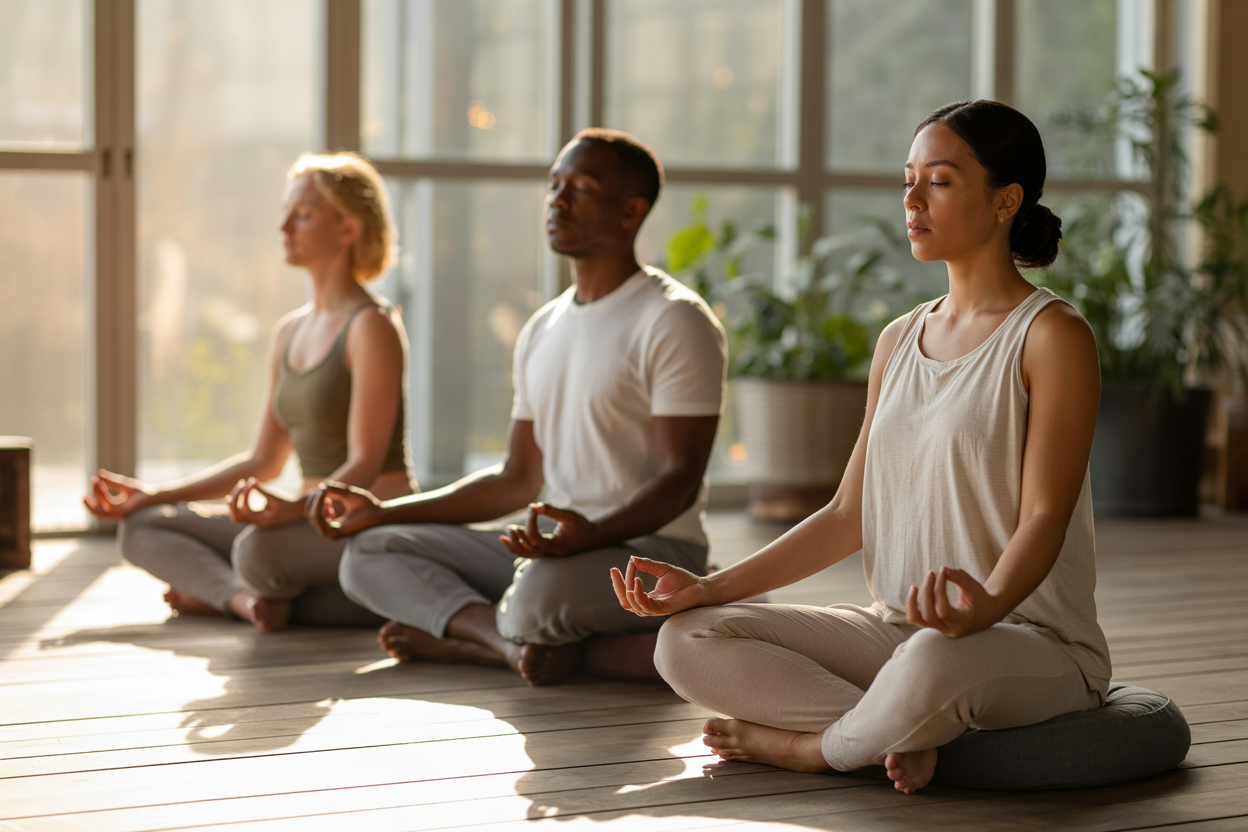
Your mind resembles a muscle that grows stronger with regular exercise. Regular meditation practice trains your attention to stay anchored in the present moment rather than wandering through endless streams of thoughts. When you sit quietly and return your focus to your breath or chosen meditation object, you’re building mental stamina that carries over into every aspect of your life.
Through daily practice, you’ll notice your ability to concentrate improves dramatically. Tasks that once felt overwhelming become manageable as your mind learns to stay focused on one thing at a time. Your mental chatter gradually quiets, creating space for clarity and deeper insight to emerge.
Create a Sustainable Daily Practice
Building a meditation habit doesn’t require hours of your day. Start with just five to ten minutes each morning, choosing a consistent time and location. Your practice needs to fit seamlessly into your existing routine rather than disrupting it completely.
Consider these practical approaches:
- Morning sessions: Meditate right after waking, before checking your phone
- Evening wind-down: Use meditation to transition from work to personal time
- Lunch break moments: Take short mindful breaks during busy days
- Weekend extensions: Gradually increase your session length on less hectic days
The key lies in consistency rather than duration. A brief daily practice outweighs sporadic long sessions because it creates neural pathways that support mindful awareness throughout your day.
Overcome Common Meditation Obstacles
Your meditation journey will encounter predictable challenges. Understanding these obstacles helps you navigate them with patience and wisdom rather than frustration.
Restless thoughts: Your mind’s constant chatter is normal, not a failure. Instead of fighting thoughts, acknowledge them gently and return your attention to your breath. Think of thoughts like clouds passing through the sky of your awareness.
Physical discomfort: Start with shorter sessions and gradually build up. Choose a comfortable position that keeps you alert but relaxed. You can meditate in a chair if sitting on the floor causes pain.
Time constraints: Even three minutes count. Quality matters more than quantity when you’re building this foundation.
Sleepiness: If you consistently fall asleep, try meditating with your eyes slightly open or choose a more alert posture.
Experience Cumulative Benefits of Consistent Practice
Your meditation practice creates profound changes that compound over time. Within weeks, you’ll notice increased emotional resilience and better stress management. Your reactions to challenging situations become more thoughtful and less reactive.
Monthly progressions include:
| Timeframe | Benefits You’ll Notice |
|---|---|
| 1-2 weeks | Better sleep quality, reduced anxiety |
| 1 month | Improved focus, emotional stability |
| 3 months | Enhanced self-awareness, clearer thinking |
| 6 months | Deeper compassion, stronger relationships |
| 1 year | Lasting inner peace, wisdom integration |
These benefits don’t just appear during meditation—they transform how you navigate relationships, work challenges, and personal growth opportunities.
Adapt Meditation to Your Lifestyle
Your practice should evolve as your circumstances change. Busy parents might meditate while children nap. Commuters can practice mindful breathing on public transport. Business travelers can use hotel room sessions to maintain consistency.
Create backup plans for disrupted routines. Keep guided meditations on your phone for unexpected free moments. Use walking meditation when sitting still isn’t possible. Remember that informal mindfulness—paying full attention while washing dishes or waiting in line—counts toward your practice.
Your meditation style can shift based on your needs. Some days call for concentration practices, others for loving-kindness meditation. Trust your intuition about what your mind and heart need most.
Develop Compassionate Awareness Toward Yourself and Others
Practice Self-Compassion in Difficult Moments
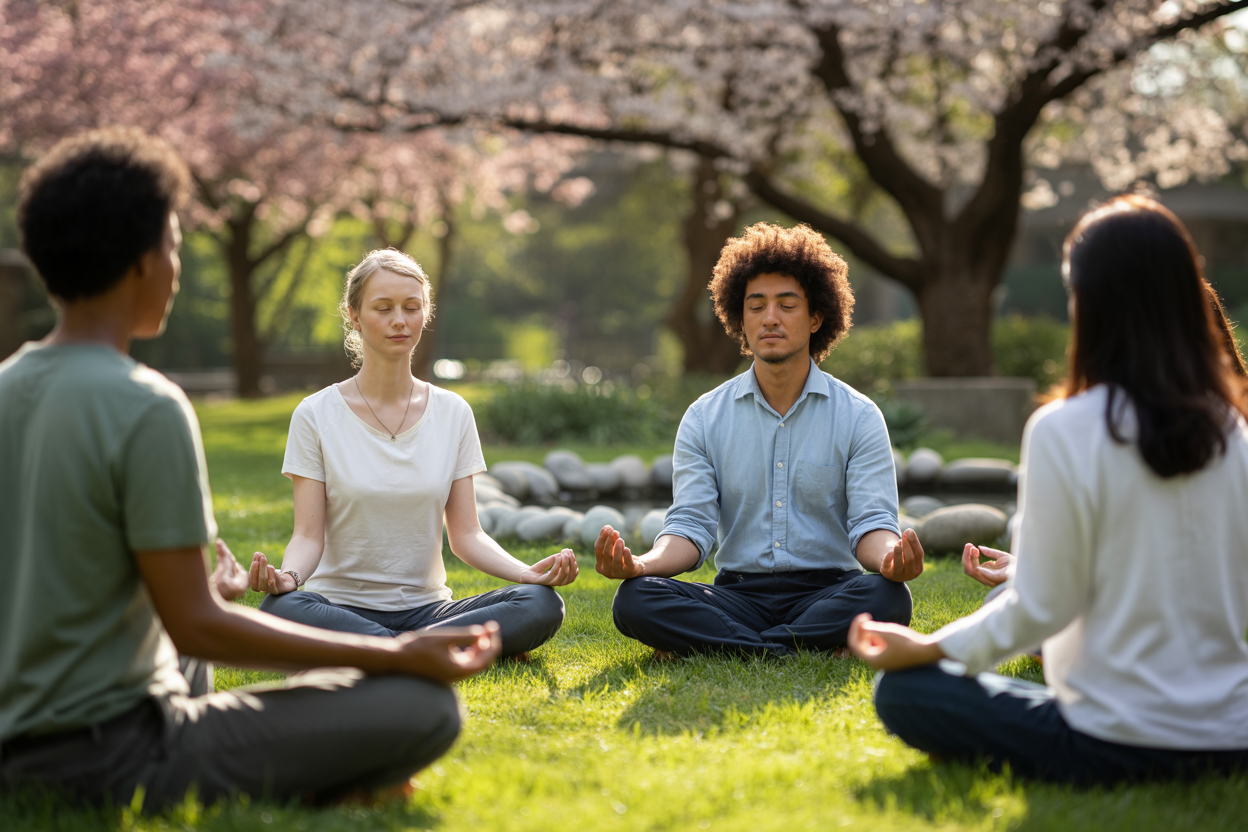
When life throws curveballs your way, your inner critic often becomes louder than ever. You might catch yourself saying things you’d never say to a friend – harsh judgments about your mistakes, your appearance, or your abilities. Thich Nhat Hanh teaches that this internal violence creates suffering that ripples outward into all your relationships.
Start treating yourself like you would a dear friend going through tough times. When you make a mistake at work, notice the automatic self-attack that begins. Instead of feeding that mental loop, place your hand on your heart and speak to yourself with kindness. You might say, “This is really hard right now, and that’s okay. Everyone makes mistakes, and I’m learning.”
Your breath becomes your anchor during these moments of self-compassion. Take three deep breaths while maintaining gentle awareness of your emotional state. You don’t need to fix anything or make the pain disappear – simply acknowledge what you’re feeling without adding extra layers of self-judgment.
Practice the “good friend test” regularly. Ask yourself: Would I speak to my best friend this way if they were in my situation? If the answer is no, adjust your internal dialogue accordingly. This shift from self-criticism to self-compassion creates space for genuine healing and growth.
Extend Understanding to Challenging People
That difficult coworker, the impatient driver, or the family member who always pushes your buttons – they’re all carrying their own invisible burdens. When someone triggers your anger or frustration, your first instinct might be to build walls or fight back. Mindfulness invites you to pause and look deeper.
Before reacting, take a moment to consider what might be driving their behavior. Maybe that snappy cashier is dealing with a sick parent at home. Perhaps your boss’s harsh criticism comes from their own fear of failure. This doesn’t excuse harmful behavior, but understanding the roots of suffering helps you respond from wisdom rather than reactivity.
Try this simple practice: When someone irritates you, silently wish them well. You might think, “May you be happy, may you be peaceful, may you be free from suffering.” This isn’t about becoming a doormat – it’s about maintaining your own inner peace while dealing with difficult situations.
Set healthy boundaries while keeping your heart open. You can protect yourself from harmful behavior without completely closing off your compassion. Sometimes the most compassionate response is to say no or walk away, especially when someone isn’t ready to receive your understanding.
Recognize the Interconnectedness of All Beings
Your morning coffee connects you to farmers thousands of miles away. The oxygen you breathe was produced by trees and plants around the globe. Every meal, every conversation, every moment of your day reveals the intricate web of relationships that make your life possible.
When you truly grasp this interconnection, your problems don’t seem as isolated or overwhelming. You begin to see that your happiness and suffering are intimately linked with the happiness and suffering of others. This recognition naturally leads to more compassionate choices in how you live and interact.
Start noticing these connections in small ways throughout your day. When you eat an apple, take a moment to appreciate the soil, rain, sunshine, and human hands that brought it to your table. When you feel grateful or joyful, recognize that this positive energy spreads to everyone around you, like ripples in a pond.
Your personal healing becomes a gift to the world. When you practice mindfulness and develop inner peace, you’re not just helping yourself – you’re contributing to the collective well-being of humanity. Every moment of awareness, every act of kindness, every breath taken with conscious gratitude adds to the positive energy available to all beings.
This understanding transforms how you approach both personal challenges and global issues. You start making choices based on their impact on the larger web of life, not just immediate personal benefits.
Integrate Mindfulness Principles for Lasting Life Transformation
Create Mindful Habits That Stick
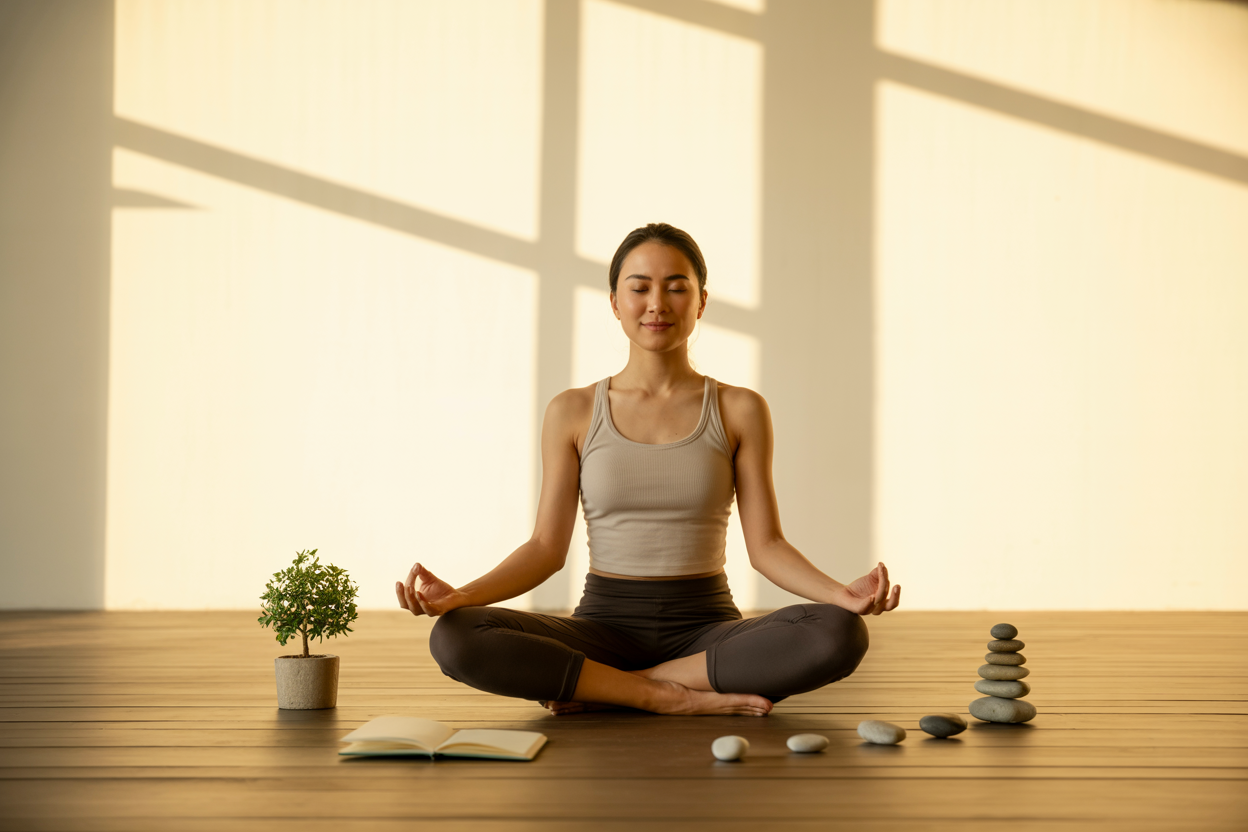
Your transformation depends on building mindful habits that become second nature. Start small with your daily routine—choose one activity you already do and turn it into a mindfulness anchor. When you brush your teeth, feel the bristles against your teeth and taste the toothpaste. When you walk to your car, notice your feet touching the ground and the air against your skin.
The secret lies in consistency, not intensity. You don’t need hour-long meditation sessions to change your life. Five minutes of mindful breathing each morning creates more lasting change than sporadic, lengthy sessions. Stack your new mindful habits onto existing routines—practice gratitude while drinking your morning coffee, or take three conscious breaths before starting your car.
Track your progress without judgment. Create a simple checklist or use your phone to mark off each mindful moment as you complete it. When you miss a day, don’t spiral into self-criticism. Simply return to your practice the next day. Your brain needs approximately 66 days to form automatic habits, so give yourself time and patience as these practices take root in your daily life.
Apply Mindfulness to Major Life Decisions
Your biggest life choices deserve your most present, aware attention. Before making important decisions about your career, relationships, or living situation, create space for mindful reflection. Step away from the urgency that typically surrounds major choices and give yourself time to truly feel what each option offers.
Start by sitting quietly and bringing each potential decision to mind. Notice what happens in your body when you imagine each path forward. Does your chest tighten with one option and open with another? Your body holds wisdom that your racing mind often overlooks. Pay attention to these physical sensations—they’re valuable data points for your decision-making process.
Practice the “zoom out” technique when facing complex choices. Imagine yourself looking back on this decision in five years. What would your future self want you to choose? This perspective helps you see beyond immediate pressures and consider your deeper values and long-term happiness.
Create a decision-making ritual that includes mindful elements: take several deep breaths, set an intention to choose wisely, and commit to accepting whatever outcome unfolds. This approach reduces decision anxiety and increases your confidence in your choices.
Build a Foundation for Continuous Growth
Your mindfulness journey never truly ends—it evolves and deepens throughout your life. Build structures that support ongoing growth rather than viewing mindfulness as a destination you’ll eventually reach. Set aside time each week to reflect on your practice and notice what’s working and what needs adjustment.
Diversify your mindfulness approaches to keep your practice fresh and engaging. Alternate between breathing meditation, body scans, walking meditation, and mindful movement. When one technique feels stale, explore another. Your needs change as you grow, and your practice should adapt alongside you.
Create learning opportunities that challenge your understanding. Read books by different mindfulness teachers, attend workshops, or join online communities. Each new perspective adds depth to your practice and prevents you from getting stuck in rigid patterns.
Document your journey through journaling or voice recordings. Capture insights, challenges, and breakthrough moments. When you review these entries months later, you’ll see patterns and progress that weren’t obvious in the moment. This documentation becomes a powerful motivator during difficult periods and a reminder of how far you’ve traveled.
Share Mindfulness Benefits with Your Community
Your transformation naturally extends beyond yourself when you embody mindful presence with others. You don’t need to become a teacher or evangelize mindfulness—simply being more present, patient, and compassionate in your interactions plants seeds for others. Your family, friends, and colleagues will notice your increased calm and authentic engagement.
Model mindful communication by listening deeply without planning your response. When others feel truly heard, they often become curious about what makes you different. Share your experience honestly when asked, focusing on practical benefits rather than abstract concepts. Explain how mindfulness helps you sleep better, manage stress, or stay focused rather than diving into philosophical discussions.
Invite others to join simple mindful activities without pressure. Suggest taking a walk together without phones, sharing a silent meal, or doing breathing exercises before stressful meetings. Many people are hungry for more presence and connection, but don’t know how to create it.
Consider organizing informal mindfulness gatherings in your community. Start small by meeting monthly with a few friends to meditate together or discuss mindful living. These grassroots connections often create more lasting impact than formal programs because they’re built on existing relationships and genuine enthusiasm.
Your commitment to mindful living becomes a gift to everyone around you, creating ripples of awareness that extend far beyond what you can see or measure.
If you’d like to continue exploring mindful living, visit my collection of mindfulness and wellness articles.
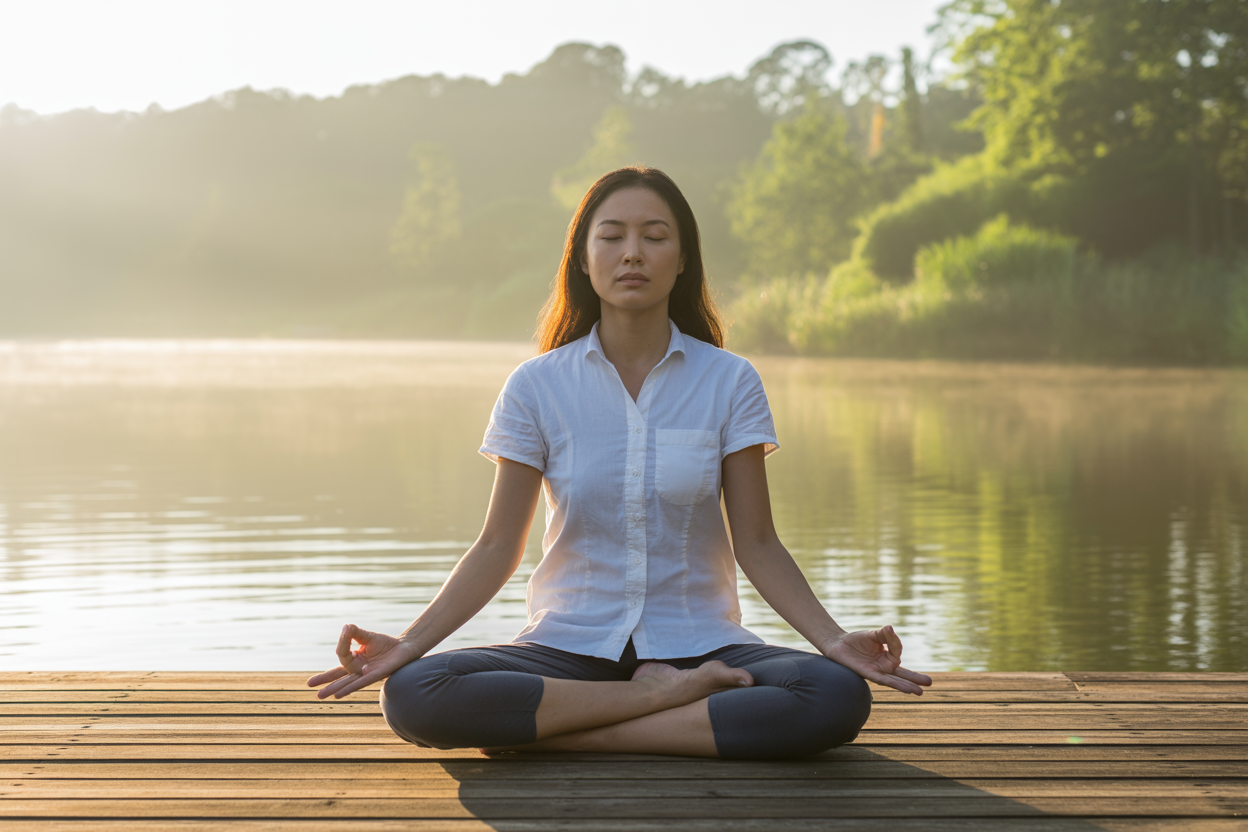
The seven transformative lessons from “The Miracle of Mindfulness” offer you a complete roadmap for living with greater awareness and peace. You’ve learned how embracing the present moment can shift your entire perspective, while mindful breathing becomes your anchor during life’s storms. Your everyday activities transform into opportunities for deep awareness, and accepting what you cannot change frees you from unnecessary mental weight. Regular meditation strengthens your mind like exercise strengthens your body, and approaching yourself and others with compassion creates ripple effects of positive change.
Start with just one lesson that speaks to you most right now. Maybe it’s taking three conscious breaths when you feel stressed, or practicing acceptance when things don’t go your way. The beauty of mindfulness lies not in perfection, but in your willingness to return to awareness again and again. Each moment offers you a fresh chance to apply these principles and discover the profound peace that comes from truly living in the here and now.
✨ Subscribe to The Zen Journal for soulful book reviews, mindful travel stories, and wellness inspiration delivered weekly.✨