
Why Meditation in Movement is the Future of Mindfulness
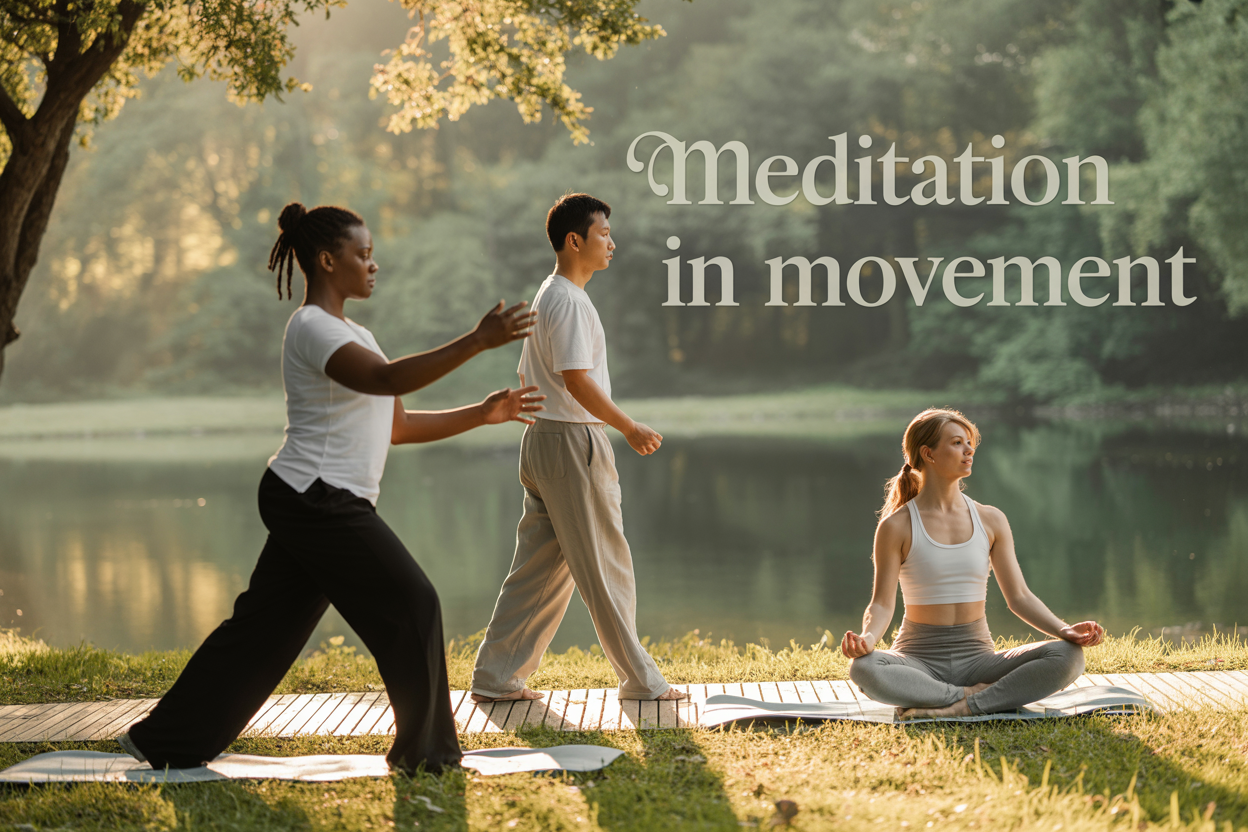
Traditional meditation asks for stillness, but meditation in movement offers a dynamic path to mindfulness. This guide explores science‑backed benefits, practical forms like yoga and walking, and an easy framework to help busy minds find calm through movement.
This comprehensive guide is designed for busy professionals, parents, highly sensitive individuals, and anyone who’s struggled with conventional meditation. You’ll discover why movement-based practices often deliver better results than sitting still, especially for restless minds and active lifestyles.
We’ll explore the science-backed benefits that make moving meditation so effective, from reducing cortisol levels to improving sleep quality. You’ll learn about six powerful forms you can try today—from mindful walking to kitchen dance parties. Finally, we’ll walk through a simple 8-step framework to start your own practice, plus address the common concerns that might be holding you back.
Ready to find your perfect meditation match? Let’s get moving.
What Is Meditation in Movement?
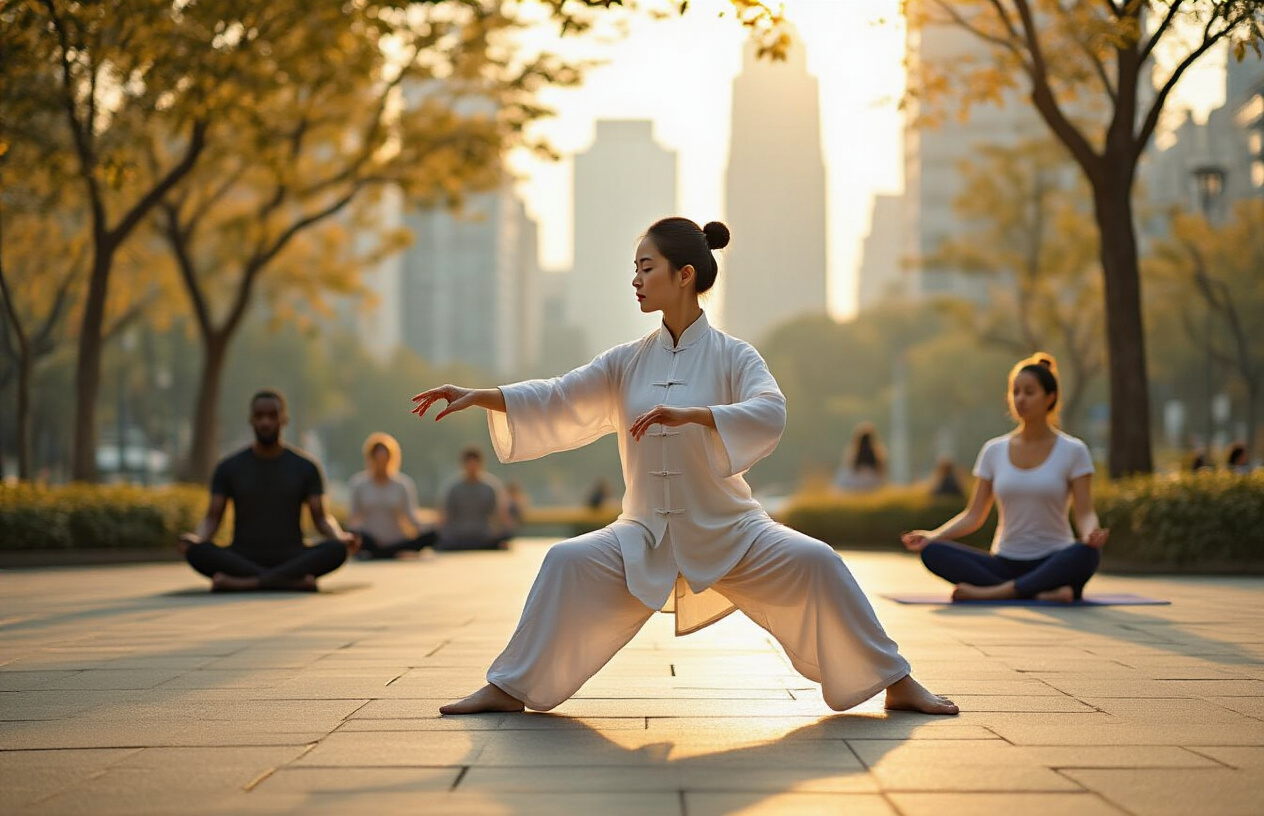
What moving meditation is and how it differs from traditional practices
Moving meditation is a form of meditation that combines gentle physical activity with mindful awareness. Instead of sitting still in the traditional lotus posture, you engage your body in purposeful movement while focusing your attention on the sensations, rhythm, and experience of the present moment. As physical therapist Dr. Courtney Fitzpatrick explains, “Moving meditation incorporates physical activity to further focus your mind and provide the added benefits of exercise.”
While traditional meditation focuses on bringing your mind into the present moment through stillness and silence, moving meditation achieves the same mindfulness goals through dynamic engagement with your body. Both practices train your mind to focus on the present moment, but moving meditation offers a unique way to blend mindfulness with physical activity, allowing you to support both your body and mind simultaneously.
The key difference lies in the approach: traditional meditation typically involves concentrating on your breath, a visual image, or soothing sounds while remaining stationary, whereas moving meditation transforms activities like tai chi, yoga, walking, swimming, or even playing tennis into mindfulness practices. What matters most is paying attention to what you’re doing – focusing on your breath, your body’s sensations, and the sounds around you during movement.
Why Sitting Still Isn’t Necessary for Mindfulness
The traditional image of meditation – someone sitting still in silence – has created a misconception that stillness is required for effective practice. However, this static approach doesn’t reflect how most of us live our daily lives. We’re constantly on the go, moving our bodies about, and interacting with the world around us.
Many people find that sitting for meditation simply isn’t enjoyable or practical for them. Some struggle with restlessness or lack of energy during seated practice, while others find it difficult to carve out time or focus to sit still. As Dr. Fitzpatrick notes, “If traditional meditation hasn’t worked for you in the past, consider how you’re already moving throughout your day, and try making those moments more intentional.”
Moving meditation addresses these challenges by promoting relaxation without needing to be seated or still. Research supports the mental health benefits of both meditation and physical activity individually, and “pairing meditation with movement can be even more effective,” according to Dr. Fitzpatrick. Studies have shown that mindfulness-based walking, for example, can improve sleep quality and overall mood in participants.
The Buddhist tradition has long recognized this truth. In monasteries and meditation retreats worldwide, walking meditation is a core part of practice. The Buddha himself suggested practicing mindfulness while sitting, standing, and lying down – encouraging practitioners to cultivate awareness in all postures, not just stillness.
How movement-based mindfulness meets you where you are
Movement-based mindfulness offers unprecedented accessibility and adaptability. You don’t need any special skills, equipment, or dedicated meditation space to get started. Instead of requiring you to change your lifestyle dramatically, moving meditation integrates seamlessly into activities you already enjoy and daily routines you already perform.
Whether you’re running, swimming, playing sports, doing household chores, or mowing the lawn, any activity can become a form of moving meditation as long as you’re focused on the present moment. This flexibility makes meditation more applicable to real-life situations, helping bridge the gap between formal practice and everyday mindfulness.
For those dealing with physical limitations, moving meditation provides options that traditional seated practice cannot. People with joint or muscle pain, restlessness, or energy imbalances can find relief through gentle, mindful movement that actually supports musculoskeletal health while building meditation skills.
The practice meets you exactly where you are in your fitness level, available time, and physical capabilities. You can start with simple activities like mindful walking for just a few minutes, gradually incorporating awareness into more complex movements. This approach makes meditation accessible to busy schedules, allowing you to experience the benefits of mindfulness as part of your existing daily routine rather than as an additional burden.
Moving meditation also offers a new way to investigate mindfulness itself, providing different experiences and sensations to explore while maintaining the same quality of present-moment awareness that traditional meditation develops.
Science‑Backed Benefits of Moving Meditation
Stress Reduction and Anxiety Management Through Mindful Movement
Mindful movement serves as a powerful antidote. Research from Loma Linda University highlights how mindfulness practices can reduce stress and improve emotional regulation. Physical therapists like Dr. Courtney Fitzpatrick emphasize that moving meditation combines the benefits of exercise with mindfulness, making it more accessible for busy lifestyles.
Dr. Warren Peters, Associate Professor and Director of the Metabolic Obesity Research Clinic at Loma Linda University, explains that mindfulness helps replace the brain’s habit of rumination with “a compassionate, calmer, more intentional thought pattern.” This transformation occurs as practitioners learn to choose to experience each moment as it is rather than dwell on past regrets or future uncertainties.
Enhanced Emotional Health and Nervous System Regulation
Now that we understand stress reduction benefits, research reveals profound improvements in emotional awareness and self-regulation through mindful movement. Studies show significant enhancements in emotional awareness (p = 0.007) and self-regulation capabilities (p < 0.001) among participants practicing structured mindful movement programs.
The Movimento Biologico research demonstrates that participants develop improved abilities to recognize body sensations and manage attention more effectively. These improvements create a deeper connection between bodily sensations and emotions, enabling better nervous system regulation. Participants also showed significant increases in positive mental health (p = 0.015), suggesting enhanced general well-being and mental functioning.
Improved Sleep Quality and Cognitive Function
With these emotional benefits established, mindful movement also positively influences physical health markers, including sleep quality. The practice facilitates entry into a “flow” state, where individuals become fully immersed and focused on tasks. This state of deep engagement, supported by present-moment awareness cultivated through mindfulness, leads to increased productivity and satisfaction.
Research highlights that flow states are three times more likely to occur during work for individuals practicing mindfulness, particularly benefiting those in managerial roles. The enhanced focus and cognitive clarity stem from the brain’s ability to enter a mode of calm intention when practicing mindful presence.
Burnout Recovery and Cortisol Level Reduction
Previously established benefits contribute to significant burnout recovery through physiological changes. The practice enhances interoceptive awareness – the ability to perceive internal bodily signals – with improvements in body listening (p = 0.001) and trusting bodily experiences (p = 0.001).
Participants demonstrated increased autonomy in psychological well-being (p = 0.036), indicating greater perceived control over actions and choices. This enhanced sense of personal agency, combined with improved attention management (p = 0.002) and noticing abilities (p = 0.003), creates a foundation for sustainable stress management and burnout prevention.
The cumulative effect of these improvements suggests that mindful movement can physically reshape neural pathways, creating lasting changes in how the brain processes stress and maintains equilibrium.
6 Moving Meditation Techniques You Can Start Right Now
Yoga is a flowing meditation with breath awareness
Yoga stands out as one of the most accessible forms of moving meditation, seamlessly combining physical postures with mindfulness and focused breathing. When practiced as a moving meditation, yoga transforms from a simple exercise into a profound mind-body experience where every movement is performed with full awareness and attention to breath.
Not all yoga classes qualify as moving meditation—it’s essential to choose intentional practices that emphasize the meditative elements. Yin yoga serves as an excellent starting point, featuring slow movements where you hold positions for several minutes, encouraging deep body awareness and sustained meditative states. Ashtanga and Hatha yoga also offer excellent moving meditation opportunities, though they may require more experience to maintain awareness throughout the more strenuous sequences.
The key to yoga as moving meditation lies in creating awareness and connecting mind, body, and breath with each asana (body posture). This practice cultivates mindfulness throughout the entire session, helping to elevate self-esteem, increase strength and flexibility, manage stress, promote quality sleep, and increase overall relaxation.
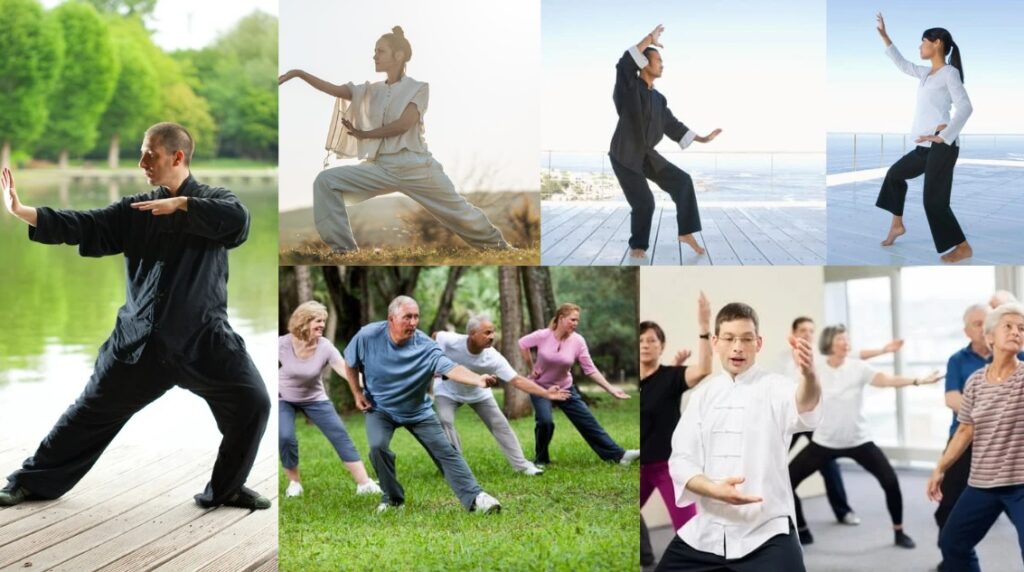
Tai chi for gentle balance and stress relief
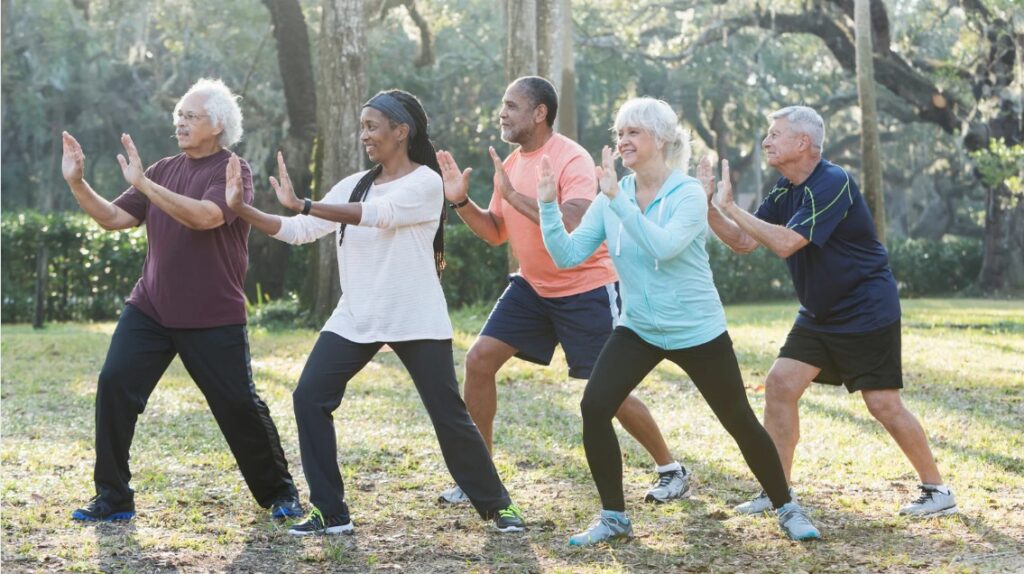
Often described as “meditation in motion,” Tai Chi represents an ancient Chinese martial art that perfectly embodies the principles of moving meditation. This low-impact activity utilizes slow, controlled movements paired with deep breathing, making it accessible for practitioners of all ages and fitness levels.
The deliberate, flowing nature of Tai Chi creates an ideal environment for cultivating inner peace while simultaneously improving physical health. The practice focuses on balancing your body’s energy (qi) through mindful movement, helping to increase strength, improve balance and flexibility, and promote deep relaxation.
What makes Tai Chi particularly effective as a moving meditation is its emphasis on slow, deliberate movements that allow practitioners to maintain constant awareness of their body and breath. The gentle nature of the practice makes it especially beneficial for stress relief, as the meditative quality helps calm the nervous system while the physical movements improve circulation and muscle strength.
Mindful walking and structured walking meditation
Walking meditation offers one of the most practical and accessible forms of moving meditation, requiring no special equipment or location. This practice involves walking slowly and deliberately, with complete attention focused on the act of walking itself.
In mindful walking, you become aware of each step, the movement of your legs, the feeling of the ground beneath your feet, and your breathing rhythm. The focus shifts from reaching a destination to being fully present and connecting mind and body with the earth. This practice can be performed almost anywhere—in your home, garden, park, or any quiet space.
Structured walking meditation differs slightly from mindful walking by incorporating deliberate movements, specific rhythm patterns, and coordinated breath awareness with each step. Both approaches offer significant benefits, including alleviating depression, improving functional fitness, boosting digestion, and enhancing sleep quality.
The beauty of walking meditation lies in its simplicity and versatility. You can practice it during daily activities, transforming routine walks into opportunities for mindfulness and stress reduction.
Mindful stretching and body scan practices
Mindful stretching transforms simple physical movements into profound meditative experiences by incorporating focused attention and body awareness. This practice involves paying close attention to your body as you gently stretch different muscle groups, turning routine flexibility work into a gateway for mindfulness.
Progressive muscle relaxation represents a specific form of mindful stretching that involves systematically tensing and then relaxing different muscle groups throughout the body. This technique increases awareness of physical tension and stress, allowing practitioners to consciously release muscular holding patterns they may not have previously noticed.
The meditative aspect emerges when you focus intently on the sensations arising during each stretch—the gentle pull of muscles, the release of tension, and the breath flowing through your body. This awareness helps reconnect the mind, body, and spirit, especially valuable for those who have become disconnected from their physical sensations due to stress or busy lifestyles.
Regular practice of mindful stretching not only improves flexibility but also serves as a powerful tool for stress management and body awareness development.
Mindful dancing for emotional release and joy
Mindful dancing offers a joyful and liberating approach to moving meditation, allowing practitioners to move their bodies to music in ways that feel natural and authentic. Unlike structured dance forms, mindful dancing encourages free-flowing movement where you focus on rhythm, bodily sensations, and the pure enjoyment of movement.
Various forms of mindful dancing include ecstatic dance, soul motion, and open floor practices, though you can simply put on your favorite music, close your eyes, and let the music guide your movements. The key lies in focusing on your bodily sensations, breathing patterns, and emotional responses as you move.
This practice proves particularly effective for releasing endorphins, increasing relaxation, releasing negative emotions, boosting confidence, and improving balance. Mindful dancing serves as both physical exercise and emotional therapy, providing a safe space for self-expression and stress relief.
The meditative quality emerges through complete presence with your body’s natural rhythms and responses to music, creating a flowing state of awareness that can be deeply transformative and healing.
Transforming daily chores into meditation opportunities
One of the most practical applications of moving meditation involves transforming routine household activities into mindfulness practices. Mindful cleaning exemplifies this approach, involving cleaning with full awareness and a non-judgmental mindset while paying attention to each action as it unfolds.
Instead of viewing cleaning as a chore to rush through, this practice encourages embracing household activities as opportunities to slow down and engage fully with the present moment. Whether washing dishes, folding laundry, or organizing spaces, you can cultivate mindfulness by focusing completely on the task at hand.
The meditative quality develops through attention to physical sensations—the warmth of dishwater on your hands, the texture of fabrics, the rhythmic motions of sweeping or wiping. This practice helps develop present-moment awareness while accomplishing necessary daily tasks.
This approach proves especially valuable for busy individuals who struggle to find dedicated meditation time, as it transforms obligatory activities into opportunities for mindfulness practice, stress reduction, and mental clarity development.
For more accessible routines and soulful guidance, explore my Yoga Hub, where I share mindful flows and beginner‑friendly practices.
Simple 8-Step Framework to Begin Your Moving Meditation Practice
Creating the Right Environment and Wearing Comfortable Clothing
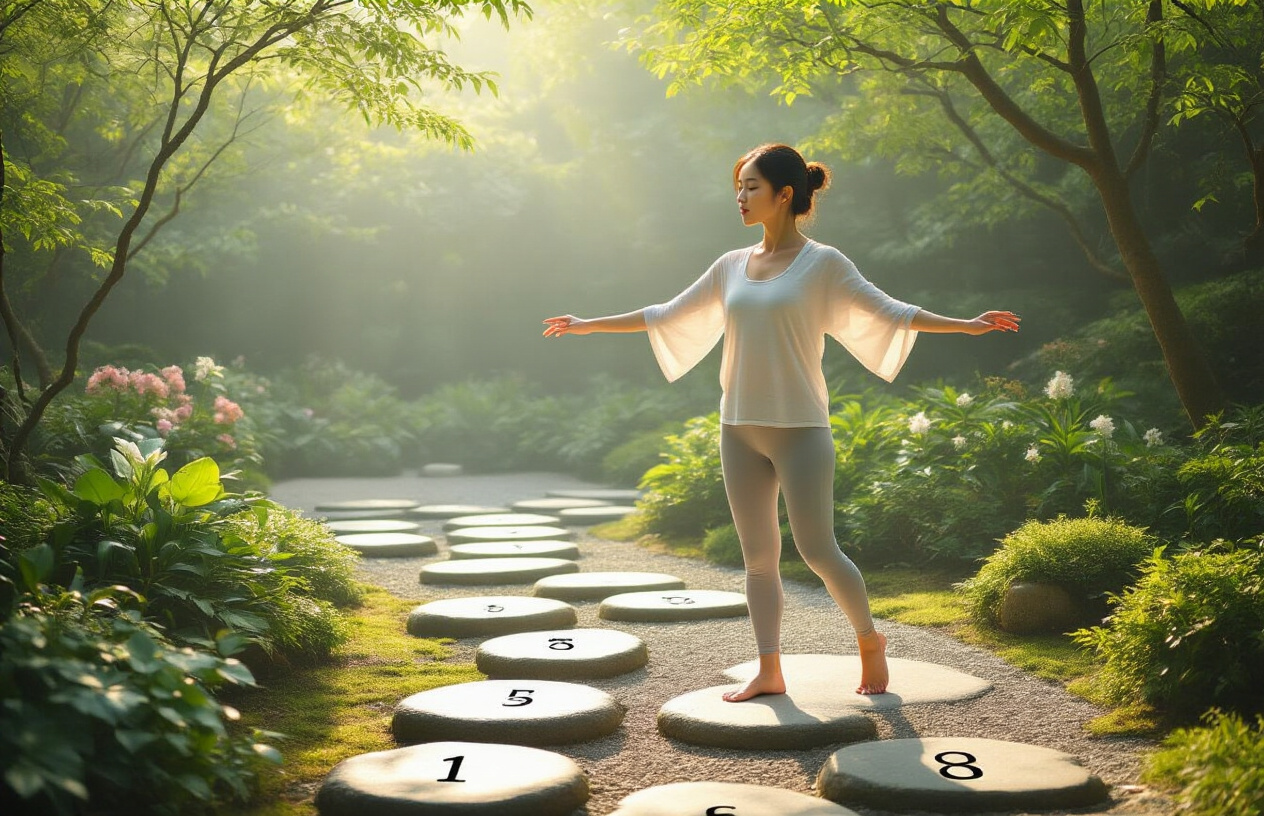
Starting your moving meditation journey requires the proper foundation. Choose a quiet space where you won’t be disturbed – this could be a room in your house, a quiet corner in your garden, or a peaceful spot in a park. A calm environment can help you focus and enhance your meditation experience. For walking meditation specifically, you’ll need a space of about 10-20 feet to create your walking path.
Comfort is key in moving meditation, so put on clothes that allow you to move freely. Don’t worry about picking out the perfect workout set – as long as you feel cozy in the clothing that you are wearing, you are ready to begin. The goal is to eliminate any physical distractions that might pull your attention away from the meditative experience.
Consider putting on some gentle music in the background, as this may help you slow down and become more present during your practice. However, this is optional – many practitioners prefer the natural sounds of their environment.
Starting with Breath Awareness and Natural Movement
Before you begin moving, take a few deep breaths to center your mind and prepare your body. Focus on the sensation of air filling your lungs and then slowly leaving your body. This initial breath work helps establish the foundation for your moving meditation practice.
Begin your chosen form of moving meditation, whether it’s walking, stretching, or another activity. Move at a pace that feels right for you, so it feels natural and not forced. If you’re practicing walking meditation, start by just standing still at one end of your walking path, feeling your body, the feet on the floor, and the breath sensations.
When you begin to walk, move slowly and deliberately. Feel your feet lift off the floor and the sensation as each foot is placed forward. The key is to start naturally without rushing into complex movements or forcing yourself into uncomfortable positions.
Developing Body Awareness and Breath Synchronization
As you move, pay close attention to how your body feels. Notice the sensations in your muscles, joints, and limbs. If you’re stretching, be aware of the stretch in your muscles. If you’re walking, feel your feet touching the ground and notice the ankles working, the muscles in the legs contracting, and the body moving forward through space.
Your breath is a key part of moving meditation, and learning to synchronize your movements with your breathing creates a deeper meditative state. Try to coordinate your movements with your breath rhythm. In yoga, for example, you might inhale as you reach up and exhale as you fold forward. This synchronization helps maintain focus and creates a flowing, meditative quality to your practice.
When practicing walking meditation, tune into the experience of moving the body and feel the countless sensations that arise – the feet moving, the body shifting weight, and the rhythm of each step coordinated with your natural breathing pattern.
Managing Wandering Thoughts and Staying Present
It’s completely normal for your mind to wander during moving meditation. When your mind starts to drift to daily worries or plans, gently bring your attention back to your movement and breath. The practice is about returning to the present moment without judgment or frustration.
Use your movement as an anchor for your attention, just as you might use the breath in traditional seated meditation. Whether you’re feeling the ground beneath your feet, the stretch in your muscles, or the rhythm of your breathing, these physical sensations serve as constant reminders to return to the present moment.
Remember that wandering thoughts don’t indicate failure in your practice. Each time you notice your mind has drifted and gently redirect your attention back to your body and breath, you’re actually strengthening your mindfulness muscle.
Ending with Gratitude and Reflection
At the end of your moving meditation session, take a moment to be thankful for the time you spent in meditation. This practice of gratitude can leave you feeling positive and refreshed, creating a meaningful closure to your practice.
Stand or sit quietly for a few moments, acknowledging the effort you put into your practice and appreciating any insights or sensations you experienced. This gratitude practice helps cultivate emotional well-being and reinforces the positive aspects of your meditation journey.
Consider briefly reflecting on how your body feels after the practice compared to when you started. Notice any changes in your mental state, stress levels, or overall sense of well-being. This reflection helps you recognize the benefits of your practice and motivates continued engagement with moving meditation.
Common Concerns About Moving Meditation (and How to Overcome Them)
Why this approach works better for busy minds and restless bodies
Previously, we’ve explored the foundational principles of moving meditation. Now that we have covered the various forms and benefits, it’s crucial to understand why this approach is particularly effective for those who struggle with traditional seated meditation.
For individuals with ADHD and what researchers term the “hunter brain,” moving meditation aligns perfectly with natural neurological tendencies. The ADHD brain has survival value traits that include noticing environmental changes, quick decision-making, complete immersion in activities, and being drawn toward novelty. These explorer traits—often clinically labeled as distractibility, impulsivity, and hyper-fixation—are actually evolutionary advantages that become challenging in our modern “farmer’s world” of structured, sedentary environments.
Moving meditation practices like yoga offer multiple sensory experiences that naturally suit the ADHD brain in maintaining attention. The coordination of movement goals with sensorimotor feedback provides the stimulation needed to keep restless minds engaged. Unlike traditional seated meditation, which requires suppressing the natural urge to move, moving meditation harnesses this energy productively.
The multitude of physical sensations, spatial awareness, and rhythmic movements creates an ideal environment for those whose minds typically wander. Rather than fighting against the body’s need for movement, this approach transforms it into a tool for mindfulness cultivation.
Benefits for neurodivergent and trauma-sensitive individuals
With this understanding of the hunter brain in mind, research demonstrates that mindfulness-based interventions provide significant benefits for neurodivergent populations, particularly adults with ADHD. Studies examining nonpharmacological interventions for ADHD have expanded significantly, with mindfulness-based training gaining promising preliminary empirical support in clinical settings.
Adults with ADHD are typically lower in trait mindfulness, making traditional meditation approaches more challenging. The Mindful Awareness Practices (MAPs) for ADHD Program addresses this by incorporating specific modifications, including shorter meditation durations (5-15 minutes), emphasis on informal mindfulness exercises, use of visual aids, and acceptance-change strategies such as imagery and body posture adjustments.
Moving meditation practices particularly benefit trauma-sensitive individuals by offering greater control over the meditation experience. The ability to move, open eyes, or adjust position provides a sense of safety and agency that seated meditation may not offer. The enhanced vagal tone achieved through stretching and contracting movements activates the parasympathetic nervous system, which is often dysregulated in both ADHD and trauma responses.
Case study examples from clinical practice demonstrate that participants can become more aware of ADHD symptoms, emotional states, and behaviors through moving meditation. While increased awareness may sometimes lead to temporary symptom increases, this reflects greater insight rather than treatment failure—a crucial distinction for neurodivergent practitioners.
Debunking myths about needing a quiet mind to meditate
Next, we’ll examine one of the most pervasive misconceptions about meditation practice. Many people believe they cannot meditate because their minds are too busy or chaotic. This myth particularly affects those with ADHD, who experience constant mental activity and mind-wandering associated with the default mode network (DMN).
The reality is that meditation doesn’t require starting with a quiet mind—it’s a practice for developing present-moment awareness regardless of mental activity. For people with ADHD who have trouble being “here, now,” meditation serves as one of the best tools to cultivate such awareness. The goal isn’t to eliminate thoughts but to develop a different relationship with them.
Research shows that meditation can deactivate DMN regions, including the medial prefrontal cortex and posterior cortices, while strengthening functional connectivity related to self-monitoring and cognitive control. This neuroplastic change occurs through practice, not through having an already calm mind.
Moving meditation is particularly effective because it provides the ADHD brain with focused-attention practice rather than open-awareness meditation. Instead of being open to all sensory experiences simultaneously, moving meditation focuses attention on breath, movement, or physical sensations—providing a more manageable entry point for busy minds.
The practice teaches individuals to observe emotional states as transient phenomena while resisting impulsive reactions, improving emotion regulation over time through consistent practice rather than requiring initial emotional stability.
How even 3-5 minutes daily can retrain your stress response
Finally, brief meditation training yields remarkable neurological improvements even with minimal time investment. Research demonstrates that as little as five days of 20 minutes per day of meditation training produces improvements in attention and conflict detection. However, even shorter sessions of 3-5 minutes can begin the process of retraining stress responses.
Neuroimaging studies suggest that mindfulness practice engenders neuroplastic changes in brain areas involved with attentional functioning, particularly the anterior cingulate cortex, which plays a crucial role in ADHD symptoms. These changes don’t require extensive practice sessions to begin manifesting.
For individuals with ADHD, heart-rate variability research indicates reduced cardiac-linked parasympathetic activity, meaning normal levels of emotions or physiological arousal are experienced as more difficult to manage. Moving meditation practices enhance vagal tone, which has long been prescribed as an intervention for immune disorders that show high comorbidity with ADHD.
The key is consistency rather than duration. Brief daily practice establishes neural pathways that support improved attentional control, emotional regulation, and stress response management. The moving component provides additional benefits through increased heart rate and the multiple sensory experiences that help maintain engagement.
This approach recognizes that the intention is to sharpen the ADHD brain rather than eliminate ADHD traits. Hyperfocus, creativity, and adventure remain beautiful skills that moving meditation can help channel more effectively through improved self-awareness and regulatory capacity.
The evidence is clear: moving meditation isn’t just an alternative to traditional mindfulness—it’s the evolution of it. From the science-backed benefits of reduced stress and improved cognitive function to the accessibility it offers busy minds and restless bodies, meditation in movement meets you exactly where you are. Whether you choose mindful walking, yoga, tai chi, or simple mindful stretching, you now have the tools and framework to begin a practice that flows with your life rather than against it.
You don’t need to sit still to find peace, and you don’t need a quiet mind to experience the transformative power of mindfulness. Start with just 5-10 minutes using the 8-step framework outlined above, address any concerns that arise, and remember that consistency matters more than perfection. The future of mindfulness is here, and it’s moving—literally. Take the first step today and discover how meditation in movement can become your pathway to greater balance, focus, and well-being in our fast-paced world.
Discover more reflections in the Zen Blog section, where I explore mindfulness, travel, and wellness practices for everyday balance.
🧘 Quick Takeaways: Meditation in Movement
- Accessible mindfulness: Works for busy professionals, parents, and restless minds.
- Science‑backed benefits: Reduces stress, improves sleep, boosts focus, and supports emotional regulation.
- Flexible practice: Yoga, tai chi, walking, stretching, dancing, or even daily chores can become meditation.
- Simple start: Just 5–10 minutes with breath awareness and mindful movement is enough to begin.
- Future of mindfulness: Moving meditation meets you where you are, blending body and mind for lasting wellbeing.
Subscribe to The Zen Journal for mindful practices, soulful travel stories, and wellness inspiration delivered weekly