
Breath: The New Science of a Lost Art by James Nestor – Why What You Breathe Matters More Than You Think
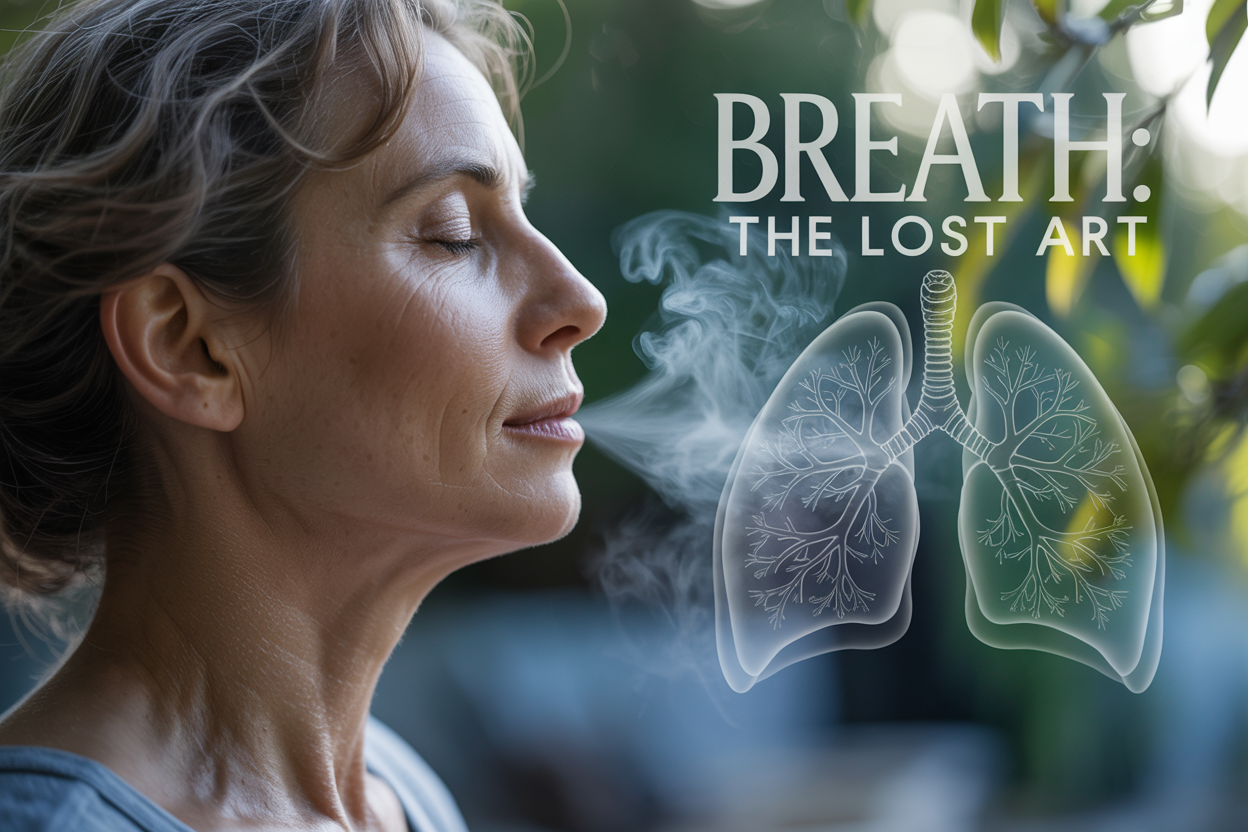
Most people take around 25,000 breaths every day without giving it a second thought. But what if you discovered that how you breathe could dramatically change your health, energy levels, and quality of life?
In “Breath: The New Science of a Lost Art,” journalist James Nestor reveals groundbreaking research showing that proper breathing techniques can transform everything from sleep quality to immune function. This book is perfect for anyone dealing with sleep issues, chronic fatigue, anxiety, or simply wanting to naturally optimize their health.
You’ll learn why switching from mouth breathing to nasal breathing can boost your athletic performance and mental clarity. We’ll explore how ancient breathing practices like pranayama and the Wim Hof method are now backed by modern science, offering real solutions for stress management and physical healing. Plus, you’ll discover practical breathing interventions that can help address specific health challenges, from high blood pressure to panic attacks.
Your breath is your most powerful tool for better health – and it’s completely free and always available.
Rediscovering the Hidden Power of Proper Breathing Techniques

Ancient wisdom meets modern respiratory science
Your ancestors knew something you’ve likely forgotten – how to breathe properly. For thousands of years, traditional cultures understood that breathing wasn’t just about staying alive; it was about thriving. Ancient yogis developed pranayama techniques, Tibetan monks mastered breath control for meditation, and traditional Chinese medicine recognized breathing as the foundation of life force, or qi.
Modern science is now catching up to these ancient insights, revealing the sophisticated mechanisms behind what your forebears practiced instinctively. When you breathe through your nose, you activate a complex filtration system that warms, humidifies, and purifies the air you breathe. Your nasal passages produce nitric oxide, a powerful molecule that enhances oxygen uptake and supports cardiovascular health.
Research shows that proper breathing techniques can lower your blood pressure, reduce anxiety, improve immune function, and even influence your gene expression. What traditional healers called “life force” or “vital energy,” scientists now understand as measurable physiological processes that you can control and optimize.
How mouth breathing became our modern epidemic
You’re living through a breathing crisis, and you probably don’t even know it. Studies suggest that up to 50% of adults breathe primarily through their mouths, especially during sleep. This shift represents a dramatic departure from the way humans had breathed for millennia.
Your modern lifestyle has created the perfect storm for dysfunctional breathing. Processed foods have made your jaws smaller and narrower, reducing nasal capacity. Chronic stress keeps your sympathetic nervous system in overdrive, promoting shallow, rapid breathing. Air pollution forces your body to work harder just to extract clean oxygen.
When you breathe through your mouth, you’re bypassing your body’s natural air conditioning system. You lose up to 40% more water, dry out your airways, and miss out on the nitric oxide production that only happens in your nasal passages. Your sleep quality suffers, your athletic performance declines, and you become more susceptible to respiratory infections.
The consequences extend beyond physical health. Mouth breathing can alter your facial structure over time, contribute to dental problems, and even affect your cognitive function. Your brain relies on optimal oxygenation to perform at its best, and poor breathing habits directly impact your mental clarity and emotional stability.
The evolutionary shift that changed human breathing patterns
Your species underwent a dramatic transformation that fundamentally altered your breathing. As humans evolved larger brains and developed complex language, your skull structure changed in ways that compromised your respiratory system. Your face became flatter, your jaws smaller, and your airways more constricted than those of your ancient ancestors.
This evolutionary trade-off gave you incredible cognitive abilities and sophisticated communication skills, but it came at a cost. Archaeological evidence shows that ancient skulls had wider nasal passages, more prominent jaws, and better-aligned airways. Your prehistoric ancestors rarely suffered from the breathing disorders that plague modern humans.
The shift accelerated dramatically with the agricultural revolution and the introduction of processed foods. Your ancestors’ diets required extensive chewing, which naturally developed strong jaw muscles and wide dental arches. Today’s soft, processed foods don’t provide the natural jaw exercise needed, leading to underdeveloped facial structures and compromised breathing.
Climate change also played a role. As humans migrated to different environments, their nasal passages adapted to local conditions. Some populations developed more efficient nasal structures for filtering cold air, while others evolved features suited to humid, warm climates. These adaptations show how closely your breathing is linked to your environment and ancestry.
Why did indigenous cultures maintain superior respiratory health
Indigenous populations around the world have consistently demonstrated superior respiratory health compared to modern industrialized societies. When you examine traditional cultures that have maintained their ancestral lifestyles, you’ll find remarkably low rates of asthma, sleep apnea, and other breathing disorders.
These cultures share several key practices that protect their respiratory health. They eat traditional diets that require extensive chewing, naturally developing strong facial structures and wide airways. They practice conscious breathing techniques as part of their spiritual and healing traditions. Many indigenous cultures also use specific postures and exercises that promote optimal respiratory function.
Environmental factors also play a crucial role. Traditional societies typically live in areas with cleaner air and lower pollution levels. They engage in regular physical activity that strengthens respiratory muscles and improves lung capacity. Their stress levels tend to be lower, reducing the chronic tension that contributes to dysfunctional breathing patterns.
Perhaps most importantly, these cultures pass down breathing wisdom from generation to generation. Children learn proper breathing habits from birth, avoiding the developmental issues that plague modern populations. They understand breathing as an integral part of health and vitality, not just an automatic bodily function to be ignored.
When researchers study these populations, they consistently find better oxygen saturation, stronger respiratory muscles, and more efficient gas exchange. Their superior breathing translates into better overall health, improved athletic performance, and greater longevity.
The Life-Changing Science Behind Nasal Breathing
Nitric oxide production and its cardiovascular benefits
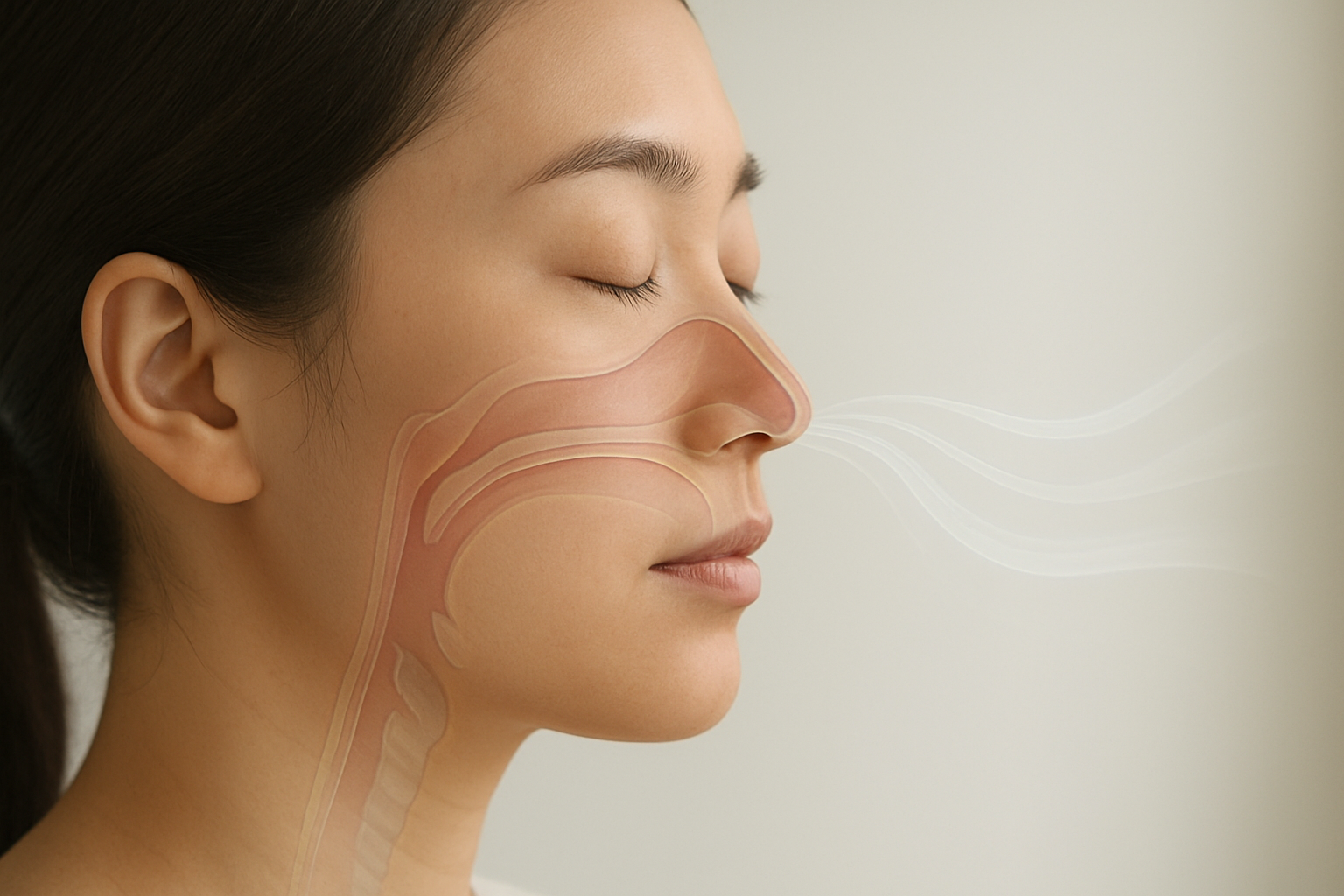
When you breathe through your nose, your body becomes a natural nitric oxide factory. Your nasal passages and sinuses produce this powerful molecule, which acts as a vasodilator, opening your blood vessels and improving circulation throughout your system. You’re essentially giving yourself a cardiovascular boost with every nasal breath you take.
This nitric oxide doesn’t just disappear—it travels with the air you breathe down into your lungs, where it enhances oxygen delivery to your bloodstream. Your heart doesn’t have to work as hard to pump blood, and your blood pressure naturally decreases. Studies show that people who consistently breathe through their noses have better cardiovascular health markers than those who breathe through their mouths.
The beauty of this process is that you already have everything you need. Your body produces about 25% of its nitric oxide through nasal breathing alone. When you switch from mouth breathing to nose breathing, you’re activating this built-in pharmacy that’s been waiting for you to use it properly.
Natural air filtration and humidity control mechanisms
Your nose functions as a sophisticated air conditioning system that mouth breathing completely bypasses. When you breathe nasally, the air travels through a complex network of turbinates—curved structures inside your nasal cavity that create turbulence. This isn’t chaotic; it’s purposeful engineering that maximizes contact between incoming air and your nasal tissues.
Your nasal passages filter out particles, pollutants, and allergens before they reach your lungs. The tiny hairs called cilia work like microscopic bouncers, catching debris and bacteria. Meanwhile, your nasal tissues add moisture to dry air and cool it, ensuring that what reaches your lungs is perfectly conditioned.
When you mouth breathe, you’re sending unfiltered, unhumidified air directly to your delicate lung tissue. This forces your lungs to work harder, leaving you vulnerable to respiratory infections and inflammation. Your nose does all this preprocessing work automatically—you just need to let it do its job.
Improved oxygen absorption and blood flow optimization
Nasal breathing fundamentally changes how your body processes oxygen. When you breathe through your nose, you naturally slow down your breathing rate, which allows for better gas exchange in your lungs. Your diaphragm engages more fully, creating optimal pressure changes that help your lungs extract maximum oxygen from each breath.
The slower breathing pattern you automatically adopt through nasal breathing gives your red blood cells more time to pick up oxygen in your lungs and release carbon dioxide. This isn’t just about breathing more slowly—it’s about breathing more efficiently. You’re getting more oxygen into your system with less effort.
Your blood flow patterns also improve dramatically. The nitric oxide we discussed earlier, combined with improved oxygen saturation, improves circulation to your brain, organs, and muscles. You’ll likely notice improved mental clarity, better energy levels, and enhanced physical performance when you make nasal breathing your default mode.
Enhanced immune system function through proper breathing
Your nose serves as the first line of defense in your immune system, but only when you actually use it for breathing. The mucus in your nasal passages contains antibodies, enzymes, and proteins that neutralize harmful bacteria and viruses before they can establish infections in your respiratory system.
Nasal breathing also helps maintain proper pH levels in your airways. When you mouth breathe, you create an environment that’s more alkaline, which bacteria and viruses love. Nasal breathing keeps your respiratory tract at a slightly acidic pH that naturally discourages harmful microorganisms from setting up shop.
Your lymphatic system—your body’s drainage and immune network—also benefits from the rhythmic, diaphragmatic breathing that nasal breathing encourages. The gentle pressure changes help move lymphatic fluid through your system more effectively, supporting your body’s ability to clear out toxins and fight off infections.
Sleep quality improves dramatically when you become a consistent nasal breather. Your immune system does most of its repair and strengthening work during sleep, so giving it the optimal breathing foundation sets you up for better overall health resilience.
Transform Your Health by Changing How You Sleep and Breathe

The Dangers of Nighttime Mouth Breathing on Sleep Quality
When you breathe through your mouth at night, you’re setting yourself up for a cascade of health problems that extend far beyond just a dry throat. Your mouth wasn’t designed to be your primary breathing pathway during sleep, and when you force it into that role, your entire body pays the price.
Mouth breathing during sleep dramatically reduces oxygen intake, leaving your brain and organs starved of the fuel they need to repair and regenerate overnight. You’ll wake up feeling groggy, unfocused, and exhausted, even after eight hours in bed. Your saliva production drops significantly when your mouth stays open, creating the perfect breeding ground for harmful bacteria that lead to bad breath, tooth decay, and gum disease.
The real kicker? Mouth breathing changes your facial structure over time. Your tongue drops to the bottom of your mouth instead of resting against your palate, which narrows your airways and makes breathing even more difficult. This creates a vicious cycle in which poor breathing worsens, affecting your sleep quality, energy levels, and overall health.
Your heart rate increases during mouth-breathing episodes, placing unnecessary stress on your cardiovascular system when it should be recovering. Many people who mouth breathe at night also experience frequent wake-ups, though they often don’t remember them, leading to fragmented sleep that leaves them feeling drained the next day.
Simple Techniques to Train Nasal Breathing During Rest
Training yourself to breathe through your nose at night requires patience and consistency, but the techniques are surprisingly straightforward. Start by taping your mouth before bed using specialized breathing tape or gentle medical tape. This might sound extreme, but it’s one of the most effective ways to retrain your breathing patterns while you sleep.
Before you try mouth taping, spend time during the day practicing nasal breathing. Set reminders on your phone to check your breathing every hour. When you catch yourself mouth breathing, gently close your mouth and breathe slowly through your nose. This daytime practice makes the nighttime transition much easier.
Clear your nasal passages before bed using a saline rinse or neti pot. Congested sinuses force you to mouth-breathe, so keeping your nasal passages clean is essential. You can also use natural decongestants like eucalyptus oil on your pillow or a humidifier in your bedroom to keep your airways moist and open.
Practice the “tongue posture” exercise: rest your tongue against the roof of your mouth, just behind your front teeth. This position naturally encourages nasal breathing and helps train your muscles to maintain proper positioning during sleep. Hold this position for several minutes throughout the day until it becomes automatic.
Create a bedtime routine that includes five minutes of slow, deliberate nasal breathing. Breathe in for four counts, hold for four counts, and exhale for six counts, all through your nose. This routine signals your body to prepare for restorative sleep while reinforcing proper breathing patterns.
How Proper Breathing Reduces Snoring and Sleep Apnea
Your breathing pattern directly affects your throat muscles and airway structure, so switching to nasal breathing can dramatically reduce or eliminate snoring. When you breathe through your nose, the air is filtered, warmed, and humidified before reaching your lungs, creating smoother airflow that doesn’t trigger the tissue vibrations that lead to snoring.
Nasal breathing produces nitric oxide, a powerful molecule that relaxes your blood vessels and improves oxygen delivery throughout your body. This increased oxygenation helps keep your throat muscles toned and reduces the likelihood of airway collapse that triggers sleep apnea episodes. Many people see significant improvements in their sleep apnea symptoms by simply switching to nasal breathing.
The position of your tongue plays a crucial role in keeping your airways open. When you breathe through your nose, your tongue naturally rests against your palate, creating more space in your throat and preventing the airway blockages that cause sleep apnea. Mouth breathing, on the other hand, allows your tongue to fall back and partially block your airway.
Consistent nasal breathing also reduces inflammation in your respiratory system. The nitric oxide produced during nasal breathing has anti-inflammatory properties that help keep your nasal passages and throat tissues healthy and less prone to swelling that can contribute to breathing difficulties.
Your sleep partner will notice the difference, too. The reduction in snoring often happens within the first few nights of switching to nasal breathing, leading to better sleep for everyone in the household. Many couples report that addressing one partner’s breathing issues improved both their sleep quality and their relationship satisfaction.
Master Ancient Breathing Practices for Modern Wellness

Pranayama Techniques for Stress Reduction and Mental Clarity
You’ll find that pranayama, the ancient yogic practice of breath control, offers powerful tools for managing stress and sharpening mental focus. These time-tested techniques activate your parasympathetic nervous system, creating an instant shift from fight-or-flight mode to a state of calm alertness.
Start with Ujjayi breathing, also known as “victorious breath.” You’ll breathe slowly through your nose while slightly constricting your throat, creating a gentle ocean-like sound. This technique helps you maintain focus during challenging situations and naturally slows your heart rate. Practice for 5-10 minutes daily to build your stress resilience.
Alternate nostril breathing (Nadi Shodhana) balances your nervous system by working with your body’s natural rhythm. You’ll use your thumb and ring finger to alternately close each nostril while breathing slowly and deeply. This practice enhances mental clarity and helps you feel centered when overwhelmed.
For immediate stress relief, try the 4-7-8 breathing technique. You’ll inhale for 4 counts, hold for 7, then exhale for 8. This pattern quickly triggers relaxation and works especially well before important meetings or bedtime.
The Wim Hof Method for Cold Exposure and Immune Boosting
Your immune system gets a remarkable boost when you combine specific breathing patterns with cold exposure, as demonstrated by Wim Hof’s groundbreaking method. This technique involves controlled hyperventilation followed by breath retention, which floods your body with oxygen and creates beneficial stress adaptation.
Here’s how you’ll practice the basic technique:
- Round 1: Take 30-40 deep breaths, inhaling fully through your nose and exhaling completely through your mouth
- Retention Phase: After your final exhale, hold your breath for as long as comfortable
- Recovery Breath: Take a deep breath and hold for 15 seconds
- Repeat: Complete 3-4 rounds
You’ll notice tingling sensations and light-headedness during the breathing phase – this is normal and indicates increased oxygen levels. The breath-holding phase trains your body to function efficiently with lower oxygen levels while building mental resilience.
When you’re ready to add cold exposure, start with 30-second cold showers and gradually increase the duration. The breathing technique helps you stay calm and focused during cold exposure, turning what would normally be stressful into an empowering practice that strengthens your immune response and mental toughness.
Box Breathing for Anxiety Management and Focus Enhancement
Box breathing becomes your go-to tool for managing anxiety and enhancing focus in high-pressure situations. This technique, used by Navy SEALs and elite performers, creates a steady, rhythmic pattern that immediately calms your nervous system.
You’ll breathe in a perfect square pattern:
| Phase | Count | Action |
|---|---|---|
| Inhale | 4 | Breathe out through the mouth |
| Hold | 4 | Retain the breath |
| Exhale | 4 | Breathe out through mouth |
| Hold | 4 | Empty lungs completely |
Start with 4-second intervals and gradually increase to 6 or 8 seconds as you build comfort. You’ll find this particularly effective before presentations, exams, or other situations that require peak mental performance.
Your brain craves this type of rhythmic breathing because it provides predictability in chaos. When anxiety strikes, your breathing typically becomes shallow and erratic. Box breathing interrupts this pattern and sends clear signals to your brain that you’re safe and in control.
Practice this technique for 5 minutes daily during calm moments so it becomes automatic during stressful situations. You’ll discover that even two minutes of box breathing can shift your entire mental state from scattered to focused.
Breath-Holding Exercises to Increase CO2 Tolerance
Building your CO2 tolerance transforms how your body handles stress and improves oxygen delivery to your cells. Most people fear the sensation of breathlessness, but you’ll learn to embrace it as a powerful training tool.
Start with the Control Pause test to establish your baseline. After a normal exhale, pinch your nose and hold until you feel the first urge to breathe. This measurement, typically 10-40 seconds for most people, indicates your current CO2 tolerance.
Practice comfortable breath holds daily by:
- Taking a normal breath (not deep)
- Exhaling normally
- Holding your breath until you feel a gentle urge to breathe
- Resuming normal breathing without gasping
You’ll gradually extend these holds as your body adapts to higher CO2 levels. This training reduces your sensitivity to carbon dioxide, which means you’ll feel less breathless during physical activity and remain calmer under stress.
Walking breath holds add a dynamic element to your practice. Walk at a comfortable pace, then hold your breath for a certain number of steps. Start with 10-20 steps and build gradually. You’ll notice improved endurance and a greater sense of calm during daily activities.
Regular CO2 tolerance training rewires your breathing patterns, making you naturally breathe more slowly and deeply throughout the day. This shift enhances oxygen delivery, improves sleep quality, and builds remarkable stress resilience.
Heal Your Body Through Strategic Breathing Interventions

Reversing Asthma and Respiratory Conditions Naturally
Your breathing patterns can dramatically transform how your airways function. When you shift from shallow chest breathing to deeper diaphragmatic patterns, you’re essentially retraining your respiratory system to work more efficiently. People with asthma often fall into rapid, shallow breathing cycles that actually worsen their condition by creating more inflammation and airway constriction.
The Buteyko breathing method has shown remarkable results for asthma sufferers. You practice breath-holding and reduced-breathing exercises to help reset your body’s tolerance to carbon dioxide. This might sound counterintuitive, but higher CO2 levels actually help dilate your airways and reduce inflammation. Many people report significant reductions in their inhaler use after consistent practice.
Your nasal breathing also plays a crucial role here. When you breathe through your nose instead of your mouth, you’re filtering, warming, and humidifying the air before it reaches your lungs. This prevents the dry, cold air that often triggers asthmatic episodes.
Lowering Blood Pressure Through Controlled Breathing Patterns
Your cardiovascular system responds immediately to your breathing. Slow, rhythmic breathing patterns activate your parasympathetic nervous system, which naturally lowers your heart rate and blood pressure. Research shows that breathing at a rate of 6 breaths per minute for just 15 minutes can create measurable improvements in your blood pressure readings.
The 4-7-8 breathing technique works particularly well for this purpose. You inhale for 4 counts, hold for 7, then exhale for 8. This pattern triggers a relaxation response that counteracts the stress hormones that raise blood pressure.
Box breathing offers another powerful approach. You breathe in for 4 counts, hold for 4, exhale for 4, and hold empty for 4. This technique balances your autonomic nervous system and helps regulate the mechanisms that control your blood pressure throughout the day.
Reducing Chronic Pain and Inflammation with Breath Work
Your breath directly influences your body’s inflammatory responses. When you’re in chronic pain, you naturally start breathing in short, shallow patterns that actually increase muscle tension and stress hormones. This creates a vicious cycle where pain leads to poor breathing, which leads to more pain.
Deep breathing exercises help break this cycle by activating your vagus nerve, which controls your anti-inflammatory pathways. The longer you exhale, in particular, the more you trigger the release of endorphins and other natural pain-fighting chemicals in your body.
Cold exposure breathing, like the Wim Hof method, takes this even further. You practice specific breathing patterns before and during cold exposure, which dramatically reduces inflammatory markers in your blood. Many people with chronic conditions report significant pain reduction after incorporating these techniques into their daily routine.
Your diaphragmatic breathing also helps release physical tension stored in your core muscles, which often contributes to back pain and other musculoskeletal issues.
Improving Athletic Performance and Endurance Capacity
Your oxygen efficiency determines how well you perform in any physical activity. Most athletes breathe far more than necessary, which actually reduces their oxygen delivery to working muscles. When you train yourself to breathe less but more efficiently, you improve your body’s ability to use oxygen at the cellular level.
Breath-hold training builds incredible endurance capacity. You practice holding your breath after exhaling, which increases your tolerance to carbon dioxide and improves your oxygen utilization. This directly translates into better performance during high-intensity activities.
Your recovery between sets or intervals also improves dramatically with proper breathing. Instead of gasping for air, you can use controlled breathing patterns to quickly shift your nervous system back into recovery mode. This allows you to maintain higher intensity for longer periods.
Many elite athletes now use breathing techniques as part of their mental preparation, too. Your breath patterns directly influence your focus and stress levels during competition.
Enhancing Digestive Health Through Diaphragmatic Breathing
Your digestive system works best when you’re relaxed, and your breathing patterns directly control this. Shallow chest breathing keeps you in a stressed state where digestion essentially shuts down. Deep belly breathing activates the rest-and-digest response, optimizing your digestive processes.
When you breathe deeply into your diaphragm, you’re actually massaging your internal organs with each breath. This gentle movement stimulates blood flow to your digestive organs and helps with the mechanical aspects of digestion.
Your vagus nerve, which controls most of your digestive functions, responds powerfully to specific breathing patterns. Longer exhales activate this nerve and improve everything from stomach acid production to intestinal motility.
Breathing exercises before meals can significantly improve your body’s ability to break down and absorb nutrients. Just five minutes of diaphragmatic breathing before eating helps prepare your digestive system for optimal function.

Your breathing patterns shape your health more than you might realize. James Nestor’s research shows that simple changes, such as switching from mouth to nasal breathing, can boost energy, improve sleep quality, and even help heal chronic health issues. The ancient breathing techniques you’ll discover in this book aren’t just wellness trends – they’re scientifically proven methods that can transform how you feel every single day.
Start paying attention to how you breathe right now. Make the switch to nasal breathing during your daily activities, practice the breathing exercises that resonate with you, and consider how your sleep position affects your breathing patterns. Your body has been waiting for you to unlock this natural healing power that’s been there all along. The science is clear: when you change how you breathe, you change how you live.
Discover more reflections in our 📚Book Corner, and explore inspiring reads under 🛍️Zen Essentials for mindful living.
Subscribe to The Zen Journal for soulful book reviews, mindful travel stories, and wellness inspiration delivered weekly.