
The Body Keeps the Score by Bessel van der Kolk – Understanding Trauma Through Somatic Practices

Understanding Trauma Through Your Body: Insights from Bessel van der Kolk’s Revolutionary Work
Your body remembers what your mind tries to forget. Bessel van der Kolk’s groundbreaking book “The Body Keeps the Score” reveals how trauma persists in your nervous system, muscles, and organs long after the initial event. This isn’t just theory – it’s backed by decades of research showing how traumatic experiences reshape your brain and body.
This guide is for trauma survivors, therapists, loved ones of those affected by trauma, and anyone curious about the mind-body connection in healing. You’ll discover practical ways to work with your body’s natural wisdom rather than against it.
We’ll explore van der Kolk’s revolutionary insights about how trauma rewires your brain and nervous system. You’ll learn core somatic practices that help your body release stored trauma and tension. Finally, we’ll cover how to integrate these body-based healing approaches into your daily recovery journey, giving you tools to transform your relationship with stress and emotional triggers.
Your healing journey doesn’t have to be purely mental – your body holds incredible power for recovery when you know how to listen.
📘 Grab Your Copy on Amazon and Start Reading
Revolutionary Insights from Bessel van der Kolk’s Groundbreaking Research

How trauma rewires your brain and nervous system
Your brain literally changes when you experience trauma. Bessel van der Kolk’s decades of research reveal that traumatic experiences don’t just create memories – they reshape your neural pathways and alter how your nervous system responds to the world around you.
When you encounter trauma, your brain’s alarm system – the amygdala – becomes hyperactive and oversized. This means you’re constantly scanning for danger, even when you’re safe. Your prefrontal cortex, responsible for rational thinking and decision-making, becomes less active. You might find yourself reacting to situations in ways that seem out of proportion to what’s actually happening.
Your nervous system gets stuck in survival mode. The sympathetic nervous system, which controls your fight-or-flight response, remains chronically activated. This leaves you feeling anxious, hypervigilant, or easily startled. Sometimes your system swings to the opposite extreme – the dorsal vagal shutdown – where you feel numb, disconnected, or frozen.
Van der Kolk’s neuroimaging studies show these changes aren’t permanent. Your brain retains neuroplasticity – the ability to form new neural connections. However, healing requires more than just understanding what happened to you. You need approaches that work directly with your nervous system to help it return to a state of safety and regulation.
Why traditional talk therapy falls short for trauma survivors
Talk therapy works primarily through your prefrontal cortex – the thinking part of your brain. But here’s the problem: trauma lives in deeper, more primitive brain regions that don’t respond well to words and logic alone.
When you’re in therapy, trying to discuss your trauma, your nervous system might become activated just from talking about it. Your heart rate increases, your breathing becomes shallow, and your thinking becomes clouded. You’re literally reliving the trauma while trying to analyze it. This can leave you feeling worse after sessions rather than better.
Traditional cognitive approaches assume that changing your thoughts will change how you feel. While this works for many mental health issues, trauma operates differently. Your body holds the memory of what happened, creating physical sensations, emotional reactions, and behavioral patterns that exist below your conscious awareness.
You might understand intellectually that you’re safe now, but your body still reacts as if the danger is present. You know your partner isn’t going to hurt you, but your nervous system floods with panic when they raise their voice. You recognize that the car backfiring isn’t a gunshot, but your body drops to the ground anyway.
This disconnect between what you know and what you feel can create frustration and make you question your own sanity. Van der Kolk’s research validates what many trauma survivors already suspected: healing needs to happen at the body level, not just in your mind.
Scientific evidence linking body sensations to emotional healing
Van der Kolk’s research demonstrates that your body holds the key to trauma recovery. His studies using brain imaging technology show that trauma survivors have significantly altered patterns of brain activity, particularly in areas that process body sensations and emotional regulation.
One groundbreaking finding involves the insula – the brain region that processes internal body sensations like your heartbeat, breathing, and muscle tension. In trauma survivors, this area often shows decreased activity, meaning you might struggle to feel what’s happening inside your body. This disconnection from physical sensations makes it difficult to recognize when you’re safe or when you need to take action.
Heart rate variability studies reveal another crucial piece of the puzzle. Your heart rate naturally varies slightly with each beat – a sign of a healthy, flexible nervous system. Trauma survivors often show decreased heart rate variability, indicating a rigid, less adaptable stress response system. Body-based practices like yoga, breathing exercises, and movement therapy have been shown to improve heart rate variability and nervous system flexibility.
Research on EMDR (Eye Movement Desensitization and Reprocessing) demonstrates how bilateral stimulation – engaging both sides of your body – helps process traumatic memories. When you move your eyes back and forth or alternate tapping different sides of your body, you’re literally helping your brain integrate the traumatic experience in a new way.
Van der Kolk’s studies on yoga therapy show measurable improvements in PTSD symptoms that often exceed results from traditional therapy alone. Participants who practiced trauma-sensitive yoga showed increased activity in brain regions associated with self-awareness and emotional regulation. They also reported feeling more connected to their bodies and better able to distinguish between past and present experiences.
📘 Grab Your Copy on Amazon and Start Reading
Understanding How Your Body Stores Traumatic Memories
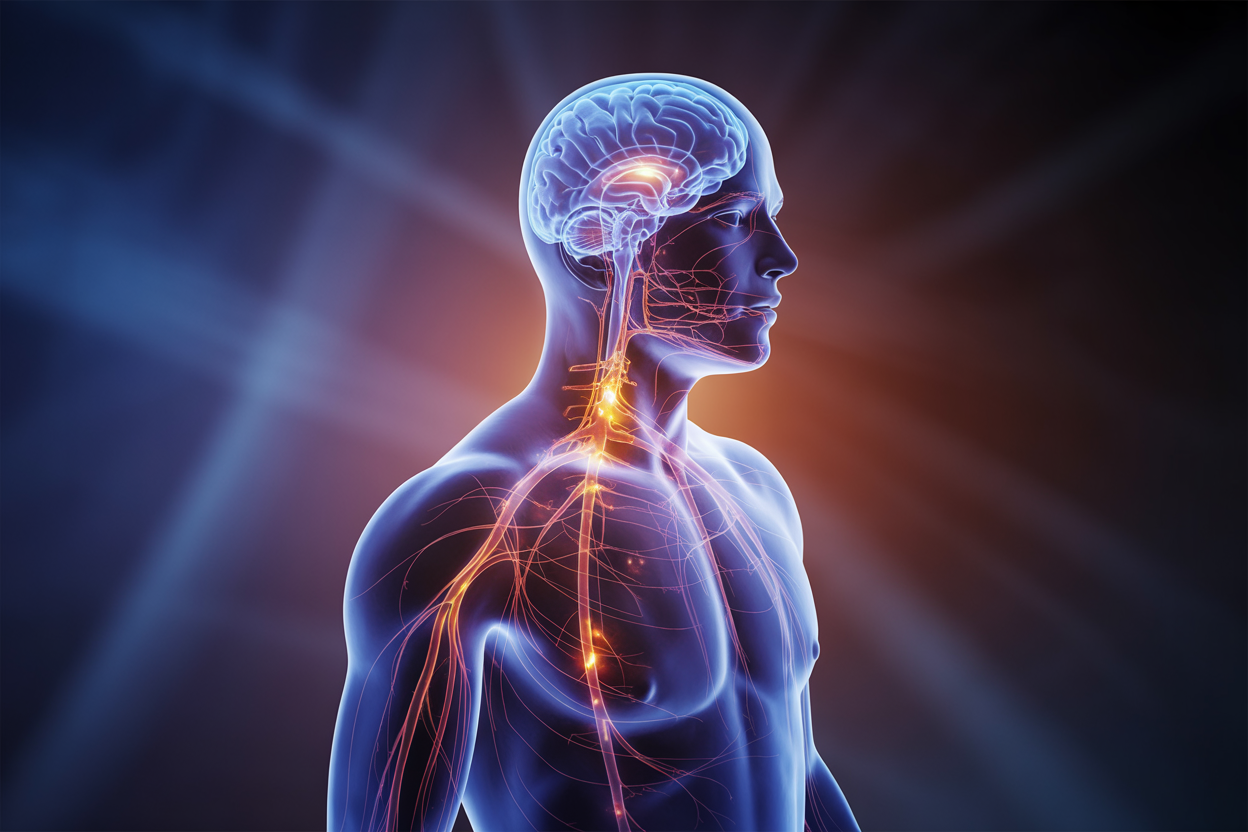
Physical manifestations of unprocessed trauma in daily life
Your body remembers everything, even when your mind tries to forget. Unprocessed trauma shows up in countless ways throughout your daily routine, often disguised as seemingly unrelated physical complaints. You might notice your shoulders automatically tense when you hear certain sounds, or your stomach churns during specific conversations. These aren’t random occurrences—they’re your body’s way of protecting you based on past experiences.
Sleep disturbances are among the most common manifestations you’ll encounter. Your nervous system remains on high alert, making deep rest nearly impossible. You might find yourself waking at 3 AM with a racing heart or feeling exhausted even after hours of sleep. Your digestive system also bears the burden, creating mysterious stomach issues, food sensitivities, or appetite changes that doctors struggle to explain.
Headaches, jaw clenching, and unexplained fatigue often become your constant companions. Your breathing patterns shift, becoming shallow and restricted, limiting oxygen flow to your brain and organs. You might develop skin conditions, autoimmune responses, or chronic inflammation as your body tries to process what your mind hasn’t fully addressed.
Even your posture tells the story—collapsed chest from carrying emotional weight, a rigid spine from staying perpetually on guard, or a protective hunch that shields your heart. These adaptations served you once, but now they’re keeping you trapped in survival mode.
The connection between chronic pain and past experiences
Your chronic pain isn’t just in your head—it’s in your history. The connection between past experiences and present-day physical suffering runs deeper than most medical professionals realize. When trauma occurs, your nervous system creates protective patterns that can persist for decades, manifesting as persistent pain in specific areas of your body.
Consider how your lower back might ache when you feel unsupported in relationships, mirroring times when you lacked safety or security. Your neck and shoulders often hold the weight of hypervigilance—constantly scanning for danger—creating tension patterns that translate into chronic pain. Hip pain frequently correlates with feeling stuck or unable to move forward in life, while chest tightness might reflect suppressed emotions or the need to protect your heart.
Research shows that people with chronic pain conditions often have histories of emotional, physical, or sexual trauma. Your pain system becomes sensitized, interpreting normal sensations as threats. This isn’t weakness—it’s your nervous system doing exactly what it was designed to do: keep you alive by remembering dangerous situations.
The location of your pain often provides clues about the original trauma. Throat issues might relate to times you couldn’t speak up, while stomach problems could stem from situations where you felt unsafe or violated. Your body creates a map of your experiences, and chronic pain is often your nervous system’s way of saying, “We need to address what happened here.”
How muscle tension holds emotional information
Your muscles are remarkable storage systems, holding not just physical strength but emotional memories. Every significant experience—especially traumatic ones—gets encoded in your muscular system through patterns of tension, contraction, and protective bracing. This isn’t metaphorical; it’s neurological reality.
When you experience a threat or overwhelming emotions, specific muscle groups contract to protect you. Your jaw might clench to prevent screaming, your shoulders might rise to shield your neck, or your pelvis might tilt to guard vulnerable areas. These protective responses become habitual patterns, creating what researchers call “muscle armoring”—areas of chronic tension that hold emotional information from past experiences.
Think about how you physically respond to stress now. Do your shoulders automatically rise toward your ears? Does your jaw tighten when you’re anxious? These responses likely mirror how your body protected you during difficult times. Your hip flexors might remain perpetually tight from being ready to run, while your breathing muscles stay restricted from holding your breath during scary moments.
Different muscle groups store different types of emotional information. Your throat muscles hold unexpressed words and suppressed screams. Your heart area stores grief, betrayal, and love that felt unsafe to express. Your core muscles often carry shame, fear, and feelings of powerlessness. Your leg muscles might hold the impulse to run or the feeling of being trapped.
When you begin working with these areas through gentle movement, massage, or somatic practices, you might find emotions surfacing unexpectedly. This isn’t regression—it’s your body finally feeling safe enough to release what it’s been holding.
Breaking the cycle of trauma-induced physical symptoms
Breaking free from trauma-induced physical symptoms requires a different approach than traditional medical treatment. You can’t think your way out of body-based trauma responses—you need to work directly with your nervous system and muscular patterns through somatic practices and body awareness.
Start by developing a curious, non-judgmental relationship with your physical sensations. Instead of fighting your symptoms or viewing them as enemies, try approaching them as messengers. When tension arises, pause and ask what this sensation might be trying to tell you. Is it warning you about something? Protecting you from a perceived threat? Holding an old emotion that needs attention?
Gentle movement practices become your allies in this process. Simple activities like walking, stretching, or dancing can help discharge trapped energy and reset your nervous system. Your body needs to complete the protective responses that got interrupted during traumatic experiences. Sometimes this means shaking, crying, or moving in ways that feel healing rather than forcing specific exercises.
Breathwork offers another powerful pathway for interrupting trauma cycles. Your breath connects directly to your nervous system, and conscious breathing can help shift you out of survival mode. Try longer exhales than inhales to activate your parasympathetic nervous system, or experiment with gentle breath holds to increase your capacity to stay present with uncomfortable sensations.
Creating safety in your body is essential. This might mean adjusting your environment, changing your sleep position, or using supportive tools like weighted blankets. Your nervous system needs to feel genuinely safe before it will release protective patterns that no longer serve you.
Remember that healing happens in layers. Your body took years to develop these protective patterns, and unwinding them takes patience and consistent practice. Celebrate small shifts—the moment your shoulders drop, the breath that comes deeper, the sleep that feels more restful. These are signs that your nervous system is learning to trust safety again.
Core Somatic Practices for Trauma Recovery

Body awareness techniques that restore safety and control
Your body holds incredible wisdom about what feels safe and what doesn’t. When trauma disrupts your ability to trust these internal signals, rebuilding body awareness becomes your pathway back to feeling grounded and secure. Start by practicing the simple act of noticing what’s happening in your body right now – the temperature of your skin, the weight of your clothes, the feeling of your feet on the ground.
Try the “5-4-3-2-1” grounding technique whenever you feel overwhelmed. Name five things you can see, four things you can touch, three things you can hear, two things you can smell, and one thing you can taste. This pulls your nervous system back into the present moment and reminds your body that you’re safe right now.
Body scanning offers another powerful way to reconnect with your physical self. Lie down comfortably and slowly move your attention from the top of your head to your toes, simply noticing what each part feels like without trying to change anything. When you find areas of tension or numbness, breathe into those spaces with curiosity rather than judgment.
Progressive awareness of your boundaries helps rebuild your sense of personal safety. Practice noticing when something feels “too much” or “not enough” – whether that’s the volume of music, the brightness of lights, or the proximity of other people. Honor these signals by making small adjustments that help you feel more comfortable.
Breathing exercises to regulate your nervous system
Your breath serves as a direct bridge between your conscious mind and your autonomic nervous system. When trauma leaves you feeling either hypervigilant or disconnected, intentional breathing practices can help you find that sweet spot of calm alertness where healing happens.
The 4-7-8 breath works wonders for activating your parasympathetic nervous system. Inhale for four counts, hold for seven, then exhale slowly for eight counts. This pattern signals to your body that it’s safe to rest and digest, moving you out of fight-or-flight mode.
Box breathing offers another reliable tool for regulation. Breathe in for four counts, hold for four, exhale for four, and hold empty for four. Repeat this cycle while visualizing drawing a square with your breath. This technique gives your mind something concrete to focus on while your nervous system settles.
When you’re feeling disconnected or numb, try energizing breath work. Take sharp, quick inhales through your nose while pumping your arms, then exhale forcefully through your mouth. This can help wake up your system when trauma has left you feeling flat or empty.
Pay attention to how different breathing patterns affect your emotional state. Some days you might need calming breaths, other days you might need energizing ones. Your body will tell you what it needs if you listen.
Movement therapies that release trapped trauma energy
Trauma often gets stuck in your body as frozen energy that couldn’t be discharged during the original threatening experience. Gentle movement practices help this energy find its natural expression and release, allowing your nervous system to complete cycles that trauma interrupted.
Shaking and trembling might sound strange, but they’re your body’s natural way of discharging stress. Animals in the wild shake after escaping predators – it’s how they reset their nervous systems. You can activate this healing response by starting with small movements like gently shaking your hands, then gradually involving your whole body if it feels right.
Dance and free-form movement let your body express what words cannot. Put on music that matches your current emotional state and let your body move however it wants to. You might find yourself swaying gently, stomping forcefully, or curling into protective positions. Trust whatever emerges.
Yoga trauma-informed practices focus on choice and internal awareness rather than perfect poses. Try gentle flows that emphasize connecting breath with movement, and always honor your body’s signals to stop, modify, or rest. The goal isn’t flexibility or strength – it’s reconnection and self-compassion.
Walking meditation combines the benefits of movement with mindful awareness. Focus on the sensation of your feet touching the ground with each step. This rhythmic, bilateral movement naturally soothes your nervous system while keeping you present in your body.
Mindful touch practices for rebuilding body trust
Trauma often disrupts your relationship with touch, leaving you either craving connection or feeling overwhelmed by physical contact. Rebuilding trust with touch starts with your relationship with yourself and moves at whatever pace feels manageable for you.
Self-massage offers a gentle way to reintroduce positive touch. Start with areas that feel safe – maybe your hands, feet, or arms. Use whatever pressure feels good, whether that’s light stroking or deeper pressure. Notice what your body enjoys and what it doesn’t, without forcing anything.
The practice of placing your hands on different parts of your body while breathing deeply can help you reclaim ownership of your physical self. Try placing one hand on your heart and one on your belly, feeling the rhythm of your breath and heartbeat. This simple practice helps you reconnect with your body as a source of wisdom and comfort.
Texture exploration can awaken your sensory awareness in healing ways. Gather materials with different textures – soft fabrics, smooth stones, textured balls, or natural objects like pinecones or shells. Spend time touching these items mindfully, noticing what feels pleasant, neutral, or uncomfortable without judgment.
Temperature awareness through warm baths, cool cloths, or holding warm drinks helps you tune into another aspect of physical sensation. Pay attention to how different temperatures affect your emotional state and stress levels. Many trauma survivors find that temperature shifts help them feel more present and embodied.
Progressive muscle relaxation for emotional regulation
Your muscles hold memories and emotions just as much as your mind does. Progressive muscle relaxation teaches you to recognize the difference between tension and relaxation, and provides practical tools for managing overwhelming emotions through your body.
Start with your feet and work your way up through each muscle group. Tense each area for five seconds, then release and notice the contrast. As you move through your body, pay attention to areas that feel chronically tight or hard to relax. These spots often hold emotional tension that needs extra attention and patience.
Create your own relaxation sequence based on where you typically hold stress. Maybe your jaw clenches when you’re anxious, or your shoulders creep up toward your ears when you’re overwhelmed. Develop targeted relaxation practices for these specific areas that you can use throughout your day.
Combine muscle relaxation with emotional awareness by noticing what feelings arise as you release different muscle groups. Sometimes letting go of physical tension can bring up emotions that were held in those muscles. Welcome whatever comes up with curiosity rather than resistance.
Use progressive relaxation as a daily check-in with your body. Even five minutes of scanning through your major muscle groups can help you catch stress before it builds up and give you information about what your body needs that day. Your physical state often reflects your emotional state, so this practice serves as both an early warning system and a healing tool.
Integrating Body-Based Healing into Your Recovery Journey

Creating a Personalized Somatic Practice Routine
Your journey toward healing begins with building a practice that fits your unique needs and lifestyle. Start by setting aside just 10-15 minutes daily for body awareness exercises. You might begin with simple breathing techniques, feeling your chest rise and fall while noticing any tension or sensations that arise.
Create a quiet space where you feel safe to explore your body’s messages. This could be a corner of your bedroom, a spot in your garden, or even your car during lunch breaks. The key is consistency, not perfection. Your nervous system thrives on predictable, gentle attention.
Consider these foundational practices to rotate through your routine:
- Body scanning: Mentally sweep through each body part, noticing sensations without judgment
- Grounding exercises: Feel your feet on the floor, imagine roots growing from your body into the earth
- Gentle movement: Slow stretches, swaying, or micro-movements that feel good
- Breathwork: Focus on lengthening your exhales to activate your parasympathetic nervous system
Track what works best for you in a simple journal. Notice which practices leave you feeling calmer, more centered, or energized. Your body will guide you toward what it needs most. Some days you might crave gentle movement, while others call for stillness and breathing. Honor these fluctuations as your system learns to trust again.
Combining Traditional Therapy with Body-Centered Approaches
Talk therapy and somatic work create a powerful partnership in your healing journey. While traditional therapy helps you understand your trauma intellectually, body-centered approaches allow you to process what’s stored in your nervous system and muscles.
You can integrate somatic awareness into your existing therapy sessions by paying attention to physical sensations as you discuss difficult topics. Notice if your shoulders tense up, your stomach tightens, or your breathing becomes shallow when certain memories surface. Share these observations with your therapist – they provide valuable information about how trauma lives in your body.
Many therapists now incorporate somatic techniques into their practice, but you can also seek out specialists trained in:
| Approach | Focus | Best For |
|---|---|---|
| Somatic Experiencing | Releasing trapped survival energy | Single incident trauma |
| Trauma-Sensitive Yoga | Gentle movement and choice | Complex trauma, body disconnection |
| EMDR with somatic elements | Processing memories while staying grounded | PTSD, disturbing memories |
| Body-based mindfulness | Present moment awareness | Anxiety, dissociation |
Don’t worry if your current therapist isn’t trained in somatic approaches. You can practice body awareness between sessions and bring your insights to discuss. This dual approach helps you integrate insights from both your mind and body, creating more complete healing.
Building Resilience Through Consistent Somatic Awareness
Resilience grows through small, repeated acts of tuning into your body’s wisdom. When you practice somatic awareness regularly, you develop what researchers call “interoception” – the ability to sense your internal state. This skill becomes your early warning system for stress, helping you respond before overwhelm takes over.
Pay attention to your body’s signals throughout the day. Does your jaw clench when you check emails? Do your shoulders creep toward your ears during certain conversations? These physical cues signal when your nervous system shifts into protection mode, giving you the chance to respond with self-care rather than push through.
Build micro-practices into your daily routine:
- Morning check-ins: Before getting out of bed, scan your body and set an intention for how you want to feel
- Transition rituals: Take three deep breaths and notice your posture when moving between activities
- Evening releases: Gently shake out your arms and legs to discharge the day’s accumulated tension
Your nervous system learns safety through repetition. Each time you pause, breathe, and tune in, you’re literally rewiring your brain’s response patterns. This isn’t about perfection – even remembering to check in with your body once during a stressful day counts as progress.
The beautiful thing about somatic awareness is that it’s always available to you. Your body is your constant companion, and learning its language gives you a portable toolkit for navigating life’s challenges with greater ease and self-compassion.
Transforming Your Relationship with Stress and Triggers

Recognizing Early Warning Signs in Your Body
Your body broadcasts warning signals long before your mind catches up to what’s happening. These early indicators are your nervous system’s way of preparing you for potential threats, real or perceived. Learning to tune into these messages becomes your first line of defense against overwhelming stress responses.
Physical tension often appears first – tightness in your shoulders, a clenched jaw, or shallow breathing. Your heart rate might quicken, or you may notice subtle changes in your posture. Some people experience sudden temperature shifts, feeling hot or cold, while others report digestive changes such as nausea or stomach knots.
Sleep patterns frequently shift before major stress responses emerge. You might find yourself sleeping too much or barely at all. Your energy levels may fluctuate dramatically, leaving you exhausted after normal activities or restless when you should feel calm.
| Early Warning Sign | Physical Manifestation | Emotional Signal |
|---|---|---|
| Muscle tension | Shoulders, jaw, neck stiffness | Anxiety, hypervigilance |
| Breathing changes | Shallow, rapid breathing | Fear, panic |
| Heart rate shifts | Racing or irregular heartbeat | Fight-or-flight activation |
| Temperature changes | Hot flashes, chills | Nervous system dysregulation |
| Sleep disruption | Insomnia or oversleeping | Emotional overwhelm |
Pay attention to subtle energy shifts in your environment, too. You might notice increased sensitivity to sounds, lights, or crowded spaces. These sensitivities aren’t weaknesses – they’re your nervous system’s attempt to protect you by becoming more alert to potential stressors.
Developing Healthy Coping Mechanisms Through Physical Awareness
Building effective coping strategies starts with developing a friendship with your body’s wisdom. Your physical sensations provide real-time feedback about what works and what doesn’t in managing stress and triggers.
Deep breathing techniques become powerful tools when you practice them regularly, not just during crisis moments. Try the 4-7-8 pattern: inhale for four counts, hold for seven, exhale for eight. This activates your parasympathetic nervous system, naturally calming your stress response. Regular practice makes this technique more accessible when you need it most.
Movement serves both as prevention and as intervention. Gentle stretching, walking, or simple yoga poses help process stored tension before it builds into overwhelming responses. Even five minutes of mindful movement can shift your entire nervous system state.
Effective body-based coping strategies include:
- Grounding techniques: Feel your feet on the floor, hold a cool object, or touch different textures
- Progressive muscle relaxation: Systematically tense and release muscle groups
- Cold water exposure: Splash cold water on your wrists or face to activate your vagus nerve
- Humming or singing: Creates vibrations that soothe your nervous system
- Gentle self-massage: Apply pressure to tension points on your neck, shoulders, or temples
Creating a personal toolkit means experimenting with different approaches and noticing what resonates with your unique nervous system. What calms your friend might activate you, so trust your body’s feedback over external recommendations.
Reclaiming Power Over Your Trauma Responses
Taking back control from trauma responses doesn’t mean forcing them to disappear – it means changing your relationship with them. When you understand that these responses were developed to protect you, you can work with them rather than against them.
Start by naming what’s happening without judgment. “I notice my heart racing” or “I feel tension in my chest” creates space between you and the sensation. This simple act of observation engages your prefrontal cortex, the part of your brain responsible for conscious choice-making.
Develop a personal reset protocol for when triggers arise. This might include stepping away from the situation, doing five deep breaths, or using a specific grounding phrase. Your protocol should be simple enough to remember and execute even when your thinking brain goes offline.
Building your reset protocol:
- Pause: Create physical space when possible
- Breathe: Use your practiced breathing technique
- Ground: Connect with your physical environment
- Assess: Check in with your body’s current state
- Choose: Decide your next action from a calmer place
Practice self-compassion during this process. Trauma responses developed over time and won’t disappear overnight. Each time you notice a response and engage your coping tools, you’re literally rewiring your nervous system toward greater resilience.
Remember that healing isn’t linear. Some days your tools will feel readily available, while other days they might seem distant. This variation is normal and doesn’t indicate failure. Your nervous system is learning new patterns, and like any learning process, it takes time and repetition to become automatic.
The goal isn’t to eliminate all stress responses but to expand your capacity to stay present with them. As you develop this capacity, you’ll find that triggers lose their overwhelming power, and you can respond from choice rather than react from old patterns.
📘 Grab Your Copy on Amazon and Start Reading

Your body holds more wisdom about your healing journey than you might realize. Van der Kolk’s groundbreaking research shows that trauma isn’t just something that happens in your mind – it lives in your muscles, your breathing patterns, and your nervous system. When you start paying attention to these physical signals and work with somatic practices like yoga, breathwork, or body awareness exercises, you’re giving yourself powerful tools to process what traditional talk therapy might miss.
The path to healing trauma doesn’t have to be overwhelming or mysterious. By understanding how your body stores difficult experiences and learning to work with your nervous system rather than against it, you can start building a different relationship with stress and those unexpected triggers. Your body has been keeping score all along – now you have the knowledge to help it find its way back to safety and connection.
Discover more reflections in our 📚Book Corner, and explore inspiring reads under 🛍️Zen Essentials for mindful living.
Subscribe to The Zen Journal for soulful book reviews, mindful travel stories, and wellness inspiration delivered weekly.