
Slow Travel Philosophy: Why Spending 3+ Days in One Place Changes Everything
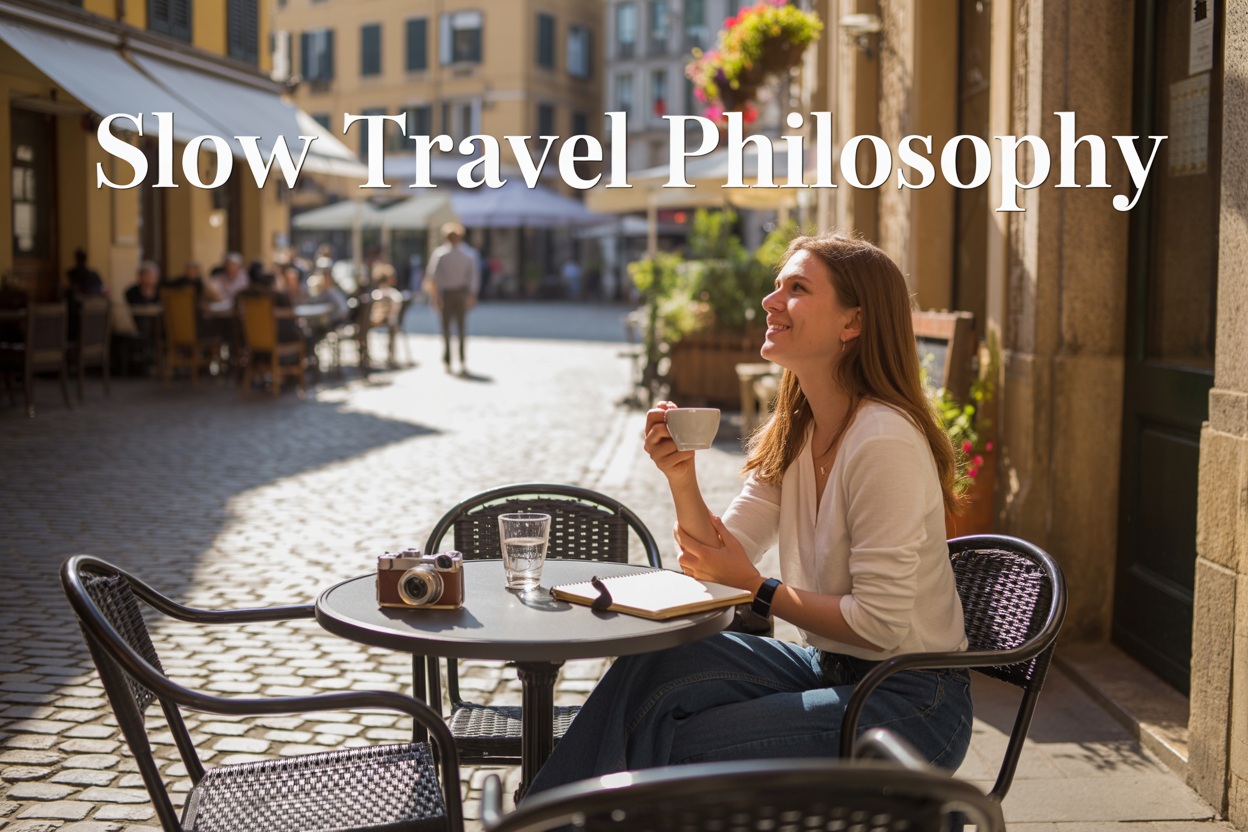
Slow travel philosophy is transforming how people experience the world. Rushing from city to city with packed itineraries leaves you exhausted and disconnected from the places you visit. Slow travel flips this approach by encouraging you to stay longer, move more slowly, and dig deeper into each destination.
This guide is for travellers who want to break free from checkbox tourism and create more meaningful experiences. You’re tired of feeling like you need a vacation from your vacation, and you’re ready to discover what happens when you actually have time to breathe in a new place.
We’ll explore why spending 3+ days in one location transforms your entire travel experience. You’ll learn how the three-day rule works and why it matters for genuine connection with places and people. We’ll also dive into the surprising financial benefits of staying put longer and show you practical ways to embrace slower, more intentional travel that leaves you refreshed rather than drained.
Understanding Slow Travel Philosophy
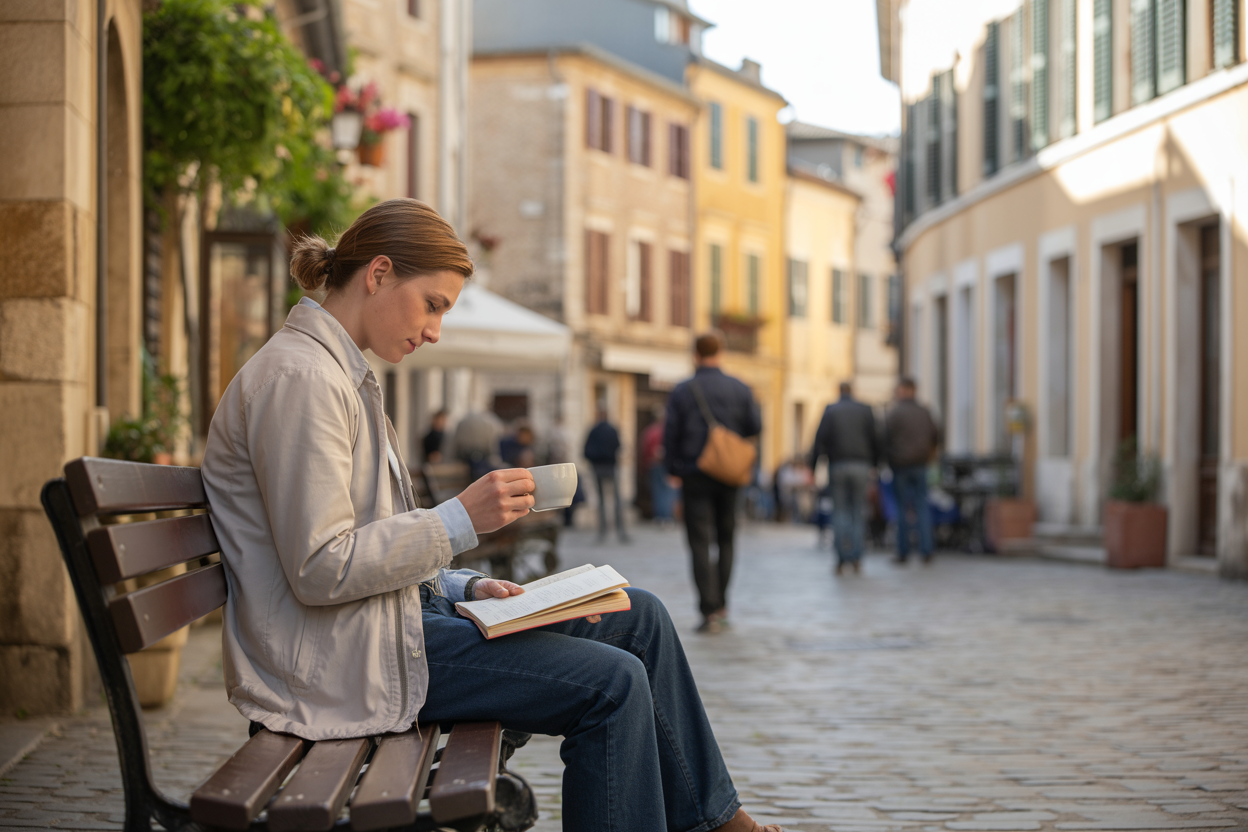
Breaking Free from Rushed Itineraries and Tourist Traps
You’ve probably experienced it before – that frantic rush from landmark to landmark, checking items off your travel bucket list while barely catching your breath. Traditional tourism pushes you through a whirlwind of must-see attractions, leaving you exhausted and oddly unfulfilled despite visiting incredible places. The pressure to see everything creates a superficial relationship with destinations, where you’re constantly moving but never truly arriving.
Tourist traps thrive on this hurried mentality, offering quick photo opportunities and overpriced experiences designed for mass consumption. When you’re rushing, you become vulnerable to these manufactured attractions that promise authentic experiences but deliver cookie-cutter memories. Your travel becomes a series of transactions rather than genuine encounters.
Slow travel philosophy challenges this entire approach. Instead of cramming your days with activities, you give yourself permission to linger. You discover that the real magic happens in the spaces between planned activities – the spontaneous conversations with locals, the quiet moments watching daily life unfold, the gradual understanding of a place’s rhythm that only comes with time.
Embracing Quality Over Quantity in Travel Experiences
When you shift your focus from quantity to quality, your entire travel experience transforms. Rather than collecting passport stamps and social media photos, you start collecting stories, relationships, and a deep understanding. This means choosing fewer destinations but experiencing them more fully.
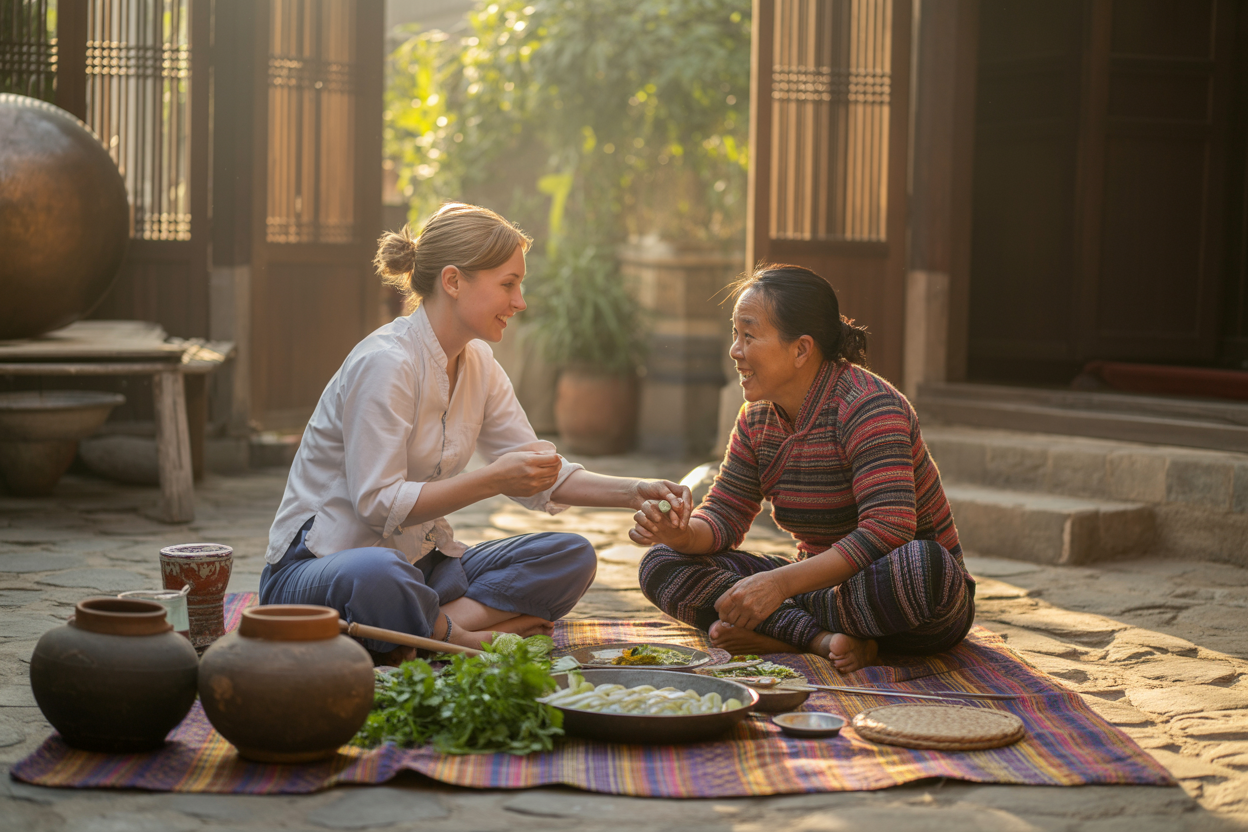
Quality travel experiences can’t be rushed or forced. They emerge naturally when you have the luxury of time. You might spend an entire afternoon in a single neighborhood café, watching the regulars come and go and understanding the community’s social dynamics. Or you could dedicate multiple days to mastering a local cooking technique with a family who welcomes you into their kitchen.
The beauty of quality-focused travel lies in its unpredictability. When you’re not bound by a packed itinerary, you become open to opportunities that would otherwise pass you by. That invitation to join a local festival, the chance to help with a community project, or the opportunity to explore a hidden gem recommended by someone you just met – these experiences become possible only when you’ve created space for them.
Your memories become richer and more vivid because they’re tied to emotional connections rather than fleeting sightseeing moments. You remember conversations, flavors, sounds, and feelings rather than just visual snapshots of famous monuments.
Shifting Mindset from Checking Boxes to Creating Meaningful Connections
The checkbox mentality turns travel into a competitive sport where success is measured by how many attractions you’ve conquered. This approach treats destinations like items on a shopping list, reducing rich, complex places to simple achievements. You end up with a collection of surface-level experiences that fade quickly from memory.
Creating meaningful connections requires vulnerability and openness, which is impossible when you’re constantly rushing to the next destination. When you stay longer in one place, you start to see beyond the tourist facade. You witness how communities actually function, understand local challenges and celebrations, and begin to see the place through the eyes of people who call it home.
These connections aren’t limited to relationships with people – though those are often the most transformative. You also develop connections with places themselves. You learn the best times to visit the local market, discover shortcuts through neighborhoods, and develop preferences for specific spots that resonate with your personality. The destination becomes familiar rather than foreign.
Your role shifts from observer to temporary community member. Instead of looking at life through the window of a tour bus, you step outside and participate. You shop where locals shop, eat where they eat, and gradually understand the unspoken rules and rhythms that govern daily life. This participation creates a sense of belonging that’s impossible to achieve through traditional tourism.
The connections you make during slow travel often extend far beyond your trip. You maintain friendships, return to favorite places, and carry insights that influence how you see the world long after you’ve returned home.
The Three-Day Rule: Why Duration Matters
Day One: Settling in and Overcoming Arrival Overwhelm
When you first arrive in a new destination, your brain goes into overdrive trying to process everything at once. The unfamiliar sounds, smells, and sights create what travel experts call “arrival overwhelm” – that slightly disorienting feeling that makes you want to check off tourist attractions as quickly as possible.
Your first day is really about finding your bearings. You’re figuring out where to get coffee, how the local transportation works, and whether you remembered to pack enough underwear. This mental energy drain means you’re not actually experiencing the place yet; you’re just surviving it.
Most travelers make the mistake of cramming major sightseeing into day one, thinking they’re maximizing their time. But you’re actually operating at about 60% capacity while your mind sorts through cultural differences and logistical challenges. Your photo from that famous landmark might look great on Instagram, but you probably won’t remember the moment as vividly because you were mentally elsewhere.
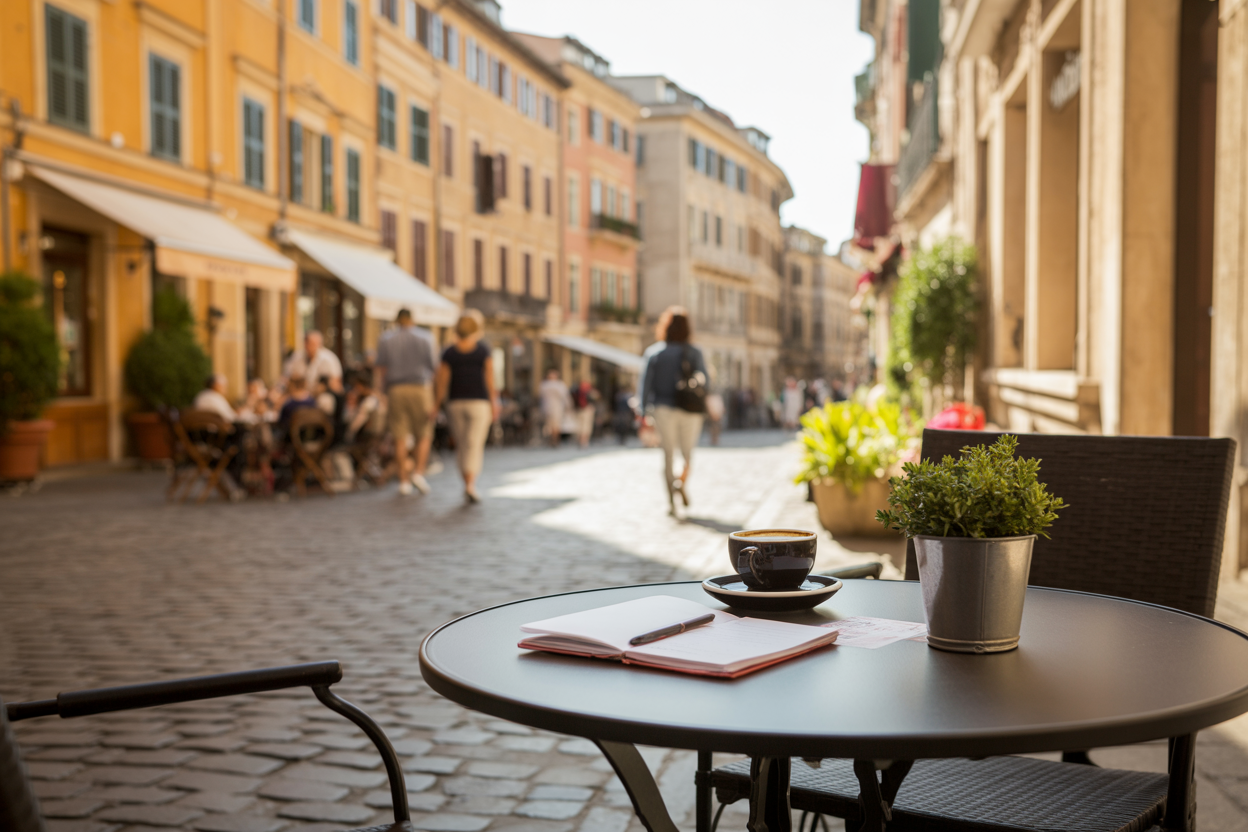
When you give yourself permission to take day one slowly – maybe just exploring your immediate neighborhood, finding a local grocery store, or sitting in a nearby café – you’re setting yourself up for richer experiences ahead. You’re allowing your nervous system to calibrate to this new environment without the pressure to make every moment count.
Day Two: Discovering Hidden Gems Beyond Guidebook Recommendations
Something magical happens on your second day. The initial anxiety has settled, and you start noticing details that completely escaped you yesterday. That little bakery you walked past three times suddenly smells incredible. The side street that looked sketchy now reveals interesting street art and cozy wine bars.
Your comfort level expands like ripples in water. You’re more willing to take that unmarked staircase, try the restaurant with no English menu, or follow the sound of live music down an alley. This is when you discover the places that make locals smile when you mention them later.
Day two is also when you start noticing subtle patterns. You notice when the neighborhood comes alive, where people actually hang out (versus where tourists gather), and which cafés have the longest lines of locals. These observations become your treasure map for authentic experiences that no guidebook can provide.
You’ll find yourself having spontaneous conversations because you’re not rushing between must-see attractions. The elderly man feeding pigeons in the square becomes a source of local knowledge. The shopkeeper who seemed too busy yesterday now has time to recommend her favorite lunch spot.
This is when travel stops being a performance and starts being a discovery. You’re not just visiting a place; you’re beginning to understand it.
Day Three and Beyond: Unlocking Authentic Local Experiences
By day three, something remarkable shifts in how locals perceive you. You’re no longer obviously lost, fumbling with maps, or asking where the bathroom is in broken phrases. Shopkeepers start recognizing you. The barista remembers your coffee order. You’ve crossed an invisible threshold from tourist to temporary resident.
This recognition opens doors that remain firmly closed to quick visitors. Restaurant owners might share family recipes or invite you to try something not on the menu. Local artists could offer to show you their studio. Neighbors might include you in impromptu dinner plans or weekend activities.
Your own behavior changes, too. You develop preferences rather than just checking boxes. Maybe you discover you love watching the sunrise from that particular bench in the park, or you find yourself looking forward to your daily walk through the fish market. You’re not just experiencing a place; you’re developing relationships with it.
The rhythm of local life becomes familiar instead of foreign. You understand when shops close for siesta, why certain streets are empty on Tuesday mornings, or how the weather affects the community’s mood. These insights create connection points that rushed travelers never access.
You also gain confidence to venture into truly local spaces – the community center, neighborhood festivals, or political discussions in cafés. These experiences don’t make it into your travel photos, but they fundamentally change how you see the world and your place in it.
Financial Benefits of Extended Stays

Negotiating Better Accommodation Rates for Longer Periods
Your wallet will thank you for committing to staying put for extended periods. Most accommodation providers, from boutique hotels to Airbnb hosts, offer significant discounts for weekly or monthly stays. You’ll often find that booking seven nights gets you anywhere from 15-25% off the nightly rate, while monthly bookings can slash costs by 30-50%.
The key is reaching out directly to property owners or managers. Even if you don’t see weekly discounts advertised, ask about extended stay rates. Many hosts are eager to secure longer bookings because it means less turnover work and guaranteed income. You can also leverage your flexibility by offering to stay during their slower periods in exchange for better rates.
Co-living spaces and extended-stay hotels can be incredibly cost-effective when you factor in included amenities like cleaning services, utilities, and sometimes even breakfast. What initially seems pricier than a budget hostel becomes a bargain when you calculate the true daily cost over three weeks.
Reducing Transportation Costs Between Destinations
Your transportation budget shrinks dramatically when you’re not constantly on the move. Instead of expensive flights, trains, or buses every few days, you’re making fewer, more strategic moves between destinations. This approach lets you book transportation well in advance for better prices, or even splurge on more comfortable options since you’re traveling less frequently.
You can also take advantage of location-based travel passes. Many cities offer weekly or monthly public transit cards that become incredibly economical when you’re using them daily rather than just passing through. Some destinations even offer tourist cards that include transportation, museum entries, and discounts – these only make financial sense if you’re staying long enough to use them properly.
Shopping Like a Local for Groceries Instead of Tourist Restaurants
Your food expenses plummet when you have access to a kitchen and time to discover local markets. Instead of eating every meal at restaurants aimed at tourists, you can shop at neighborhood grocery stores, farmers’ markets, and local food vendors where prices reflect what locals actually pay.
You’ll discover that cooking just half your meals saves tremendous money while giving you authentic cultural experiences. Local markets become your classroom for learning about regional ingredients, seasonal produce, and traditional cooking methods. Plus, you can stock up on local specialties to take home, often at a fraction of what you’d pay at tourist shops.
Having a kitchen also means you can enjoy local wines, beers, and treats without restaurant markup. Buy that bottle of wine from the local vineyard and enjoy it on your balcony rather than paying three times the price at a tourist restaurant.
Accessing Weekly Discounts and Local Membership Perks
Extended stays unlock a treasure trove of local discounts that short-term visitors never discover. Many cities offer resident-rate museum passes, gym day passes, or co-working space deals that only make sense if you’re staying multiple weeks.
Local businesses often provide loyalty programs or regular customer discounts. Your neighborhood coffee shop might offer a punch card, the local laundrette may offer weekly rates, or nearby restaurants may offer discounts for repeat customers. These small savings add up significantly over longer stays.
You can also join temporary memberships at gyms, libraries, or cultural centers that offer month-to-month options. Some cities have bike-sharing programs with monthly memberships that cost less than renting bikes by the day. Co-working spaces frequently offer weekly rates that include networking events, free coffee, and sometimes even social activities – giving you both workspace and community for less than you’d spend on daily cafe fees.
Deeper Cultural Immersion Opportunities
Building genuine relationships with locals and fellow travelers
When you stay in one place for an extended period, you shift from being a tourist to becoming a temporary resident. This transformation opens doors to authentic connections that quick visits simply can’t provide. You’ll find yourself chatting with the same barista every morning, getting recommendations from your Airbnb host about their favorite hidden spots, and perhaps even being invited to someone’s home for dinner.
Your extended presence allows relationships to develop naturally. The shop owner, who was initially polite but distant, starts sharing stories about their family business. The woman at the local market begins teaching you how to select the best produce. Fellow travelers staying at your accommodation become travel companions rather than passing acquaintances. These connections often lead to insider experiences you’d never find in guidebooks – like being invited to a family celebration or getting shown around by someone who’s lived there their entire life.
The key difference is trust. Locals need time to warm up to visitors, and when they see you’re not just passing through, they’re more likely to open their world to you. You become part of their daily routine, and they become part of yours.
Learning basic phrases and customs through daily practice
Your extended stay creates countless opportunities for organic language learning and cultural education. Instead of frantically trying to memorize key phrases from a guidebook, you absorb them naturally through repeated interactions. Ordering your morning coffee becomes a mini language lesson as you practice pronunciation and learn new vocabulary from friendly corrections.
You’ll discover cultural nuances through observation and gentle guidance from locals who appreciate your effort to understand their way of life. Perhaps you’ll learn that removing shoes before entering certain spaces isn’t just politeness – it’s deeply rooted in spiritual beliefs. Or you might discover the subtle art of greeting people appropriately based on time of day, age, and social context.
Daily routines become your classroom. Shopping at local markets teaches you about food culture, haggling etiquette, and seasonal traditions. Repeatedly using public transportation helps you understand unspoken rules about personal space, queueing, and offering seats to others. These lessons stick because you experience them repeatedly, building muscle memory for cultural awareness.
Participating in community events and weekly traditions
Longer stays naturally align you with local rhythms, allowing you to participate in recurring community events that travelers on tight schedules often miss. You might stumble upon the weekly farmers market that only happens on Saturdays, join locals for their traditional Sunday family gatherings in the park, or discover that Wednesdays bring live music to the town square.
Your presence during multiple cycles of weekly events means you can participate rather than just observe. You’ll have time to understand the significance behind community traditions, learn the informal rules of participation, and contribute meaningfully to group activities. Maybe you’ll help set up for a neighborhood festival, volunteer at a community garden, or join a weekly hiking group that meets every Thursday.
These experiences provide a rich cultural context that single-event attendance can’t match. You’ll understand why certain traditions matter to the community, how they’ve evolved over time, and what role they play in maintaining social bonds. Your repeated participation also signals respect and genuine interest, often leading to deeper acceptance within the community.
Understanding local rhythms and lifestyle patterns
Extended stays reveal the heartbeat of a place – the patterns that define residents’ daily lives. You’ll discover when the best time to visit popular spots is, not just to avoid crowds, but to experience them when locals actually use them. Early morning might be when the elderly gather for tai chi in the park, while evenings could transform the same space into a social hub for families.
You’ll learn the practical wisdom of local living: which days markets have the freshest produce, when public transport runs most efficiently, and how weather patterns influence daily routines. This knowledge transforms your experience from following tourist trails to living like a local, complete with the small frustrations and unexpected joys of authentic daily life.
Your awareness of local rhythms also means you can better respect community spaces and customs. You’ll understand when certain areas are reserved for prayer or meditation, recognize the importance of siesta hours in hot climates, and appreciate why some neighborhoods come alive only after sunset. This deeper understanding creates more meaningful, respectful interactions with both places and people.
Enhanced Personal Well-being and Mental Health
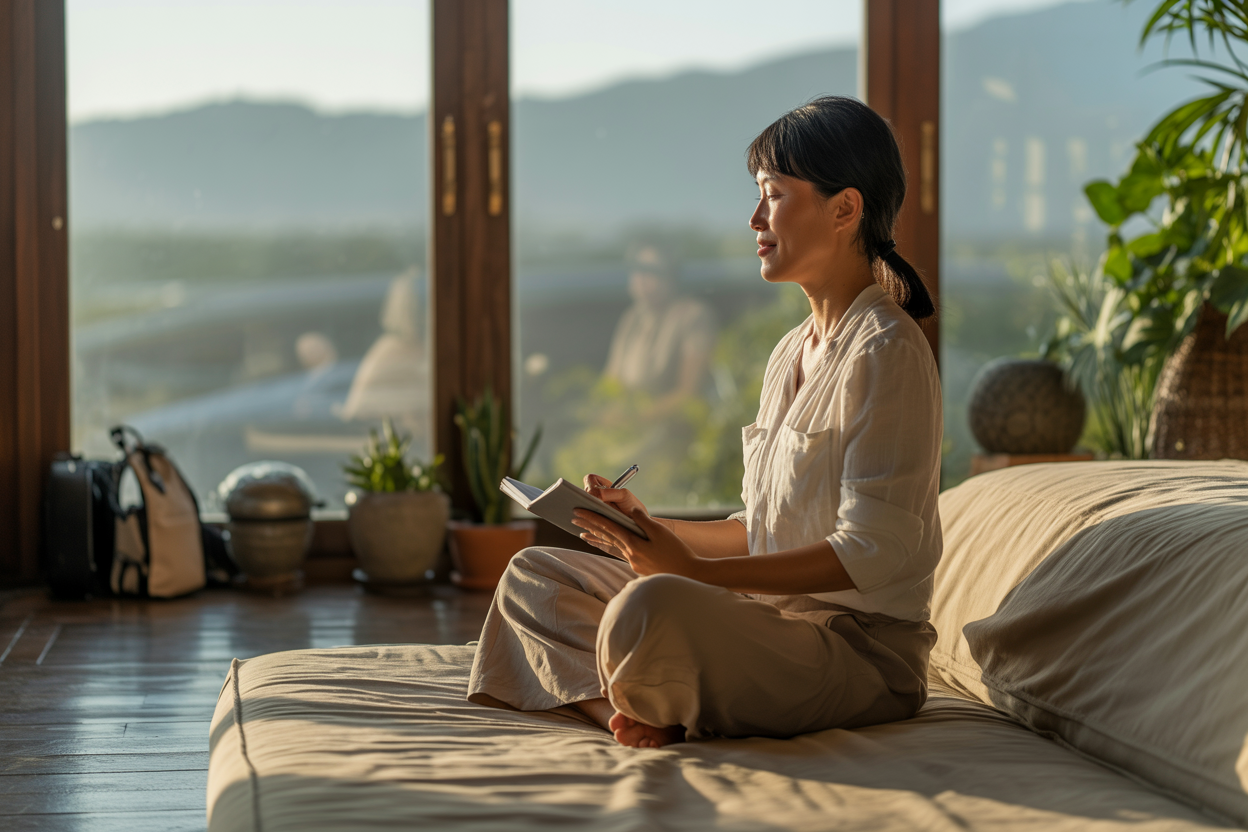
Reducing Travel Fatigue and Constant Packing Stress
Your shoulders ache from hauling that backpack through another train station. Your mind feels scattered as you stuff wrinkled clothes back into your suitcase for the third time this week. Sound familiar? When you’re constantly on the move, travel becomes exhausting rather than rejuvenating.
Staying put for three or more days breaks this cycle completely. You unpack your belongings, hang up your clothes, and set up a temporary home base. Your nervous system gets a chance to settle down without the constant fight-or-flight response that comes with navigating new transportation systems, accommodations, and environments every day or two.
The mental load of planning also decreases dramatically. Instead of researching new routes, booking accommodations, and figuring out logistics every 24-48 hours, you can focus your energy on actually experiencing your destination. Your brain stops operating in survival mode and shifts into exploration mode.
Establishing Healthy Routines in Each Location
Three days give you the breathing room to find your rhythm in a new place. You discover the local coffee shop where you want to start each morning. You locate the nearby park, perfect for your evening walks. You identify the grocery store with the best produce and the quiet café ideal for afternoon writing or reading.
These small routines anchor you emotionally and physically. Your body adapts to local meal times, your sleep schedule stabilizes, and you maintain the healthy habits that keep you feeling your best. When you’re constantly on the move, you often skip workouts, eat irregularly, and sleep poorly because you never know what resources will be available tomorrow.
Extended stays allow you to maintain your self-care practices. You can do laundry properly instead of wearing the same clothes for days. You can prepare nutritious meals instead of relying solely on restaurant food. You can set up a comfortable workspace if you need to stay connected to work or personal projects.
Processing Experiences Fully Without Rushing to the Next Destination
Your mind needs time to digest what you’re experiencing. When you’re rushing from place to place, profound moments get buried under the pressure of packing lists and departure times. Beautiful experiences blur together in an overwhelming montage of sights, sounds, and sensations.
Spending several days in one location creates space for reflection and integration. That meaningful conversation with a local yesterday has time to settle in your thoughts. The stunning sunset you witnessed can be properly appreciated without immediately worrying about catching tomorrow’s early bus. You can revisit places that moved you, deepening your connection and understanding.
This processing time leads to more meaningful memories and personal growth. You start noticing subtleties in local culture that only emerge after the initial excitement wears off. You develop preferences and opinions about neighborhoods, foods, and activities based on multiple experiences rather than first impressions. Your travel stories become richer because you’ve actually lived them rather than just passed through them.
The absence of constant transition allows your creativity and introspection to flourish. Many travelers report having their most profound insights and personal breakthroughs during extended stays when their minds finally have permission to wander and wonder.
Practical Strategies for Implementing Slow Travel
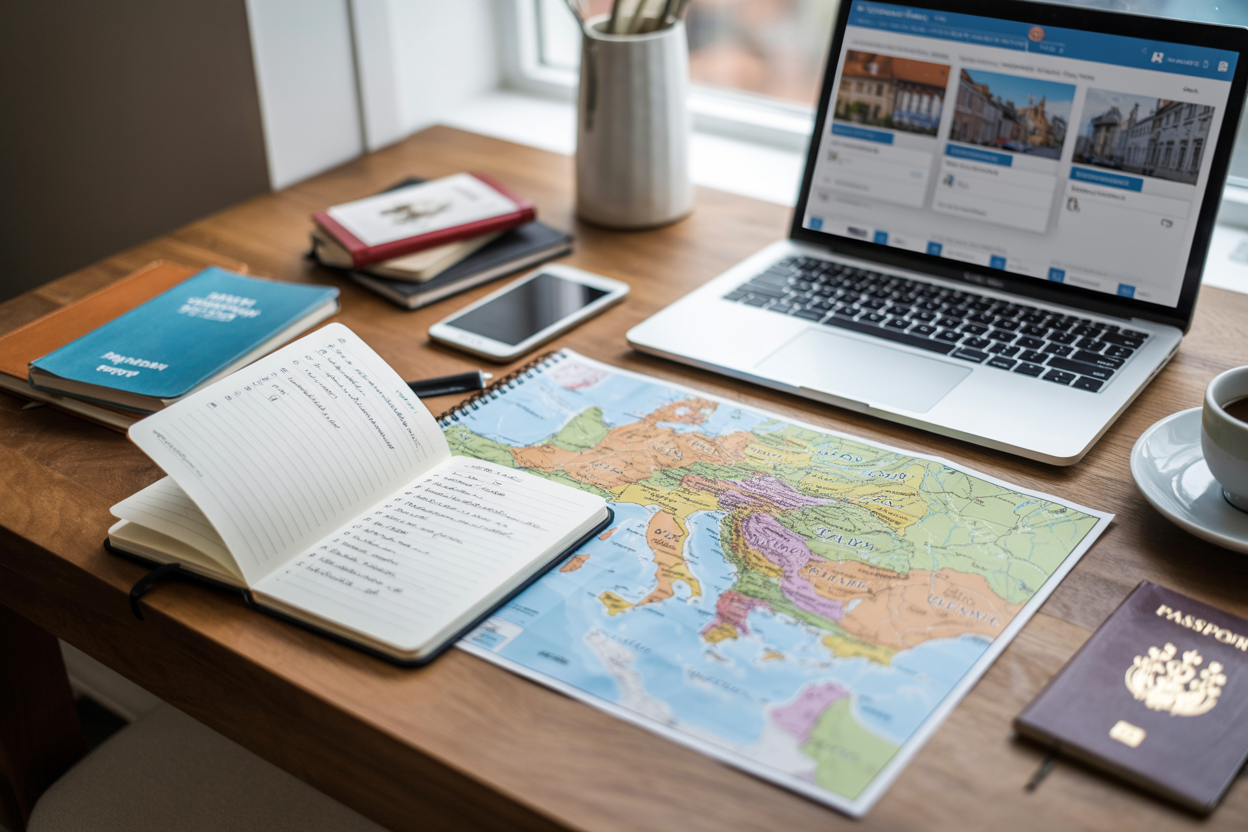
Choosing Accommodations with Kitchens and Workspace Amenities
Your accommodation choice can make or break your slow travel experience. When you’re staying somewhere for three or more days, having a kitchen becomes absolutely crucial. You’ll save money on dining out every meal, plus cooking local ingredients gives you a deeper connection to the destination’s food culture. Look for apartments, extended-stay hotels, or guesthouses with full kitchens rather than just mini-fridges and microwaves.
A dedicated workspace is equally important if you’re working remotely or simply want to journal about your experiences. Check for reliable WiFi speeds, comfortable seating, and adequate lighting. Many successful slow travelers specifically filter their searches for places with proper desks and ergonomic chairs.
Consider these must-have amenities:
- Full-size refrigerator and cooking surfaces
- Quality WiFi (ask for speed tests from previous guests)
- Washing machine or easy access to laundry facilities
- Comfortable seating areas beyond just the bed
- Natural light and ventilation
Researching Neighborhoods Instead of Just Attractions
Skip the typical tourist trap research and dig into actual neighborhoods where real people live. You want to understand the rhythm of daily life, not just hit the famous Instagram spots. Start by looking at residential areas within walking distance of your accommodation.
Use Google Street View to virtually walk the streets before you arrive. Check out local forums, Facebook community groups, and neighborhood-specific websites. Read local newspapers online to stay informed about current events and community issues.
Focus your research on:
- Local markets and grocery stores
- Neighborhood cafes and restaurants frequented by residents
- Community centers and gathering spaces
- Public transportation hubs
- Parks and recreational areas
- Independent bookstores and local shops
This approach helps you blend in rather than stand out as an obvious tourist, opening doors to authentic interactions and experiences you’d never find in guidebooks.
Planning Flexible Itineraries with Buffer Time
Rigid schedules are the enemy of slow travel. When you plan your days, aim to fill only 60-70% of your available time. This buffer space allows for spontaneous discoveries, longer conversations with locals, and the luxury of simply wandering without purpose.
Create theme days rather than hour-by-hour schedules. Maybe Monday is your “market and food exploration day,” while Tuesday becomes “neighborhood walking and people-watching day.” Leave entire afternoons unplanned so you can follow interesting discoveries or simply rest when your body needs it.
Build in weather contingency plans and always have indoor/outdoor alternatives ready. If you planned to explore a specific district but it’s raining, know which museums, cafes, or covered markets you can visit instead.
Your flexible planning should include:
- Maximum of 2-3 planned activities per day
- Built-in rest periods between activities
- Alternative options for different weather conditions
- Free time for serendipitous discoveries
- Flexibility to extend activities you’re enjoying
Using Local Transportation Methods for Daily Exploration
Ditch the tourist buses and taxi apps in favor of the same transportation locals use every day. Public buses, trains, trams, and even bicycle rentals connect you to the city’s authentic pulse while saving significant money over time.
Start by getting a weekly or monthly public transport pass on your first day. Many cities offer tourist versions, but regular resident passes are usually cheaper for longer stays. Learn the system by taking different routes to the same destination – you’ll discover new areas and get comfortable navigating like a local.
Walking should be your primary mode of transportation whenever possible. You’ll notice details, smells, sounds, and small interactions that you’d completely miss from inside a vehicle. Combine walking with public transport to cover longer distances while still maintaining that ground-level perspective.
Transportation strategies for slow travelers:
- Purchase long-term transit passes for better value
- Download offline maps and transit apps
- Learn key transportation hubs in your neighborhood
- Use ride-sharing or taxis sparingly for safety or convenience
- Consider bike rentals for medium-distance exploration
- Walk for nearby destinations to stay connected to street life
Creating a Portable Routine That Works Anywhere
Successful slow travel depends on maintaining some personal routines while adapting to new environments. Your routine becomes an anchor that helps you feel grounded no matter where you are, while still leaving room for local experiences and spontaneity.
Start with non-negotiable daily habits that support your well-being. This might be morning coffee preparation, evening journaling, or a specific workout routine. Then identify which parts of your routine can incorporate local elements – buying coffee beans from neighborhood roasters or finding local parks for morning runs.
Pack items that support your routine: a portable coffee setup if you’re particular about your morning brew, workout gear that doesn’t take much space, or whatever tools you need for hobbies that keep you centered.
Your portable routine might include:
- Consistent wake-up and sleep times adapted to local rhythms
- Daily movement or exercise using local facilities
- Regular meal times featuring local ingredients
- Dedicated time for reflection, planning, or creative work
- Weekly planning sessions to adjust your approach
- Connection time with family/friends back home
The key is balancing structure with flexibility – your routine should support your slow travel experience, not constrain it.
✨ Plan your next mindful journey with ease through Zen Travel Planning, and enrich it with curated tools from Travel Essentials — your hub for stress‑free trips and wellness support.
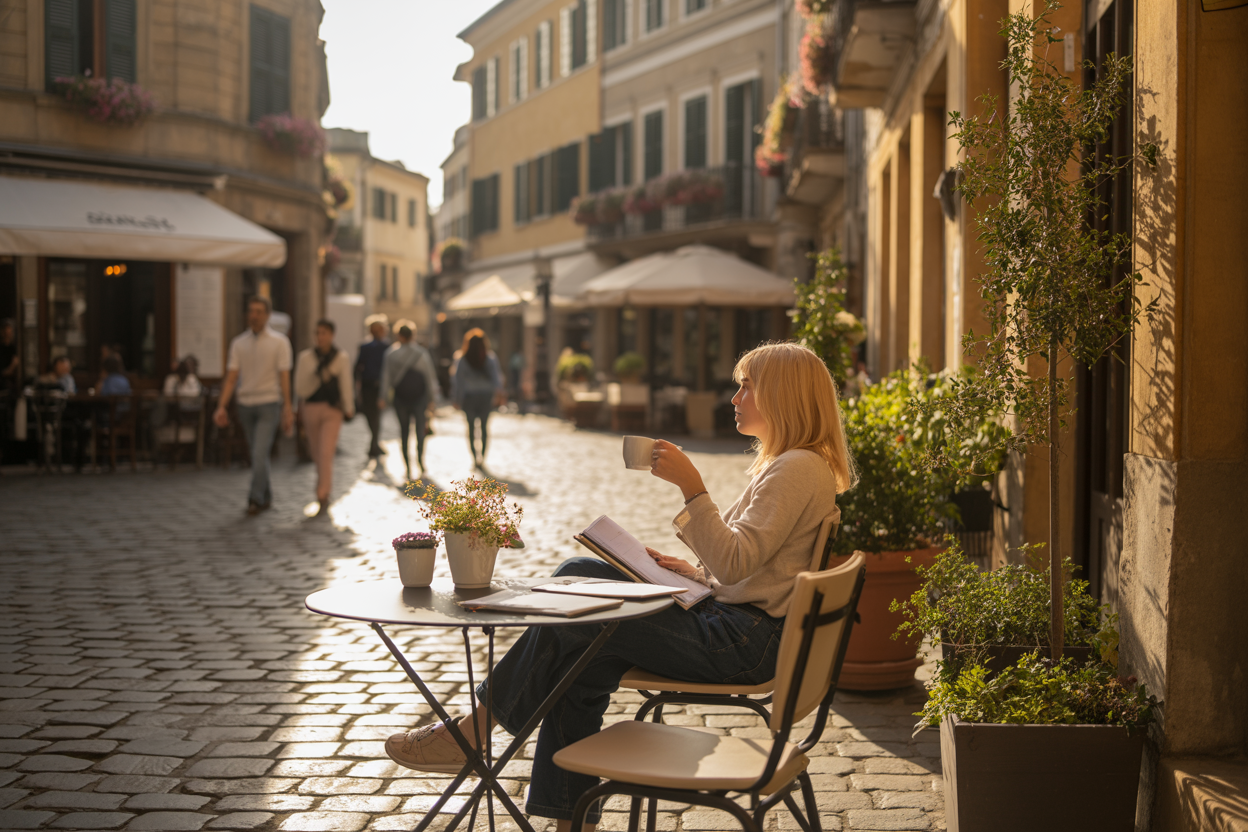
Your travel experiences transform completely when you embrace slow travel and commit to staying in one place for 3 or more days. You’ll discover genuine local culture, build meaningful connections, and reduce the stress of constantly packing and unpacking. Your wallet will thank you too, as longer stays unlock better accommodation rates, reduce transportation costs, and give you access to local markets and hidden gems that rushed tourists never find.
The shift from surface-level sightseeing to deep cultural immersion happens naturally when you give yourself time to breathe. You’ll wake up without rushing to catch trains, eat breakfast at the neighborhood café where locals know your name, and explore at a pace that actually lets you absorb what you’re seeing. Start planning your next trip with this philosophy in mind – pick fewer destinations, book longer stays, and watch how this simple change creates travel memories that stick with you long after you return home.
For more soulful stories and mindful living insights, explore The Zen Blog — your space for travel reflections, wellness tips, and everyday calm.
✨ Subscribe to The Zen Journal for mindful travel tips, yoga flows, and wellness inspiration delivered weekly ✨