
Power Flow for Winter Blues: Dynamic Sequences to Boost Mood & Immunity”
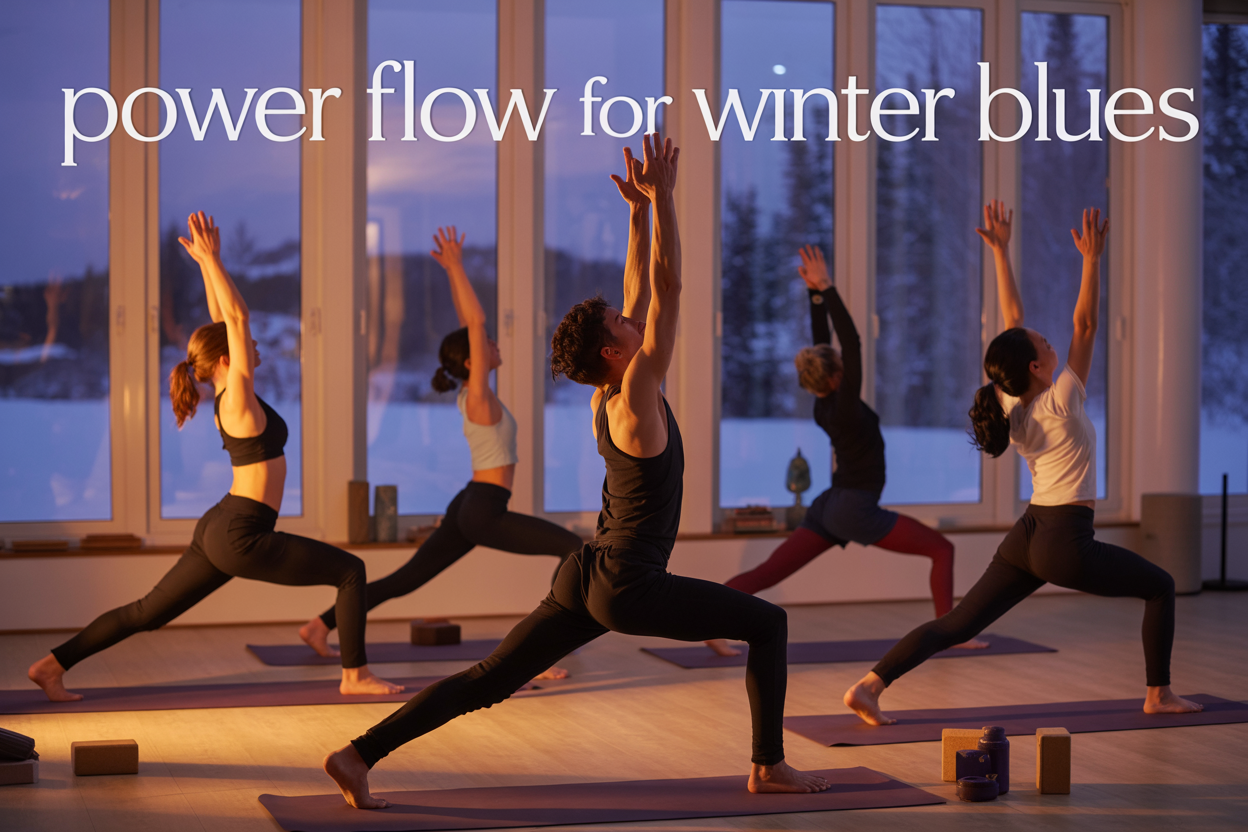
Winter can really knock you down – shorter days drain your energy, cold weather keeps you inside, and that familiar heaviness settles in just when you need your strength most. Power flow for winter blues offers a natural way to fight back through dynamic yoga sequences designed to lift your mood and strengthen your immune system.
This guide is perfect for yoga practitioners who want to beat seasonal depression, busy professionals struggling with winter fatigue, and anyone looking to stay healthy during the colder months without relying solely on supplements or medication.
You’ll discover the science behind how power flow yoga actually rewires your brain for better mental health and explore energizing sequences that get your blood flowing and endorphins pumping. We’ll also cover specific immunity-boosting movements that help your body defend against winter illnesses, plus show you how to build a sustainable daily routine that fits your schedule and keeps you strong all season long.
Understanding Winter’s Impact on Mental and Physical Health

How Seasonal Changes Affect Mood and Energy Levels
Your body operates on an intricate internal clock that responds to environmental cues, and winter throws these natural rhythms into chaos. When daylight hours shrink and temperatures drop, your circadian rhythm struggles to maintain its usual patterns, leaving you feeling sluggish and emotionally drained.
The shorter days trigger a cascade of hormonal changes that directly impact your mood. Your brain produces less serotonin, the neurotransmitter responsible for feelings of happiness and well-being, while simultaneously ramping up melatonin production earlier in the day. This combination creates the perfect storm for what many experience as seasonal affective disorder (SAD) or simply the “winter blues.”
You might notice your energy levels plummet around 3 PM, or find yourself craving carbohydrate-rich comfort foods more than usual. Your motivation to exercise decreases, and social activities feel more like obligations than enjoyable experiences. These aren’t character flaws – they’re biological responses to reduced light exposure and colder temperatures.
Your metabolism also shifts gears during the winter months. Your body naturally wants to conserve energy and store fat reserves, which can leave you feeling heavy and lethargic. Sleep patterns become disrupted as your brain struggles to differentiate between day and night with limited sunlight cues.
The Connection Between Reduced Sunlight and Immunity
Sunlight exposure directly influences your immune system’s ability to function optimally. When you spend less time outdoors during winter months, your vitamin D levels drop significantly, creating a domino effect throughout your body’s defense mechanisms.
Vitamin D acts as a powerful immune modulator, helping your white blood cells recognize and destroy harmful pathogens. Without adequate levels, your immune system becomes sluggish and less responsive to threats. This explains why cold and flu seasons coincide perfectly with the darkest months of the year.
Your lymphatic system, which serves as your body’s drainage network for toxins and waste, also becomes less efficient during winter. Reduced physical activity and limited sunlight exposure slow lymphatic circulation, allowing harmful substances to accumulate in your tissues. This buildup can leave you feeling puffy, congested, and more susceptible to illness.
The relationship between light exposure and immune function extends beyond vitamin D production. Sunlight helps regulate cortisol levels, your primary stress hormone. When cortisol remains elevated due to disrupted circadian rhythms, it suppresses immune cell activity and increases inflammation throughout your body.
Your gut microbiome, which houses approximately 70% of your immune system, also responds to seasonal changes. Reduced sunlight and altered eating patterns during winter can disrupt the delicate balance of beneficial bacteria in your digestive tract, further compromising your body’s ability to fight off infections.
Why Movement Becomes Crucial During Colder Months
Physical activity transforms from a lifestyle choice to a survival strategy during the winter months. Your body’s natural tendency to conserve energy and remain sedentary works against your mental and physical well-being, making intentional movement absolutely essential.
Regular exercise stimulates the production of endorphins, your body’s natural mood elevators, which become even more critical when sunlight isn’t available to naturally boost serotonin levels. Dynamic movement also increases circulation, helping deliver oxygen and nutrients to your brain while removing metabolic waste products that contribute to mental fog and fatigue.
Your lymphatic system depends entirely on muscle contractions to circulate lymphatic fluid throughout your body. Unlike your cardiovascular system, which has the heart as a pump, your lymphatic system relies on movement to function properly. When you remain sedentary during the winter months, toxins accumulate in your tissues, leading to decreased immunity and increased inflammation.
Movement also generates internal heat through muscle activation, helping counteract the energy drain caused by your body’s constant effort to maintain core temperature in cold weather. This internal heat production can reduce your reliance on external heating sources and help you feel more energized throughout the day.
Dynamic yoga sequences specifically address winter’s challenges by combining cardiovascular benefits with stress reduction and flexibility maintenance. The flowing movements help maintain joint mobility that often becomes restricted during colder months when you naturally curl inward and move less frequently.
The Science Behind Power Flow Yoga for Wellness

How dynamic sequences stimulate endorphin production
When you flow through dynamic yoga sequences, your body kicks into high gear, releasing a cascade of feel-good chemicals that naturally combat winter blues. Your brain responds to sustained movement by flooding your system with endorphins—those powerful mood-boosters that create what many call the “runner’s high.” Power flow yoga delivers this same euphoric effect through continuous, flowing movements that challenge your cardiovascular system.
Your endorphin release depends on maintaining an elevated heart rate for extended periods. Unlike gentle yoga styles, power flow sequences keep you moving without pause, linking breath to movement in ways that push your body into that sweet spot where endorphin production peaks. You’ll notice this happening around 15-20 minutes into your practice when that initial resistance melts away, and you hit your groove.
The beauty of this process lies in its accessibility—you don’t need to run miles in freezing weather to access these natural antidepressants. Your yoga mat becomes your pharmacy, and each vinyasa flow acts as a prescription for better mood regulation. Research shows that people who engage in regular dynamic movement experience 20-30% higher baseline endorphin levels, creating a buffer against seasonal mood dips.
The role of breathwork in regulating stress hormones
Your breath controls more than just oxygen flow—it’s your direct line to your nervous system’s control center. When you synchronize deep, rhythmic breathing with power flow movements, you’re essentially hacking your body’s stress response system. Each coordinated inhale and exhale signals your parasympathetic nervous system to dial down cortisol production while ramping up the production of calming neurotransmitters.
During winter months, your cortisol levels naturally spike due to reduced sunlight and increased seasonal stress. Power flow breathing patterns, particularly ujjayi pranayama, create internal vibrations that stimulate your vagus nerve—the superhighway between your brain and body. This stimulation triggers your relaxation response, even while you’re engaged in vigorous movement.
Your breath rate directly influences your heart rate variability, a key marker of stress resilience. By maintaining steady, deep breaths throughout challenging sequences, you’re training your body to stay calm under pressure. This skill transfers beyond your mat, helping you handle winter stressors with greater ease.
The science is clear: controlled breathing during dynamic movement creates a unique state that simultaneously energizes and relaxes your system. You’re essentially teaching your body that it can be strong and peaceful at the same time.
Building internal heat to combat seasonal fatigue
Your body’s internal furnace needs fuel to combat winter’s energy drain, and power flow yoga provides exactly that. When you move through dynamic sequences, your muscles generate heat through rapid contraction and release, increasing your core temperature by 2-3 degrees. This internal warming effect lasts hours after your practice ends, keeping your metabolism elevated and your energy steady.
Winter fatigue often stems from your body’s natural tendency to conserve energy when daylight hours shrink. Power flow counteracts this by activating your sympathetic nervous system in controlled bursts, followed by recovery periods that strengthen your overall energy reserves. You’re essentially training your body to access energy on demand rather than hoarding it.
The heat you generate during practice improves circulation to your extremities, combating the sluggish feeling that cold weather brings. Better blood flow means better oxygen delivery to your brain and organs, directly addressing the mental fog that accompanies seasonal energy dips.
Your internal heat production also supports healthy sleep patterns by creating a natural temperature drop after practice, signaling to your body that it’s time to rest and recover.
Strengthening the immune system through mindful movement
Your immune system thrives on the right amount of stress—and power flow yoga delivers exactly that. When you challenge your body with dynamic sequences, you create what scientists call “hormetic stress,” a beneficial form of pressure that strengthens your immune response without overwhelming it. Each flowing sequence acts like a training session for your white blood cells, keeping them alert and ready to defend against winter bugs.
Movement quality matters more than intensity when it comes to immune benefits. Your mindful attention to alignment and breath during power flow sequences reduces the production of inflammatory markers while increasing the circulation of immune-boosting cells. This creates an internal environment where your body can efficiently identify and eliminate threats.
The lymphatic system—your body’s cleaning crew—relies entirely on movement to function properly. Unlike your circulatory system, lymph doesn’t have a heart to pump it around your body. Your muscle contractions during dynamic yoga sequences provide the pumping action needed to move lymph fluid, clearing cellular waste and distributing immune cells throughout your system.
Regular power flow practice also optimizes your sleep quality, which is when your immune system does its most important repair work. You’re creating a positive feedback loop where better movement leads to better sleep, which leads to stronger immunity, which supports more energetic movement.
Essential Warm-Up Sequences for Winter Practice

Joint Mobility Exercises to Prevent Injury in Cold Weather
Cold muscles and stiff joints need special attention before you dive into dynamic movements. Your body naturally tightens up when temperatures drop, making you more vulnerable to strains and pulls during your practice.
Start with gentle neck circles, rolling your head slowly in both directions to release tension that accumulates from hunched shoulders and winter stress. Move down to your shoulders with arm circles – both forward and backward – gradually increasing the range of motion as your muscles warm up.
Your spine craves movement after long winter days spent curled up indoors. Cat-cow stretches work perfectly here, moving slowly between arching and rounding your back while focusing on each vertebra. Follow this with gentle spinal twists, sitting cross-legged and rotating your torso left and right with your hands supporting the movement.
Don’t forget your hips – they hold onto cold and tension like nobody’s business. Hip circles in tabletop position help lubricate these major joints, while gentle leg swings (holding onto a wall for balance) prepare your hip flexors for the dynamic sequences ahead.
Your wrists and ankles need love, too. Make circles with your hands and feet, flex and point your toes, and roll through your wrists in both directions. These smaller joints often get overlooked but play crucial roles in preventing injury during more intense movements.
Sun Salutations to Generate Internal Heat
Sun salutations are your secret weapon for building internal fire when winter leaves you feeling sluggish and cold. These flowing sequences act like an internal furnace, raising your core temperature while preparing every major muscle group for your practice.
Begin with traditional Surya Namaskara A, but slow down your typical pace to really focus on generating heat through sustained muscle engagement. As you flow from mountain pose into forward fold, feel your hamstrings lengthen while your core stays active. The jump or step back to low push-up position fires up your entire body – your arms, shoulders, and core work together to create that warming sensation.
Upward-facing dog opens your heart and energizes your spirit while strengthening your back body. Downward dog gives you a moment to breathe deeply and feel the heat you’ve created spreading throughout your system. After completing three to five rounds of Surya A, move into Surya Namaskara B for added intensity.
The warrior I pose in Surya B adds lower body engagement that really cranks up your internal thermostat. Hold each warrior slightly longer than usual, allowing your legs to work harder and generate more heat. Your breath becomes your bellows – deep, steady inhales and exhales that fan the flames of your growing internal warmth.
Pay attention to how your body responds. You’ll notice your skin warming, maybe even a light sweat forming. This is exactly what you want before moving into more challenging sequences.
Breath-Synchronized Movements for Mental Clarity
Your breath becomes your anchor and your guide as you prepare both body and mind for your winter practice. When seasonal depression clouds your thinking and motivation feels low, connecting movement with conscious breathing creates immediate mental shifts that set the tone for your entire session.
Start with simple arm raises coordinated with your breath. Inhale as you sweep your arms overhead; exhale as you lower them. This basic pattern helps you drop out of your busy mind and into your body’s wisdom. Feel how the inhale naturally creates expansion and lift, while the exhale invites release and grounding.
Move into breath-synced side bends, reaching your right arm overhead as you inhale and side-bending to the left on your exhale. Switch sides, maintaining this steady rhythm that calms your nervous system while gently warming your side body. Your mind starts to quiet as you give it this single point of focus.
Incorporate gentle flow patterns, such as standing figure-four stretches, and hold each pose for 5 deep breaths before switching sides. The sustained breathing in each position helps shift your mental state from scattered winter brain fog to focused presence.
Try breath-counted movements too – inhaling for four counts as you raise your arms, exhaling for four counts as you lower them. This structured breathing pattern activates your parasympathetic nervous system, reducing stress hormones that spike during darker months while creating the mental clarity you need for a powerful practice ahead.
Energizing Power Flow Sequences for Mood Enhancement

Heart-opening poses to combat seasonal depression
Your chest naturally contracts during winter months as you hunch against the cold and curl inward for warmth. This physical posture mirrors the emotional withdrawal that comes with seasonal depression. Heart-opening poses work as powerful antidotes by expanding your chest, lifting your mood, and creating space for deeper breathing.
Start with Camel Pose by kneeling with your shins parallel to each other and slowly reaching back to grasp your heels. This intense backbend floods your system with energy while opening your heart center. If you’re new to this pose, place blocks on your calves for support or keep your hands on your lower back.
Bridge Pose offers a gentler heart opener that you can practice daily. Lie on your back with knees bent, press your feet down, and lift your hips skyward. Your chest naturally expands as your spine receives a rejuvenating extension. Hold for five to eight breaths, feeling warmth spread through your torso.
Fish Pose creates an amazing counter-stretch after forward folds. Place a block or bolster under your shoulder blades, let your arms fall wide, and breathe deeply. Your heart literally opens toward the sky, encouraging feelings of optimism and receptivity.
These poses stimulate your nervous system in ways that directly counteract depressive symptoms. Your body releases endorphins, while improved circulation brings fresh oxygen to your brain.
Standing sequences for building confidence and strength
Standing poses ground you to the earth while building the inner strength needed to face winter’s challenges. These sequences develop both physical power and mental resilience, creating a foundation of confidence that carries into your daily life.
Begin with Warrior I by stepping your left foot back four feet, turning it out 45 degrees, and bending your front knee over your ankle. Reach your arms overhead and hold for one minute. This pose builds leg strength while opening your hip flexors and expanding your chest. The warrior stance literally embodies courage and determination.
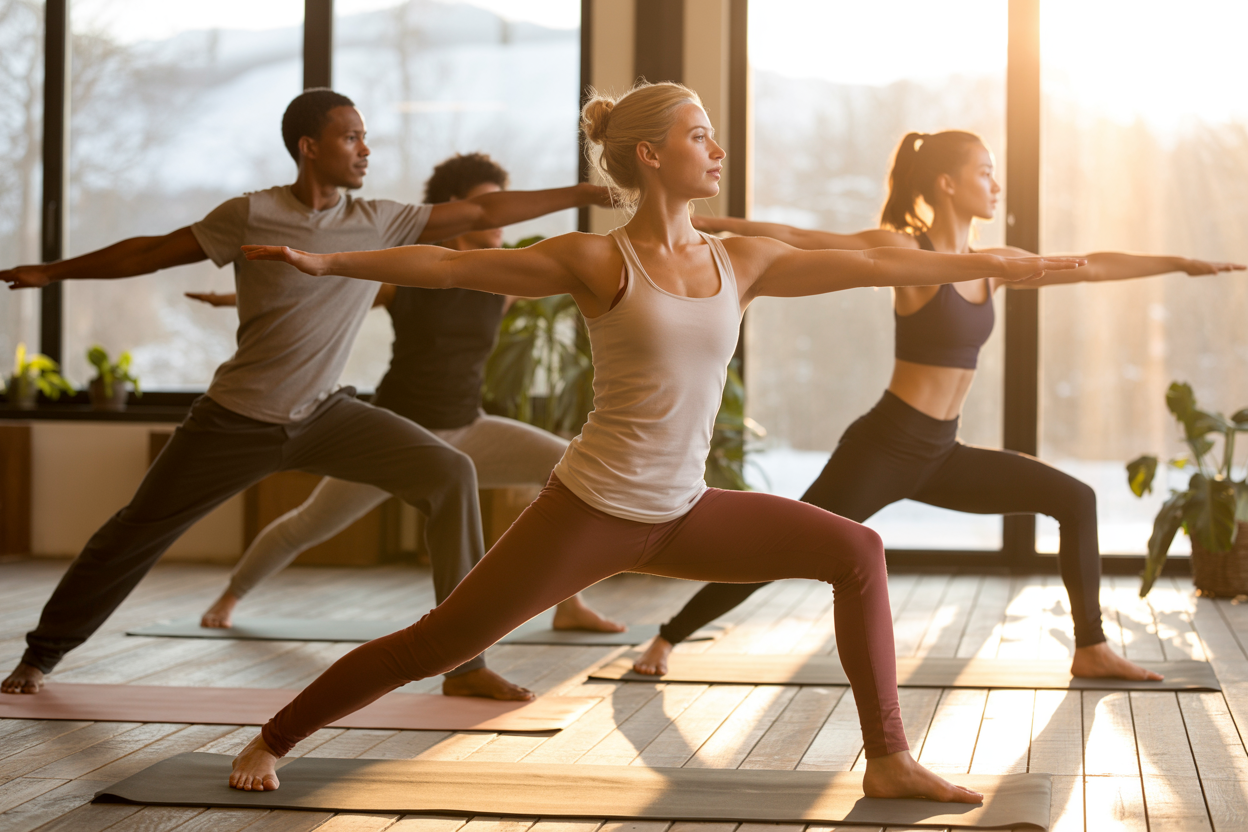
Flow into Warrior II by opening your arms parallel to the floor and gazing over your front hand. Your legs work intensely while your torso remains calm and centered. This combination teaches you to stay composed under pressure while maintaining inner strength.
TrianglePose adds a lateral stretch that releases tension along your entire side body. From Warrior II, straighten your front leg and reach forward, placing your hand on your shin or a block. Your top arm reaches toward the ceiling, creating a powerful line of energy from your back leg through your fingertips.
Create a flowing sequence by moving between these poses with your breath. Step back to Mountain Pose between sides, taking three deep breaths to center yourself. This rhythmic practice builds heat in your body while cultivating unwavering focus and self-assurance.
Hip-opening flows to release stored tension
Your hips store emotional tension and trauma, making hip-opening sequences essential for releasing winter’s accumulated stress. These flows target deep hip muscles that tighten from cold weather, sedentary habits, and emotional holding patterns.
Start in Low Lunge with your right foot forward and left knee down. Place your hands on blocks if needed and breathe into the stretch along your left hip flexor. Rock gently forward and back, letting your breath soften any resistance. Your hip flexors often hold anxiety and fear, so expect emotional releases during this practice.
Transition to Lizard Pose by placing both hands inside your right foot and lowering to your forearms. This intense hip opener targets your groin and outer hip muscles. If the sensation feels too strong, keep your hands on the ground or place a bolster under your forearms. Breathe deeply and imagine releasing everything you no longer need.
Pigeon Pose provides the deepest hip opening in this sequence. From Lizard, slide your right shin forward and extend your left leg back. Fold forward over your front leg, using props as needed for comfort. Your piriformis muscle, which often contributes to lower back pain and sciatica, receives a profound stretch here.
Move slowly between these poses, spending 2 to 3 minutes in each. Your nervous system needs time to release deeply held tension, so avoid rushing through the sequence.
Backbends to boost natural energy levels
Backbends act like natural caffeine for your system, stimulating your adrenal glands and boosting energy without artificial stimulants. These poses counteract the forward-hunched posture common in winter while awakening your entire nervous system.
Cobra Pose offers an accessible starting point for your backbending practice. Lie face down with your palms under your shoulders, then press down to lift your chest. Keep your legs strongly engaged and your shoulders away from your ears. Start with small lifts and gradually increase the extension as your spine warms up.
Progress to Upward Facing Dog by straightening your arms and lifting your thighs off the floor. Your entire front body opens while your back muscles work powerfully. This pose requires significant arm strength, so build up gradually to avoid strain in your lower back.
Wheel Pose represents the pinnacle of backbending energy. Place your hands behind your head with fingers pointing toward your shoulders, then press up to full extension. Your entire spine receives an invigorating stretch while your heart opens completely to the sky. If the full Wheel feels inaccessible, practice Bridge Pose with the same energetic intention.
These backbends stimulate your sympathetic nervous system, naturally increasing alertness and vitality. Practice them earlier in the day to avoid interfering with sleep, and always follow with gentle forward folds to balance your spine.
Balance poses to improve focus and mental stability
Winter weather can leave you feeling scattered and unfocused. Balance poses require complete present-moment awareness, training your mind to stay centered despite external distractions or internal turbulence.
Tree Pose teaches you to find stillness within movement. Stand on your left foot and place your right foot on your inner thigh or calf (never on the side of your knee). Press your foot into your leg and your leg back into your foot, creating active stability. Your arms can rest at your heart center or reach overhead like branches.
Focus on a fixed point in front of you while breathing steadily. When your mind wanders, you’ll immediately lose balance, making this pose an excellent meditation-in-motion. Don’t worry about perfection—the wobbling and occasional loss of balance are part of the learning process.
Warrior III challenges your balance while building full-body strength. From Mountain Pose, shift your weight to your right foot and slowly lift your left leg behind you. Reach your arms forward as your torso and lifted leg form a straight line parallel to the floor. Your standing leg works intensely while your core engages to maintain alignment.
Eagle Pose combines balance with a deep stretch for your shoulders and outer hips. Wrap your right thigh over your left and your left elbow over your right, then bend your knees and sit back slightly. This pose requires intense concentration while releasing tension in areas that commonly tighten during the winter months.
Practice these balance poses for 30 seconds to one minute on each side, returning to Mountain Pose between attempts to reset your nervous system.
Immunity-Boosting Dynamic Movements
Twisting Sequences to Support Digestive Health
Your digestive system works overtime during winter months, processing heavier comfort foods while dealing with reduced activity levels. Twisting poses become your secret weapon for maintaining optimal gut health when the cold weather hits. Start with seated spinal twist variations, holding each side for 5-8 breaths while focusing on lengthening your spine before rotating. The gentle compression and release action massages your internal organs, stimulating digestion and helping eliminate toxins that can build up during sedentary winter days.
Move into the standing twisted triangle pose, where you’ll place your right hand on the floor inside your left foot while reaching your left arm skyward. This dynamic twist not only fires up your digestive organs but also builds heat throughout your entire body. Follow with twisted lunge sequences, stepping back into a low lunge, and threading your opposite arm under the supporting arm for a deep spinal rotation. These movements create space between your vertebrae while encouraging healthy blood flow to your digestive tract.
Inversion Flows to Stimulate Lymphatic Drainage
Winter’s sedentary lifestyle can leave your lymphatic system sluggish, making you more susceptible to illness. Your lymphatic system doesn’t have a pump like your cardiovascular system, so it relies on movement and gravity to function properly. Inversions become your best friend for boosting circulation and supporting immune function during the darker months.
Begin with legs-up-the-wall pose: lie on your back with your legs extended up the wall for 10-15 minutes. This gentle inversion allows lymphatic fluid to drain from your lower extremities back toward your heart. Progress to supported shoulder stand using a bolster or folded blankets under your shoulders, keeping your neck neutral and breathing deeply. The increased blood flow to your thyroid gland helps regulate metabolism and energy levels.
For more dynamic options, practice downward-facing dog to forward fold flows to create a pumping action that encourages lymphatic movement. Add forearm stand preparation against a wall to build strength while gaining the benefits of inversion. These poses help flush out metabolic waste and deliver fresh nutrients to your cells, supporting your immune system in fighting off winter bugs.
Core-Strengthening Poses for Overall Vitality
Your core is your body’s powerhouse, and maintaining its strength during winter directly affects your energy levels and overall health. A strong core supports better posture when you’re hunched over from cold weather, improves breathing capacity, and creates the foundation for all other movements in your practice.
Start with boat pose variations, holding traditional boat pose for 30 seconds before transitioning to half boat and back up. This challenges your deep abdominal muscles while building endurance. Move into plank pose flows, holding high plank for 60 seconds before lowering to chaturanga and pressing back up. Add movement with plank-to-downward dog transitions, creating heat while building functional strength.
Integrate side plank variations to target your obliques and improve lateral stability. Try lifting and lowering your top leg in side plank, or thread your top arm under your body to engage your core further. Hollow body holds challenge your entire core system – lie on your back, press your lower back into the floor, and lift your shoulders and legs off the ground. These isometric holds build the deep stability your body craves during the winter months.
Restorative Movements for Nervous System Support
Your nervous system bears the brunt of winter stress, from shorter daylight hours to holiday pressures and seasonal mood changes. Incorporating restorative movements into your power flow practice helps activate your parasympathetic nervous system, promoting healing and reducing stress hormones that can suppress immune function.
Child’s pose with side stretch opens your hips and gently stretches your side body while calming your mind. Hold for 2-3 minutes on each side, focusing on deep belly breathing. A supine spinal twist with bent knees allows your spine to decompress, while the gentle rotation releases tension in your back muscles. Place a bolster between your legs for added support and comfort.
Cat-cow stretches warm your spine while creating a meditative rhythm that soothes your nervous system. Move slowly and deliberately, syncing each movement with your breath. Finish with supported fish pose, using a bolster or rolled blanket under your shoulder blades to open your chest and encourage deeper breathing. These restorative elements balance the more vigorous aspects of your power flow practice, ensuring your body has time to integrate the benefits and recover fully.
Creating Your Personal Winter Wellness Routine
Adapting Sequences for Different Energy Levels
Your energy naturally fluctuates throughout winter, and your yoga practice should flex with these changes. When you’re feeling sluggish on gray mornings, start with gentle cat-cow stretches and simple sun salutations before moving into more dynamic flows. Save the intense arm balances and challenging inversions for days when your body feels ready to tackle them.
Create three versions of your favorite sequences: a low-energy option with longer holds and slower transitions, a moderate version with steady flow, and a high-energy variation packed with jump-backs and challenging poses. Listen to your body each day and choose accordingly. You might surprise yourself – sometimes a gentle practice on a low-energy day can actually boost your mood more than pushing through an intense sequence.
Pay attention to your breath as your guide. If you’re breathing heavily during warm-up poses, scale back. If you feel like you could chat with a friend while flowing, you probably have room to add more challenging elements.
Timing Your Practice for Maximum Benefit
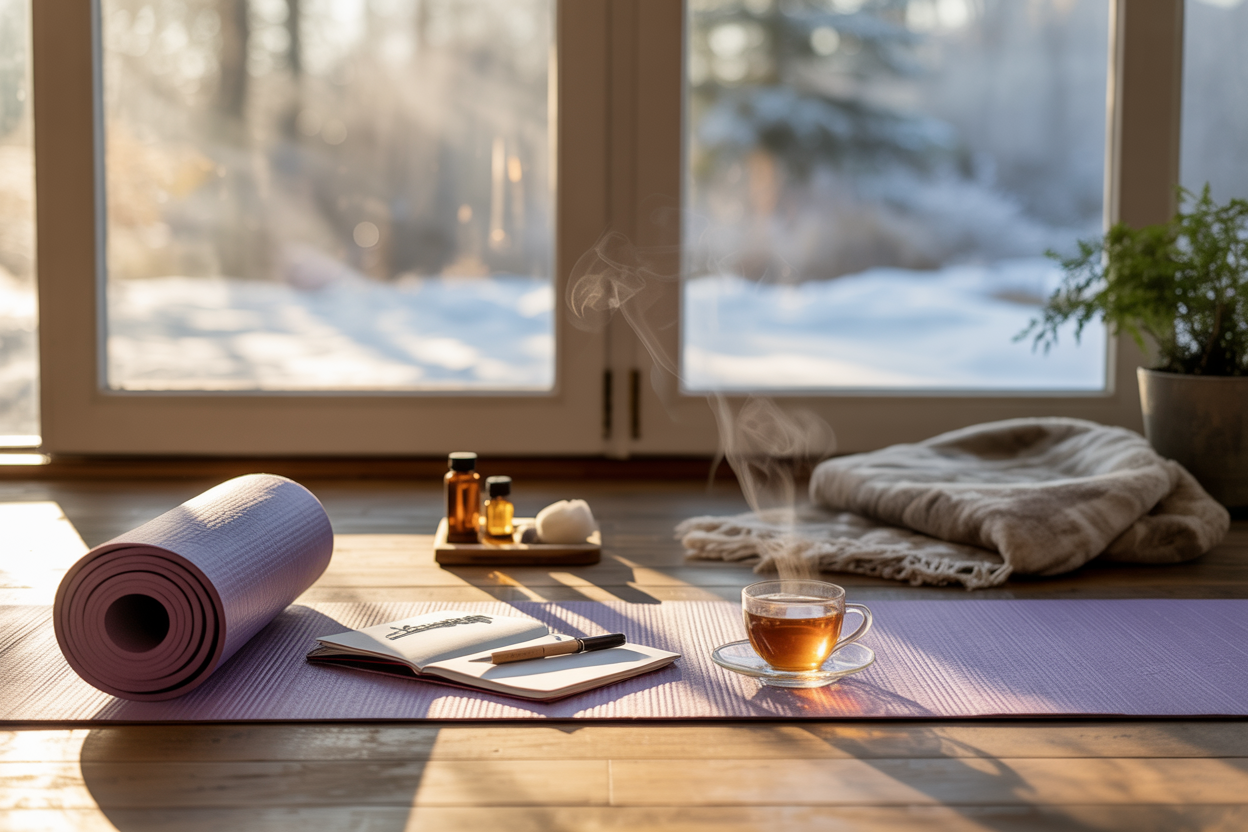
Winter’s shorter days make timing your practice extra important. Morning sessions, even just 15-20 minutes, help combat seasonal sluggishness by kickstarting your circulation and releasing mood-boosting endorphins. Try practicing near a window to catch as much natural light as you can.
Evening practices work differently – focus on slower, more restorative flows that help you unwind without overstimulating your nervous system. Avoid intense backbends or vigorous sequences within two hours of bedtime, as they can interfere with sleep quality.
Consider your daily schedule and energy patterns. If you’re naturally a night owl, don’t force yourself into 6 AM practices that leave you feeling defeated. Consistency matters more than timing perfection. Some people find lunch break mini-sessions incredibly effective for breaking up long, dark workdays.
Track your mood and energy levels after different practice times for a week or two. You’ll quickly discover your sweet spots and can adjust accordingly.
Combining Yoga with Other Mood-Boosting Activities
Your yoga practice becomes even more powerful when combined with other winter wellness activities. Try practicing outdoors on milder days – even a few sun salutations on your deck or in your yard can provide vitamin D and fresh air that indoor practice can’t match.
Pair your practice with aromatherapy by diffusing uplifting scents like citrus, peppermint, or eucalyptus. The combination of movement and scent can create stronger positive associations and enhance your mood boost.
Consider adding a short meditation or breathing exercise after your physical practice. Five minutes of alternate nostril breathing or a brief gratitude meditation can extend the benefits of your flow sequence.
Music creates another layer of mood enhancement. Create playlists that match your intended energy level – upbeat tracks for energizing morning flows and calmer instrumental pieces for evening sessions.
Connect your practice to social activities when possible. Virtual yoga sessions with friends or family members can combat winter isolation while maintaining your routine. Even practicing at the same time as a distant friend creates a sense of connection and accountability.
Step into Zen Essentials, where thoughtfully chosen yoga accessories help you move with ease, breathe with intention, and practice with presence.

Your journey through winter doesn’t have to leave you feeling drained or vulnerable to seasonal challenges. The power flow sequences you’ve learned combine the ancient wisdom of yoga with the modern understanding of how movement affects your mood and immune system. When you practice these dynamic sequences regularly, you’re not just stretching your body – you’re actively rewiring your nervous system to handle stress better and boosting your natural defenses against winter bugs.
Start small with just 15-20 minutes of power flow practice three times a week, and pay attention to how your energy shifts. Your body craves movement during the darker months, and these sequences give you exactly what you need to stay vibrant and resilient. Roll out your mat, turn up some energizing music, and let these flowing movements carry you through winter with strength and joy.
✨ Join The Zen Journal community — get fresh yoga and wellness insights straight to your inbox ✨