
Correct Posture for Meditation: The Complete Guide to Perfect Sitting Technique
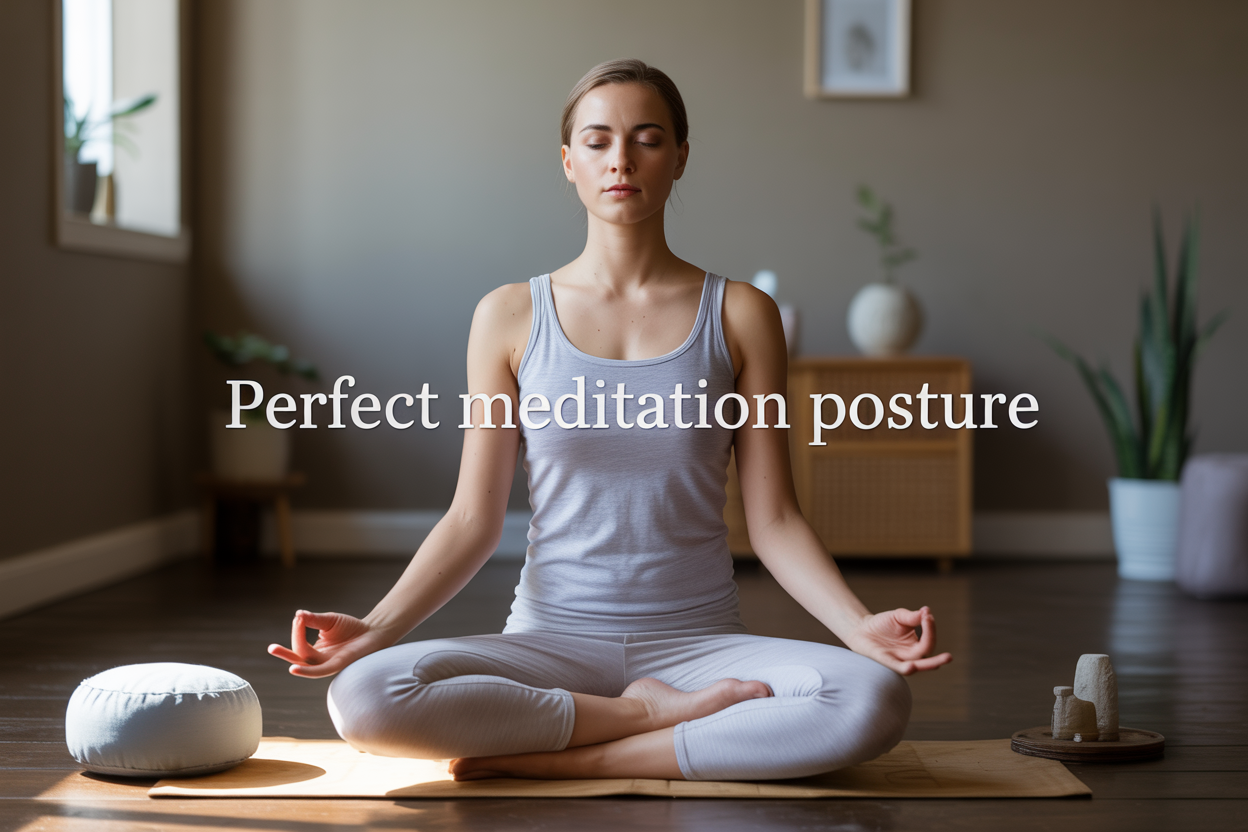
Poor posture during meditation can turn your peaceful practice into a battle against back pain, drowsiness, and constant fidgeting. Your meditation posture directly affects your ability to stay alert, breathe deeply, and maintain focus throughout your session.
This complete guide is for anyone who wants to establish a strong foundation for their meditation practice – from complete beginners sitting for their first session to experienced practitioners looking to refine their technique. You’ll learn how proper alignment can transform scattered, uncomfortable sits into steady, focused practice sessions.
We’ll walk you through the essential elements of a perfect sitting posture, including how to position your spine, shoulders, and hands for optimal comfort and alertness. You’ll also discover how to choose the right meditation seat for your body and space, whether that’s a cushion, chair, or bench. Plus, we’ll cover practical adaptations for different body types and physical limitations, so you can find a sustainable posture that works specifically for you.
Understanding the Foundation of Proper Meditation Posture
Why Correct Posture Transforms Your Meditation Practice
Your sitting position acts as the foundation for everything that happens during meditation. When you nail the right posture, you create a stable platform that supports deeper states of awareness and concentration. Think of your body as the vehicle for your meditation journey – if it’s uncomfortable or unstable, you’ll spend most of your time dealing with distractions instead of diving into the practice itself.
Proper posture naturally encourages alertness while maintaining relaxation. Your body sends signals to your mind about whether to be awake or sleepy, tense or peaceful. When you sit with intention and alignment, you’re telling your nervous system that you’re ready for focused attention without strain.
The Connection Between Spine Alignment and Mental Clarity
Your spine houses your central nervous system, making its alignment crucial for optimal brain function. When you maintain a straight, naturally curved spine during meditation, you create an unobstructed pathway for nerve signals between your brain and body. This clear communication channel directly impacts your ability to focus and maintain awareness.
Poor spinal alignment compresses nerves and restricts blood flow, which can cloud your thinking and make concentration feel like an uphill battle. You might notice that when you slouch or hunch forward, your mind becomes foggy or scattered. This isn’t a coincidence – your physical posture directly influences your mental state.
A well-aligned spine also promotes deeper breathing. When your vertebrae stack properly, your ribcage expands more freely, allowing your diaphragm to move without restriction. This enhanced breathing capacity naturally calms your nervous system and creates the ideal conditions for meditation.
Common Posture Mistakes That Sabotage Your Sessions
Many meditators unknowingly undermine their practice through seemingly minor postural errors. Slouching ranks as the most frequent mistake – you start sitting tall but gradually sink into a C-shaped curve as the session progresses. This gradual collapse leads to back pain, shallow breathing, and mental dullness.
Tilting your head forward to look down creates another major problem. This position strains your neck muscles and compresses the vertebrae at the base of your skull, often triggering tension headaches that persist long after meditation ends.
Over-straightening your back represents the opposite extreme. When you force your spine into an unnaturally rigid position, you create unnecessary tension that spreads throughout your entire body. Your muscles work overtime to maintain this artificial posture, leaving you exhausted rather than refreshed.
Uneven weight distribution also sabotages your stability. Leaning to one side or shifting your weight onto one hip creates an unstable foundation that requires constant micro-adjustments, pulling your attention away from your meditation object.
How Poor Posture Creates Physical and Mental Distractions
Physical discomfort from poor posture becomes a major obstacle to meditation. When your back aches, your neck feels stiff, or your legs fall asleep, these sensations dominate your awareness. Instead of observing your breath or maintaining mindful attention, you find yourself constantly shifting, adjusting, and fighting with your body.
Poor posture also affects your energy levels during meditation. Compressed organs and restricted breathing leave you feeling sluggish or drowsy. You might find yourself nodding off or struggling to stay alert, mistaking this physical lethargy for deep meditation.
Your emotional state suffers, too. Hunched shoulders and a collapsed chest can trigger feelings of depression or anxiety, while an overly rigid posture might increase agitation and restlessness. Your body language influences your internal experience more than you might realize, making proper alignment essential for cultivating positive mental states during practice.
Essential Elements of Perfect Sitting Position
Achieving natural spinal curves for optimal comfort
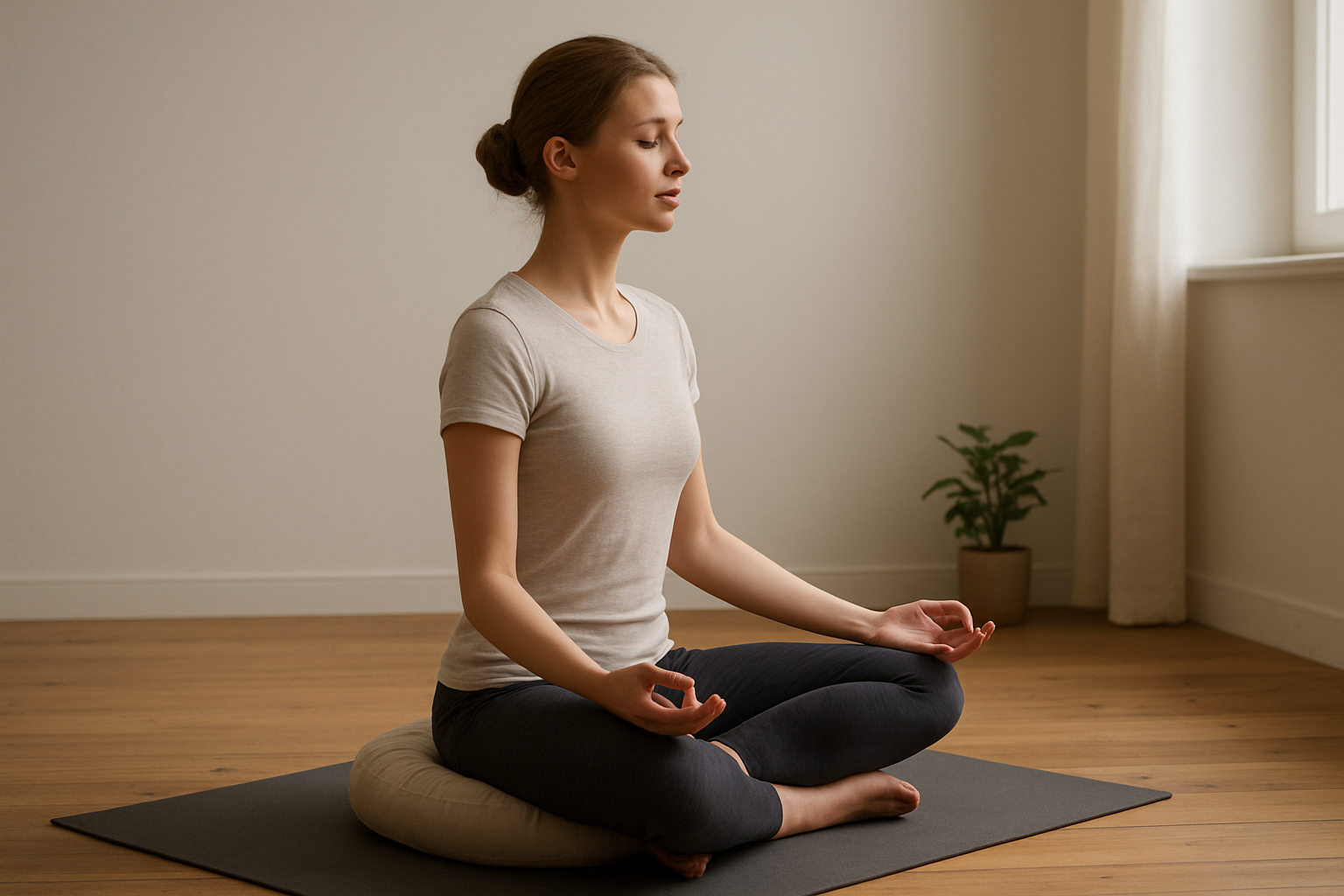
Your spine naturally forms an S-shape, with three gentle curves that help evenly distribute weight. When you sit for meditation, you want to honor these curves rather than forcing your back into an unnaturally straight position. Start by sitting at the front edge of your cushion or chair, allowing your pelvis to tilt slightly forward. This forward tilt creates the foundation for your spine’s natural alignment.
Your lower back should maintain a gentle inward curve, not a flat or exaggerated arch. Think of lengthening your spine from the base up to the crown of your head, as if someone is gently pulling a string attached to the top of your skull. This creates space between your vertebrae without creating tension.
Your middle back will naturally curve slightly outward, and your upper back and neck will curve gently inward again. You don’t need to force these curves – they happen automatically when you establish the proper foundation with your pelvis and maintain that sense of gentle upward lift through your spine.
Proper head and neck positioning to prevent strain
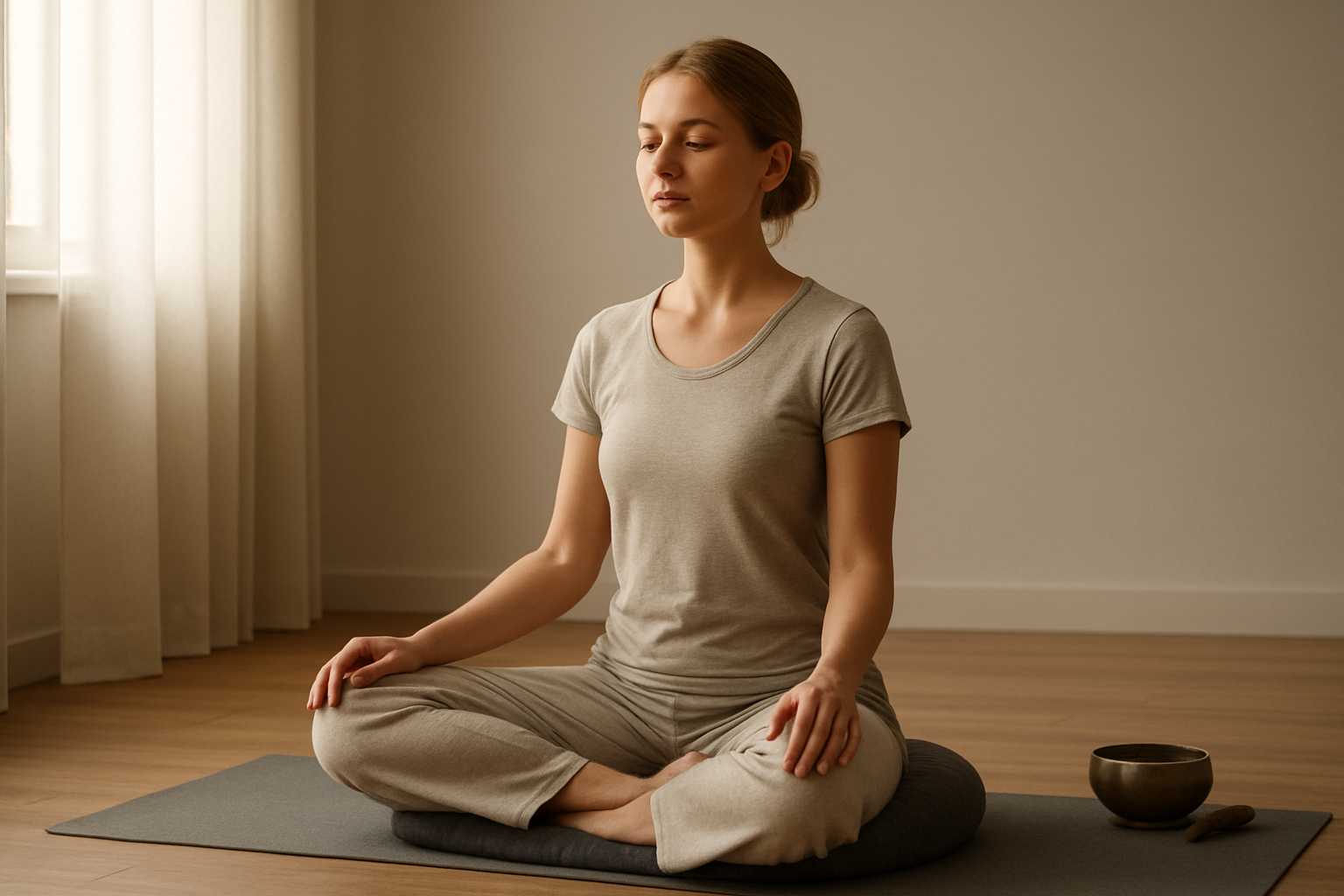
Your head weighs about 10-12 pounds, so positioning it correctly prevents unnecessary strain on your neck and shoulders. Start by finding your neutral head position: imagine balancing a small book on the crown of your head. Your chin should be parallel to the floor, neither tucked down toward your chest nor lifted up toward the ceiling.
Your ears should align directly over your shoulders when viewed from the side. Many people tend to push their heads forward, especially if they spend time at computers. This forward head posture creates significant strain during long meditation sessions.
Keep your neck long and relaxed, with a gentle sense of your head floating upward. Your jaw should be soft and slightly apart – you might even let your tongue rest gently against the roof of your mouth. This helps release tension in your face and neck muscles.
If you notice your head drifting forward or to one side during meditation, gently guide it back to the center without judgment. This awareness and gentle correction become easier with practice.
Shoulder relaxation techniques for tension-free meditation
Your shoulders often hold stress from daily activities, and this tension can quickly build during meditation if not addressed properly. Start by lifting your shoulders up toward your ears, then let them drop naturally. This helps you find their relaxed position.
Your shoulders should sit directly over your ribcage, not rolled forward or pulled back in an exaggerated military posture. Think of your shoulder blades gently melting down your back, creating width across your upper chest without forcing your shoulders into an uncomfortable position.
During meditation, periodically check in with your shoulders. You might notice them creeping up toward your ears as you concentrate. When this happens, take a deep breath and let them settle back down. Some people find it helpful to do a few gentle shoulder rolls before settling into their meditation posture.
Your collarbones should feel wide and open, but this openness comes from releasing tension rather than forcing your shoulders back. This creates space for natural, easy breathing throughout your practice.
Hand and arm placement for maximum stability
Your arms and hands play a crucial role in creating overall stability and balance in your meditation posture. Your upper arms should hang naturally at your sides, with your elbows slightly away from your body – about the width of a small apple between your elbow and your ribs.
You have several options for hand placement, each offering different benefits. The most common is resting your hands on your knees or thighs, with palms facing down for a grounding effect or up for a more receptive feeling. Your hands should be relaxed, with fingers gently curved rather than stiff and straight.
Another popular option is the cosmic mudra: place your left hand in your lap with palm facing up, then place your right hand on top with palm facing up, allowing your thumbs to lightly touch. This creates a gentle circle with your arms and hands that many find supportive and centering.
Your wrists should be straight and comfortable, not bent up or down. If your arms feel tired, you can place a small pillow or cushion under your hands for support. The key is finding a position you can maintain comfortably throughout your meditation without creating tension or numbness.
Choosing Your Ideal Meditation Seat
Floor cushions and zabutons for traditional sitting
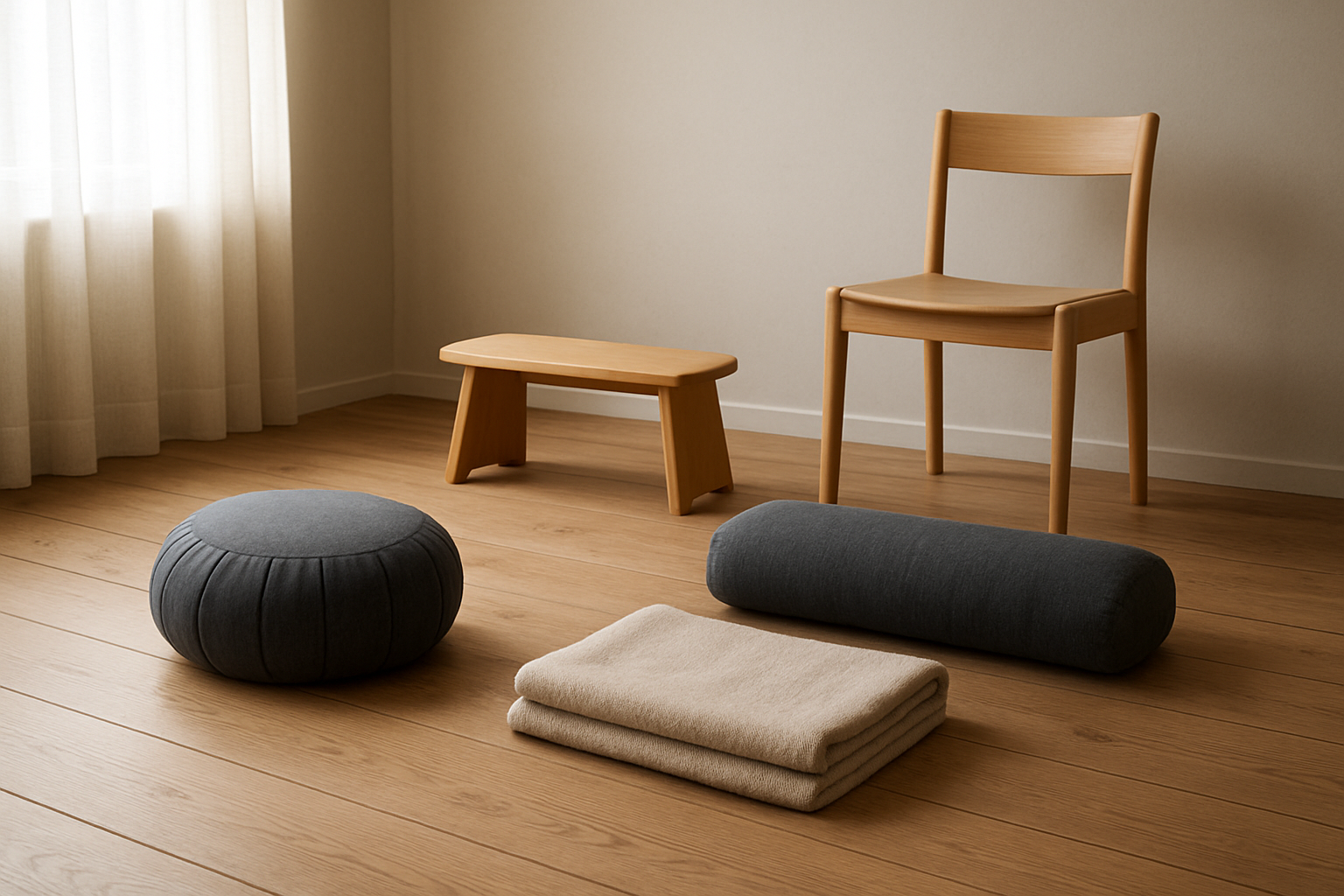
Your meditation seat can make or break your practice, and floor cushions offer the most versatile foundation for deep meditation. When you sit directly on the ground with proper support, you create a stable base that naturally encourages good posture while maintaining a strong connection to the earth.
A zabuton serves as your primary floor mat, typically measuring 30 by 28 inches and filled with cotton or kapok. You’ll place this rectangular cushion directly on your floor to provide padding for your legs and ankles. On top of your zabuton, you’ll position a smaller round or crescent-shaped cushion called a zafu, which elevates your hips above your knees and creates the ideal pelvic tilt for meditation.
Your cushion height matters more than you might think. If you’re flexible, a 5-inch zafu works well, while those with tighter hips benefit from a 7- to 9-inch cushion. You can always stack multiple cushions to find your perfect height. The key is ensuring your knees touch the zabuton while your hips remain elevated, creating a stable tripod base.
When selecting cushions, choose firm filling over soft. Buckwheat hulls provide excellent support and conform to your body shape, while kapok offers a slightly softer feel. Memory foam cushions might seem appealing, but they often compress too much during longer sits, leaving you slumped and uncomfortable.
Meditation benches for knee-friendly alternatives
If cross-legged sitting causes knee pain or leg numbness, a meditation bench transforms your practice by supporting your natural kneeling position. These simple wooden or bamboo structures allow you to kneel comfortably while maintaining perfect spinal alignment without putting weight on your feet or straining your knees.
You’ll sit on the bench seat with your calves tucked underneath, creating a stable base similar to traditional floor sitting but with significantly less flexibility required. Your shins rest flat against your zabuton while the bench supports your full body weight, eliminating pressure on your ankles and feet.
Most benches feature angled seats that tilt your pelvis forward naturally, encouraging proper spine curvature without conscious effort. Standard benches measure 18 to 20 inches long and 6 to 8 inches tall, while adjustable models let you customize the height to your leg length and comfort preferences.
Folding benches offer portability for meditation retreats or travel, while solid benches provide maximum stability. Some models include padded seats for extra comfort, though many practitioners prefer the firmness of unpadded wood. You can also find benches with curved legs that rock slightly, accommodating natural body movement during longer sessions.
Your bench works best when paired with a zabuton underneath to cushion your shins and ankles. This combination creates an incredibly stable and comfortable meditation position that many find easier to maintain than on a floor cushion.
Chair modifications for a comfortable upright posture
Not everyone can sit comfortably on the floor, and that’s perfectly fine. You can create an excellent meditation setup using a regular chair with some simple modifications that support proper posture and keep you alert during practice.
Start with a chair that allows your feet to rest flat on the floor with your thighs parallel to the ground. Your knees should form 90-degree angles, and you’ll want to avoid chairs that are too deep, as they force you to slouch or leave your feet dangling. Dining room chairs often work better than office chairs because they lack armrests that might restrict your arm positioning.
You’ll likely need to modify your chair’s support system. Place a firm cushion or a folded blanket on the seat to prevent sinking, which can cause your pelvis to tilt backward and round your spine. A small pillow or rolled towel placed behind your lower back helps maintain your spine’s natural curve, especially if your chair back is too straight or too far away.
Your sitting position on the chair matters tremendously. Sit toward the front edge rather than leaning against the backrest, which encourages an active posture. This position keeps you alert and prevents drowsiness from excessive external support.
For additional stability, consider placing a cushion under your feet if they don’t reach the floor comfortably, or use a footstool to maintain proper leg positioning. Some practitioners find that sitting on a meditation cushion placed on their chair provides the ideal hip elevation and firmness for extended sessions.
Step into Zen Essentials Wellness Accesories, where thoughtfully chosen yoga/meditation accessories help you move with ease, breathe with intention, and practice with presence.
Step-by-Step Guide to Perfect Meditation Posture
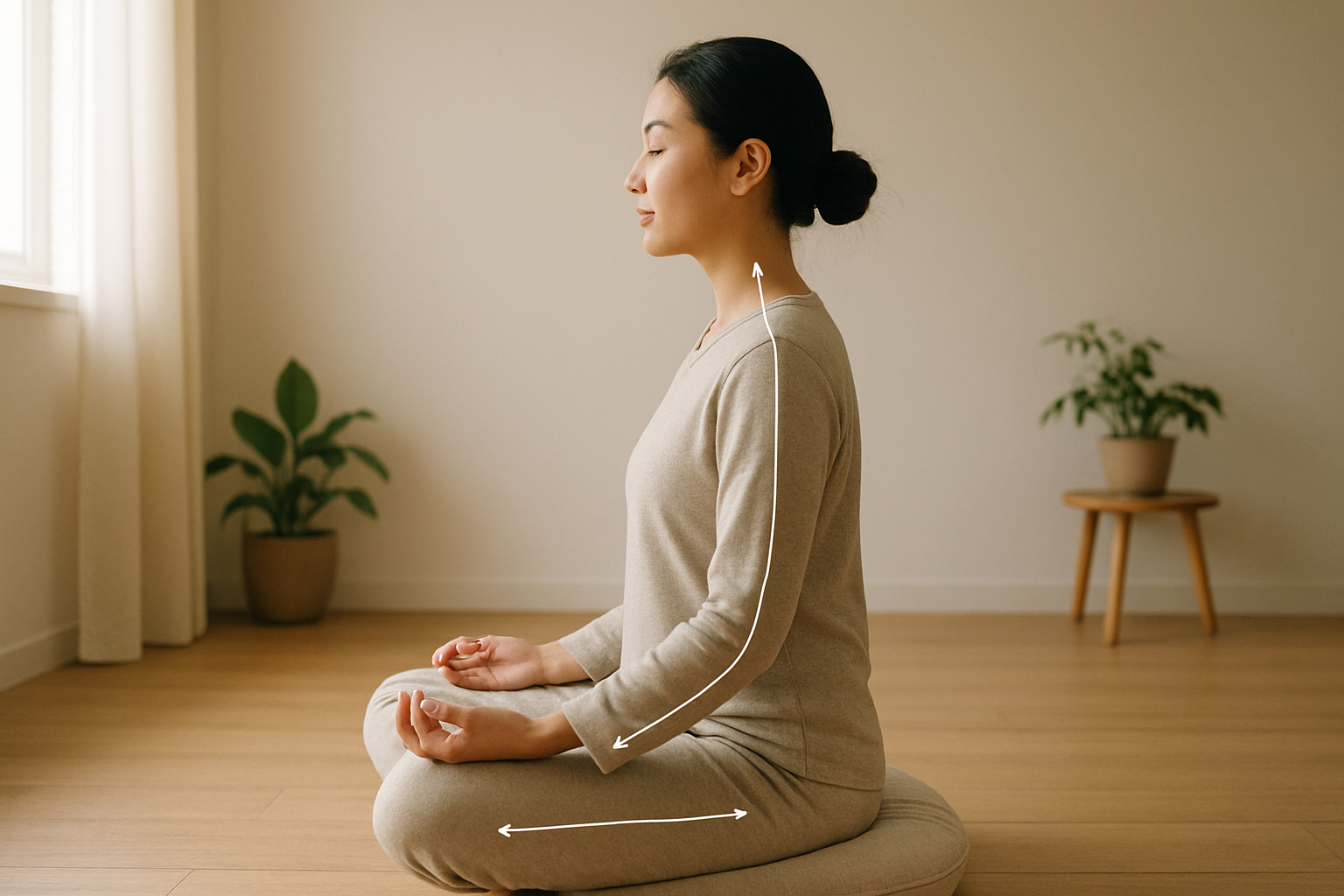
Ground preparation and initial positioning
Before you sit down, scan your meditation space to ensure you have everything you need within arm’s reach. Place your cushion, mat, or chair in a quiet spot where you won’t be disturbed. The surface should be level and stable – wobbling during meditation will constantly pull your attention away from your practice.
Position yourself so you’re facing away from high-traffic areas or distracting visual elements. If you’re using a cushion, place it on a yoga mat or carpet to prevent sliding. For chair meditation, choose a sturdy seat with a flat surface that allows your feet to rest comfortably on the floor.
Your initial approach to sitting sets the tone for your entire session. Instead of plopping down quickly, lower yourself slowly and deliberately. This mindful transition helps signal to your mind and body that you’re entering a meditative state. Place your hands gently on your thighs as you settle in, taking a moment to feel the connection between your body and your chosen seat.
Building your foundation from the hips up
Your pelvis forms the cornerstone of good meditation posture. Sit forward on your cushion or chair, positioning yourself on the front third of the seat. This naturally tilts your pelvis slightly forward, creating a stable base for your spine.
Rock gently from side to side, then forward and back, gradually reducing the movement until you find your center point. This is where your sitting bones feel evenly weighted, and your pelvis feels balanced. Your hip bones should be level – if one side feels higher, adjust your position or add extra support under the lower side.
Once your hips are settled, focus on your spine. Imagine a string attached to the crown of your head, gently pulling you upward. This creates natural length through your spine without forcing rigid straightness. Each vertebra should stack comfortably on the one below it, creating an elegant, elongated curve.
Your ribcage sits directly over your pelvis – avoid letting it thrust forward or collapse backward. Relax your shoulders away from your ears, letting them settle naturally. Your shoulder blades should feel broad and supported, creating width across your upper back while maintaining the upward lift through your spine.
Fine-tuning alignment for long-term comfort
Your head position significantly impacts your overall comfort during extended sitting. Balance your skull directly over your spine by gently tucking your chin, creating length through the back of your neck. Your ears should align over your shoulders, and your gaze naturally falls at a 45-degree angle toward the floor.
Pay attention to your arms and hands. Rest your hands comfortably on your thighs, knees, or in your chosen mudra position. Your arms should hang naturally from your shoulders without tension or forcing. If your shoulders creep up during meditation, consciously release them downward while maintaining your spine’s upward energy.
Your breathing pattern significantly affects your posture. Take several deep breaths to open your chest and ribcage, then allow your breathing to settle into its natural rhythm. Your abdomen should be soft and free to expand with each inhale, while your chest remains open and spacious.
Check that your jaw isn’t clenched and your tongue rests lightly on the floor of your mouth. These small details prevent tension from building up and pulling you out of your meditative state.
Quick posture checks during extended sessions
Develop a system for adjusting your posture without disrupting your meditation flow. Every 10-15 minutes, do a quick mental body scan starting from your sitting bones and moving upward. Notice any areas where tension has crept in or where your alignment has shifted.
When you detect slouching or tilting, make micro-adjustments rather than large corrections. Gently re-establish your foundation by pressing down through your sitting bones, then allow your spine to lengthen upward naturally. These small recalibrations become automatic with practice.
If discomfort arises, resist the urge to shift positions immediately. First, try breathing into the area of tension and consciously relaxing without moving. Often, what feels like physical discomfort is actually mental resistance that will pass if you stay present with it.
For persistent discomfort that genuinely interferes with your practice, make slow, mindful adjustments. Move as little as necessary to find relief, maintaining your meditative awareness throughout. This teaches you to respond to physical sensations with wisdom rather than reactive movement.
Adapting Posture for Different Body Types and Limitations
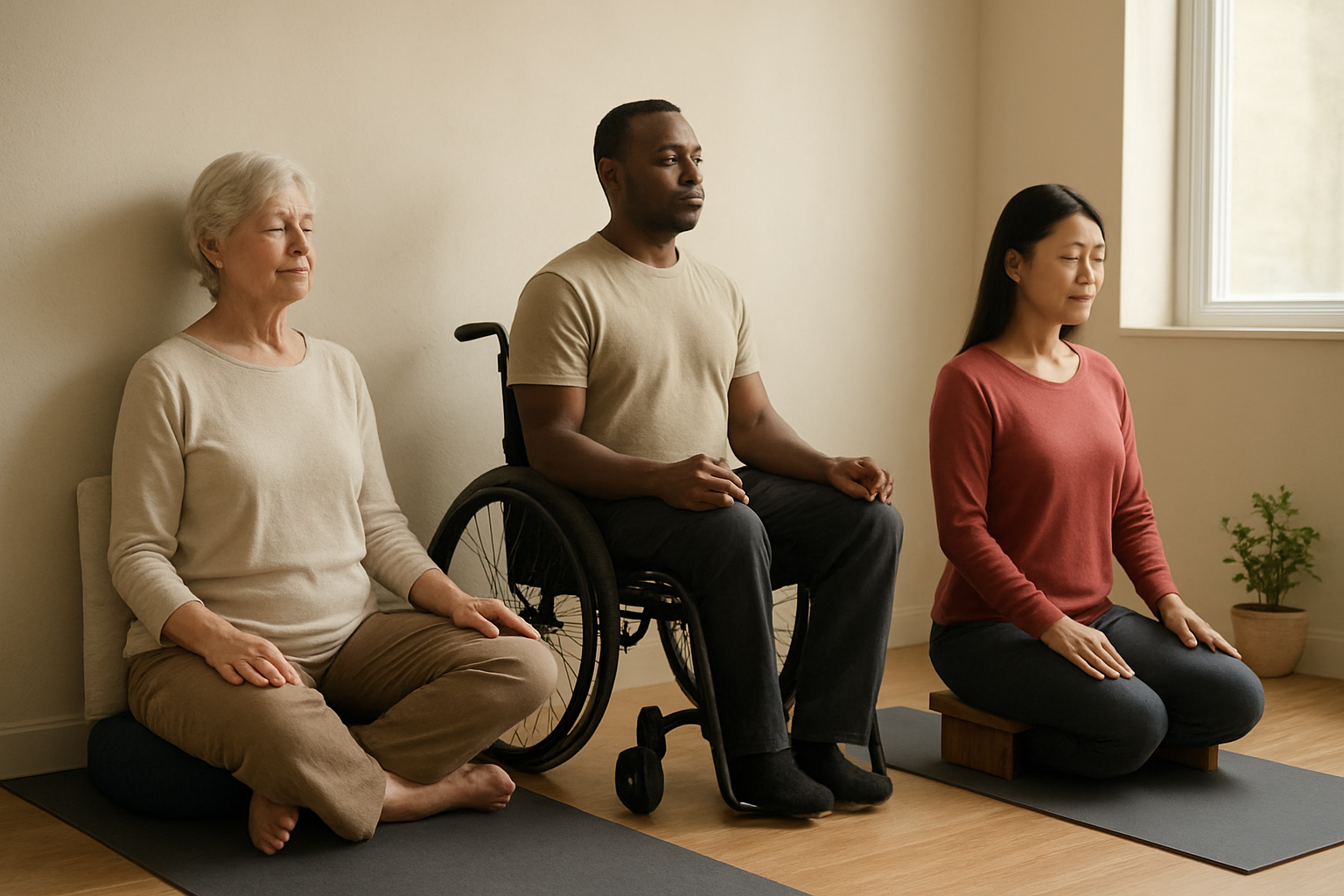
Modifications for flexibility challenges
Your body doesn’t need to be a pretzel to meditate effectively. Even with limited flexibility, you can still maintain proper posture with a few smart adjustments.
Start by elevating your hips using cushions, pillows, or a meditation bench. This simple change reduces the strain on your hip flexors and makes cross-legged sitting much more comfortable. If sitting cross-legged feels impossible, try the quarter lotus position, where only one foot rests on the opposite thigh, or simply sit with your legs loosely crossed in front of you.
For those with extremely tight hips or knees, chair meditation works beautifully. Choose a sturdy chair with a firm seat, sit toward the front edge, and keep your feet flat on the floor. Your thighs should be parallel to the ground or slightly angled downward.
Wall support can be your best friend when flexibility is an issue. Sit with your back against a wall to maintain your spine’s natural curve without straining your muscles. Place a small pillow behind your lower back if needed to preserve the natural lumbar curve.
Remember that flexibility improves with consistent practice. Don’t force positions that cause pain – gentle stretching before meditation sessions can help prepare your body. Consider incorporating simple yoga poses like child’s pose, cat-cow stretches, and seated spinal twists into your pre-meditation routine to gradually increase your range of motion.
Solutions for back pain and joint issues
Dealing with back pain or joint problems doesn’t mean you have to give up meditation. You just need to work smarter, not harder.
Chair meditation becomes your go-to solution when back pain strikes. Select a chair with good lumbar support, or place a rolled towel behind your lower back to maintain your spine’s natural S-curve. Keep your shoulders relaxed and avoid slouching into the backrest – you want support, not dependence.
For those with chronic back issues, lying down meditation is perfectly acceptable. Use the corpse pose (savasana) with a pillow under your knees to reduce pressure on your lower back. Place a small pillow or a rolled towel under your neck to maintain proper cervical alignment. This position eliminates spinal compression while allowing you to focus on your practice.
Joint pain sufferers can benefit from meditation cushions designed specifically for support. Memory foam cushions conform to your body shape, while buckwheat hull cushions provide firm, adjustable support. You can also create your own support system using multiple pillows of varying heights.
Heat therapy before meditation can work wonders for stiff joints. Apply a heating pad to problem areas for 10-15 minutes before sitting, or take a warm shower to loosen up tight muscles and joints.
| Condition | Recommended Position | Support Tools |
|---|---|---|
| Lower back pain | Supported chair or wall-assisted sitting | Lumbar pillow, firm cushion |
| Hip arthritis | Chair or elevated cushion sitting | High meditation bench, multiple pillows |
| Knee problems | Chair or lying down | Pillow under knees, avoided cross-legged positions |
| Neck issues | Supported upright position | Small neck pillow, wall support |
Pregnancy-safe meditation positioning
Your growing belly changes everything about how you sit, but pregnancy can actually be an incredible time to deepen your meditation practice. The key is to adapt your posture as your body changes.
During your first trimester, you can likely continue your regular meditation positions with minimal modifications. As you progress, side-lying meditation becomes your safest bet. Lie on your left side with a pillow between your knees and another supporting your growing belly. This position improves circulation to your baby while keeping you comfortable.
Supported sitting positions work well throughout most of pregnancy. Use a meditation bench or sit on the edge of a sturdy chair with your feet flat on the ground. Avoid any position that puts pressure on your back or compresses your abdomen. Cross-legged sitting might become uncomfortable as your belly grows, so don’t force it.
Wall-supported sitting offers excellent stability when you’re feeling off-balance. Sit with your back against a wall and place pillows on either side for arm support. This setup helps you maintain good posture without straining your changing body.
Avoid lying flat on your back after your first trimester, as this can compress major blood vessels and reduce blood flow to your baby. Also, skip deep twisting poses or any position that feels unstable as your center of gravity shifts.
Your breath work during meditation can actually help prepare you for labor. Practice deep, rhythmic breathing while maintaining these comfortable positions – you’re building skills you’ll use during delivery while caring for your body and baby right now.
Advanced Techniques for Posture Mastery
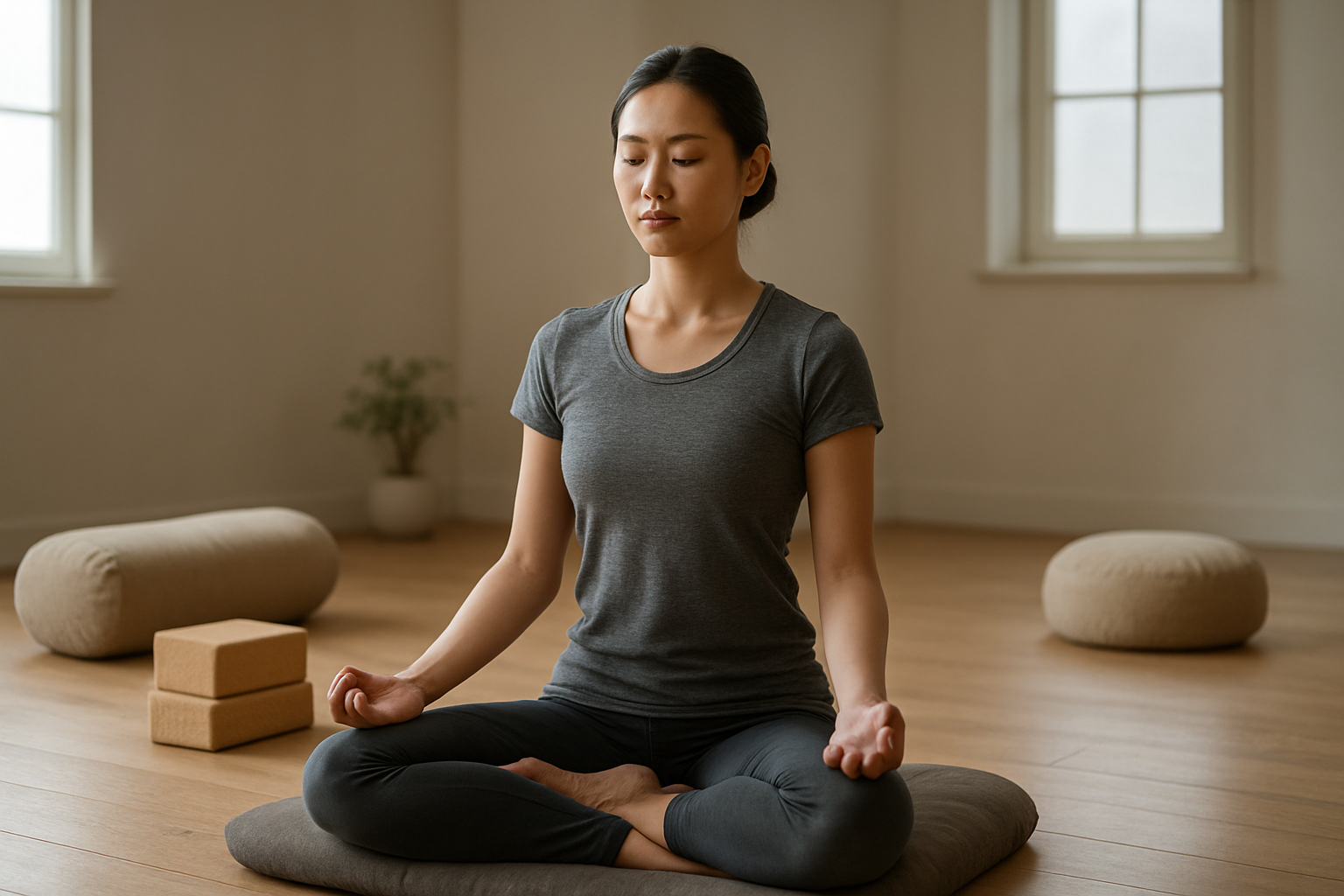
Micro-adjustments that maximize comfort
Your body speaks to you during meditation, and learning to listen can transform your practice. Small shifts make enormous differences in your comfort level. Start by scanning your body every few minutes during your sits. Notice where tension builds up and make tiny corrections.
Rock your pelvis forward and backward in millimeter movements until you find that sweet spot where your spine naturally wants to be upright. This micro-tilt of your pelvis can eliminate back strain completely. Your shoulders might creep up toward your ears without you realizing it – drop them down and back just slightly.
Pay attention to your jaw and forehead. You might be clenching without knowing it. Let your tongue rest comfortably in your mouth, not pressed against your teeth or the roof of your mouth. These small details add up to a much more comfortable experience.
The angle of your chin affects your entire spine. Too high and you create tension in your neck; too low and you compress your throat. Find the neutral position where your chin is parallel to the floor. Your ears should align naturally over your shoulders.
Breathing patterns that support spinal alignment
Your breath and your spine work together like dance partners. When you breathe correctly, your spine naturally aligns almost effortlessly. Start each session with three deep breaths that expand your entire torso – front, back, and sides.
Focus on breathing into your back ribs. This expansion naturally lifts your chest and lengthens your spine without forcing it. Your lower ribs should move outward as you inhale, creating space between your vertebrae. This breathing pattern activates the deep stabilizing muscles along your spine.
Try the “elevator breath” technique: breathe into your pelvic floor on the inhale, letting the breath rise through your torso like an elevator moving up through floors. This creates internal support for your spine from the bottom up.
Your exhale should be slow and controlled, maintaining the lifted quality in your torso. Don’t collapse as you breathe out. Keep that sense of spaciousness you created on the inhale. This breathing rhythm becomes a moving meditation that continuously adjusts your posture.
Energy flow optimization through proper positioning
Your meditation posture creates pathways for energy to move freely through your body. Think of your spine as a central highway with energy flowing up and down. Postural blockages create traffic jams in this flow.
Ground yourself through your sitting bones. Feel them pressing down into your cushion or chair as if you’re growing roots. This downward grounding naturally creates an upward lift through the crown of your head. Picture a string gently pulling you skyward from the top of your head.
Your arms and hands play a bigger role than you might think. Let your shoulders relax away from your ears while maintaining width across your collarbones. Your arms should hang naturally, creating an open feeling across your chest. This openness allows energy to flow both horizontally and vertically.
Hand position affects your entire energy system. Whether you use a mudra or simply rest your hands on your thighs, keep your arms relaxed. Tense arms create energetic blocks that can make you feel restless or agitated during meditation.
Progressive techniques for building sitting endurance
Building your sitting stamina happens gradually, like training for a marathon. Start where you are comfortable and add just a few minutes each week. Your body needs time to adapt to longer periods of stillness.
Create a training schedule for your sitting muscles. Begin with 10-15-minute sessions if you’re new to meditation. Every week, add 2-3 minutes to your longest sit. This gradual increase allows your hip flexors, back muscles, and core to strengthen progressively.
Practice “posture resets” during longer sits. Instead of fighting discomfort, make conscious micro-adjustments every 10-15 minutes. Lift your chest slightly, settle your pelvis, relax your shoulders. These resets help you maintain good alignment without breaking your meditation flow.
Use props strategically as you build endurance. A cushion under your knees can relieve hip tension during longer sits. A small pillow behind your lower back provides support as your muscles fatigue. These supports aren’t crutches – they’re tools that help you sit longer with proper alignment.
Track your progress in a meditation journal. Note how long you sat comfortably and any adjustments that helped. Over time, you’ll see patterns in what works best for your body and can fine-tune your approach accordingly.
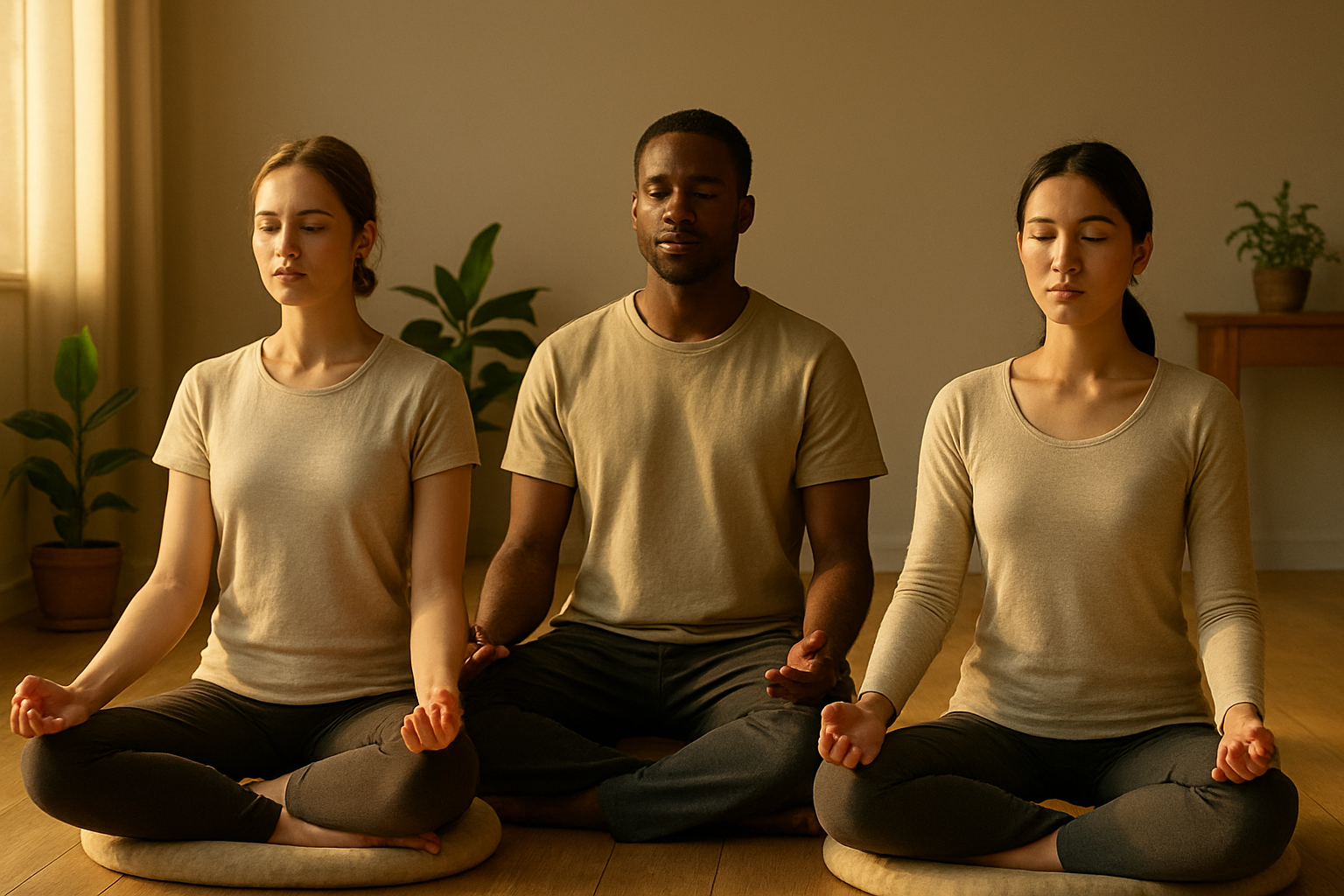
Your meditation posture sets the stage for your entire practice. When you sit with proper alignment, you’re creating the ideal conditions for focus, comfort, and deeper awareness. The basics are simple: find a stable seat that works for your body, keep your spine naturally straight, relax your shoulders, and position your hands comfortably. Don’t worry about achieving perfection right away – your posture will improve with practice, and what matters most is finding a position you can maintain without distraction.
Remember that meditation should never be about forcing your body into uncomfortable positions. If you need to adjust your posture, use cushions, or even sit in a chair, that’s perfectly fine. Your practice is about cultivating mindfulness, not about how you look while sitting. Start with these foundational principles, listen to your body, and gradually refine your technique. The best meditation posture is the one that allows you to sit comfortably while staying alert and present.
“If you’re new to meditation, you may want to start with my previous article on What Meditation Is and Why It Matters.”
✨ Join The Zen Journal community — get fresh yoga and wellness insights straight to your inbox ✨