
Chakra Meditation for Beginners: Unblock Energy Centers Without Feeling Overwhelmed
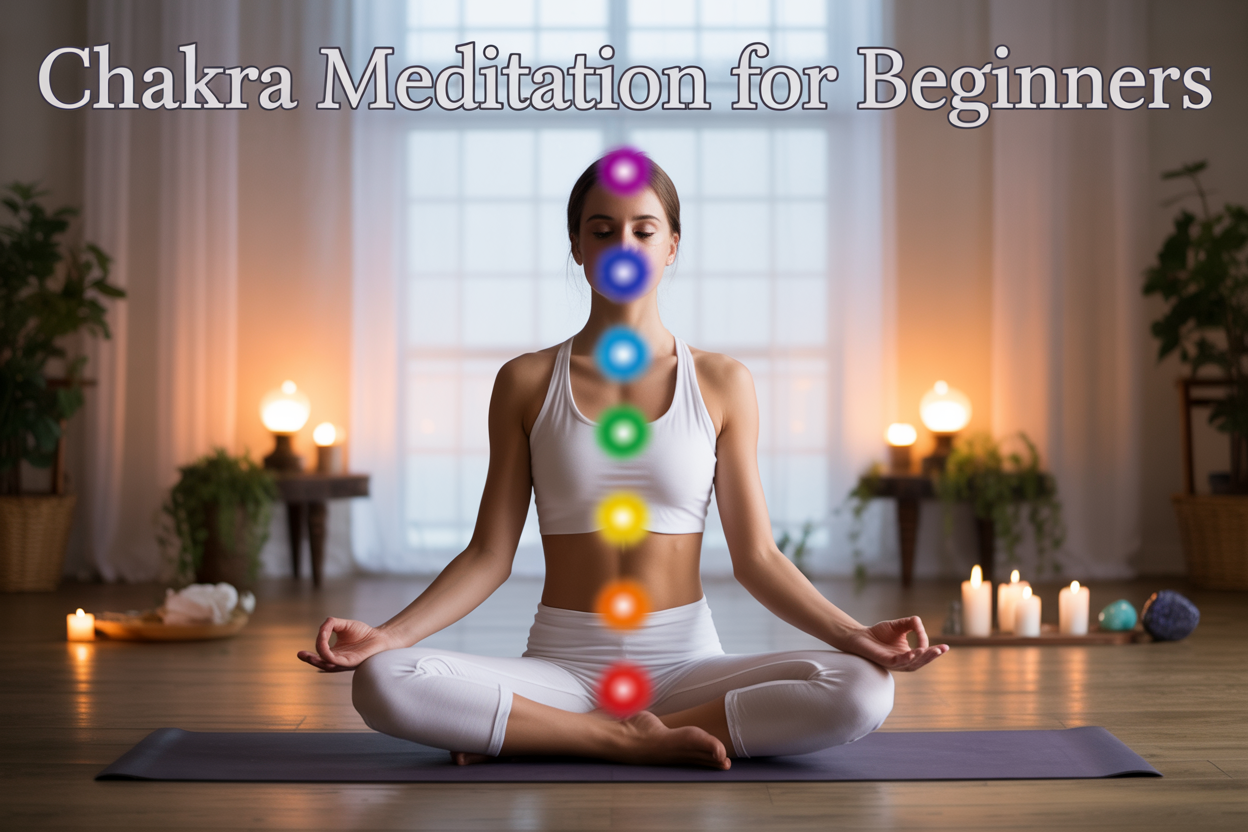
Your body holds seven spinning wheels of energy called chakras, and when they’re blocked or imbalanced, you might feel stuck, anxious, or disconnected from yourself. Chakra meditation for beginners offers a gentle way to restore harmony to these energy centers without the confusion or intensity that often scares newcomers away.
This guide is designed for anyone who’s curious about chakra work but feels overwhelmed by complicated spiritual practices or worried about doing something wrong. You don’t need years of meditation experience or special equipment—just an open mind and a few minutes each day.
We’ll start by breaking down what chakras are and how they affect your daily life, then move on to simple preparation techniques that help you create the right mindset and environment for your practice. You’ll also discover step-by-step meditations for each of the seven chakras, from grounding exercises for your root chakra to spiritual connection practices for your crown chakra, plus practical tips for building a sustainable routine that actually fits into your busy schedule.
Understanding Chakras and Their Role in Energy Flow
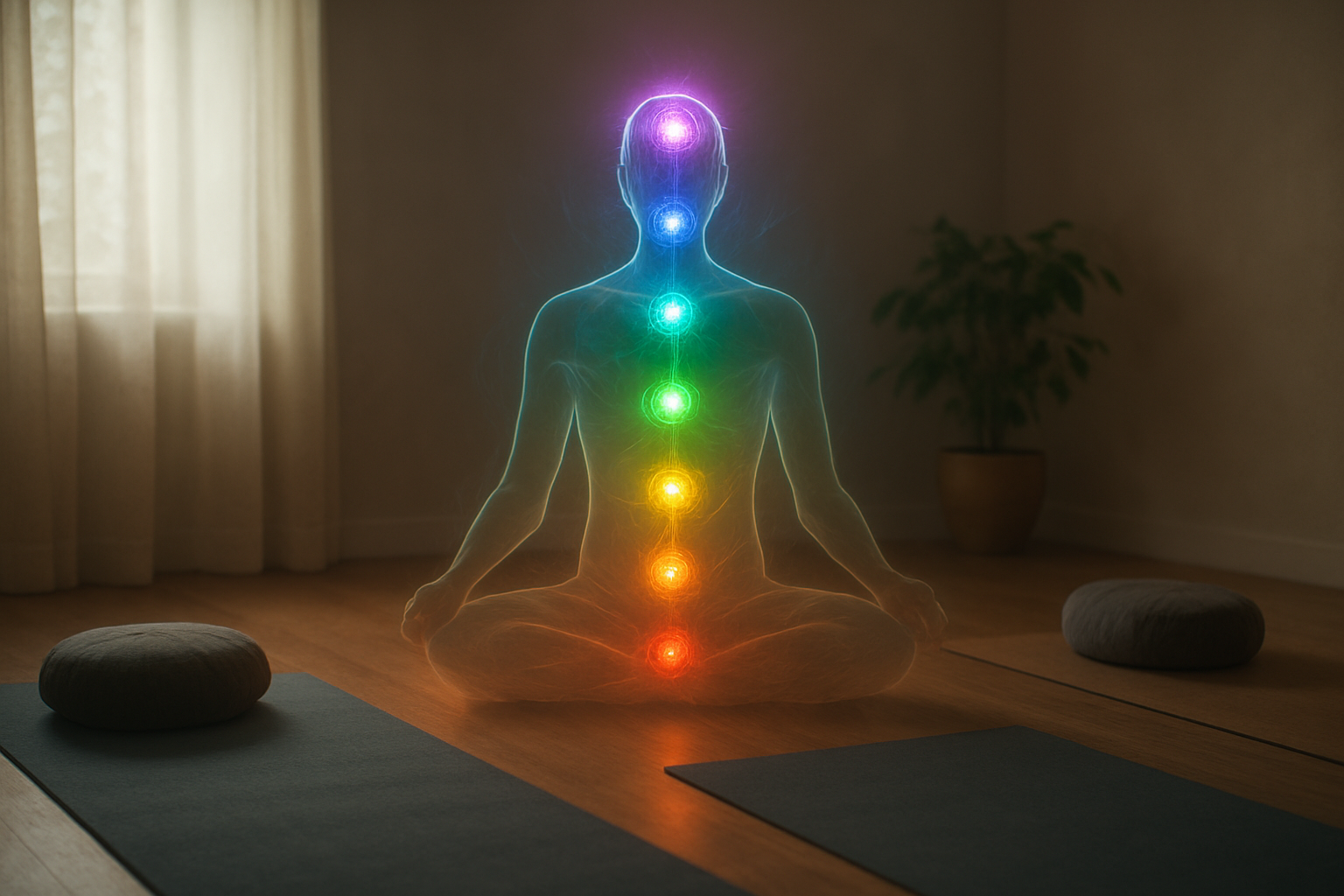
Seven main energy centers and their locations in your body
Your body contains seven primary chakras, each positioned along your spine from the base to the crown of your head. The Root Chakra sits at the base of your spine, grounding you to the earth and providing stability. Just above your pubic bone, you’ll find the Sacral Chakra, which governs your creativity and sexuality. Your Solar Plexus Chakra rests in your upper abdomen, controlling your personal power and confidence.
Moving upward, your Heart Chakra is located in the center of your chest, managing love and compassion. The Throat Chakra sits at the base of your neck, overseeing communication and truth. Between your eyebrows lies the Third Eye Chakra, responsible for intuition and inner wisdom. Finally, the Crown Chakra sits at the top of your head, connecting you to spiritual consciousness and universal energy.
Each chakra spins like a wheel (the Sanskrit word “chakra” literally means wheel), either freely when balanced or sluggishly when blocked. When these energy centers function harmoniously, life force energy flows smoothly through your entire system, supporting your physical health, emotional balance, and spiritual growth.
How blocked chakras affect your physical and emotional well-being
When your chakras become blocked or imbalanced, you’ll notice the effects rippling through every aspect of your life. Physical symptoms often manifest first – a blocked Root Chakra might leave you feeling tired, experiencing lower back pain, or struggling with digestive issues. A congested Heart Chakra could contribute to chest tightness, breathing difficulties, or circulation problems.
Emotionally, blocked chakras create distinct patterns of struggle. You might feel insecure and fearful when your Root Chakra needs attention, or feel lacking in creativity and passion when your Sacral Chakra is sluggish. A blocked Solar Plexus Chakra often shows up as low self-esteem, difficulty making decisions, or feeling powerless in your relationships.
Communication becomes challenging when your Throat Chakra is blocked – you might struggle to express yourself authentically or find your voice in important situations. Third Eye blockages can leave you feeling disconnected from your intuition, making poor decisions, or experiencing mental fog. Crown Chakra imbalances often manifest as spiritual disconnection or a sense that life lacks meaning and purpose.
Simple ways to identify which chakras need attention
Your body constantly sends you signals about which chakras need care. Start by paying attention to recurring physical symptoms in specific areas of your body. Lower back pain, hip issues, or feeling “ungrounded” often point to Root Chakra imbalances. Reproductive health concerns, creative blocks, or relationship difficulties with pleasure might indicate Sacral Chakra issues.
Notice your emotional patterns too. Do you frequently feel powerless or struggle with self-confidence? Your Solar Plexus Chakra likely needs attention. Difficulty giving or receiving love, holding grudges, or feeling emotionally closed off suggests Heart Chakra work is needed. If you find yourself unable to speak your truth, gossiping, or having throat-related physical issues, focus on your Throat Chakra.
Pay attention to your mental clarity and spiritual connection. Constant overthinking, difficulty making decisions, or feeling disconnected from your intuition points to Third Eye Chakra imbalances. Feeling spiritually empty, lacking a sense of purpose, or experiencing disconnection from something greater suggests your Crown Chakra needs nurturing.
Keep a simple journal for a week, noting physical sensations, emotional states, and recurring thoughts. Patterns will emerge that clearly show which energy centers require the most attention.
Why chakra meditation is gentler than other energy healing methods
Chakra meditation offers a uniquely gentle approach to energy healing that respects your natural pace and comfort level. Unlike intensive energy work that might feel overwhelming or create dramatic shifts too quickly, chakra meditation allows you to gradually open and balance your energy centers at a sustainable rate.
You maintain complete control throughout the process – if something feels too intense, you can simply breathe deeply and slow down. This self-guided approach prevents the energetic overwhelm that sometimes occurs with more aggressive healing modalities. Your body’s wisdom guides the experience, ensuring you only access what you’re ready to handle.
The practice works with visualization, breathwork, and gentle awareness rather than forceful techniques. You’re not pushing energy around or trying to aggressively break through blockages. Instead, you’re creating space for natural healing to occur, like gently warming frozen ground so flowers can eventually grow.
This method also integrates beautifully into your daily life without requiring dramatic lifestyle changes or lengthy recovery periods. You can practice for just a few minutes each day and still experience meaningful benefits. The cumulative effect builds gradually, creating a lasting transformation that feels natural and sustainable rather than jarring or disruptive to your routine.
Preparing Your Mind and Space for Gentle Chakra Work
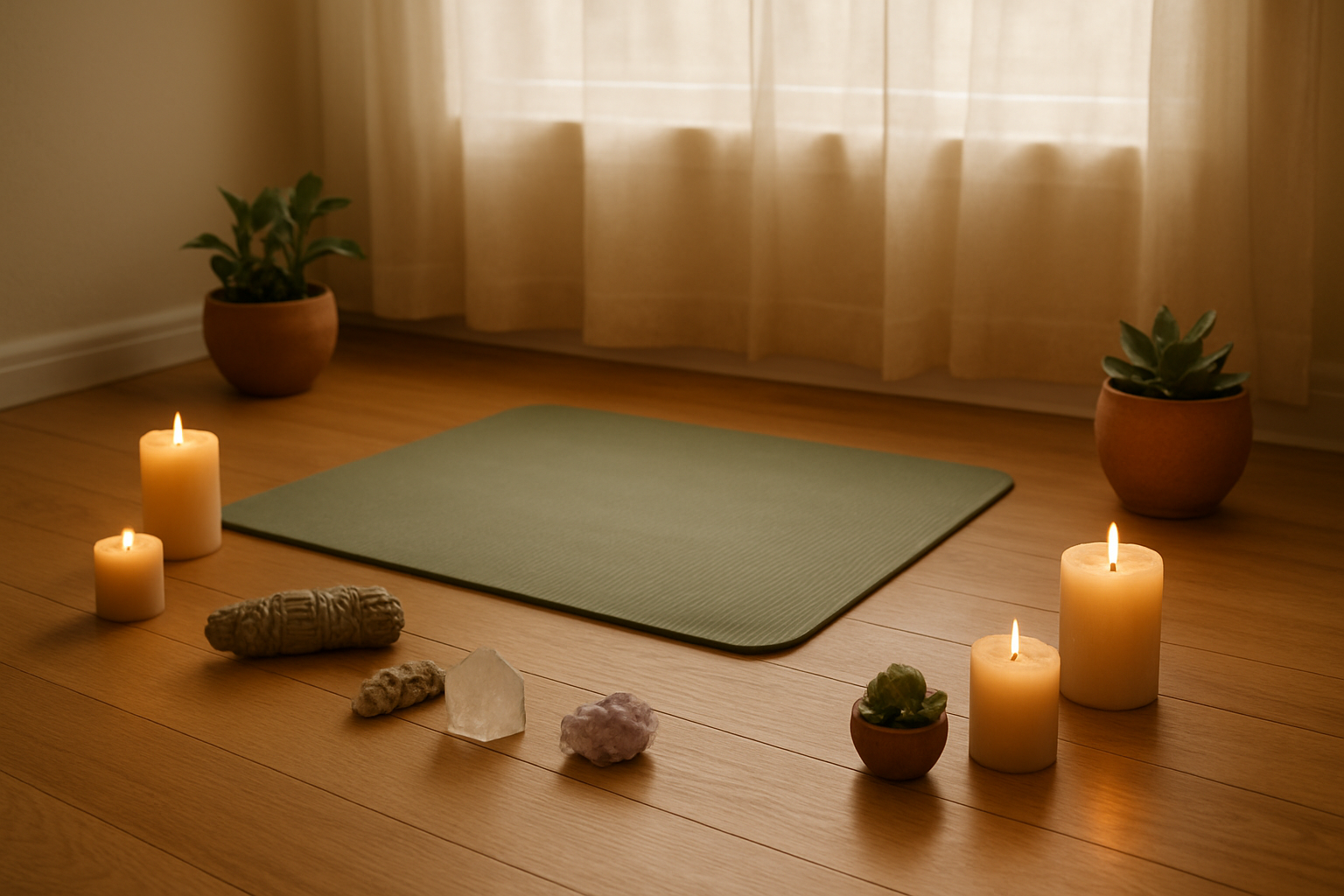
Creating a calm environment without expensive tools or accessories
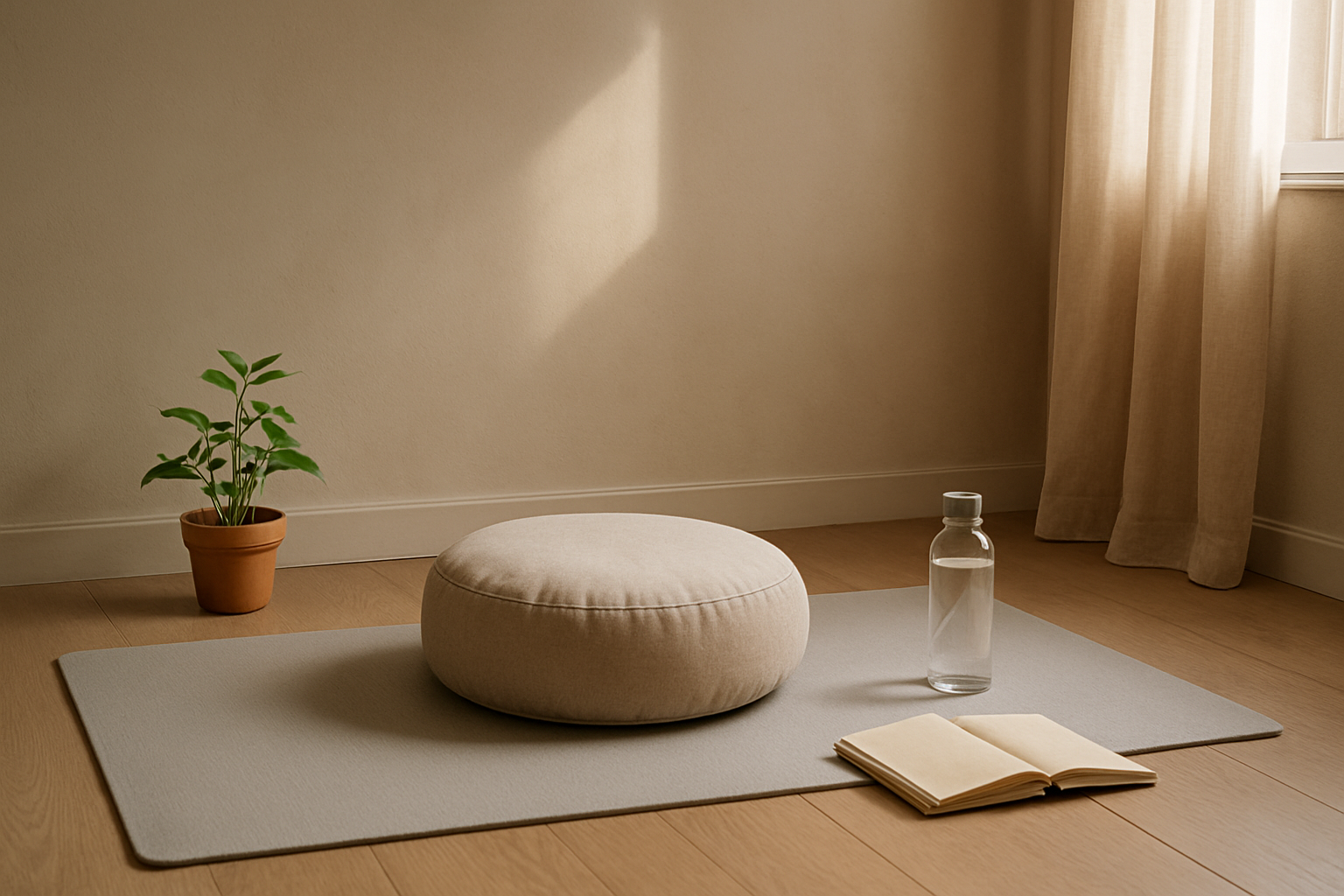
You don’t need a Pinterest-perfect meditation room or hundreds of dollars in crystals to start your chakra journey. Your bedroom corner, living room floor, or even a quiet spot in your backyard works perfectly fine. The key is finding a space where you won’t be interrupted for 10-15 minutes.
Start by clearing away visual distractions. Put your phone on silent and place it face down across the room. Dim harsh overhead lights or close curtains if bright sunlight feels overwhelming. A simple candle or soft lamp creates a gentle ambiance without breaking the bank.
Your seating matters more than your surroundings. Sit comfortably on a cushion, a folded blanket, or a chair, with your spine straight but not rigid. Cross-legged on the floor isn’t mandatory – comfort trumps tradition every time. If sitting feels uncomfortable, lying down works too, though you might drift off to sleep.
Temperature control helps maintain focus. Grab a light blanket if you tend to get cold during stillness, or crack a window if you run warm. Small adjustments like these prevent physical discomfort from distracting you from the meditation.
Fresh air makes a surprising difference in your practice quality. Open a window or door if possible, or step outside entirely. Natural sounds like birds chirping or leaves rustling often enhance meditation more than expensive sound machines.
Setting realistic expectations for your first meditation sessions
Your first chakra meditation won’t transform you into a zen master overnight, and that’s completely normal. Most beginners expect immediate, dramatic energy shifts or profound spiritual experiences. Instead, you’ll likely notice subtle sensations – maybe slight tingling, warmth, or simply a sense of relaxation.
Don’t worry if your mind wanders constantly during those first sessions. Thoughts will pop up about work deadlines, grocery lists, or random memories from high school. This mental chatter doesn’t mean you’re failing at meditation; it means you’re human. Each time you notice your mind drifting, gently guide it back, and you’re actually strengthening your meditation muscle.
Some days will feel easier than others. You might have a peaceful 15-minute session on Tuesday, then struggle to focus for even five minutes on Wednesday. This inconsistency is part of the process, not a reflection of your abilities or commitment level.
Physical sensations vary wildly between people and sessions. You might feel nothing at all, experience gentle warmth, or notice areas of tension releasing. Some practitioners report seeing colors or feeling energy movement, while others simply feel more centered afterward. All these responses are valid – there’s no “correct” way to experience chakra work.
Start with sessions lasting just 5-10 minutes. Building consistency matters more than duration. Once shorter sessions feel manageable, gradually extend your practice time as your comfort and attention span develop naturally.
Basic breathing techniques to center yourself before starting
Your breath serves as the bridge between your busy mind and your energy centers. Before diving into chakra-specific work, spend 2-3 minutes establishing a steady breathing rhythm that signals to your nervous system that it’s time to shift into a calmer state.
Try the 4-7-8 technique first. Inhale through your nose for 4 counts, hold your breath for 7 counts, then exhale through your mouth for 8 counts. This pattern activates your parasympathetic nervous system, naturally reducing stress and anxiety. Repeat this cycle 3-4 times before transitioning to your regular breathing pattern.
Box breathing offers another simple centering method. Breathe in for 4 counts, hold for 4, exhale for 4, then hold empty for 4 counts. Picture drawing a square with your breath – up one side on the inhale, across the top during the first hold, down the other side on the exhale, and along the bottom during the final hold.
If counting feels distracting, focus on making your exhales longer than your inhales. This automatically triggers your body’s relaxation response. Breathe in naturally, then consciously slow and extend your out-breath. Your inhales will gradually deepen on their own without forcing anything.
Place one hand on your chest and another on your belly to check your breathing quality. The hand on your belly should move more than the one on your chest. Deep belly breathing massages your internal organs and creates the ideal foundation for energy work.
Root Chakra Meditation for Stability and Grounding

Connecting with earth energy through simple visualization
Your root chakra sits at the base of your spine, and it’s your energetic connection to the earth below you. When you visualize this connection, you’re creating a powerful anchor that helps you feel more stable and secure in your daily life.
Start by sitting comfortably on the floor or in a chair with your feet flat on the ground. Close your eyes and imagine roots growing from the base of your spine, extending down through the floor and deep into the earth. Picture these roots as strong and flexible, like those of an ancient tree. You don’t need to force this visualization – simply allow the image to form naturally in your mind.
As you breathe deeply, imagine drawing up earth energy through these roots with each inhale. This energy appears as a warm, red or brown light that fills your lower body with stability and strength. With each exhale, release any tension or worry down through your roots, letting the earth absorb and transform these feelings.
Some days this visualization will feel vivid and real, while other days it might seem faint or difficult to maintain. Both experiences are perfectly normal. Your connection to earth energy strengthens with gentle, consistent practice rather than intense effort.
Affirmations that build confidence without forcing change
Root chakra affirmations work best when they feel authentic and achievable rather than overwhelming or unrealistic. Choose phrases that resonate with where you are right now, not where you think you should be.
Here are gentle affirmations to support your root chakra healing:
- “I am safe in this moment.”
- “My needs matter and deserve attention.”
- “I belong here on this earth”
- “I trust myself to handle whatever comes”
- “I am building a stable foundation for my life.”
- “My roots grow deeper with each passing day.”
Speak these affirmations quietly to yourself during meditation, or repeat them throughout your day when you need grounding. You don’t need to believe them completely at first – simply saying them with intention plants seeds that grow over time.
Pay attention to which affirmations feel most supportive. Your intuition knows what your root chakra needs most. Some days you might gravitate toward safety-focused statements, while other days you might need affirmations about belonging or trust.
Physical movements that support root chakra healing
Your body holds the key to root chakra balance, and gentle movements can release stuck energy while building your sense of groundedness. These movements work because your root chakra governs your physical foundation and connection to your body.
Grounding foot exercises: Stand barefoot and slowly shift your weight from one foot to the other. Feel your connection to the ground beneath you. Wiggle your toes, press them firmly into the floor, then relax. This simple practice awakens your foundation and helps energy flow more freely.
Hip circles and gentle squats: Your hips store much of your root chakra energy. Stand with feet hip-width apart and slowly circle your hips clockwise, then counterclockwise. Follow this with gentle squats, focusing on the connection between your body and the earth rather than perfect form.
Seated spinal waves: Sit cross-legged or in a chair and slowly roll your spine forward and back, creating gentle waves of movement. This motion helps energy flow through your root chakra while maintaining your grounded connection.
Walking meditation: Take slow, deliberate steps, indoors or outdoors. Focus on how your feet connect with the ground, feeling each part of your foot as it touches down. This moving meditation combines physical grounding with mindful awareness.
Practice these movements for just 5-10 minutes at a time. Your root chakra responds better to consistent, gentle attention than to intense or lengthy sessions.
Sacral and Solar Plexus Chakras for Creativity and Personal Power

Unlocking creative flow with gentle orange light meditation
Your sacral chakra sits just below your navel, spinning with vibrant orange energy that governs your creativity, sexuality, and emotional balance. When you feel creatively blocked or emotionally stuck, this energy center needs gentle attention. Find a comfortable seated position and close your eyes. Breathe naturally while visualizing a warm, orange glow radiating from your lower belly.
Imagine this orange light as flowing water, moving freely through your body. You don’t need to force anything – simply allow the warmth to expand with each breath. Picture the color becoming brighter and more vibrant, like a beautiful sunset painting your inner landscape. Spend 5-10 minutes with this visualization, noticing how your body responds to the gentle orange energy.
If you struggle with visualization, try placing your hands on your lower abdomen while repeating “I am creative” or “I flow with life.” The key is keeping your approach soft and patient. Your sacral chakra responds better to gentle coaxing than aggressive forcing.
Building self-confidence through the yellow chakra work
Your solar plexus chakra, located above your navel, blazes with golden yellow light that fuels your personal power and self-worth. When you feel insecure, powerless, or doubt your abilities, this energy center needs strengthening through mindful meditation.
Sit with your spine straight and place both hands over your upper abdomen. Breathe deeply while visualizing a brilliant yellow sun glowing in this area. With each inhale, see this golden light growing stronger and more radiant. Feel the warmth spreading through your torso, filling you with confidence and inner strength.
As you work with this energy, notice any areas of tension or resistance. Don’t judge these sensations – simply acknowledge them and breathe golden light into those spaces. Your solar plexus chakra thrives on acceptance and self-compassion, not harsh criticism.
Try this simple technique: inhale while thinking “I am,” then exhale thinking “powerful.” Continue this pattern for several minutes, allowing the golden energy to build naturally within you.
Balancing emotions without overwhelming intensity
Working with your sacral and solar plexus chakras can sometimes stir up intense emotions, but you can maintain balance through mindful awareness. Start each session by setting an intention to work gently with your energy. If you notice overwhelming feelings arising during meditation, simply return your attention to your breath without judgment.
Create a safety anchor by keeping one hand on your heart and the other on your belly. This physical connection helps you stay grounded as you explore deeper emotional layers. Remember that healing happens gradually – you don’t need to process everything at once.
When emotions feel too intense, try this grounding technique:
- Take three deep breaths
- Feel your feet on the floor
- Notice five things you can see around you
- Return to your meditation when ready
Your emotional healing journey deserves patience and kindness. Trust that your body knows how much you can handle in each session.
Simple mantras for personal empowerment
Mantras amplify your chakra work by combining intention with vibration. For your sacral chakra, try these gentle affirmations:
- “I embrace my creativity.”
- “I honor my feelings.”
- “I flow with life’s changes”
- “My emotions are welcome.”
For solar plexus empowerment, use these confident declarations:
- “I trust my inner wisdom.”
- “I am worthy of respect.”
- “I make decisions with confidence.”
- “My personal power serves my highest good.”
Speak these mantras aloud or silently during your meditation. Choose one or two that resonate most strongly with you rather than trying to use them all. The power lies in repetition and genuine feeling, not in quantity.
You can also create personalized mantras based on your specific needs. If you struggle with creative blocks, try “My creativity flows freely.” For confidence issues, use “I trust myself completely.” The most effective mantras feel authentic and meaningful to your current life situation.
Heart and Throat Chakras for Love and Communication
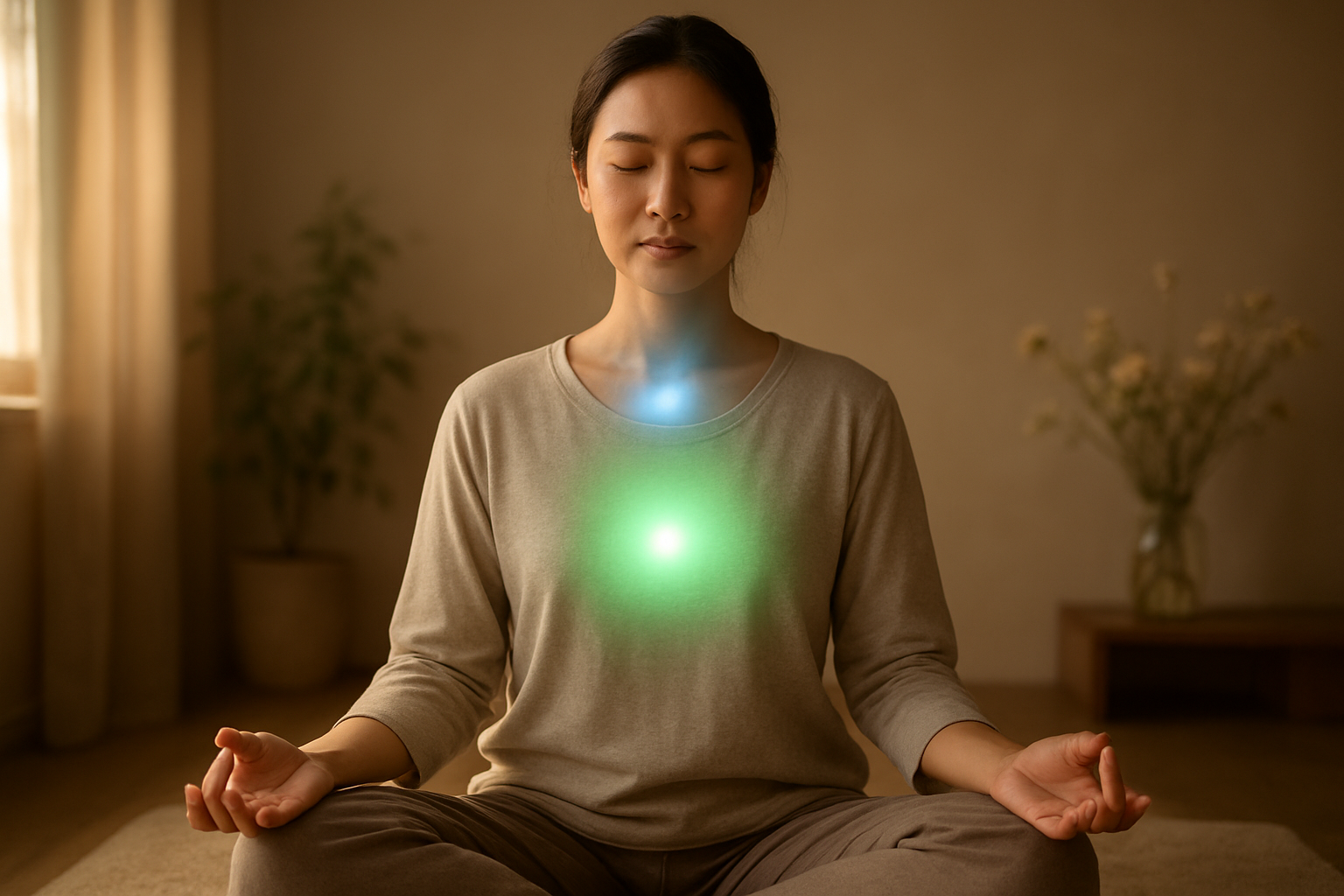
Opening your heart center with compassionate self-love practices
Your heart chakra sits at the center of your energy system, acting as a bridge between your lower physical chakras and your upper spiritual centers. When this emerald-green energy center flows freely, you experience deeper connections with yourself and others. Start by placing your hands over your heart and taking three slow, deep breaths. Feel the warmth radiating from your palms into your chest.
Begin with simple self-compassion phrases that resonate with you. Try saying, “I accept myself exactly as I am right now” or “I deserve love and kindness.” You don’t need to believe these words completely at first – just allow them to wash over you without judgment. Picture a soft green light expanding from your heart center with each inhale, growing brighter and more radiant.
Create a daily ritual of heart-opening gestures. This might involve gentle chest stretches, hugging yourself, or simply placing your hand on your heart during difficult moments. Your body holds onto emotional tension in your chest and shoulders, so physical movement helps release stored energy. Try rolling your shoulders back and lifting your chest toward the sky while breathing deeply.
Practice forgiveness meditation by visualizing people who’ve hurt you surrounded by green healing light. Start with minor grievances before tackling deeper wounds. Remember, forgiveness doesn’t mean condoning harmful behavior – it means freeing yourself from the emotional weight of carrying it.
Improving communication through blue light visualization
Your throat chakra governs authentic self-expression and clear communication. When blocked, you might struggle to speak your truth or feel like others don’t understand you. This bright blue energy center responds beautifully to visualization and sound work.
Sit comfortably with your spine straight and bring your attention to your throat area. Imagine a brilliant blue light, like a clear summer sky, spinning gently at the base of your throat. With each breath, see this light growing stronger and more vibrant. The color should feel soothing and expansive, not harsh or overwhelming.
Practice humming or chanting while visualizing this blue light. The vibrations from your vocal cords directly stimulate your throat chakra. Start with simple sounds like “HAM” (pronounced “hum”), the traditional seed mantra for this chakra. Feel the vibrations resonating through your throat, neck, and jaw area.
Try the “blue light speaking” exercise: before important conversations, spend two minutes visualizing blue light filling your throat. Imagine your words flowing out surrounded by this healing energy, reaching others with clarity and kindness. This practice helps reduce anxiety around difficult conversations and supports honest communication.
Write in a journal using blue ink, focusing on expressing thoughts you normally keep to yourself. This simple act connects your communication desires with physical action, strengthening the energy flow of your throat chakra.
Releasing emotional blocks at your own comfortable pace
Your heart and throat chakras often hold years of accumulated emotional material – everything from childhood hurts to recent disappointments. Releasing these blocks requires patience and self-compassion. You’re not trying to excavate everything at once or force dramatic breakthroughs.
Start by simply noticing what comes up during your meditation practice. If sadness, anger, or fear surfaces while working with your heart chakra, acknowledge these feelings without trying to fix or change them. Say something like, “I see you, sadness. You’re welcome here.” This gentle approach prevents your nervous system from going into defensive mode.
Use the “emotional release breath” technique: breathe in golden light to your heart, hold for a moment while sending love to any difficult emotions, then exhale through your mouth with a soft “ahh” sound. This combines heart and throat chakra work while creating space for emotional energy to move through you naturally.
Set realistic boundaries around your practice. If working with heart chakra meditation brings up intense emotions, limit sessions to 5-10 minutes initially. You can gradually increase the duration as you build emotional resilience. Some days, simply placing your hand on your heart and breathing deeply might be enough.
Create an “emotional first aid kit” for challenging moments: keep tissues nearby, have a comfort object within reach, or prepare a soothing playlist. Remember that healing isn’t linear – some days you’ll feel more open and connected, while others might feel more contracted. Both experiences are completely normal parts of your chakra healing journey.
Third Eye and Crown Chakras for Intuition and Spiritual Connection
Developing inner wisdom without spiritual pressure
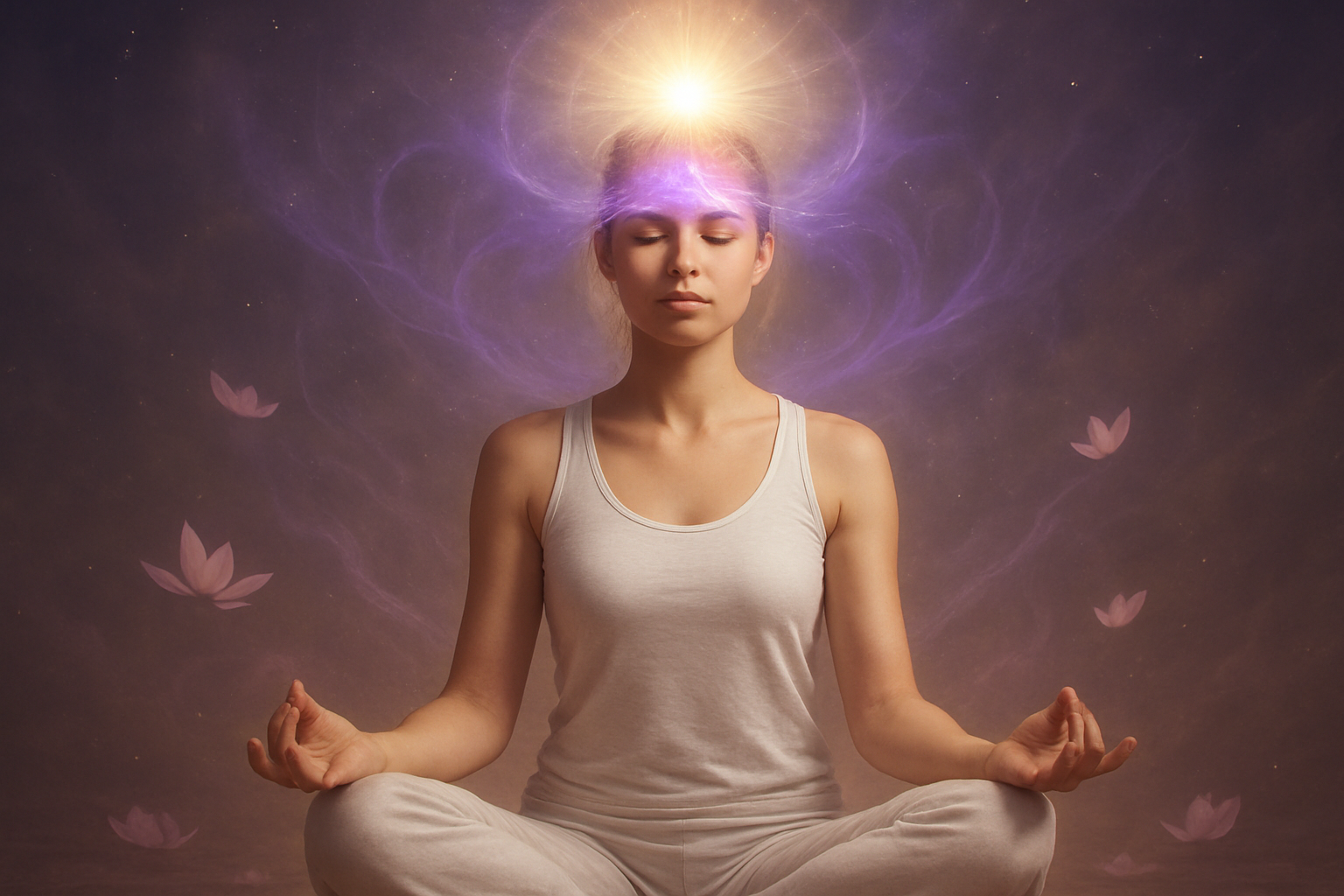
Your journey with the third eye and crown chakras doesn’t need to feel like climbing a mystical mountain. These energy centers are naturally designed to open when you’re ready, without forcing any dramatic spiritual awakening. You can begin simply by setting aside quiet moments in your day to tune inward. When you sit quietly and focus on the space between your eyebrows, you’re already connecting with your third eye chakra. There’s no need to expect visions or profound revelations immediately.
Start with basic observation. Notice your thoughts without judging them. Pay attention to those quiet hunches you get throughout the day – they’re often your intuition speaking. Your crown chakra, located at the top of your head, responds well to gentle appreciation for life’s mysteries rather than demanding answers to everything. You can nurture these energy centers by reading inspiring books, spending time in nature, or simply allowing yourself to wonder about bigger questions without needing immediate answers.
Remember that developing inner wisdom happens gradually. Some days you’ll feel more connected than others, and that’s perfectly normal. Your spiritual growth unfolds at exactly the right pace for you, so trust the process rather than rushing toward some imagined finish line.
Connecting to higher consciousness through gentle purple light meditation
Purple light meditation offers a soothing way to work with both your third eye and crown chakras simultaneously. Find a comfortable position and close your eyes. Imagine a soft, gentle purple light beginning to form just above your head. This isn’t about creating anything dramatic – picture the light as warm and welcoming, like a soft blanket of lavender mist.
Allow this purple light to slowly descend through the crown of your head, filling the space around your brain with its calming presence. You don’t need to visualize anything complex or perfect. Even if you can only sense a faint hint of purple, that’s enough. Let the light settle in the area between your eyebrows, your third eye center, where it can rest comfortably.
As you breathe naturally, imagine this purple light expanding and contracting gently with each breath. Some people feel tingling sensations, others experience deep calm, and some notice enhanced clarity in their thoughts. Whatever you experience is right for you. Practice this meditation for just 5-10 minutes when you’re starting out.
If visualizing purple light feels difficult, you can simply focus on the word “wisdom” or “connection” while breathing deeply. Your intention matters more than perfect visualization skills.
Integrating spiritual insights into daily life naturally
The real magic happens when you bring your meditation insights into everyday moments. You don’t need to dramatically change your lifestyle or start speaking in spiritual platitudes. Instead, notice how your enhanced intuition shows up in small ways. Maybe you suddenly know which route to take during your commute, or you get a clear sense about whether to accept a social invitation.
Keep a small notebook where you jot down interesting thoughts or insights that come to you throughout the day. These don’t have to be earth-shattering revelations – even noticing that you feel more patient with your coworker or more appreciative of your morning coffee counts as spiritual integration.
Your enhanced connection to higher consciousness might show up as increased creativity, better problem-solving abilities, or simply feeling more at peace with uncertainty. Trust these subtle shifts rather than looking for dramatic transformations. When you’re grocery shopping, walking your dog, or having conversations, stay open to those gentle nudges from your intuition.
Practice seeing the sacred in ordinary moments. Your morning shower can become a brief ritual of gratitude. Washing dishes might turn into a meditation on the cycle of nourishment and care. These simple shifts help you stay connected to your spiritual awareness without separating it from real life.
Maintaining balance between earthly and spiritual awareness
Your feet need to stay planted on the ground even as your consciousness expands upward. Balancing your spiritual development with practical responsibilities isn’t about compartmentalizing different parts of your life – it’s about bringing awareness to everything you do. You can be deeply spiritual while still paying your bills on time, maintaining relationships, and handling daily tasks.
Ground yourself by engaging in practical activities after meditation sessions. Cook a meal, tend to your plants, or organize a drawer. These activities help you integrate your spiritual insights while staying connected to your physical world. If you notice yourself becoming too spacey or disconnected from daily responsibilities, increase your focus on root chakra activities, such as walking barefoot, gardening, or physical exercise.
Your spiritual practice should enhance your ability to show up fully in your relationships and responsibilities, not provide an escape from them. When friends or family members share their concerns with you, your enhanced intuition and compassion can help you be more present and supportive. Your spiritual awareness becomes a gift you can offer others through your increased patience, understanding, and clarity.
Check in with yourself regularly. Are you using your spiritual practice to avoid dealing with practical matters? Or are you so caught up in daily tasks that you’re ignoring your inner wisdom? A healthy balance feels like being fully present wherever you are – spiritually aware during meditation and fully engaged during work meetings.
Recognizing signs of healthy crown chakra activation
Healthy crown chakra activation feels peaceful rather than overwhelming. You might notice that you’re less attached to having all the answers and more comfortable with life’s mysteries. Questions that used to create anxiety now spark curiosity instead. Your relationship with uncertainty shifts from fearful to accepting, and you find yourself naturally trusting that things will work out even when you can’t see how.
You may experience moments of deep connection during everyday activities – feeling at one with nature during a walk, or sensing the interconnectedness of all things while watching people in a coffee shop. These experiences feel natural and grounding rather than disorienting or frightening.
| Healthy Signs | Signs of Imbalance |
|---|---|
| Peaceful acceptance of uncertainty | Feeling spacey or disconnected from reality |
| Natural moments of unity and connection | Obsessive spiritual seeking |
| Enhanced creativity and problem-solving | Avoiding practical responsibilities |
| Increased empathy without overwhelm | Feeling superior to “less spiritual” people |
| Calm confidence in life’s unfolding | Constant need for spiritual validation |
Your sleep may become more restful, and you might remember dreams more clearly. Some people notice that they’re drawn to different books, music, or activities that support their growth. You feel more comfortable being authentic in your relationships, and you’re less likely to get caught up in drama or conflicts that don’t serve anyone.
Physical signs can include a tingling sensation at the top of your head during meditation, increased sensitivity to light, or occasional headaches as energy pathways open. These symptoms should be gentle and temporary. If you experience intense discomfort, slow down your practice and focus more on grounding activities.
Creating a Sustainable Daily Practice That Fits Your Lifestyle
Building a 5-10 minute routine that prevents overwhelm
Start small and build gradually – your chakra practice doesn’t need to be an hour-long marathon to be effective. A focused 5-10 minute daily session will create more lasting change than sporadic, lengthy sessions that leave you feeling drained.
Begin with just two chakras per session, alternating which ones you focus on throughout the week. Monday might be root and heart, Tuesday could be sacral and throat, and so on. This approach prevents mental fatigue while ensuring all energy centers receive regular attention.
Create a simple template you can follow:
- 2 minutes: Settle into your space with three deep breaths
- 4-6 minutes: Focus on your chosen chakras (2-3 minutes each)
- 1-2 minutes: Close with gratitude and gentle awareness of your whole body
Your routine should feel like a comfortable ritual, not a chore. Pick the same time each day – whether that’s right after waking up, during lunch break, or before bed. Consistency trumps duration every time.
Keep your practice flexible. Some days you might only have time for one chakra and three deep breaths. That’s perfectly fine and still counts as maintaining your practice. The goal is to show up regularly, not to achieve perfection.
Tracking your progress without becoming obsessive
Document your journey without turning it into a science experiment. Simple awareness beats complex tracking systems that become another source of stress in your life.
Use a basic journal or phone note to record:
- Energy shifts: “Felt more grounded today” or “Creative ideas flowed more easily.”
- Physical sensations: Brief notes about tingling, warmth, or release you experienced
- Emotional changes: Mood improvements, less anxiety, better sleep patterns
- Life synchronicities: Opportunities or positive interactions that seem connected to your practice
Check in with yourself weekly rather than daily. Ask questions like: “How did my week feel different from last month?” or “What patterns am I noticing in my energy?” This broader view prevents you from getting caught up in daily fluctuations that mean very little in the bigger picture.
Avoid rating scales or complex measurement systems. Your intuitive sense of how you’re feeling provides more valuable information than assigning numbers to spiritual experiences. Trust your inner knowing over elaborate tracking methods.
Set monthly intention checks instead of daily goals. Review what you hoped to achieve with your chakra work and gently assess whether you’re moving in that direction. This keeps you connected to your deeper purpose without putting pressure on you.
Adjusting your practice based on energy levels and life circumstances
Your chakra practice should bend with your life, not break under its pressures. Some days you’ll feel vibrant and ready for deeper work, while others call for gentler approaches or even complete rest.
High-energy days: Extend your practice slightly or work with the upper chakras (third eye, crown), which can handle more intense focus. You might spend extra time visualizing or include gentle movement.
Low-energy days: Stick to grounding work with your root chakra, or simply place your hands on your heart center. Even three conscious breaths while focusing on stability count as meaningful practice.
Stressful periods: Prioritize heart and throat chakras to maintain emotional balance and clear communication. Reduce complexity – perhaps just visualizing green light at your heart center for a few minutes.
Times of change: Focus heavily on root chakra work to maintain stability as you navigate transitions. Add extra grounding visualizations or spend time in nature as part of your practice.
Illness or fatigue: Honor your body’s need for rest. Gentle awareness of your breath moving through your body can be your entire practice. Don’t force energy work when your system needs recovery.
Life seasons call for different approaches, too. Busy work periods might mean shorter sessions, while vacation time could allow for longer explorations. Your practice should support your life, not compete with it for your energy and attention.

Balancing your chakras doesn’t have to be complicated or time-consuming. You’ve learned how each energy center affects different aspects of your life, from the grounding stability of your root chakra to the spiritual connection of your crown chakra. The key is to start small and work at your own pace, focusing on one or two chakras that feel most blocked or need attention right now.
Your chakra meditation journey is personal and unique to you. Begin with just five minutes a day, create a peaceful space that feels right, and remember that consistency matters more than perfection. As you develop this practice, you’ll likely notice improvements in your emotional balance, creativity, relationships, and overall sense of well-being. Trust yourself to know what feels right, and don’t worry about getting everything perfect from the start. Your energy centers will respond to your gentle, consistent attention.
✨ Looking for more ways to bring calm into your routine? Visit my YOGA BLOG for accessible practices and soulful guidance designed to support mindful living.
✨ Join The Zen Journal community — get fresh yoga and wellness insights straight to your inbox ✨