
How to Make Yoga Accessible No Matter Your Body Type
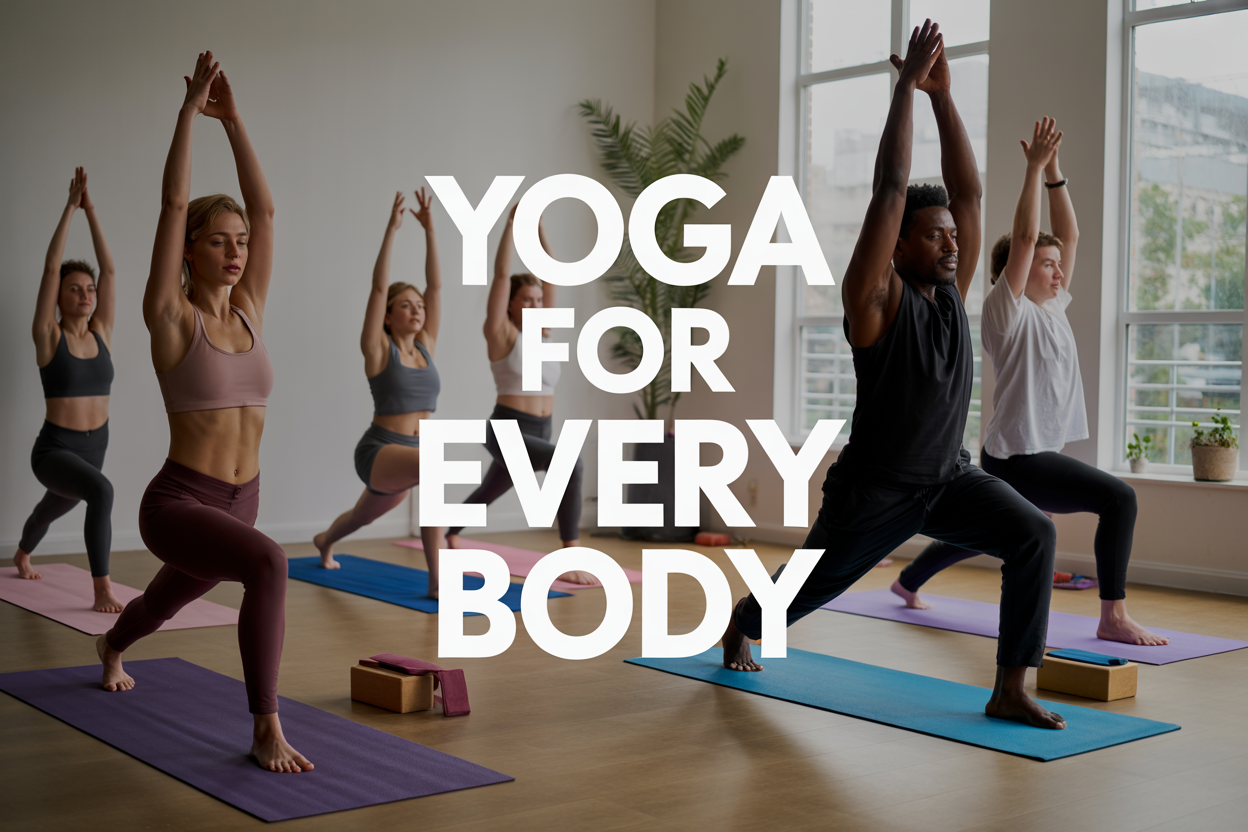
Yoga is for everybody, and learning how to make yoga accessible no matter your body type is the first step toward building a practice that truly supports you. Whether you’re new to yoga or returning after a long break, accessibility matters. With the proper modifications, props, and mindset, every movement can feel safe, empowering, and aligned with your body’s needs.
Yoga is for everybody, and minor adjustments can make all the difference in creating a practice that works for you. You’ll discover how to break free from outdated yoga myths that exclude different body types and find body-positive classes that celebrate diversity. We’ll also explore practical ways to modify traditional poses to fit your unique body, and show you how to create a supportive home practice space where you feel entirely comfortable.
Your yoga journey should feel empowering, not discouraging. By the end of this guide, you’ll have the tools and confidence to make yoga accessible for your body, precisely as it is today.
Break Down Common Yoga Myths That Exclude Different Body Types
Debunk the Flexibility Requirement Misconception
You don’t need to touch your toes on day one—or ever, for that matter. The biggest myth surrounding yoga is that you must already be flexible to start practicing. This backwards thinking is like saying you need to be clean before taking a shower. Yoga isn’t about showing up with perfect flexibility; it’s about working with whatever range of motion you currently have.
Your tight hamstrings, stiff shoulders, or limited hip mobility are exactly why yoga exists. Every pose can be modified or adapted to meet your body where it is today. Can’t reach the floor in a forward fold? Bend your knees, use blocks, or rest your hands on your shins. Your personal version of a pose is just as valid as the Instagram-worthy pretzel shapes you see online.
Flexibility develops gradually through consistent practice, but it’s never the end goal. Many experienced yogis still can’t do certain “advanced” stretches, and that doesn’t diminish their practice one bit. Your body’s unique structure—bone length, joint shape, muscle fiber types—will determine your natural range of motion, and that’s perfectly fine.
Start where you are, use props liberally, and remember that showing up consistently matters more than how deep you can fold.
Address the Thin Body Stereotype in Yoga Marketing
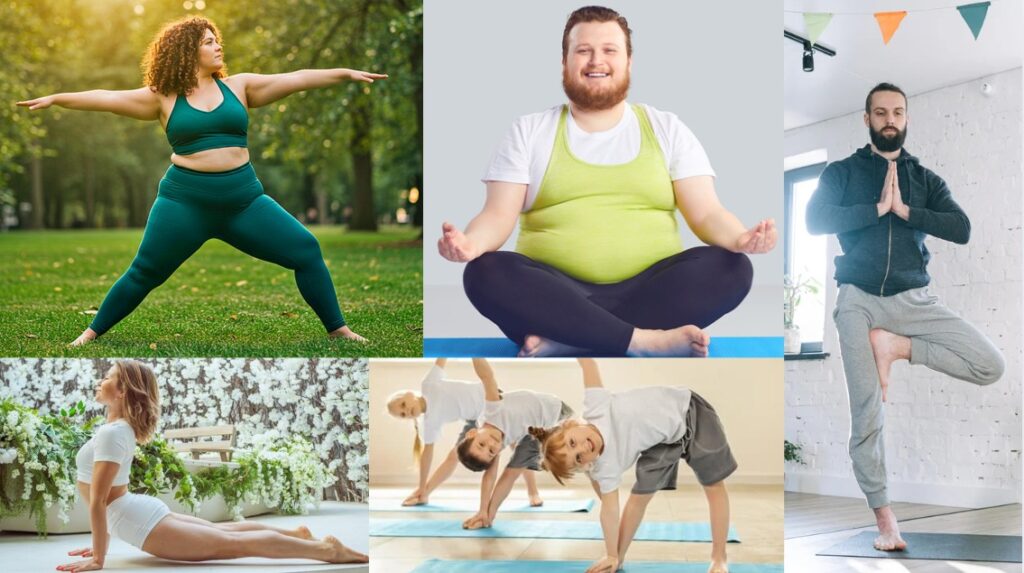
Walk into most yoga studios or scroll through yoga social media, and you’ll likely see a parade of thin, white, young women in expensive leggings. This narrow representation has created a harmful myth that yoga is only for people who fit this specific mold. The truth is, yoga originated thousands of years ago and was practiced by people of all body types, ages, and backgrounds.
Your body size, shape, or weight doesn’t determine your worthiness to practice yoga. Whether you’re plus-size, athletic, curvy, tall, short, or anything in between, yoga has space for you. The poses work the same way regardless of your body composition—they’re about building strength, improving balance, and creating mindfulness.
Many studios are now embracing body diversity and featuring instructors and students of different sizes and abilities. Look for classes specifically designed to be inclusive, such as “yoga for everybody” or “gentle yoga” classes. These environments often emphasize modification and personal comfort over achieving picture-perfect poses.
Remember that the yoga industry’s marketing doesn’t reflect the reality of who can and should practice yoga. Your presence on the mat challenges these narrow stereotypes and helps create a more inclusive yoga community for everyone.
Clarify That Advanced Poses Aren’t Mandatory for Benefits
You can practice yoga for decades without ever attempting a headstand, and you’ll still reap incredible benefits. The yoga world often glorifies complex poses like arm balances, deep backbends, and inversions, but these Instagram-worthy moves aren’t required for a meaningful practice.
The most transformative aspects of yoga happen in simple poses: child’s pose teaches you to rest, mountain pose builds awareness, and gentle twists help your spine feel better. You can improve your flexibility, strength, balance, and mental clarity through basic movements that feel accessible to your body right now.
Advanced poses often require specific anatomical advantages, years of dedicated practice, or both. Some bodies will never safely achieve certain poses due to bone structure, previous injuries, or other factors. This doesn’t make your practice less valuable or authentic.
Focus on poses that feel good in your body and serve your personal goals. Maybe that’s gentle stretching to relieve back pain, or building core strength through modified planks. Your yoga practice should enhance your daily life, not leave you feeling inadequate because you can’t do a perfect wheel pose.
The yogis who’ve been practicing longest often return to the simplest poses, finding depth and wisdom in movements they’ve done thousands of times before.
Choose Body-Positive Yoga Styles and Classes
Explore gentle and restorative yoga options.
Gentle yoga styles offer you the perfect entry point into practice without the intimidation factor of advanced poses. Hatha yoga moves at a slower pace, giving you time to settle into each position and truly understand what works for your body. You’ll hold poses for more extended periods, allowing you to find your own expression in each movement rather than rushing through a sequence.
Restorative yoga takes this approach even further by using props such as bolsters, blankets, and blocks to support your body fully. You can melt into poses that feel nurturing rather than challenging. These classes focus on deep relaxation and stress relief, making them ideal for beginners or when you need a gentler practice.
Yin yoga offers another excellent option, in which you hold passive poses for several minutes, typically while seated or lying down. This style works beautifully for all body types because you can adjust your position throughout the hold, using props as needed to find comfort.
Find size-inclusive yoga instructors and studios.
Your search for the right instructor makes all the difference in your yoga experience. Look for teachers who use inclusive language in class and offer modifications without singling anyone out. The best instructors demonstrate poses on different body types or acknowledge that poses will look different on every person.
Many studios now specifically advertise themselves as body-positive spaces. These environments welcome students of all sizes and abilities, creating communities where you can practice without judgment. You can often find these studios by checking their websites for inclusive language or photos showing diverse practitioners.
Online platforms have opened up incredible opportunities to find size-inclusive instruction. You can browse instructor profiles, read reviews from students with similar experiences, and even take trial classes from the comfort of your home. Many specialized online yoga platforms focus specifically on accessibility and body positivity.
Don’t hesitate to reach out to instructors directly before attending class. Most passionate teachers love hearing from potential students and are happy to discuss their teaching approach, class atmosphere, and available modifications.
Consider chair yoga and adaptive movement practices
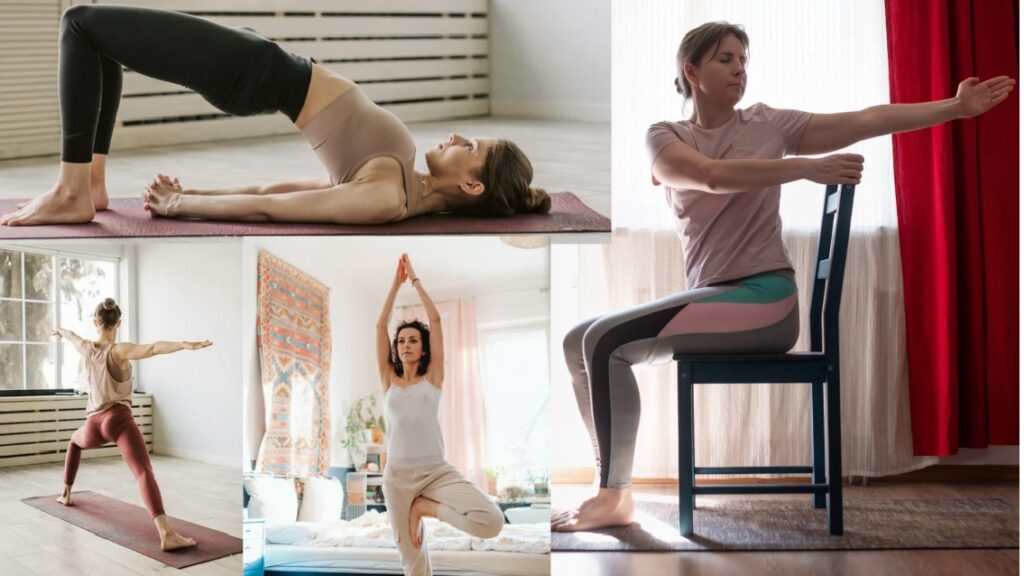
Chair yoga brings all the benefits of traditional yoga to you while seated, making it accessible regardless of mobility levels or body size. You can practice these movements at home, at work, or anywhere you have access to a sturdy chair. The seated position provides stability while you explore gentle twists, stretches, and breathing exercises.
These adaptations aren’t “lesser than” traditional yoga – they’re simply different expressions of the same mindful movement principles. Chair yoga includes seated sun salutations, spinal twists, and shoulder releases that can be just as effective as their standing counterparts.
Adaptive movement practices go beyond traditional yoga to incorporate movements tailored to your body’s needs. Some classes combine yoga with principles of physical therapy, while others integrate dance movement or tai chi elements. These hybrid approaches give you more options to find what feels good in your unique body.
Many community centers, senior centers, and hospitals offer chair yoga classes, making them widely accessible. You can also find excellent online resources with detailed instructions for creating your own chair yoga practice at home.
Modify Traditional Poses for Your Unique Body
Use props to support your natural alignment.
Props are your best friends when it comes to making yoga work for your body. You don’t need to feel shame about reaching for a block, strap, or bolster – these tools help you find proper alignment while honoring your body’s unique structure.
If you have tight hamstrings, place a block under your sitting bones in seated forward folds. This elevates your hips and allows your spine to maintain its natural curve instead of rounding. For standing poses like Triangle, bring the floor closer to you by placing a block under your bottom hand rather than forcing yourself to touch the ground.
Straps become lifelines when your arms can’t quite reach in poses like Cow Face or Bird of Paradise. Loop a strap between your hands and gradually work toward bringing them closer together over time – or enjoy the stretch you get with the strap permanently in place.
Bolsters and blankets transform restorative poses into deeply nourishing experiences. If lying flat on your back feels uncomfortable, prop yourself up on a bolster in supported Fish pose. Your spine gets the gentle backbend while your nervous system relaxes completely.
Remember that using props isn’t “cheating” – it’s intelligent practice. Even advanced practitioners use props to deepen their exploration of poses and prevent injury.
Adjust the pose depth to your comfort level.
Your body has its own wisdom about how deeply you should move into any pose. Instead of pushing to match what you see in photos or what others around you are doing, tune into your internal compass.
Start every pose at about 60% of your perceived maximum and breathe there for several cycles. If your body feels open and receptive, you can gradually deepen if you feel resistance, tension, or pain, back off immediately. Your edge today might be different from yesterday, and that’s completely normal.
In forward folds, you might only hinge forward a few inches if your hamstrings are tight or your lower back is sensitive. That slight movement still provides benefits without forcing your body into positions it’s not ready for. The same applies to backbends – a gentle chest opening might be perfect for your spine today, even if you’ve done deeper backbends in the past.
Listen to different sensations in your body. A gentle stretch or mild discomfort that decreases as you breathe into it is usually fine. Sharp pain, shooting sensations, or discomfort that increases with breathing means you need to back out of the pose.
Your comfort level changes based on stress, sleep, hydration, the weather, and countless other factors. Honoring these fluctuations makes your practice sustainable and safe.
Create variations that honor your body’s limitations
Everybody has their own story written in tight spots, old injuries, and natural ranges of motion. Instead of viewing these as obstacles, see them as invitations to get creative with your practice.
If wrist pain makes the traditional Plank pose impossible, try Forearm Plank or even Wall Push-ups. Both give you core-strengthening benefits without the weight-bearing pressure on your wrists. For those with knee issues, avoid deep lunges and try standing poses that keep your knees in a more neutral position.
Pregnant practitioners can modify twists by keeping them open rather than closed – twisting away from the front leg in seated spinal twists instead of toward it. Those with limited mobility can do chair yoga, getting many of the same benefits while seated.
If balance poses feel impossible due to inner ear issues or other conditions, keep one hand on the wall or practice near a sturdy piece of furniture. The mental focus and subtle strength building still happen, even with support.
Hip replacements, fused vertebrae, or other surgical modifications require specific considerations. Work with teachers who understand these limitations and can offer alternatives that keep you safe while building strength and flexibility in different areas.
The goal isn’t to eventually do the “full” pose – it’s to find the variation that serves your body best right now.
Focus on sensation over appearance.
Social media has filled our minds with images of what yoga “looks like,” but the real practice happens internally. Your Triangle pose might look completely different from the person next to you, and that’s precisely how it should be.
Instead of checking mirrors or comparing yourself to others, close your eyes and notice what’s happening inside your body. Do you feel a gentle opening along your side waist in Triangle? Are your leg muscles engaging in Warrior II? Is your breath flowing smoothly in your version of the pose?
Your bent knee in a forward fold might be necessary to protect your hamstring, but you can still experience the calming effects of the pose. Your arms reaching halfway up in a backbend might give you the perfect amount of chest opening without straining your lower back.
Notice areas of tension and consciously soften them. Please pay attention to your breath pattern and work to keep it steady and deep. Feel the weight distribution in your feet during standing poses. These internal experiences matter far more than achieving a specific shape.
Some days your body will feel open and spacious. Other days, you might feel tight and restricted. Both experiences are valuable teachers. The person in the “perfect” pose might be forcing their body and creating tension, while your modified version might be precisely what your nervous system needs to relax and restore.
Build a Supportive Home Practice Environment
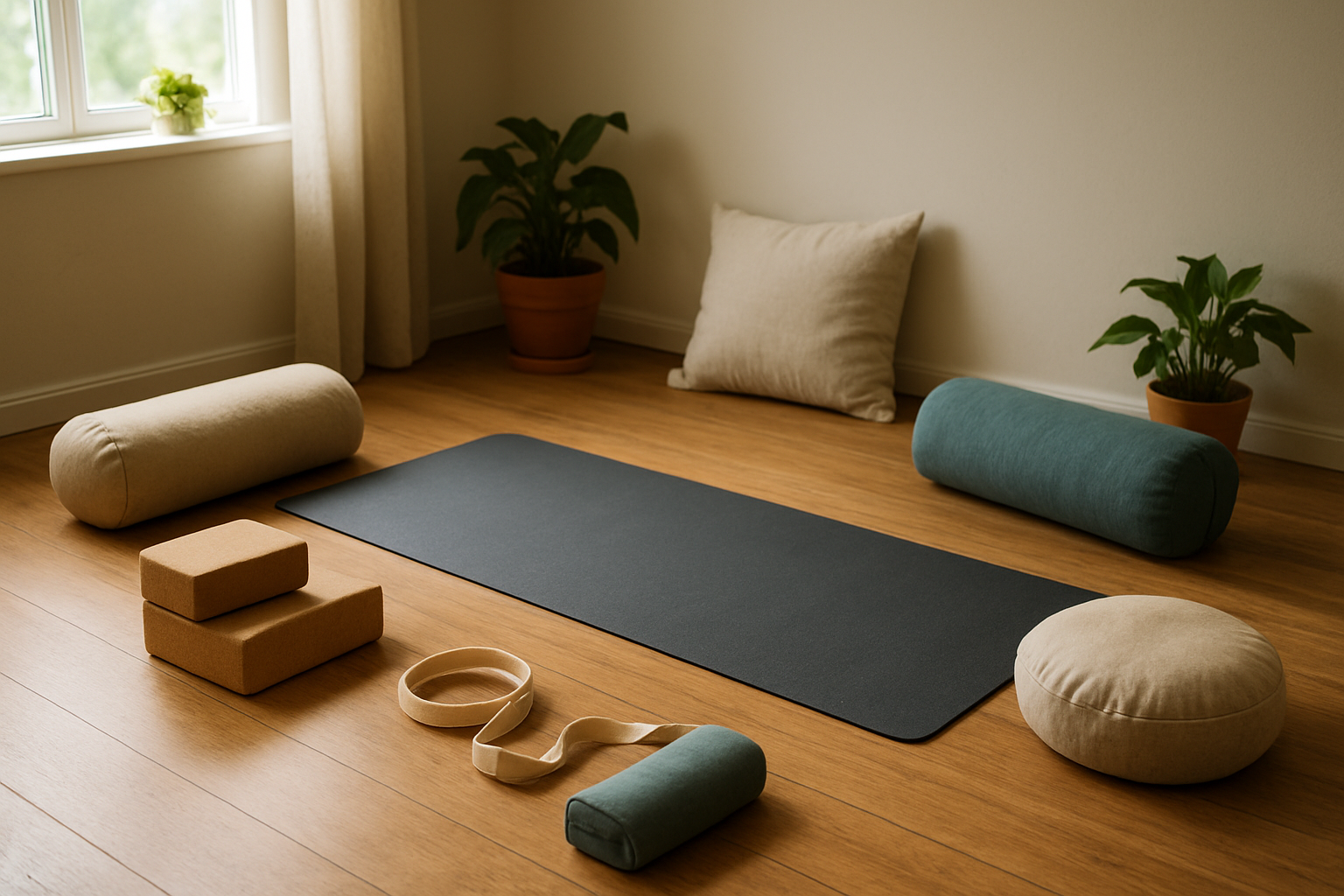
Create a judgment-free space in your home.
Your home practice area should feel like a sanctuary where you can move freely without worry about others’ opinions. Start by choosing a spot that feels private and comfortable—this could be your living room, bedroom, or even a small corner where you have enough room to stretch your arms without hitting anything.
Clear the space of any items that might make you feel self-conscious. Remove mirrors if they trigger negative self-talk, or position yourself so you’re not constantly seeing your reflection. Some people find mirrors helpful for alignment, while others find them distracting. You get to decide what works for you.
Set boundaries with family members or roommates about your practice time. Let them know this is your dedicated space during certain hours, and ask them to respect that time. Consider using a door sign or simply letting people know when you’ll be practicing to minimize interruptions.
Lighting plays a bigger role than you might think. Harsh overhead lights can feel clinical, while soft lighting creates a more welcoming atmosphere. Try using lamps, candles, or natural light from windows to create an environment that makes you feel at ease.
Select online classes that emphasize inclusivity.
Finding the right online instructors can make or break your home practice experience. Look for teachers who regularly offer modifications and use inclusive language, such as “if this variation works for you,” rather than assuming everyone can or should do the same pose.
Pay attention to how instructors describe poses and bodies. Avoid classes where teachers use phrases like “open your heart” when they really mean “arch your back,” or “beginners should be able to do this.” These subtle language choices can create pressure and exclusion.
Research instructors’ backgrounds and teaching philosophies before committing to their classes. Many body-positive teachers will explicitly state their approach to inclusivity on their websites or social media. Read reviews from other students who share similar concerns about accessibility.
Consider these qualities when choosing online classes:
- Instructors who demonstrate multiple variations of each pose
- Teachers who remind you to listen to your body throughout class
- Classes that focus on how poses feel rather than how they look
- Instructors who represent diverse body types and abilities
- Teachers who acknowledge that everyone’s body is different
Invest in props that accommodate your body size
Props aren’t just helpful additions—they’re essential tools that make yoga accessible for everybody. Don’t view them as crutches or signs that you’re “not good enough.” Professional yogis regularly use props because they enhance practice and help prevent injury.
Blocks are game-changers for many poses. If your hands don’t reach the floor in forward folds, blocks bring the ground closer to you. Look for foam blocks that are lightweight yet sturdy, or cork blocks if you prefer more stability. Having two blocks gives you more options for stacking and positioning.
Bolsters provide crucial support for restorative poses and seated positions. Choose a bolster that’s firm enough to support your weight without completely flattening out. Round bolsters work well for back support, while rectangular ones offer more versatility for different poses.
Straps help you reach your feet in seated forward folds or bind your hands behind your back without forcing your shoulders. Look for straps that are at least 8 feet long with a secure buckle that won’t slip during use.
Consider a wider, thicker yoga mat if standard mats feel too narrow or thin. Some companies make mats specifically designed for larger bodies, with extra width and cushioning. Your knees and wrists will thank you for the additional support.
Meditation cushions or folded blankets under your hips during seated poses can help prevent discomfort and improve your posture. The key is finding the right height that allows your knees to drop below your hip level comfortably.
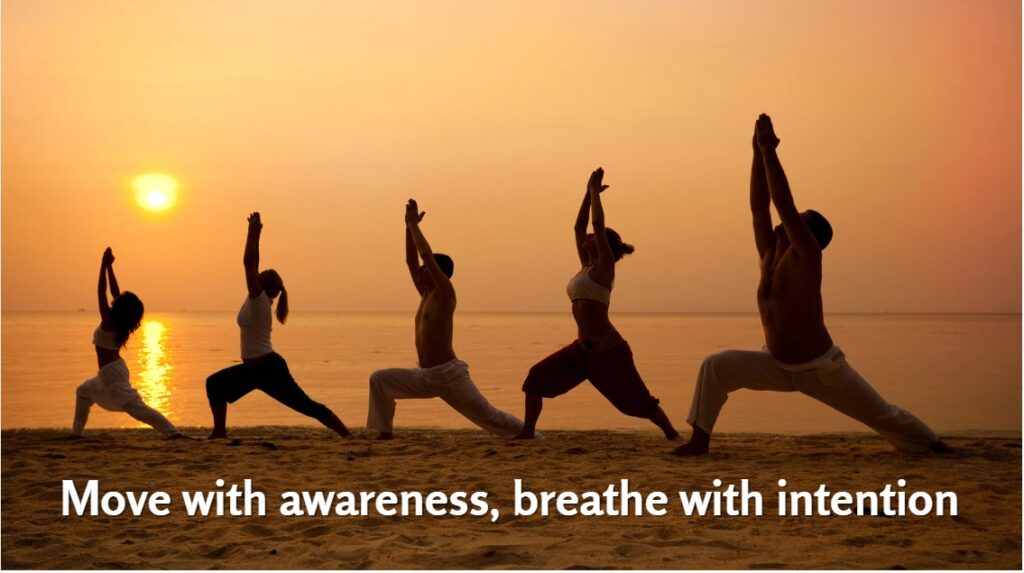
Step into Zen Essentials, where thoughtfully chosen yoga accessories help you move with ease, breathe with intention, and practice with presence.
Develop a Mindful Approach to Your Yoga Journey
Practice Self-Compassion During Challenging Moments
Your yoga journey will inevitably include days when your body feels stiff, your mind is scattered, or certain poses seem impossible. These moments don’t define your practice—they’re simply part of being human. When you notice frustration creeping in, pause and speak to yourself with the same kindness you’d offer a dear friend.
Replace harsh internal criticism with gentle encouragement. Instead of “I’m terrible at this,” try “I’m learning and growing.” Your body is doing its best with what it has today, and that’s always enough. Remember that yoga masters have practiced for decades, and even they have challenging days.
Create a mental toolkit of compassionate responses for difficult moments:
- Take three deep breaths and reset
- Remind yourself that struggle is temporary
- Focus on effort rather than perfection
- Permit yourself to rest when needed
Listen to Your Body’s Signals and Respect Boundaries
Your body constantly communicates with you through sensations, energy levels, and comfort. Learning to interpret these signals becomes crucial for a sustainable yoga practice. Sharp pain differs from the gentle stretch of muscles lengthening—one warns you to back off, while the other indicates healthy progress.
Pay attention to these critical body cues:
- Fatigue levels: Some days call for restorative poses rather than vigorous flows
- Joint comfort: Respect aches and avoid forcing your body into positions that cause pain
- Breathing patterns: Labored breathing often signals you’re pushing too hard
- Emotional responses: Notice if certain poses bring up feelings and honor what arises
Your boundaries will shift daily based on sleep, stress, hormonal changes, and countless other factors. What felt accessible yesterday might not work today, and that’s perfectly normal. Honoring these fluctuations shows self-respect, not weakness.
Celebrate Small Wins and Personal Progress
Your yoga achievements deserve recognition, regardless of how they compare to Instagram-worthy poses. Progress in yoga often happens in subtle ways that outsiders can’t see—deeper breathing, improved balance, or simply showing up when you don’t feel like it.
Track your personal victories:
- Holding a pose for five extra breaths
- Feeling more grounded after practice
- Choosing yoga over scrolling your phone
- Noticing improved flexibility in daily activities
- Managing stress better through breathing techniques
- Building consistency in your practice routine
Keep a simple practice journal where you note positive shifts, both physical and mental. You might discover patterns about which poses energize you or which sequences help you sleep better. These insights become valuable tools for customizing your practice.
Celebrate the journey rather than fixating on destinations. Your warrior pose today represents growth from where you started, regardless of how it looks or feels compared to others.
Release Comparison With Other Practitioners
Social media and group classes can trigger comparison traps that steal joy from your practice. When you catch yourself comparing your abilities to others, remember that everyone’s yoga journey unfolds differently, shaped by genetics, life experiences, training history, and body structure.
The person flowing effortlessly into advanced poses might have been practicing for twenty years or have a background in dance. Someone who appears to struggle might be recovering from an injury or dealing with chronic conditions. You don’t know their whole story, any more than they know yours.
Shift your focus from external comparison to internal awareness:
| Instead of Thinking | Try This Approach |
|---|---|
| “Everyone else looks so flexible.” | “I’m on my own unique path.” |
| “I don’t belong in this class.” | “I deserve to be here just as I am.” |
| “I’m the worst one here.” | “I’m learning and that’s beautiful.” |
| “I’m grateful for what my body can do today.” | “I’m learning, and that’s beautiful.” |
When comparison thoughts arise, redirect attention to your breath, your alignment, or the sensations in your body. Your practice exists in the space between you and your mat—nowhere else matters.
For more soulful stories and mindful living insights, explore The Zen Blog — your space for travel reflections, wellness tips, and everyday calm.
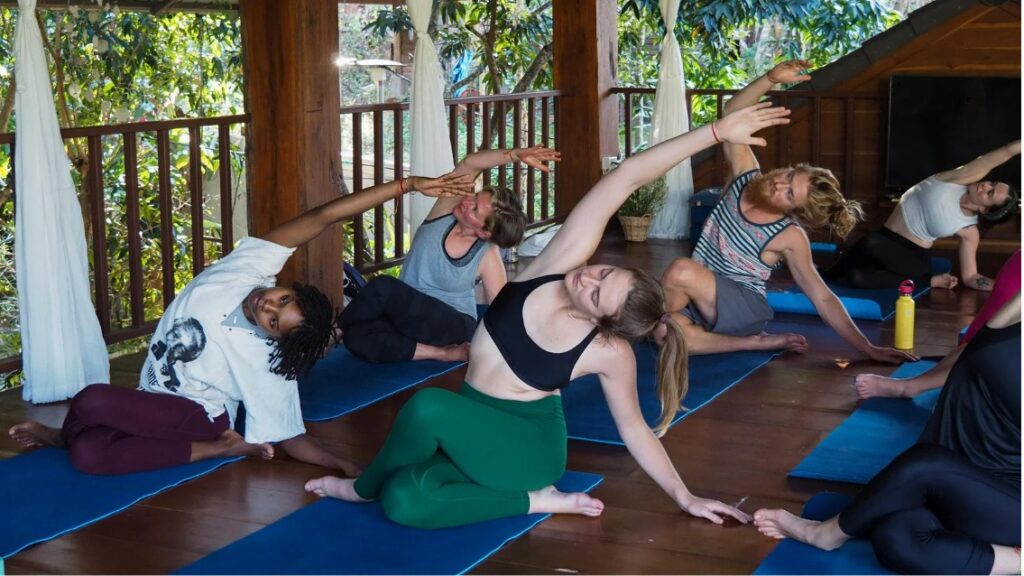
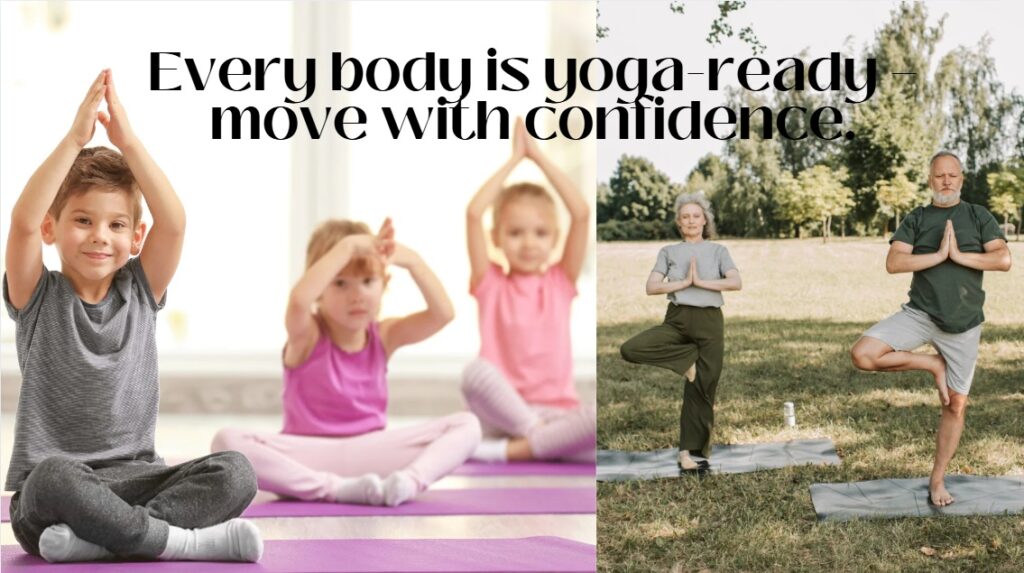
Your body belongs in yoga spaces, regardless of what you’ve been told or what you see in magazines and social media. The myths that suggest yoga is only for flexible, thin bodies are simply not true. You can find welcoming classes and instructors who prioritize accessibility, modify poses to work with your body’s unique needs, and create a home practice that feels safe and supportive. The most important thing is to approach your yoga journey with kindness toward yourself and remember that everyone can benefit from this practice.
Start where you are today, not where you think you should be. Your yoga practice doesn’t need to look like anyone else’s to be valid and beneficial. Look for body-positive classes in your area, experiment with props and modifications, and permit yourself to rest whenever you need it. Yoga is about connecting with your breath and finding peace in your body – and that’s something you deserve to experience, exactly as you are right now.
✨ Join The Zen Journal community — get fresh yoga and wellness insights straight to your inbox ✨