
The Seasonal Eating Approach That Honors Your Body’s Needs
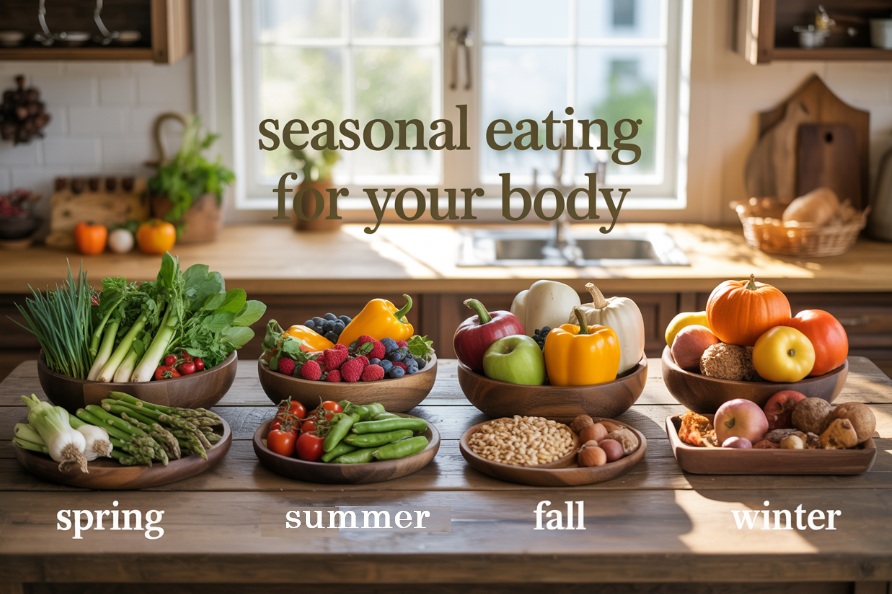
Your body naturally craves different foods throughout the year for good reason. The seasonal eating approach aligns with your body’s natural rhythms rather than against them, helping you feel more energized and balanced year-round.
This seasonal nutrition guide is perfect for you if you’re ready to move beyond restrictive diets and embrace a more intuitive way of eating. You’ll discover how to listen to what your body actually needs during each season while supporting your health with nature’s perfect timing.
We’ll explore how your body’s energy shifts with the seasons and why you might crave hearty stews in winter but fresh salads in summer. You’ll learn about spring’s natural detox foods that help your body reset after winter, and discover practical seasonal meal planning strategies that make eating with the seasons sustainable and straightforward. By the end, you’ll have a clear roadmap for turning traditional seasonal eating wisdom into daily habits that honor your body’s changing needs.
Understanding Your Body’s Natural Rhythms Through Seasons

How seasonal changes affect your metabolism and energy levels
Your body operates like a finely tuned instrument, naturally shifting gears as the seasons change. During spring, your metabolism begins to rev up after winter’s slower pace. You might notice increased energy levels as daylight hours extend and temperatures warm. This biological awakening mirrors what happens in nature – plants begin to grow, animals emerge from hibernation, and your body naturally wants to shake off winter’s sluggishness.
Summer brings your metabolism to its peak performance. Longer days and intense heat trigger your body to work harder to regulate its temperature, burning more calories in the process. You’ll often find yourself naturally craving lighter foods and eating smaller portions because your digestive system adapts to conserve energy for cooling. Your body’s natural rhythms align with seasonal eating patterns, making fresh salads and cold foods more appealing than heavy winter stews.
As autumn arrives, your metabolism gradually slows down in preparation for winter. This isn’t laziness – it’s ancient wisdom coded into your DNA. Your body begins storing more energy and craving heartier, warming foods. You might notice increased appetite and desire for comfort foods rich in healthy fats and complex carbohydrates.
Winter represents your body’s most conservation-focused season. Your basal metabolic rate naturally decreases, which may lead to lower energy levels. This seasonal shift supports deeper rest and internal repair processes that your body needs during colder months.
The connection between circadian rhythms and seasonal food cravings
Your circadian rhythms don’t just control sleep and wake cycles – they orchestrate a complex dance of hormones that directly influence what you crave to eat. As seasons shift, so do the production of key hormones like melatonin, cortisol, and serotonin, creating natural fluctuations in your appetite and food preferences.
During shorter winter days, reduced sunlight exposure increases melatonin production earlier in the day, often triggering cravings for carbohydrate-rich foods. Your body instinctively seeks foods that boost serotonin levels – think warming soups, root vegetables, and comforting grains. This isn’t willpower failure; it’s your body’s sophisticated response to seasonal changes in light.
Spring’s longer days gradually shift your hormonal balance, naturally reducing intense carb cravings and increasing your desire for cleansing foods like leafy greens and sprouts. Your body begins craving the fresh, detoxifying foods that support liver function and cellular renewal.
Summer’s extended daylight hours keep cortisol levels more balanced throughout the day, often reducing stress-related cravings. You’ll naturally gravitate toward cooling foods – fresh fruits, raw vegetables, and lighter proteins that don’t overtax your digestive system during hot weather.
Understanding this rhythm helps you work with your body’s natural seasonal eating patterns rather than against them. When you honor these cyclical cravings, you support both your circadian rhythms and your nutritional needs.
Why your digestive system adapts to environmental changes
Your digestive system is remarkably adaptable, continuously adjusting its function in response to environmental cues such as temperature, humidity, and seasonal light patterns. This biological flexibility developed over thousands of years as humans learned to thrive on different foods throughout the year.
Cold weather naturally slows your digestive fire – what traditional medicine systems call your body’s internal heat for processing food. During winter months, your digestive enzymes work more slowly, making heavy, cooked foods easier to process than raw, cold options. Your stomach produces different acid concentrations seasonally, optimizing nutrient absorption from whatever foods are naturally available.
Hot summer weather has the opposite effect, ramping up your digestive efficiency for lighter foods while making rich, heavy meals feel uncomfortable. Your body produces more cooling digestive juices and processes water-rich foods more effectively. This seasonal adaptation explains why a hearty beef stew feels nourishing in January but overwhelming in July.
Your gut microbiome also shifts seasonally, with different bacterial populations flourishing based on temperature and the types of foods you eat. Spring’s fresh greens feed beneficial bacteria that support detoxification, while fall’s fiber-rich harvest foods promote gut bacteria that help with nutrient storage and immune function.
These digestive adaptations work best when you align your seasonal nutrition choices with your body’s natural capacity. Fighting against these rhythms – eating only raw foods in winter or heavy stews in summer – can stress your digestive system and reduce nutrient absorption.
Spring Foods That Support Natural Detoxification and Renewal
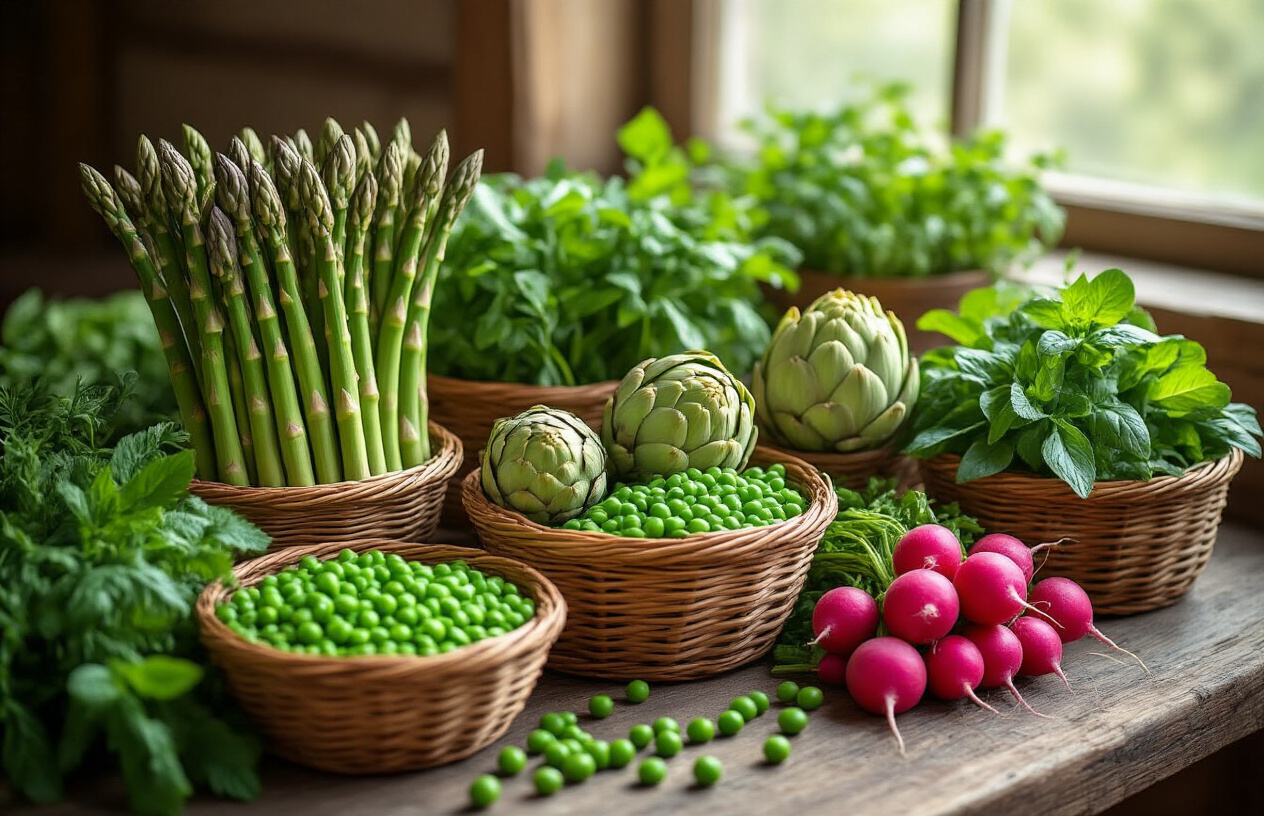
Leafy Greens and Bitter Herbs for Liver Cleansing
Your liver works overtime during the winter months, processing heavier foods and dealing with reduced activity levels. Spring arrives as nature’s perfect timing for renewal, offering you an abundance of bitter greens that support your body’s natural detoxification processes. Dandelion greens, arugula, watercress, and early spinach contain compounds that stimulate bile production, helping your liver flush out accumulated toxins.
You’ll find these seasonal foods packed with chlorophyll, which acts as your body’s internal cleanser. Wild nettle, available in early spring, provides exceptional liver support while delivering iron and vitamins that combat winter fatigue. Incorporate these bitter greens gradually into your meals – your taste buds will adapt as your body recognizes their cleansing benefits.
Try starting your morning with a simple dandelion tea or adding a handful of arugula to your breakfast omelet. The slight bitterness signals your digestive system to wake up and prepare for efficient nutrient absorption throughout the day.
Light Proteins That Energize Without Weighing You Down
Spring calls for lighter protein sources that match your body’s renewed energy levels. Heavy winter proteins like red meat and rich stews can feel too dense as temperatures warm and daylight extends. Your seasonal eating approach should shift toward lean proteins that provide sustained energy without the sluggish feeling heavier foods can create.
Fresh fish, particularly those rich in omega-3 fatty acids like wild salmon and sardines, align perfectly with spring’s renewal theme. These proteins support brain function as you emerge from winter’s mental hibernation. Free-range poultry, eggs from pasture-raised hens, and plant-based proteins like hemp seeds and sprouted legumes offer the amino acids your body needs for cellular repair after winter.
You can prepare these proteins – grilled, steamed, or lightly sautéed with spring herbs. This gentle cooking preserves their nutritional integrity while keeping meals light and easy to digest. Your body will thank you for choosing proteins that energize rather than burden your digestive system during this transitional season.
Fresh Sprouts and Microgreens for Cellular Regeneration
Sprouts and microgreens represent life at its most concentrated form – exactly what your body craves after winter’s dormancy. These tiny powerhouses contain up to 40 times more nutrients than their mature counterparts, making them perfect for supporting cellular regeneration during spring’s renewal phase.
Broccoli sprouts deliver sulforaphane, a compound that activates your body’s detoxification enzymes. Sunflower microgreens provide vitamin E and healthy fats that support skin renewal as you prepare to spend more time outdoors. Pea shoots offer protein and chlorophyll in an easily digestible form that won’t tax your system.
You can grow these nutritional gems on your windowsill year-round, but spring is when your body craves their regenerative properties most. Add them to salads, blend them into smoothies, or use them as garnishes on soups. Their fresh, crisp texture and concentrated nutrition make every meal feel like a step toward renewed vitality.
| Sprout/Microgreen | Key Nutrients | Cellular Benefits |
|---|---|---|
| Broccoli sprouts | Sulforaphane, Vitamin C | Detox enzyme activation |
| Sunflower microgreens | Vitamin E, Healthy fats | Skin and membrane repair |
| Pea shoots | Protein, Chlorophyll | Energy and blood cleansing |
Hydrating Foods That Combat Spring Allergies
Spring’s beauty often comes with the challenge of seasonal allergies, but your seasonal nutrition approach can provide natural relief. Water-rich foods help flush allergens from your system while keeping your mucous membranes properly hydrated – your first line of defense against airborne irritants.
Cucumber contains natural antihistamines and provides deep cellular hydration. Early spring radishes offer natural decongestant properties while adding a satisfying crunch to your meals. Celery acts as a natural diuretic, helping your body eliminate excess histamine through proper kidney function.
You’ll want to emphasize foods high in water and natural anti-inflammatory compounds. Fresh herbs like parsley and cilantro not only add flavor but also provide quercetin, a natural antihistamine. Incorporating these hydrating foods into your daily routine – whether in fresh juices, light salads, or infused waters – helps your body manage seasonal transitions more smoothly.
Focus on eating these foods in their raw form when possible to maximize their hydrating and anti-inflammatory benefits. Your respiratory system will appreciate the support as you navigate spring’s pollen-filled air while your overall energy levels remain stable and clear.
Summer Nutrition for Peak Energy and Heat Management
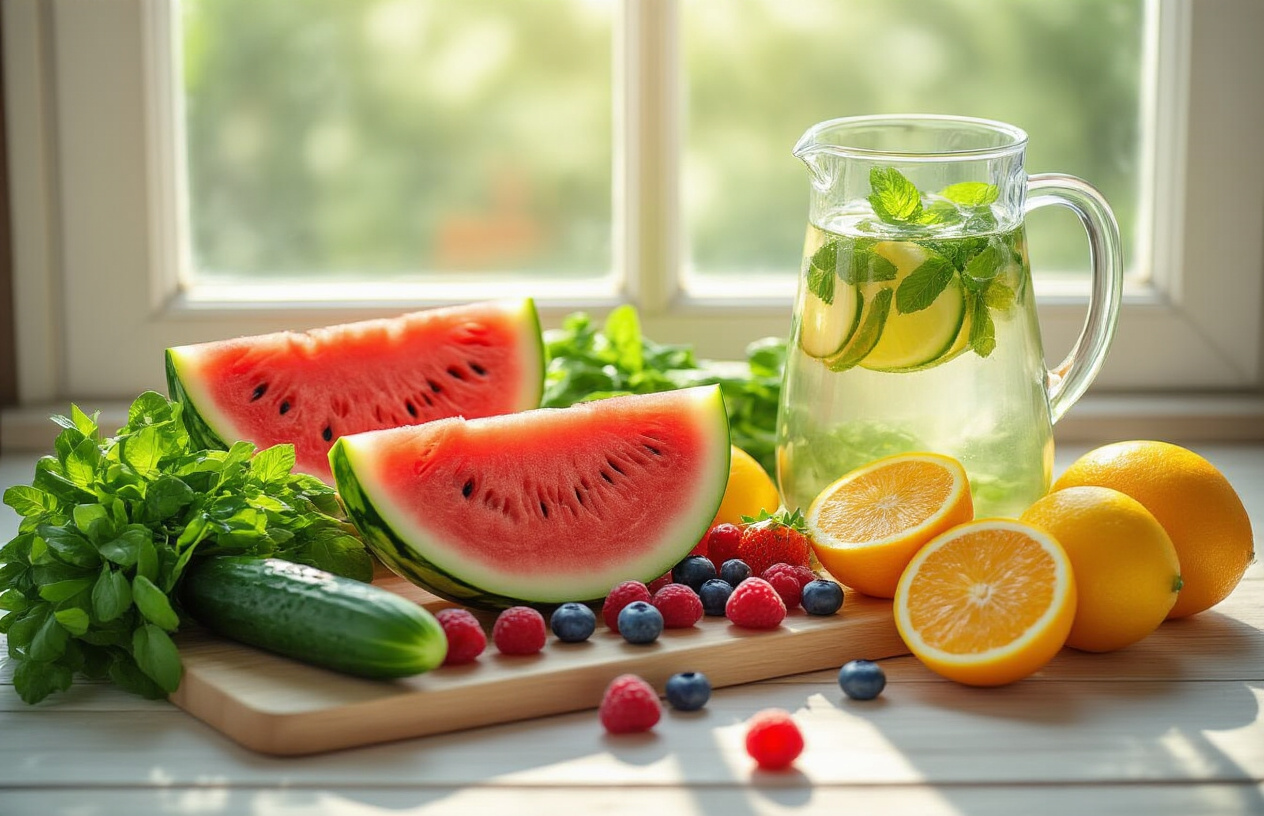
Cooling foods that regulate your internal temperature
Your body works overtime during summer months to maintain its ideal temperature, and the right seasonal foods can be your greatest allies in this process. Nature provides precisely what you need when you need it most – cooling foods that help regulate your internal thermostat without requiring extra energy from your digestive system.
Raw vegetables become your cooling superstars during hot weather. Cucumber, lettuce, celery, and radishes contain natural compounds that help lower your body temperature from the inside out. These seasonal foods promote circulation and support your body’s natural cooling mechanisms through perspiration and improved blood flow.
Your seasonal eating approach should embrace foods with naturally cooling properties, such as mint, cilantro, and parsley. These herbs don’t just add flavor – they actively help your body manage heat stress. Mint tea, for example, creates a cooling sensation that lasts long after you’ve finished drinking it.
Stone fruits like peaches, plums, and apricots offer natural cooling benefits while providing the energy you need for active summer days. Their high water content and natural sugars give you sustained energy without the heavy feeling that comes from rich, warming foods better suited for colder months.
Incorporating these cooling seasonal foods into your intuitive nutrition practice means listening to your body’s craving for fresh, light options when temperatures rise.
High-water content fruits and vegetables for optimal hydration
Summer’s abundant produce naturally provides the hydration your body craves during warmer months. Your seasonal nutrition guide should prioritize fruits and vegetables that are essentially nature’s water bottles, delivering both fluid and essential nutrients in perfect harmony.
Watermelon leads the pack with over 90% water content, making it an ideal choice for your seasonal diet approach. Beyond hydration, it provides lycopene and citrulline, compounds that support your body’s natural cooling and recovery processes. Cantaloupe and honeydew offer similar benefits while adding variety to your seasonal meal planning.
Your summer eating strategy should include water-rich vegetables like zucchini, tomatoes, and bell peppers. These seasonal foods provide hydration while delivering vitamins and minerals that get depleted through increased sweating. Zucchini, in particular, becomes incredibly versatile in summer cooking – you can spiralize it into noodles, add it to salads, or blend it into cooling gazpacho.
Berries deserve special attention in your seasonal eating routine. Strawberries, blueberries, and raspberries combine high water content with antioxidants that protect your skin from summer sun damage while keeping you hydrated.
| High-Water Fruits | Water Content | Additional Benefits |
|---|---|---|
| Watermelon | 92% | Lycopene, natural electrolytes |
| Cantaloupe | 90% | Beta-carotene, potassium |
| Strawberries | 91% | Vitamin C, antioxidants |
| Peaches | 89% | Vitamin A, natural sugars |
Light meals that maintain energy without causing sluggishness
Your body’s natural rhythms during summer call for lighter fare that energizes rather than weighs you down. Heavy, warming meals that feel perfect in winter become counterproductive when your digestive system needs to work efficiently in heat while supporting your body’s cooling efforts.
Raw salads become your energy powerhouses when you build them thoughtfully. Start with leafy greens as your base, then add protein through nuts, seeds, or lean proteins like grilled chicken or fish. The key is creating meals that provide sustained energy without requiring excessive digestive energy that generates internal heat.
Cold soups represent the perfect marriage of nutrition and temperature regulation in your seasonal foods repertoire. Gazpacho, cucumber soup, and chilled avocado soup deliver nutrients in easily digestible forms while helping cool your body temperature. These meals align perfectly with the eating with the seasons principles.
Your summer meal structure should shift toward smaller, more frequent meals rather than three large ones. This approach prevents the energy dips that come from heavy meals while maintaining steady blood sugar levels throughout active summer days.
Consider grain salads as your go-to option for satisfying meals that won’t leave you sluggish. Quinoa salads with fresh herbs, vegetables, and a light vinaigrette provide complete protein and complex carbohydrates without the heaviness of hot grains. These meals support your traditional seasonal eating approach while meeting modern nutritional needs.
Smoothie bowls offer another excellent option for light yet nourishing meals. Blend seasonal fruits with leafy greens and top with nuts, seeds, and fresh fruit for a meal that’s both cooling and energizing.
Fall Foods That Build Strength and Prepare for Winter
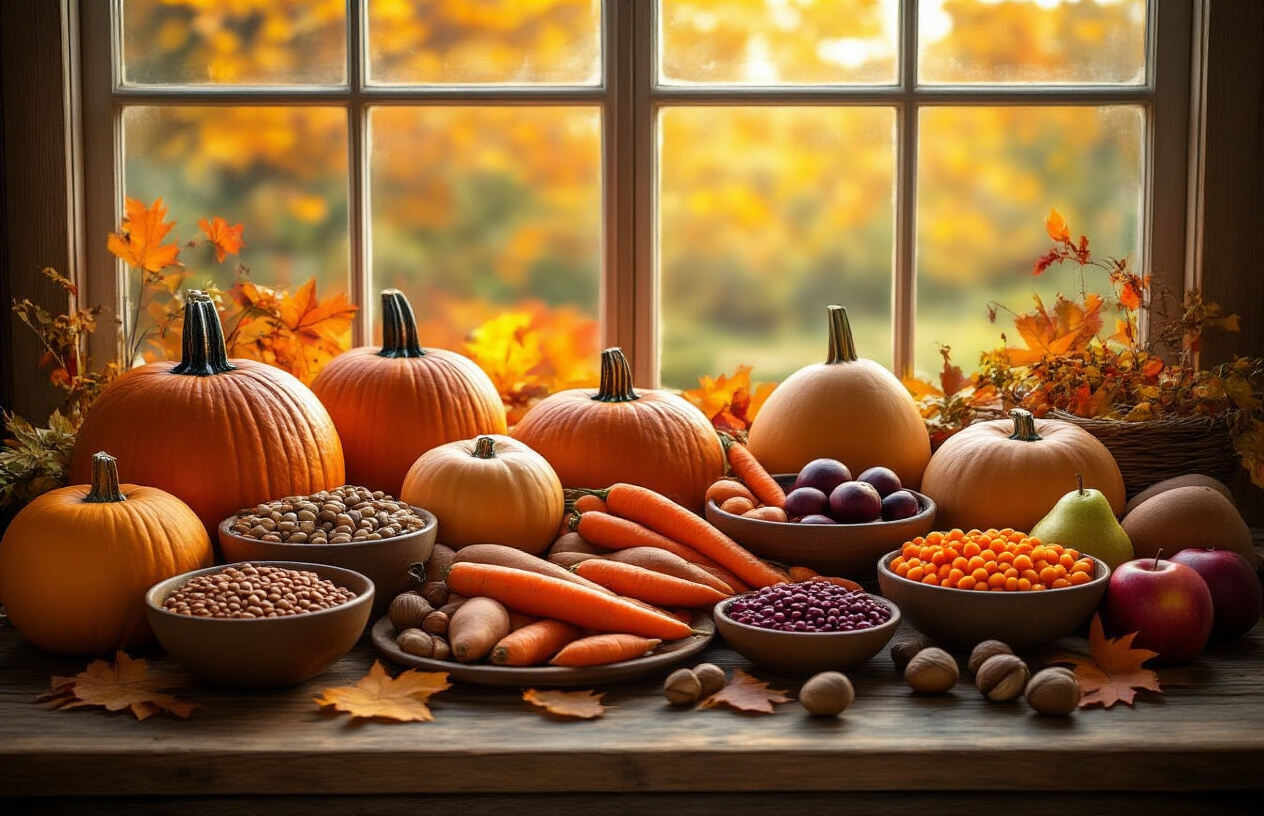
Root Vegetables and Warming Spices for Grounding Energy
Your body naturally craves stability and warmth as temperatures drop, and root vegetables provide exactly this grounding energy. Think sweet potatoes, carrots, beets, turnips, and parsnips – these earthy treasures grow deep underground, absorbing minerals that help anchor your system during seasonal transitions.
When you incorporate seasonal foods like these roots into your meals, you’re working with nature’s perfect timing. Sweet potatoes offer beta-carotene for immune support, while beets provide nitrates that boost circulation when your body needs extra warmth. Carrots deliver fiber and natural sweetness that satisfies cravings without overwhelming your digestive system.
Warming spices become your best allies during fall’s cooler days. Cinnamon helps regulate blood sugar while adding comforting warmth to your dishes. Ginger stimulates circulation and digestion, making it perfect for preparing heartier autumn meals. Turmeric brings anti-inflammatory benefits wrapped in golden, earthy flavor.
Create nourishing combinations by roasting root vegetables with olive oil, rosemary, and thyme. Add warming spices to your morning oatmeal or evening tea. These foods literally warm you from the inside out, supporting your body’s natural seasonal eating rhythms while providing the steady, grounding energy your nervous system craves as daylight shortens.
Healthy Fats That Support Immune System Preparation
Your immune system kicks into high gear, preparing for winter’s challenges, and healthy fats provide the essential building blocks it needs. Omega-3 fatty acids become particularly important during fall, helping reduce inflammation while supporting your body’s natural defense mechanisms.
Wild-caught salmon, sardines, and mackerel offer concentrated omega-3s that strengthen cell membranes and support immune function. Plant-based options like walnuts, flaxseeds, and chia seeds provide alpha-linolenic acid, which your body converts to protective compounds.
Avocados deserve special attention during the autumn months. Their monounsaturated fats help your body absorb fat-soluble vitamins A, D, E, and K – nutrients that become even more critical as sunlight decreases. The creamy texture and mild flavor make avocados perfect additions to warming soups and hearty salads.
Don’t overlook coconut oil’s medium-chain triglycerides, which provide quick energy while supporting immune function. Use it for roasting vegetables or blending into warm beverages. Olive oil remains a cornerstone, offering antioxidants and anti-inflammatory compounds that protect against seasonal stress.
Your seasonal nutrition guide should include these fats daily. They help maintain hormone balance, support brain function during shorter days, and provide the sustained energy your body needs for fall’s increased activity levels.
Protein-Rich Foods That Build Winter Resilience
Building winter resilience starts with adequate protein intake throughout fall. Your body uses these amino acids to create antibodies, repair tissues damaged by seasonal stress, and maintain muscle mass when outdoor activity naturally decreases.
Focus on warming protein sources that align with seasonal eating principles. Grass-fed beef, lamb, and wild game provide complete amino acid profiles plus iron and B vitamins. These nutrients become especially important as your body prepares for winter’s increased energy demands.
Legumes offer plant-based protein, fiber, and complex carbohydrates. Black beans, lentils, and chickpeas create satisfying, warming meals when combined with seasonal vegetables and spices. Their versatility makes them perfect for hearty stews and comforting soups that define autumn cooking.
Bone broth deserves special recognition for fall nutrition. Simmering bones for hours extracts collagen, minerals, and amino acids in easily digestible form. The warming liquid supports joint health, digestive function, and provides deep nourishment your body craves as temperatures drop.
Eggs from pasture-raised hens offer complete protein plus choline for brain health. Their versatility allows easy incorporation into seasonal meal planning – scrambled with autumn vegetables, hard-boiled for portable nutrition, or baked into warming breakfast dishes.
Complex Carbohydrates for Sustained Energy Storage
As winter approaches, your body naturally shifts toward storing energy, making complex carbohydrates essential for sustained vitality. Unlike simple sugars, which cause energy spikes and crashes, these nutrient-dense carbs provide steady fuel while supporting your body’s natural rhythms.
Winter squash varieties – butternut, acorn, delicata, and kabocha – offer complex carbohydrates paired with vitamins A and C. Their natural sweetness satisfies cravings while providing steady energy release. Roasting concentrates their flavors and creates comforting dishes perfect for cooler weather.
Ancient grains like quinoa, wild rice, and steel-cut oats provide sustained energy plus protein and fiber. These whole grains support stable blood sugar levels, preventing the energy dips that can leave you feeling depleted during seasonal transitions. Their hearty textures make satisfying foundations for autumn meals.
Apples and pears represent fall’s perfect carbohydrate sources. Their fiber slows the absorption of sugar while providing natural sweetness and hydration. The pectin in these fruits supports digestive health, which seasonal dietary changes can challenge.
Your eating with the seasons approach should emphasize these complex carbohydrates as primary energy sources. They fuel your body’s preparation for winter while satisfying the natural desire for heartier, more substantial foods that autumn brings.
Winter Eating Strategies for Warmth and Deep Nourishment
Warming Cooking Methods That Enhance Nutrient Absorption
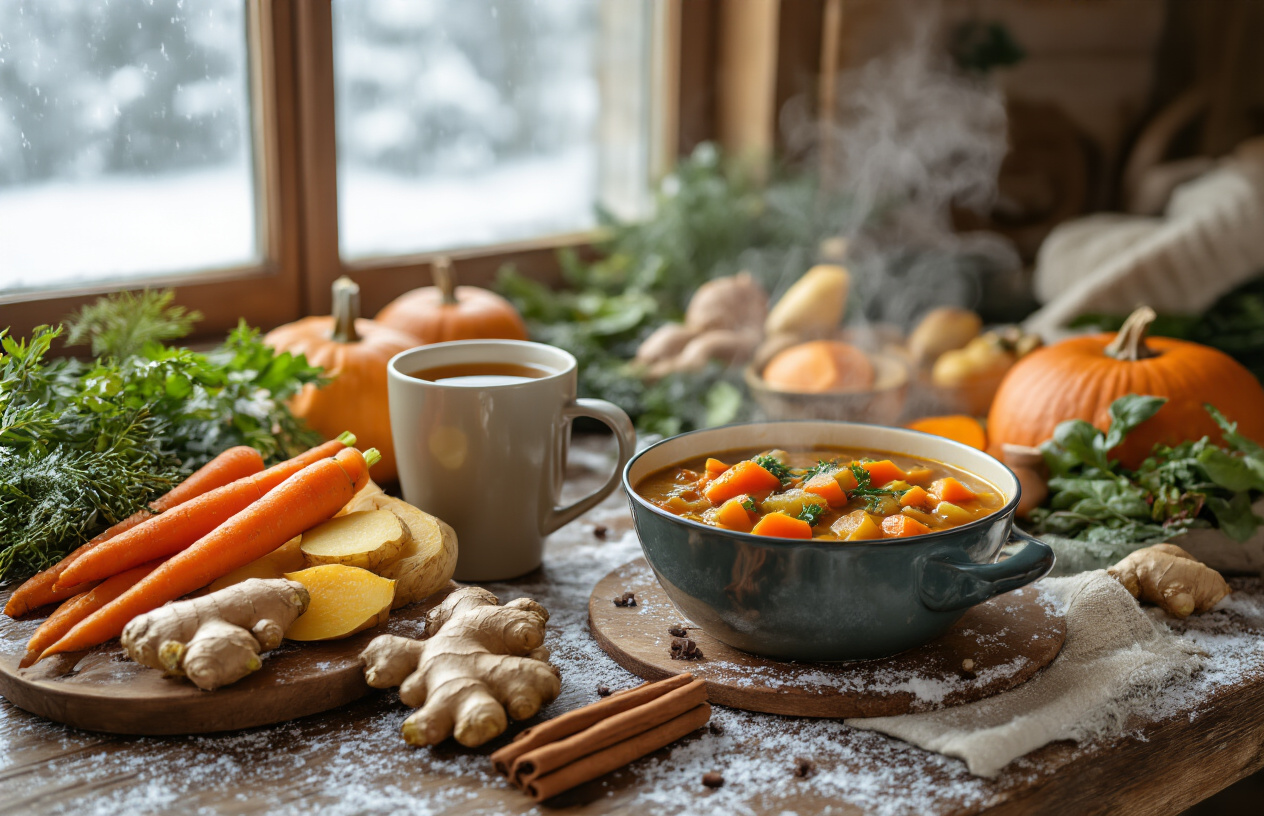
Winter asks your body to work harder to maintain warmth, which means you need cooking methods that maximize both heat generation and nutrient availability. Slow-cooking techniques like braising, roasting, and simmering transform tough winter vegetables and proteins into deeply nourishing meals while breaking down cellular walls to make nutrients more bioavailable.
When you roast root vegetables at moderate temperatures (around 375°F), you caramelize their natural sugars while preserving heat-sensitive vitamins. This gentle heat exposure helps your digestive system absorb more minerals, such as iron and magnesium. Braising meats and hardy vegetables creates collagen-rich broths that support joint health and provide sustained energy.
Pressure cooking becomes your winter ally, reducing cooking times while maintaining nutrient density. You’ll find that beans, grains, and tough cuts of meat become tender and more digestible, making them perfect for your body’s increased protein needs during colder months. Steam-sautéing vegetables in small amounts of water preserves water-soluble vitamins while adding the warmth your system craves.
Avoid raw foods during winter’s peak – they require extra energy to digest and can cool your internal temperature. Your seasonal eating approach should embrace these warming methods that align with your body’s natural rhythms and energy conservation needs.
Hearty Soups and Stews That Provide Lasting Satisfaction
Your winter nutrition strategy centers around one-pot meals that combine multiple food groups into satisfying, warming dishes. Soups and stews offer the perfect vehicle for seasonal foods while providing the sustained energy your body needs during shorter days and longer nights.
Build your winter soups around bone broth or vegetable stocks simmered for hours. These liquid foundations carry minerals directly to your cells while warming you from the inside out. Add protein-rich legumes like lentils, chickpeas, or white beans – they provide steady energy release and help stabilize blood sugar during winter’s natural tendency toward comfort food cravings.
Layer in seasonal vegetables like butternut squash, sweet potatoes, carrots, and parsnips. These orange and yellow vegetables supply beta-carotene and natural sugars that satisfy your body’s increased carbohydrate needs. Dark leafy greens like kale or collards add iron and folate while cooking down into silky textures.
Your stews should include warming spices that boost circulation and metabolism. Ginger, cinnamon, cardamom, and turmeric don’t just add flavor – they actively support your immune system and help your body generate heat from within. A tablespoon of coconut oil or grass-fed butter adds essential fats that help you absorb fat-soluble vitamins and maintain steady energy.
Immune-Boosting Foods That Protect Against Seasonal Illness
Winter challenges your immune system with dry air, reduced sunlight, and closer indoor quarters with others. Your seasonal nutrition guide should prioritize foods that strengthen your natural defenses while supporting the deeper nourishment your body needs during this restorative season.
Citrus fruits peak during winter months, providing vitamin C when you need it most. Oranges, grapefruits, and lemons offer more than just immune support – they add brightness to heavy winter meals and help your body absorb iron from plant sources. Pair them with warming spices like ginger in teas or add segments to hearty grain salads.
Fermented foods become essential during winter’s eating with the seasons approach. Sauerkraut, kimchi, miso, and yogurt introduce beneficial bacteria that support gut health, where 70% of your immune system resides. These foods aid the digestion of heavier winter fare while maintaining the microbial diversity that protects against seasonal illness.
Mushrooms deserve special attention in your winter diet. Shiitake, maitake, and reishi varieties contain beta-glucans that directly enhance immune function. Add them to your soups and stews, or use mushroom powder as a savory seasoning. Their umami flavor satisfies cravings while delivering medicinal compounds.
Garlic and onions should appear in most of your winter meals. These allium family vegetables contain sulfur compounds that support liver detoxification and possess natural antimicrobial properties. Slow-cook them into soups or roast them whole for sweet, mellow flavors that complement your traditional seasonal eating patterns.
Practical Steps to Implement Seasonal Eating in Your Daily Life
Shopping strategies for finding seasonal produce year-round
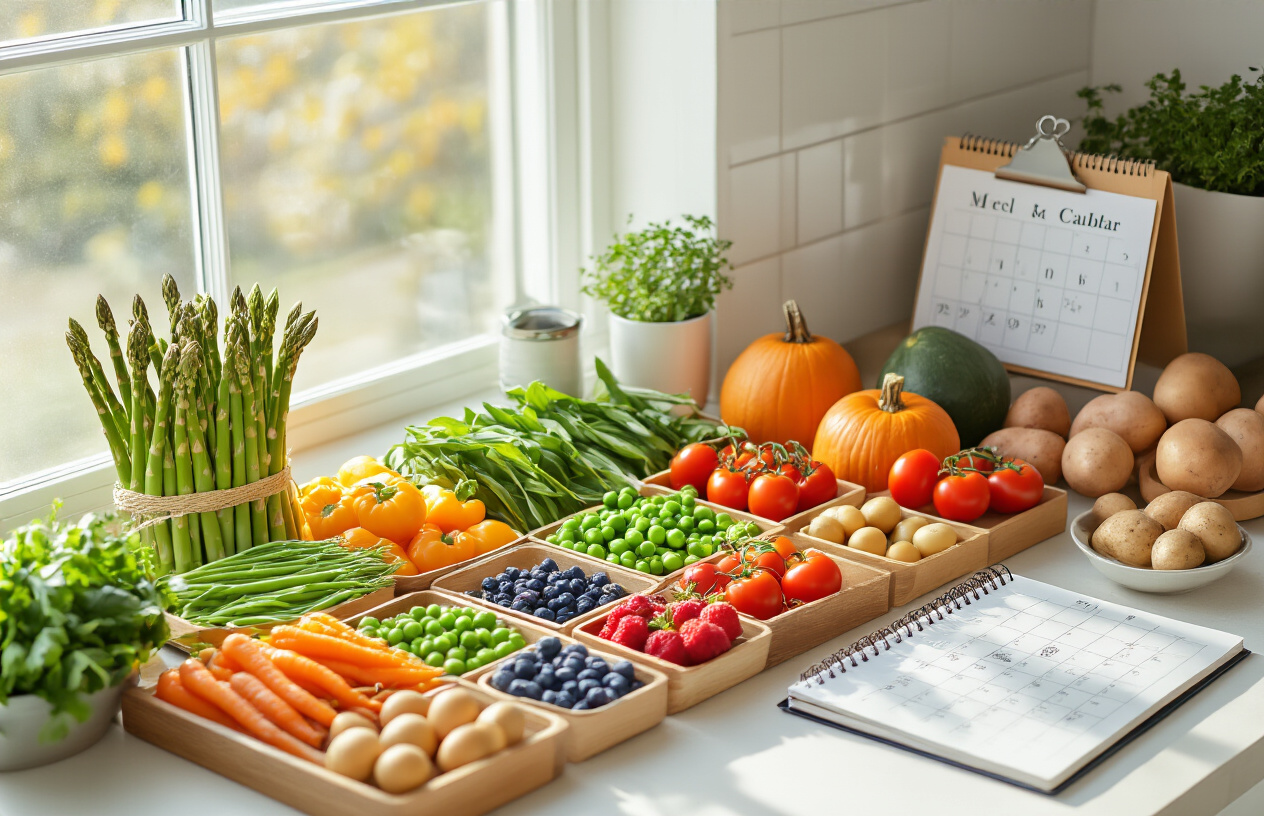
Your success with seasonal eating starts at the grocery store or farmer’s market. Start by familiarizing yourself with what grows naturally in your region during each season. Spring brings tender greens like arugula and spinach, while summer offers abundant tomatoes, berries, and stone fruits. Fall delivers hearty root vegetables and winter squashes, and winter provides citrus fruits and stored grains.
Visit local farmers’ markets regularly – they’re your best resource for truly seasonal foods. The vendors can tell you exactly when their produce was harvested and share preparation tips you won’t find anywhere else. Many markets also offer seasonal produce guides or apps that help you identify what’s currently in peak season.
When shopping at conventional grocery stores, look for origin labels on produce. Items grown locally or within your climate zone are more likely to be truly seasonal. Avoid the temptation to buy strawberries in December or butternut squash in June – these out-of-season choices often lack nutrition and flavor.
Consider joining a Community Supported Agriculture (CSA) program. You’ll receive a weekly box of whatever’s currently growing on local farms, which naturally guides your seasonal meal planning. This approach removes guesswork and introduces you to vegetables you might not otherwise try.
Meal planning techniques that align with natural cycles
Your seasonal meal planning should mirror nature’s rhythm rather than fighting against it. Start each season by creating a master list of available produce, then build your weekly menus around these ingredients. This approach ensures you’re eating with the seasons while reducing food waste and grocery costs.
Plan your meals around the energy each season provides—spring calls for lighter, cleansing meals that support your body’s natural detox processes. Summer meals should be cooling and hydrating, with plenty of fresh salads and chilled soups. Fall menus can include heartier, warming dishes that help your body prepare for colder months. Winter requires deeply nourishing, warming foods that sustain energy during shorter days.
Batch cooking works particularly well for seasonal eating. Spend Sunday afternoons preparing seasonal staples – roasted root vegetables in fall, fresh herb pestos in summer, or warming bone broths in winter. These components become building blocks for quick weekday meals.
Keep a seasonal eating journal to track what works best for your body during different times of the year. Note which foods make you feel energized versus sluggish, and how your cravings change throughout the seasons. This personal data becomes invaluable for future meal planning.
Simple food preparation methods for each season
Each season calls for different cooking techniques that complement the available produce and weather conditions. Understanding these methods helps you prepare foods that truly nourish your body in line with natural cycles.
Spring preparation focuses on gentle cooking methods that preserve the delicate nutrients in young vegetables. Light steaming, quick sautéing, and raw preparations work beautifully for tender greens and early vegetables. Your goal is minimal processing that maintains the cleansing properties of spring foods.
Summer cooking emphasizes techniques that don’t heat your kitchen. Raw preparations, cold soups, grilling, and minimal cooking times keep both you and your food cool. Fermentation also thrives in warm weather – this is the perfect time to make fresh salsas, quick pickles, and probiotic-rich dishes.
Fall preparation methods become heartier and more involved. Roasting, braising, and slow cooking help concentrate flavors in mature vegetables while creating the warming, grounding meals your body craves. This season is perfect for making large batches of soups and stews that can be frozen for winter.
Winter cooking focuses on long, slow methods that maximize warmth and nutrition. Bone broths, slow-cooked stews, and warming spices become your go-to techniques. These methods extract maximum nutrition from stored vegetables and create the deeply satisfying meals that sustain you through cold months.
How to listen to your body’s seasonal signals and cravings
Your body naturally communicates its seasonal needs through cravings, energy levels, and physical sensations. Learning to interpret these signals is crucial for successful seasonal eating. Trust that your body’s wisdom often knows what it needs before your mind catches up.
Pay attention to how your appetite changes throughout the year. Many people naturally crave lighter foods in warm weather and heartier meals when temperatures drop. Your digestion may also shift – you might handle raw foods easily in summer but prefer cooked, warm meals in winter.
Notice your energy patterns across seasons. Spring often brings natural motivation for cleaning and renewal, while winter may call for more rest and introspection. Your food choices should support these natural rhythms rather than work against them.
Physical cravings often reflect nutritional needs. Craving citrus in winter? Your body likely needs vitamin C and immune support. Wanting leafy greens in spring? Your system is probably ready for gentle detoxification. Instead of dismissing cravings as “bad,” examine what nutritional message they might contain.
Keep track of seasonal mood and energy changes. Many people experience different emotional states throughout the year, and your food choices can either support or disrupt these natural fluctuations. Seasonal eating helps stabilize mood by providing your body with the nutrients it needs for each time of year.
Remember that individual needs vary, even within seasonal guidelines. Some people feel better with warming foods even in summer, while others thrive on cooling foods year-round. The key is finding your personal balance within the broader framework of seasonal eating principles.
Your body naturally craves different foods throughout the year, and there’s real wisdom in following these seasonal patterns. When you align your eating habits with nature’s cycles, you give your body exactly what it needs – light, detoxifying greens in spring, cooling foods during hot summer months, grounding root vegetables in fall, and warming, hearty meals when winter arrives. This approach doesn’t just support your physical health; it helps you feel more connected to the natural world around you.
Start small by adding one seasonal food to your meals each week, and pay attention to how your body responds. Visit local farmers’ markets to see what’s naturally growing in your area, and trust your instincts about what sounds appealing. Your body already knows what it needs – seasonal eating helps you listen more closely to those signals and honor them with every bite you take.
For more soulful stories and mindful living insights, explore The Zen Blog — your space for travel reflections, wellness tips, and everyday calm.
✨ Join The Zen Journal community — get fresh yoga and wellness insights straight to your inbox ✨