
“Morning Yoga Routine for Energy” 15minute flow to start your day right
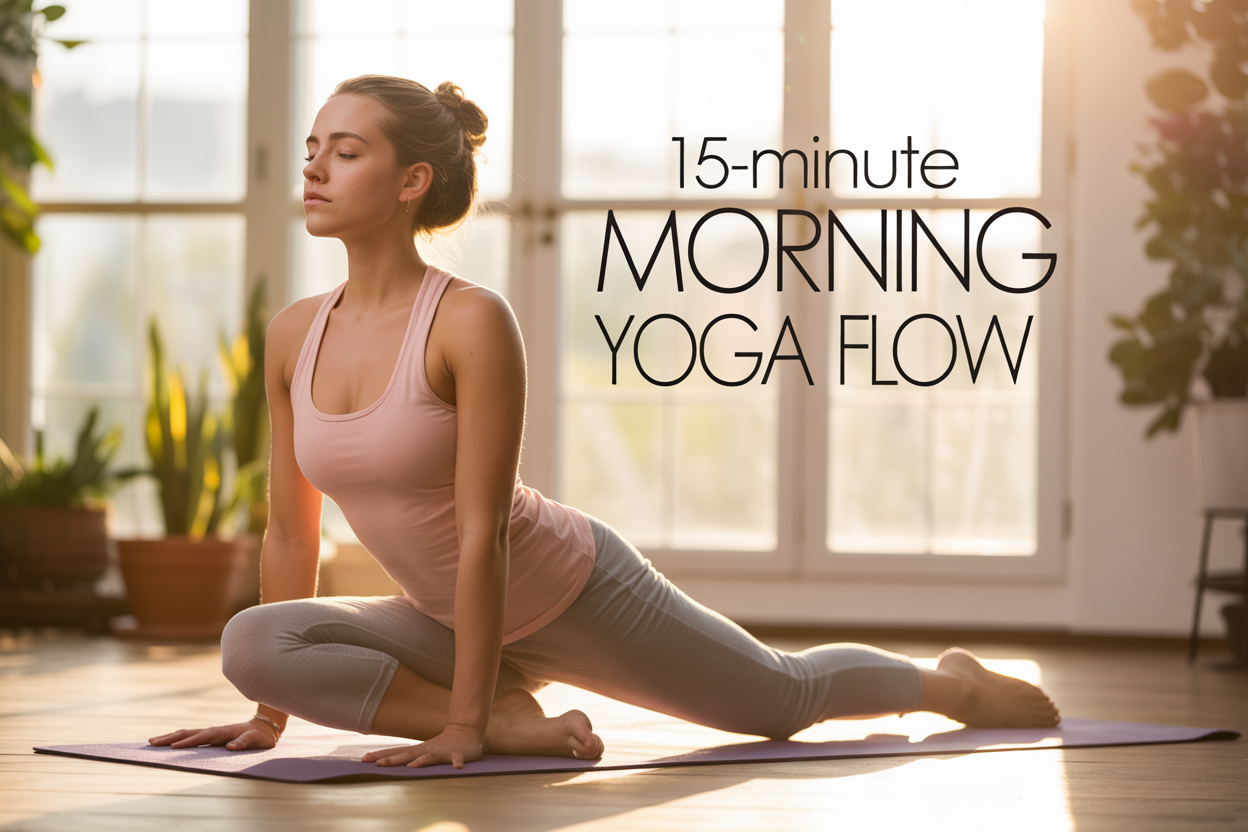
Starting your morning with a 15-minute yoga flow can transform how you feel and perform throughout your entire day. This morning yoga routine for energy is perfect for busy professionals, parents, students, and anyone who wants to replace that groggy feeling with natural vitality and focus.
You don’t need to be flexible or experienced to benefit from this energizing practice. Even 15 minutes of intentional movement and breathing can boost your mood, improve circulation, and sharpen your mental clarity before you tackle your daily responsibilities.
In this guide, you’ll discover the science-backed benefits of morning yoga and how it creates lasting energy without caffeine crashes. We’ll walk you through the complete 15-minute energy flow sequence, including dynamic warm-ups and powerful standing poses that wake up your entire body. You’ll also learn practical tips for customizing your practice based on your energy needs and creating a sustainable morning routine that actually sticks.
Ready to ditch the snooze button and start your days feeling amazing? Let’s dive into building your perfect morning yoga practice.
Morning Yoga Routine for Energy: Step‑by‑Step Flow
Increases mental clarity and focus
Your brain craves oxygen and movement after hours of sleep, and yoga delivers both in perfect harmony. When you practice morning yoga, you’re essentially giving your mind a premium fuel injection. The combination of deep breathing and gentle movement increases blood flow to the brain, creating a natural wake-up call that beats any cup of coffee.
The mindful attention required during yoga poses trains your brain to stay present and focused. This mental training carries over into your workday, helping you tackle tasks with laser-sharp concentration. Studies show that regular yoga practitioners demonstrate improved cognitive function, better decision-making abilities, and enhanced problem-solving skills throughout the day.
The breathing techniques used in morning yoga activate your parasympathetic nervous system, which calms mental chatter and reduces anxiety. This creates space for clear thinking and creative insights to emerge naturally.
Boosts metabolism and circulation naturally
Morning yoga acts like a gentle ignition switch for your body’s metabolic engine. The flowing movements and poses stimulate your digestive system, encouraging healthy elimination and nutrient absorption. Your internal organs get a massage through twisting poses and forward folds, promoting optimal function throughout the day.
The physical practice increases your heart rate gradually, improving cardiovascular health without the jarring shock of high-intensity exercise. This gentle awakening helps your body transition smoothly from rest to activity mode.
Dynamic poses like Sun Salutations create internal heat, which jump-starts your metabolism and keeps it elevated for hours. Your circulation improves as blood flows more freely to all parts of your body, delivering oxygen and nutrients where they’re needed most.
Reduces stress hormones like cortisol
Cortisol levels naturally peak in the morning as part of your body’s wake-up mechanism, but chronic stress can keep these levels dangerously high. Morning yoga provides a powerful reset button for your stress response system.
The meditative aspects of yoga trigger the release of feel-good neurotransmitters like serotonin and GABA, which naturally counteract stress hormones. Deep breathing activates the vagus nerve, signaling your body to shift from fight-or-flight mode into a calm, balanced state.
Regular morning practice helps regulate your circadian rhythm, leading to better sleep quality and more balanced hormone production. This creates a positive cycle where you wake up feeling more rested and less stressed, making it easier to handle daily challenges with grace.
Enhances physical flexibility and strength
Your body wakes up stiff and compressed after hours of lying in bed. Morning yoga gently coaxes your muscles, joints, and connective tissues back to life. The gradual stretching helps decompress your spine and release tension that accumulates overnight.
Dynamic sequences build functional strength while improving flexibility simultaneously. Unlike static stretching, yoga poses require stability and control, which strengthens supporting muscles and improve overall body awareness.
The weight-bearing nature of many yoga poses helps maintain bone density and joint health. Regular practice enhances your range of motion, making everyday activities easier and reducing injury risk. Your posture improves as tight hip flexors lengthen and weak back muscles strengthen, setting you up for better alignment throughout the day.
Essential Preparation for Your 15-Minute Flow
Create a calm and distraction-free space
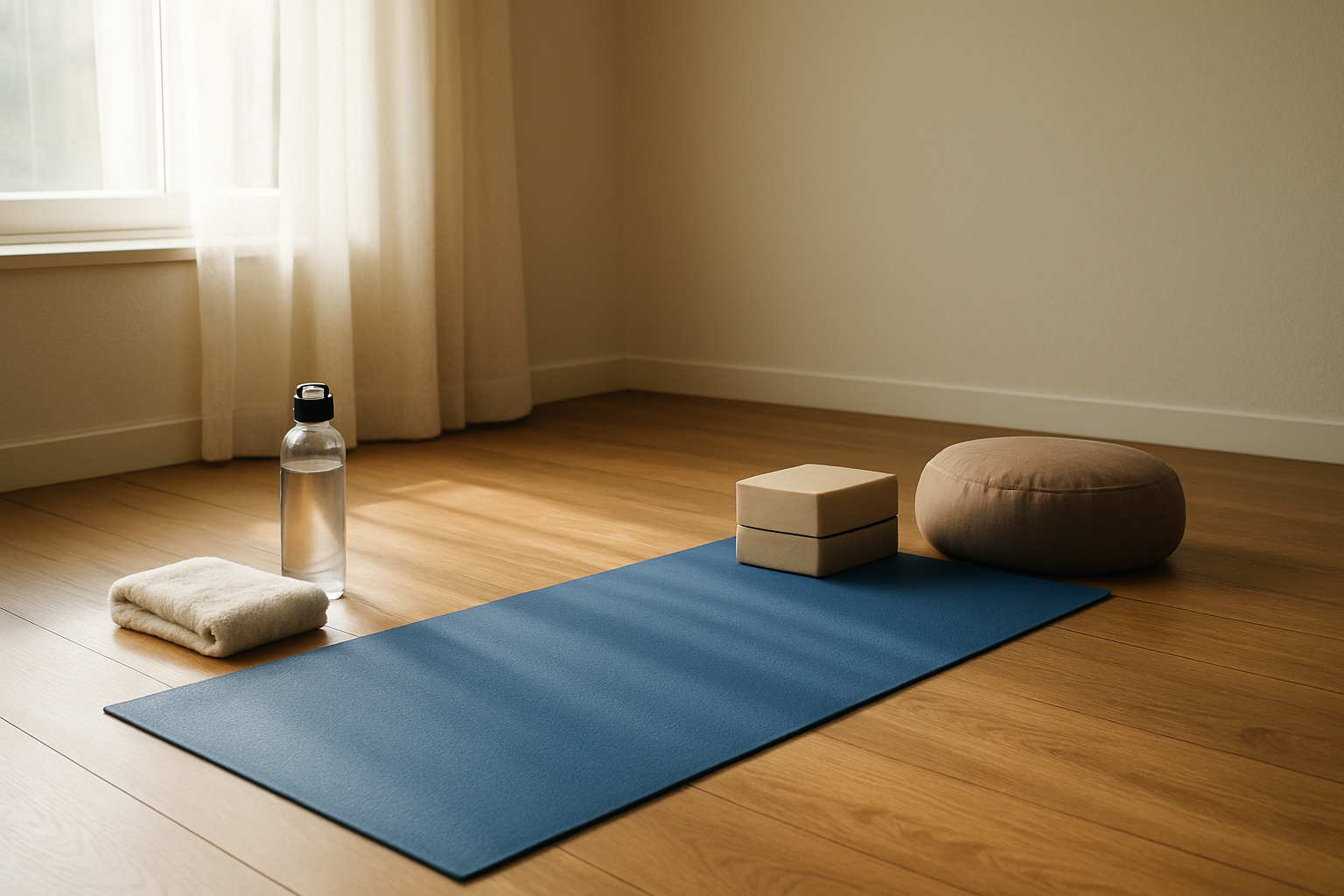
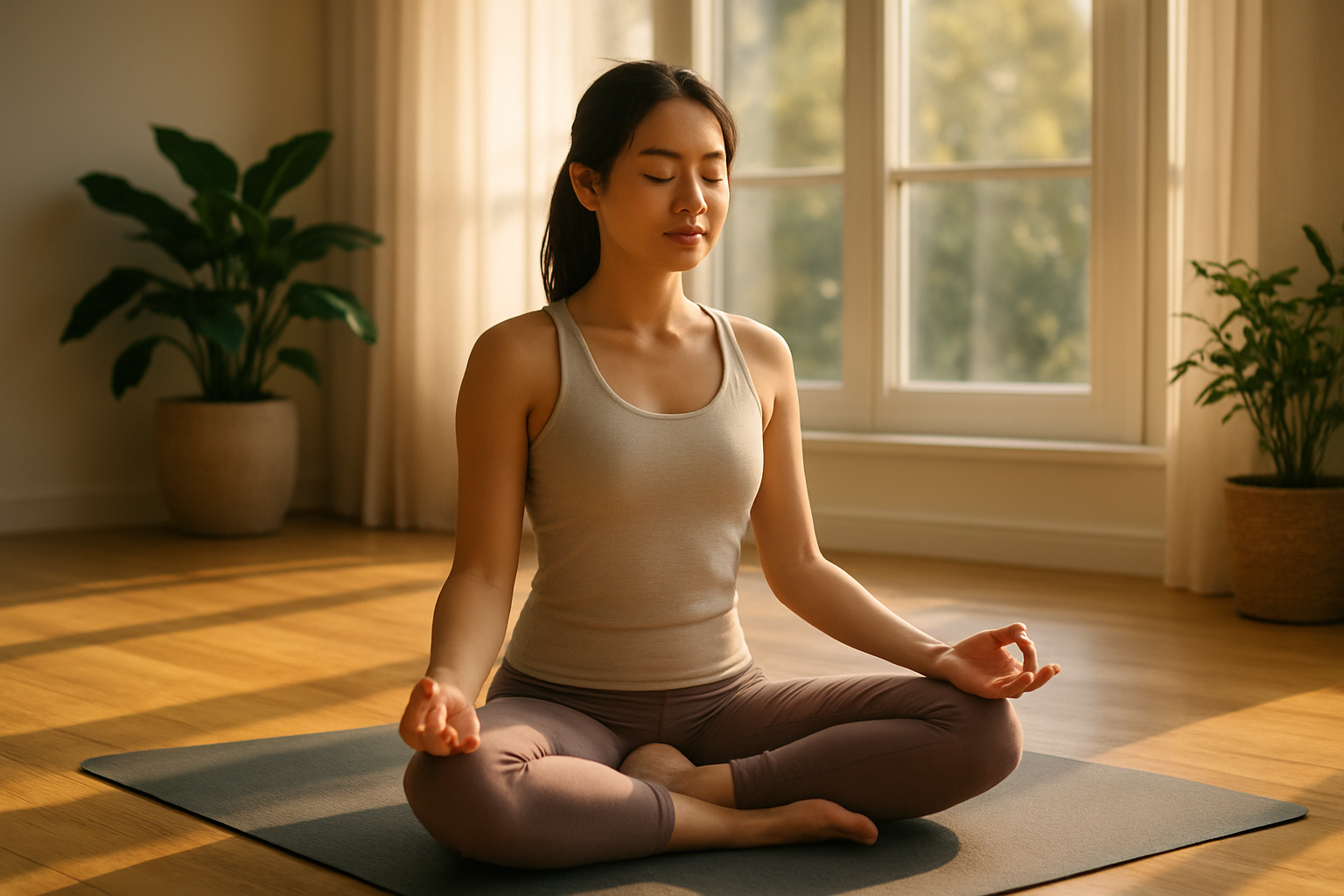
Your yoga practice deserves a sanctuary where you can focus entirely on connecting with your body and breath. Choose a quiet corner of your home with enough space to extend your arms and legs freely in all directions – typically, a 6×6 foot area works perfectly. Natural light streaming through a window can energize your morning routine, but avoid direct sunlight that might create uncomfortable heat or glare.
Turn off your phone or switch it to silent mode, and let household members know you need these precious 15 minutes undisturbed. A cluttered environment creates a cluttered mind, so clear away any unnecessary items from your practice area. The floor should be level and non-slip – hardwood, tile, or even carpet works well with the right yoga mat.
Consider the temperature of your room. A slightly cool environment around 68-72°F allows your body to warm up naturally through movement without overheating. If possible, crack open a window for fresh air circulation, which helps maintain alertness and provides the oxygen your muscles need during practice.
Gather necessary props and equipment
A high-quality yoga mat forms the foundation of your practice, providing stability and cushioning for your joints. Look for a mat with a good grip that’s at least 68 inches long and 24 inches wide. If you’re practicing on a hard surface, a mat with 6-8mm thickness offers optimal comfort.
Keep these helpful props within arm’s reach:
- Yoga blocks (2 pieces) – These support proper alignment in poses like forward folds and seated positions when flexibility is limited
- Yoga strap – Assists with binding poses and helps extend your reach in stretches
- Blanket – Provides warmth during final relaxation and can serve as extra cushioning
- Water bottle – Stay hydrated, especially if you tend to sweat during morning practice
- Towel – Keeps your hands and mat dry for better grip
Don’t stress if you don’t own specialized yoga props. Household items work wonderfully as substitutes. Thick books replace blocks, a belt or scarf works instead of a strap, and pillows provide extra support when needed.
Set energizing intentions for the day
Before moving into your first pose, take a moment to connect with why you’re practicing. Setting an intention differs from goal-setting – it’s about cultivating a quality or mindset you want to carry throughout your day. Your intention might be finding patience during challenging moments, embracing confidence in an important meeting, or simply staying present with whatever unfolds.
Close your eyes and place one hand on your heart, the other on your belly. Take three deep breaths and ask yourself: “How do I want to feel today?” or “What energy do I want to bring into the world?” Common morning intentions include:
- Gratitude – Appreciating what you already have
- Courage – Facing challenges with bravery
- Compassion – Treating yourself and others with kindness
- Focus – Maintaining clarity on what matters most
- Joy – Finding lightness even in serious situations
Speak your intention silently or aloud. Let it sink into your awareness like a seed planted in fertile soil. Return to this intention whenever your mind wanders during practice, and carry it with you as you transition into your day. This simple ritual transforms your yoga from mere physical exercise into a powerful tool for personal transformation.
Dynamic Warm-Up Sequence to Awaken Your Body
Gentle Neck and Shoulder Rolls
Start your morning flow by releasing the tension that builds up overnight. Sitting at the edge of your mat in a comfortable cross-legged position, begin with slow neck rolls. Drop your right ear toward your right shoulder, then slowly roll your chin down toward your chest, continuing the circle to the left shoulder, and finally rolling back to center. Complete 3-5 circles in each direction, moving with deliberate slowness.
Follow this with shoulder rolls to open the upper body. Lift your shoulders up toward your ears, roll them back, then down and forward in smooth circles. The key is coordinating your breath with these movements – inhale as you lift and roll back, exhale as you release forward and down. These simple movements wake up your nervous system and prepare your spine for deeper stretches ahead.
Cat-Cow Stretches for Spinal Mobility
Move into tabletop position with hands directly under shoulders and knees under hips. This foundational movement creates fluidity throughout your entire spine while connecting breath to movement. On your inhale, drop your belly toward the mat, lift your chest and tailbone up – this is cow pose. Your spine creates a gentle arch as you gaze upward.
On your exhale, press firmly into your hands, round your spine toward the ceiling, and tuck your chin toward your chest – this is cat pose. Feel each vertebra moving individually as you flow between these positions. Continue for 8-10 rounds, emphasizing the breath-movement connection. This sequence lubricates the spine, massages internal organs, and creates heat from your core.
Hip Circles and Joint Rotations
Your hips often hold the most stagnation from sleeping and sitting. From a tabletop position, bring your knees wider than hip-distance apart and begin making large circles with your hips. Start small and gradually increase the size of your circles, exploring all directions of movement. Switch directions after 5-6 circles.
Next, shift back toward child’s pose and rock gently side to side, allowing your hips to open naturally. Come back to the tabletop and try ankle circles – lift one foot off the ground and rotate your ankle in both directions. These movements awaken the major joints and create space where you need it most for the standing poses that follow.
Deep Breathing Exercises
Breathing sets the foundation for your entire practice. Sit comfortably and place one hand on your chest, one on your belly. Take slow, deep breaths through your nose, feeling your belly rise on the inhale and gently contract on the exhale. This diaphragmatic breathing activates your parasympathetic nervous system and creates focus.
Try a few rounds of the three-part breath: inhale into your belly, then ribs, then chest. Exhale in reverse order – chest, ribs, belly. This conscious breathing oxygenates your blood, calms your mind, and prepares you for more dynamic movements. Spend 2-3 minutes here, allowing each breath to energize and center you for the flow ahead.
Energizing Standing Poses for Power and Stability
Warrior Poses for Strength and Confidence
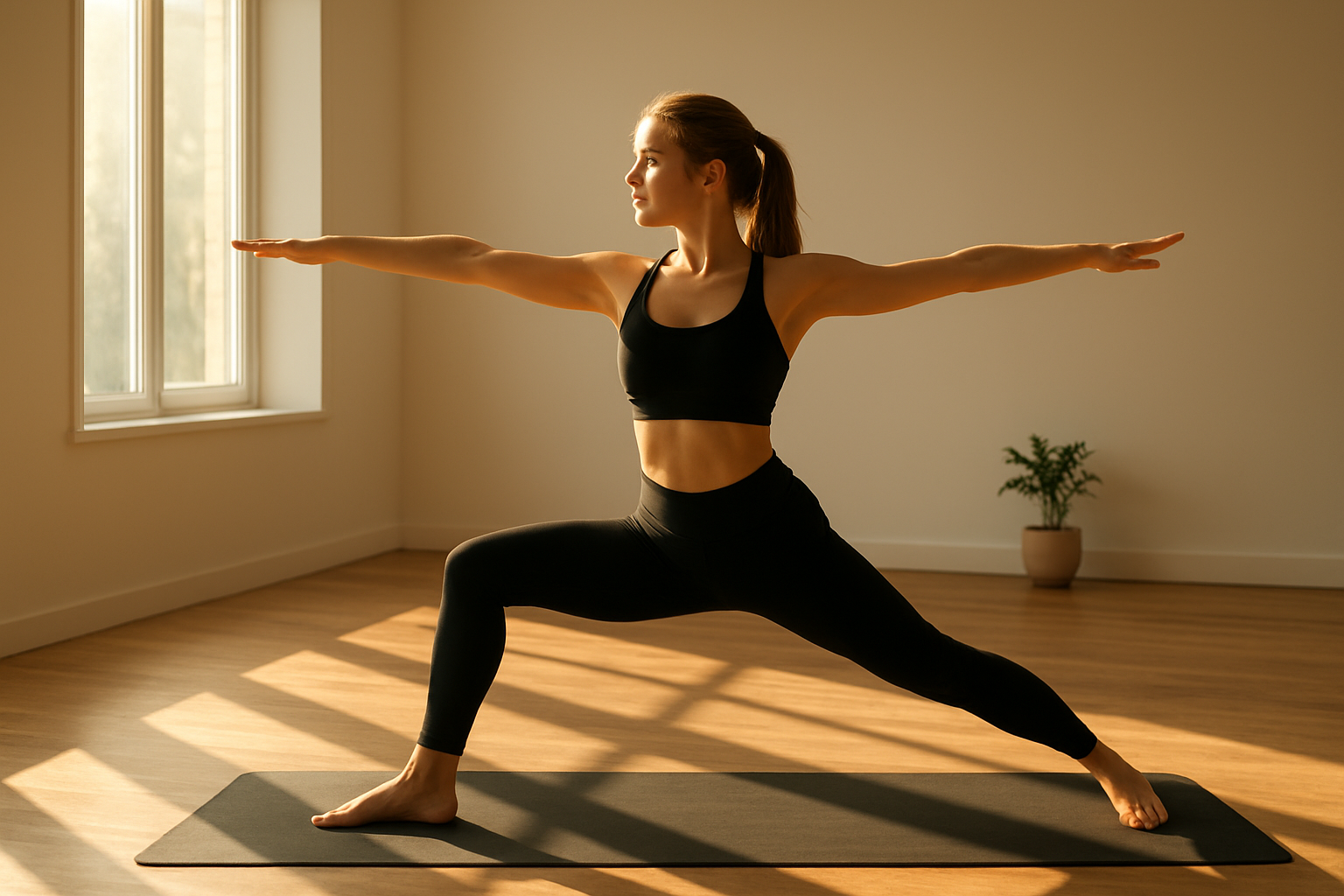
Warrior poses are the backbone of any energizing morning practice, building both physical strength and mental resilience that carry you through your day. Start with Warrior I by stepping your left foot back three to four feet, turning it out at a 45-degree angle while keeping your right foot pointing forward. Bend your right knee directly over your ankle and sweep your arms overhead. Feel the power surge through your legs as you ground down through both feet while reaching up through your fingertips.
The beauty of Warrior I lies in its ability to open your hip flexors after hours of sleep while strengthening your quadriceps and glutes. Hold for five deep breaths, allowing each inhale to lift you taller and each exhale to deepen your foundation.
Flow seamlessly into Warrior II by opening your torso to the side and extending your arms parallel to the floor. Your gaze follows your front hand, creating a strong line of energy from your back fingertips through your front arm. This pose builds incredible endurance in your legs while opening your hips and chest. The mental focus required to maintain proper alignment while breathing deeply cultivates the confidence you need to tackle whatever challenges await.
Switch sides and repeat both warriors, noticing how your body feels more awake and energized with each pose. These foundational postures create stability and power that radiates from your core outward.
Mountain Pose with Mindful Breathing
Mountain Pose might appear simple, but it’s actually one of the most profound postures in yoga practice. Stand with your feet hip-width apart, distributing your weight evenly across both feet. Feel your connection to the earth as you gently engage your leg muscles and lengthen through the crown of your head.
Place your hands at your heart center and close your eyes. This is where the magic happens – your breath becomes your anchor to the present moment. Begin with natural breathing, then gradually deepen each inhale and exhale. Picture your breath as golden light filling your entire body, starting from your belly and expanding outward to your fingertips and toes.
Take at least eight conscious breaths here, using each one to scan your body from head to toe. Notice areas of tension and breathe directly into those spaces. Your spine naturally elongates as you breathe, creating space between each vertebra. This mindful breathing activates your parasympathetic nervous system, reducing morning grogginess while increasing mental clarity.
Mountain Pose with focused breathing serves as your energetic reset button. You’re programming your nervous system for calm alertness rather than rushed anxiety. When you open your eyes, you’ll feel centered and ready to move with intention rather than reactivity.
Forward Fold Variations for Blood Flow
Forward folds are like a gentle wake-up call for your circulatory system, encouraging fresh blood flow to your brain while releasing tension in your back body. Begin in Mountain Pose, then hinge at your hips to fold forward, letting your arms hang heavy toward the floor.
Don’t worry about touching your toes – that’s not the goal. Instead, focus on the lengthening sensation along your spine and the back of your legs. Bend your knees as much as needed to keep your back comfortable. This isn’t about forcing flexibility; it’s about encouraging blood flow and releasing the stiffness that accumulates overnight.
Try the ragdoll variation by holding opposite elbows and gently swaying from side to side. This creates a gentle traction for your spine while the inversion helps clear mental fog. The increased blood flow to your head naturally boosts alertness and energy levels.
For a more active variation, place your hands on your shins or a block and create a half-lift position. This strengthens your back muscles while maintaining the circulation benefits of the forward fold. Alternate between the full fold and half-lift three times, coordinating the movement with your breath.
These forward fold variations prepare your body for the day ahead by improving circulation, releasing lower back tension, and creating a sense of surrender that helps you approach challenges with flexibility rather than rigidity.
Flowing Movements to Build Heat and Focus
Balance poses for mental concentration
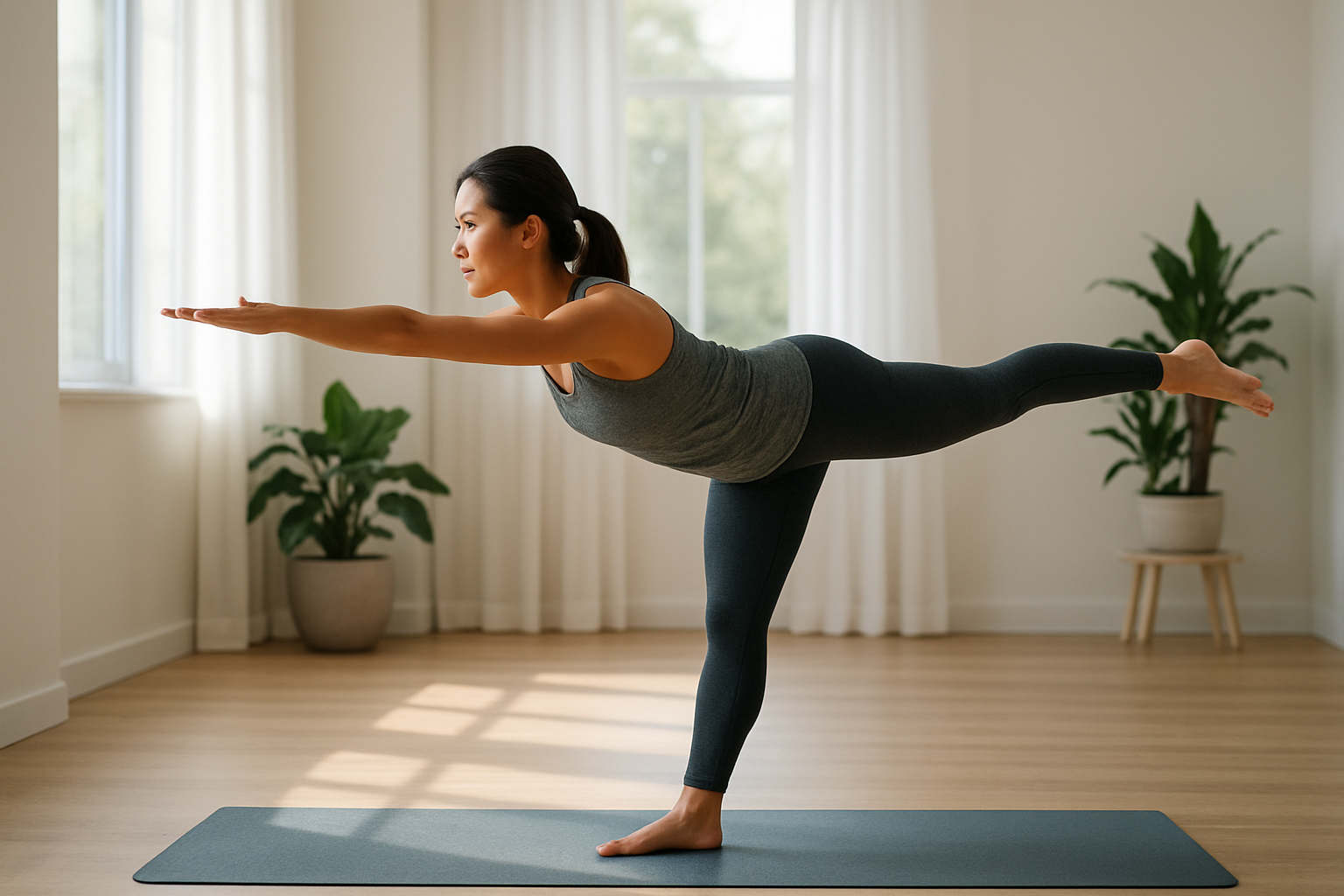
Balance poses create the perfect bridge between physical challenge and mental focus, making them ideal for building energy while sharpening your mind. Start with Tree Pose by standing on your left foot and placing your right foot against your inner thigh or calf (never on the knee). Hold for 30 seconds, then switch sides. Your gaze should be fixed on a single point about six feet in front of you – this helps train your mind to stay present.
Move into Warrior III by extending your arms forward and lifting your back leg parallel to the floor. This pose demands total body engagement and mental commitment. Hold for 15-20 seconds per side. The slight wobbling you’ll experience isn’t a mistake – it’s your nervous system actively working to find stability, which creates both physical heat and mental alertness.
Twisting poses for detoxification
Twisting movements literally wring out your internal organs like a sponge, promoting circulation and helping your body eliminate toxins that accumulate overnight. Revolved Triangle offers an intense morning detox by combining forward folding with spinal rotation. Place your left hand on the ground and reach your right arm toward the ceiling, creating a strong twist through your torso.
Twisted Lunge provides another powerful detox option. Step your right foot forward into a low lunge, then place your left elbow on your right thigh and twist your spine to the right. These poses stimulate your digestive system and liver function, helping you feel cleaner and more energized. Hold each twist for 20-30 seconds, breathing deeply to enhance the detoxifying effects.
Side stretches for core activation
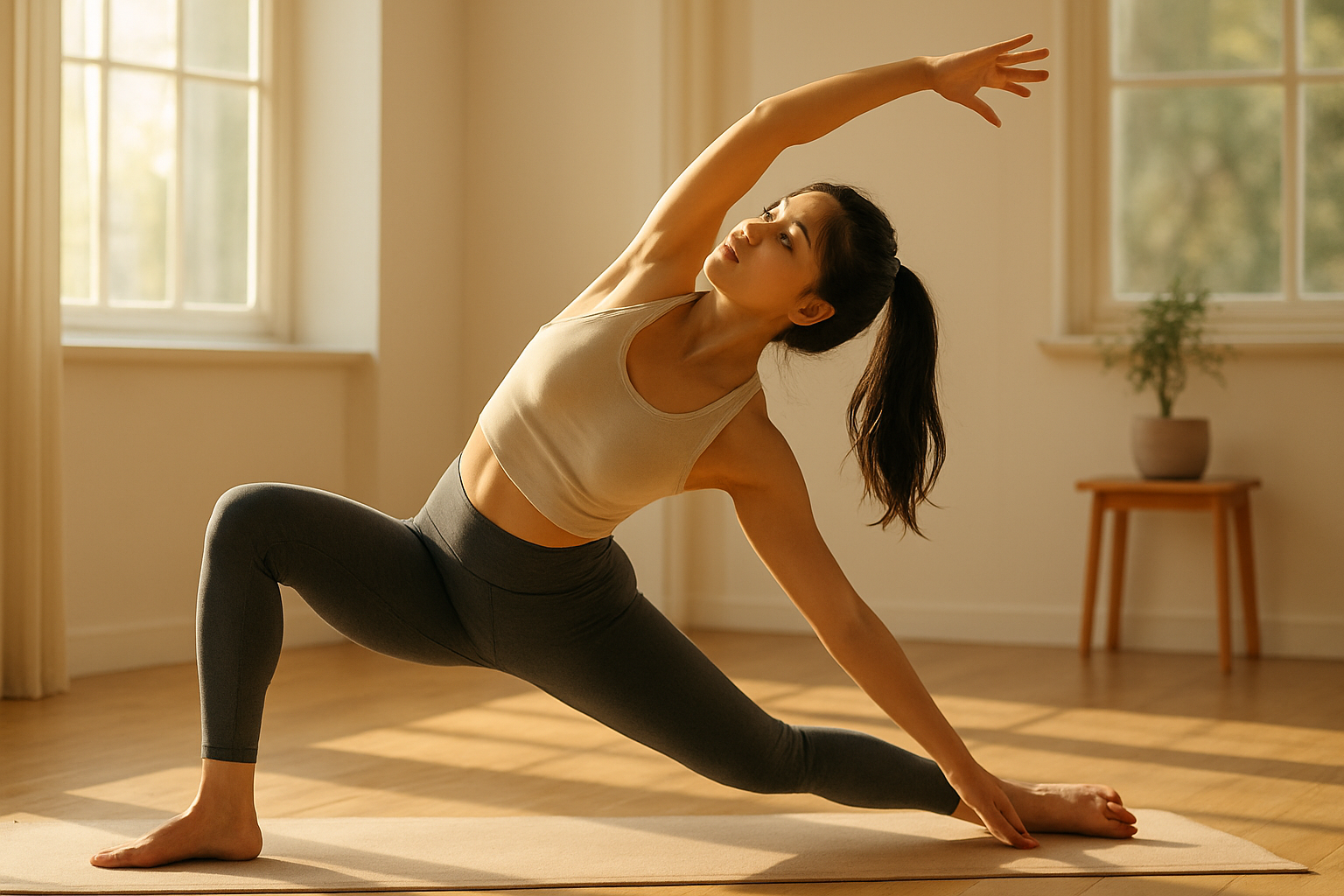
Side stretches wake up your obliques and intercostal muscles, creating space in your ribcage for deeper breathing throughout the day. Extended Side Angle stretches your entire side body while strengthening your legs and core. From Warrior II, lean your forearm onto your front thigh and reach your top arm over your head.
Standing Crescent Moon provides a gentler option that still delivers powerful results. Stand with feet hip-width apart, interlace your fingers overhead, and lean to one side. You’ll feel an immediate opening along your ribs and waist. These movements improve your posture and create the foundation for better breathing patterns that sustain your energy levels all morning long.
Sun salutation modifications
Traditional sun salutations can feel too intense first thing in the morning, but modified versions give you the same energizing benefits with gentler transitions. Replace Chaturanga with a slow lowering to your knees, chest, and chin, which builds strength without straining your shoulders. Instead of jumping back, step one foot at a time to reduce impact on your joints.
Add a Low Lunge with a twist between your standing poses to increase the heat-building potential. Hold Downward Dog for three breaths instead of one to let the inversion properly energize your nervous system. These modifications make the sequence accessible while maintaining its power to generate internal heat and focus your mind for the day ahead.
Grounding Seated Poses for Inner Peace
Gentle backbends for heart opening
After building heat and momentum through your standing sequence, it’s time to slow down and connect with your inner energy. Gentle backbends work wonders for opening your heart space and creating a sense of vulnerability and self-compassion that will serve you throughout the day.
Start with a simple seated backbend from a cross-legged position. Place your palms behind you on the ground, fingers pointing away from your body. Press down through your hands and lift your chest toward the sky, allowing your head to fall back naturally if it feels comfortable. This pose counters the forward hunching we do all day at desks and phones, creating space between your ribs and inviting deeper breaths.
Move into Camel Pose variation by coming to your knees. Place your hands on your lower back for support and gently arch backward, keeping your hips moving forward. The key here isn’t how deep you go – it’s about creating openness across your chest and shoulders while maintaining steady breathing.
These heart-opening movements positively stimulate your nervous system, releasing tension stored in your chest and shoulders. They also help balance the sympathetic nervous system, moving you from fight-or-flight mode into a more centered state where you can handle daily challenges with grace and clarity.
Hip opening stretches
Your hips are the body’s emotional storage center, and morning hip openers help release both physical tightness and mental tension that may have accumulated overnight. These poses create space in your pelvis and lower back while encouraging a deeper connection to your body’s wisdom.
Begin with the Bound Angle Pose by sitting tall and bringing the soles of your feet together. Hold your ankles and gently fold forward, breathing into any sensation you feel in your outer hips. Don’t force the stretch – let gravity do the work while you focus on softening and surrendering.
Transition into Figure Four Stretch by extending your left leg straight and placing your right ankle on your left thigh. Sit up tall and breathe into the opening sensation in your right hip. This pose targets the piriformis muscle, which often gets tight from sitting and can create lower back discomfort throughout the day.
Hip openers also have a profound emotional effect. When you create physical space in your hips, you’re also creating emotional space for whatever your day might bring. These poses cultivate patience, acceptance, and the ability to sit with discomfort – skills that translate beautifully into daily life challenges.
Seated spinal twists for digestion
Twisting poses are like giving your internal organs a gentle massage, stimulating digestion, and helping your body eliminate toxins that have built up overnight. They also create mobility in your spine, which often gets locked up during sleep.
From your seated position, extend both legs straight and then bend your right knee, placing your right foot outside your left thigh. Sit up tall and place your left elbow against your right knee, using this connection to deepen your twist to the right. Your right hand can rest on the floor behind you for support. Breathe deeply and imagine wringing out tension from your spine like water from a washcloth.
The twisting motion stimulates your digestive fire, preparing your system for the day ahead. It also helps decompress your spine and creates space between your vertebrae. When you twist, you’re literally reorganizing your energy, shifting from sleep mode into active day mode.
Hold each twist for several breaths, focusing on lengthening your spine on the inhale and deepening the rotation on the exhale. The rhythmic breathing combined with the gentle compression and release helps activate your parasympathetic nervous system, leaving you feeling both energized and calm.
Integration and Mindful Transition to Your Day
Hydration and Nourishing Breakfast Recommendations
Your body has been fasting for hours while you slept, and after your energizing yoga practice, it’s time to refuel mindfully. Start with a tall glass of room temperature or warm water with a squeeze of fresh lemon. This simple combination kickstarts your metabolism, supports digestion, and helps flush out toxins that accumulated overnight.
For breakfast, choose foods that complement the lightness you’ve cultivated through your practice. A smoothie bowl packed with leafy greens, berries, and a banana provides sustained energy without weighing you down. Add chia seeds or ground flaxseed for omega-3s and protein that support brain function throughout your day.
If you prefer something more substantial, try steel-cut oats topped with nuts, seeds, and fresh fruit. The complex carbohydrates provide steady glucose release, preventing the mid-morning energy crash that often follows refined breakfast options. Greek yogurt with granola and berries offers protein and probiotics that support both physical energy and mental clarity.
Avoid heavy, processed foods that can undo the balanced energy you’ve created. Skip the sugary pastries, excessive caffeine, or greasy breakfast sandwiches that can leave you feeling sluggish and disconnected from the centered state your practice has established.
Setting Positive Intentions for Daily Activities
The transition from your yoga mat to daily responsibilities doesn’t have to feel jarring. Use this precious window to plant seeds of positivity for the hours ahead. Take three deep breaths and mentally scan through your day’s schedule, approaching each commitment with the same mindful awareness you brought to your practice.
Instead of viewing your to-do list as obstacles, reframe them as opportunities to carry your yoga wisdom forward. That challenging work meeting becomes a chance to practice patience and clear communication. Your commute transforms into moments for mindful breathing or listening to uplifting music.
Create specific intentions that feel authentic and achievable. Rather than vague goals like “be positive,” choose concrete intentions such as “I will pause before reacting in stressful situations” or “I will take three conscious breaths before important conversations.” Write these intentions down or speak them aloud to strengthen your commitment.
Consider how the physical qualities you cultivated during your practice can serve you off the mat. The stability you found in standing poses can help you stay grounded during challenging conversations. The flexibility you accessed in forward folds reminds you to adapt gracefully when plans change unexpectedly.
Brief Meditation or Gratitude Practice
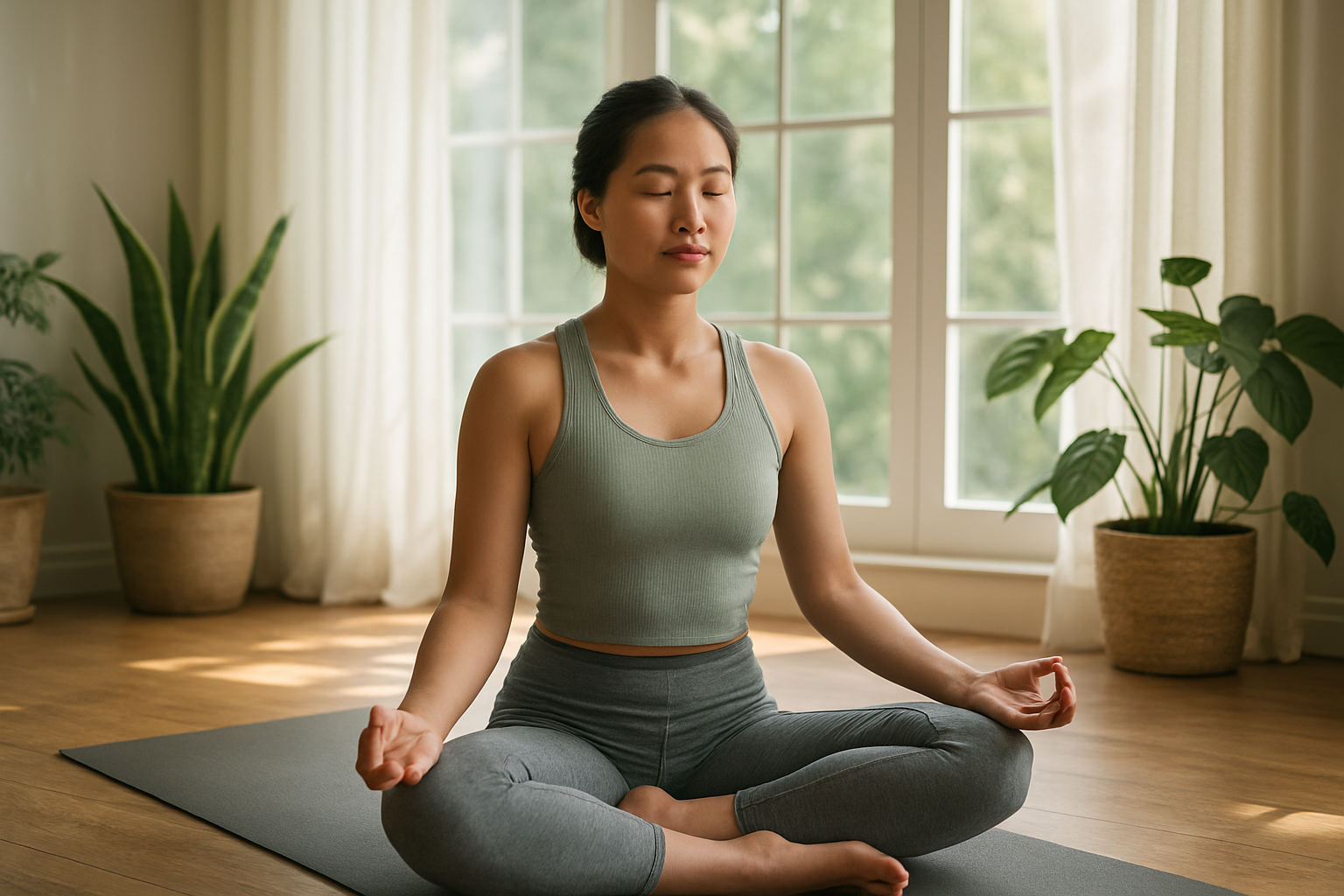
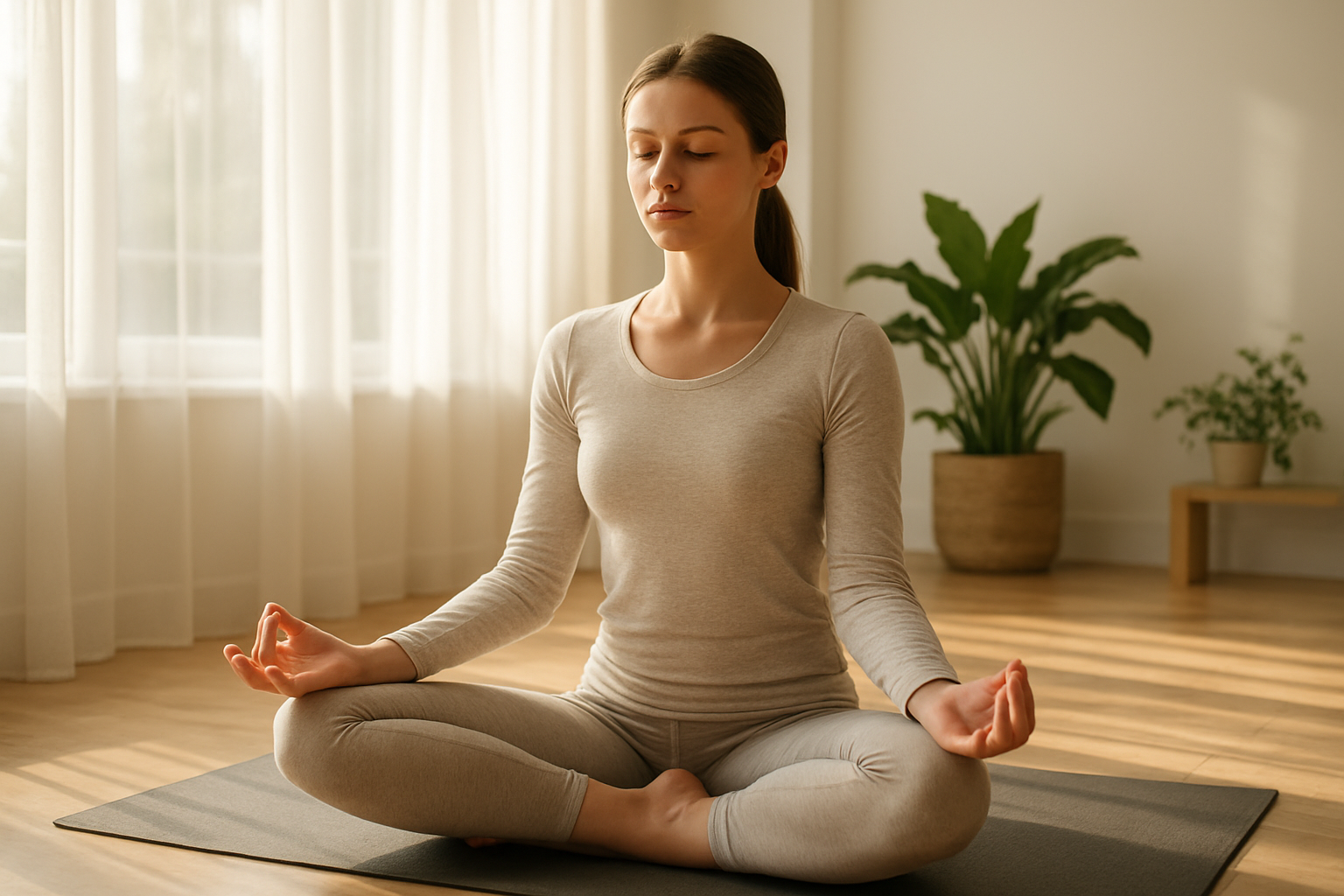
Before stepping fully into your day, gift yourself two to three minutes of stillness. This isn’t about achieving perfect meditation – it’s about maintaining the thread of awareness you’ve woven through your practice. Sit comfortably, close your eyes, and simply notice your breath without trying to change it.
If meditation feels challenging, shift to a gratitude practice that connects you to appreciation and abundance. Name three specific things you’re grateful for in this moment. Maybe it’s the comfortable bed you slept in, the sunlight streaming through your window, or the simple fact that you prioritized self-care by showing up to your mat this morning.
Make your gratitude tangible by including sensory details. Instead of just “I’m grateful for my family,” try “I’m grateful for my partner’s laugh that I heard echoing from the kitchen.” This specificity deepens the positive emotional impact and trains your brain to notice joy in ordinary moments.
Some mornings, your mind might feel scattered despite your practice. That’s completely normal. On these days, try counting your breaths from one to ten and back down, or repeat a simple phrase like “I am present” or “I am ready.” The goal isn’t perfection – it’s connection to this moment before the day’s demands pull your attention in multiple directions.
Enhance your practice with curated tools from Zen Essentials — mindful mats, props, and wellness products designed to support your yoga journey.
Conclusion
Starting your day with just 15 minutes of yoga can completely transform how you feel and perform throughout the day. This simple morning routine combines dynamic movements, energizing poses, and mindful breathing to wake up your body naturally while building strength, stability, and focus. The flow moves seamlessly from gentle warm-ups through powerful standing poses to grounding seated positions, creating the perfect balance of energy and calm to carry you forward.
The beauty of this practice lies in its flexibility and accessibility. You don’t need fancy equipment or years of experience – just a small space, comfortable clothes, and the willingness to show up for yourself each morning. By customizing the sequence to match your energy levels and making small adjustments that fit your lifestyle, you can build a sustainable habit that becomes as natural as brushing your teeth. Give yourself the gift of these 15 minutes tomorrow morning, and watch how this simple investment in your wellbeing ripples out into every aspect of your day.
For more mindful practices, explore my Yoga Blog where I share quick routines and soulful guidance.
Subscribe to The Zen Journal and receive mindful living tips, yoga flows, and wellness inspiration straight to your inbox.